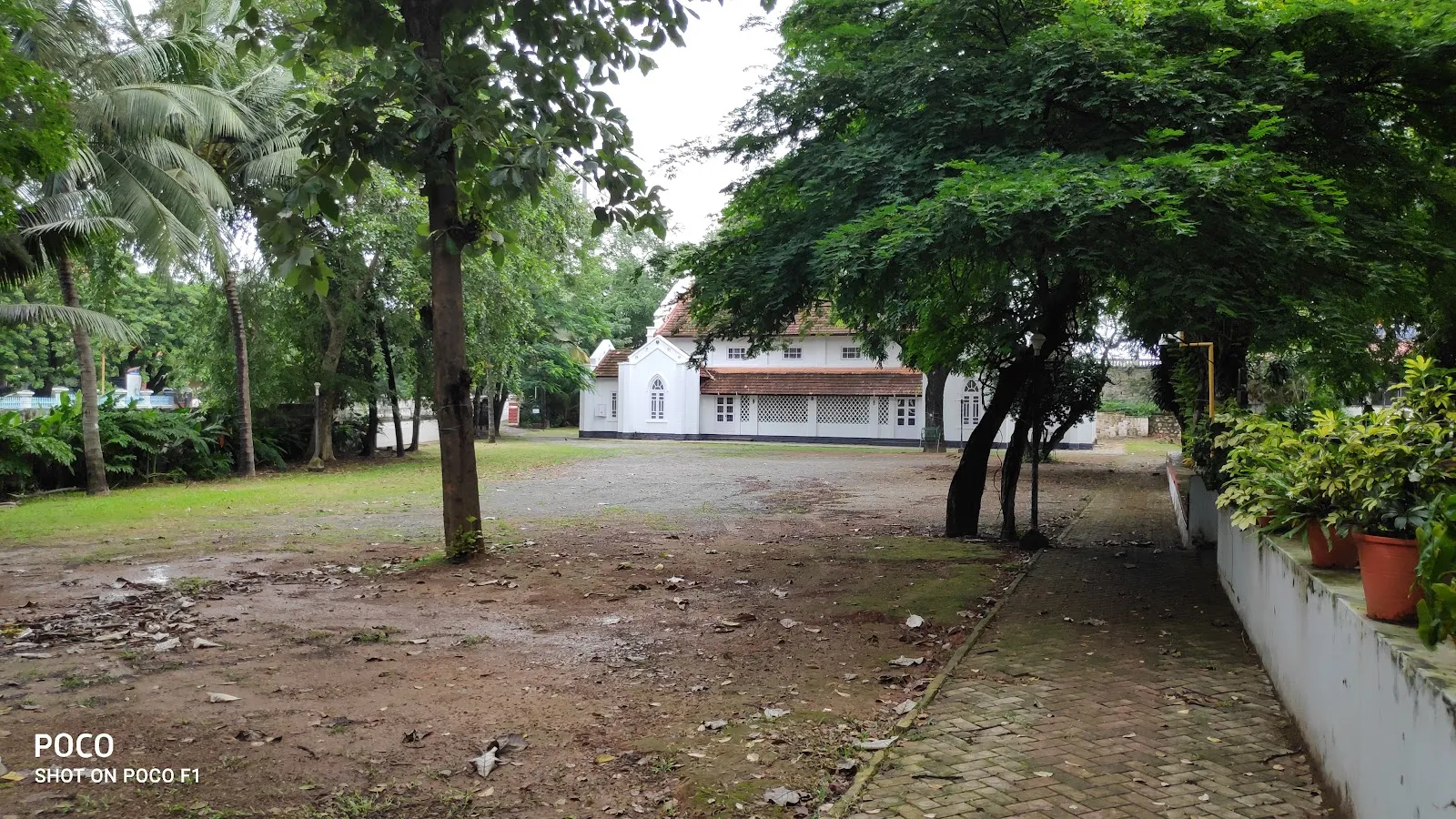
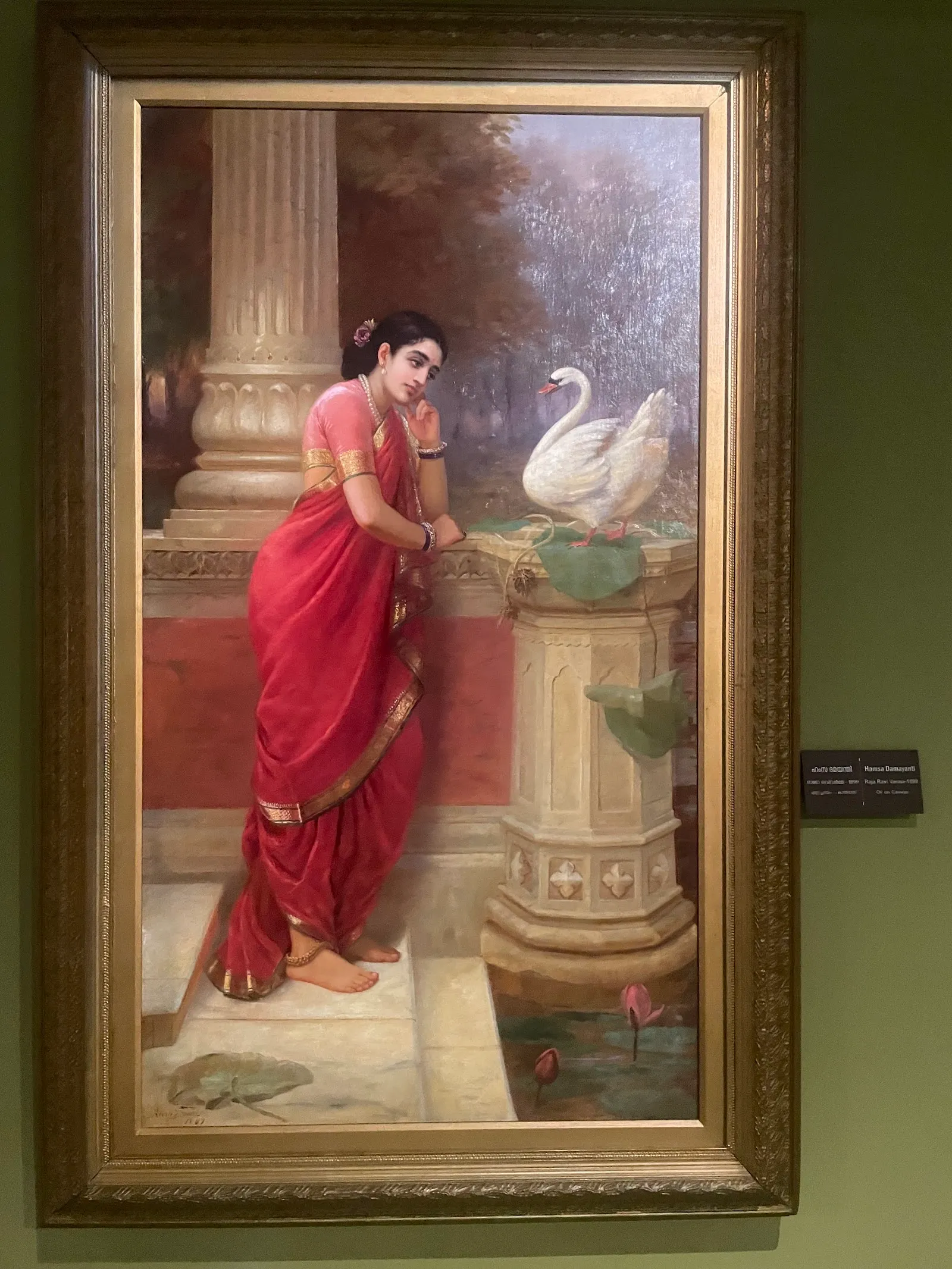
Napier Museum is the main museum of Thiruvananthapuram, set in a green compound on Vellayambalam Road. The building is the first thing to see: a wooden Indo-Saracenic design with painted ceilings, brickwork and a roof of minarets, finished in 1880. Inside are bronze idols, ivory carvings, ancient ornaments, a temple chariot and Japanese shadow-play figures that tell the Ramayana and Mahabharata. The grounds are shared with the Sri Chitra Art Gallery, the Natural History Museum and the zoo, so a visit can fill half a day. Walk the shaded paths between the galleries.
From the old museum to the 1880 building
An earlier museum building stood on this site. It was pulled down in 1874, and a new building was begun in its place during the reign of Ayilyam Thirunal of Travancore. Construction was completed in 1880.
The museum is named after Lord Napier, who was Governor of Madras from 1866 to 1872. It is also known as the Government Art Museum. The new building was designed by the English architect Robert Fellows Chisholm, who worked in British India.
The building itself
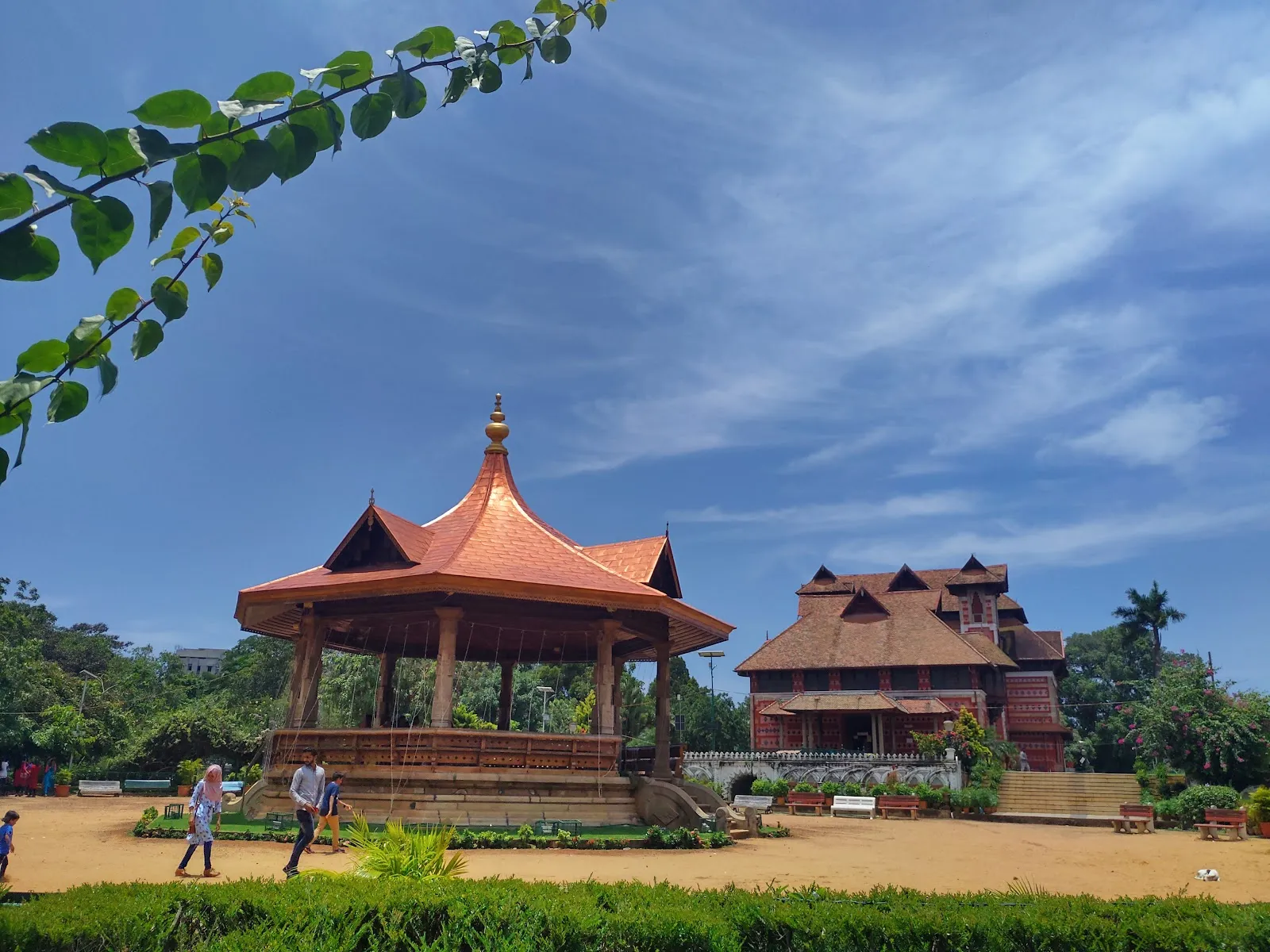
The style is Indo-Saracenic. Local Kerala forms are combined with Mughal, Chinese and Gothic or Italian touches, depending on who describes it, and the result is unlike a standard government museum. You see domes and minarets, colourful brickwork, granite pillars and floral decoration on the outside.
Inside, the ceilings are carved and painted rosewood, and the wood was brought from nearby forests. The interior is brightly coloured. The building also has a natural air-conditioning system, which keeps the galleries cool without machinery. Allow time to look up and around before you turn to the cases.
What is in the galleries
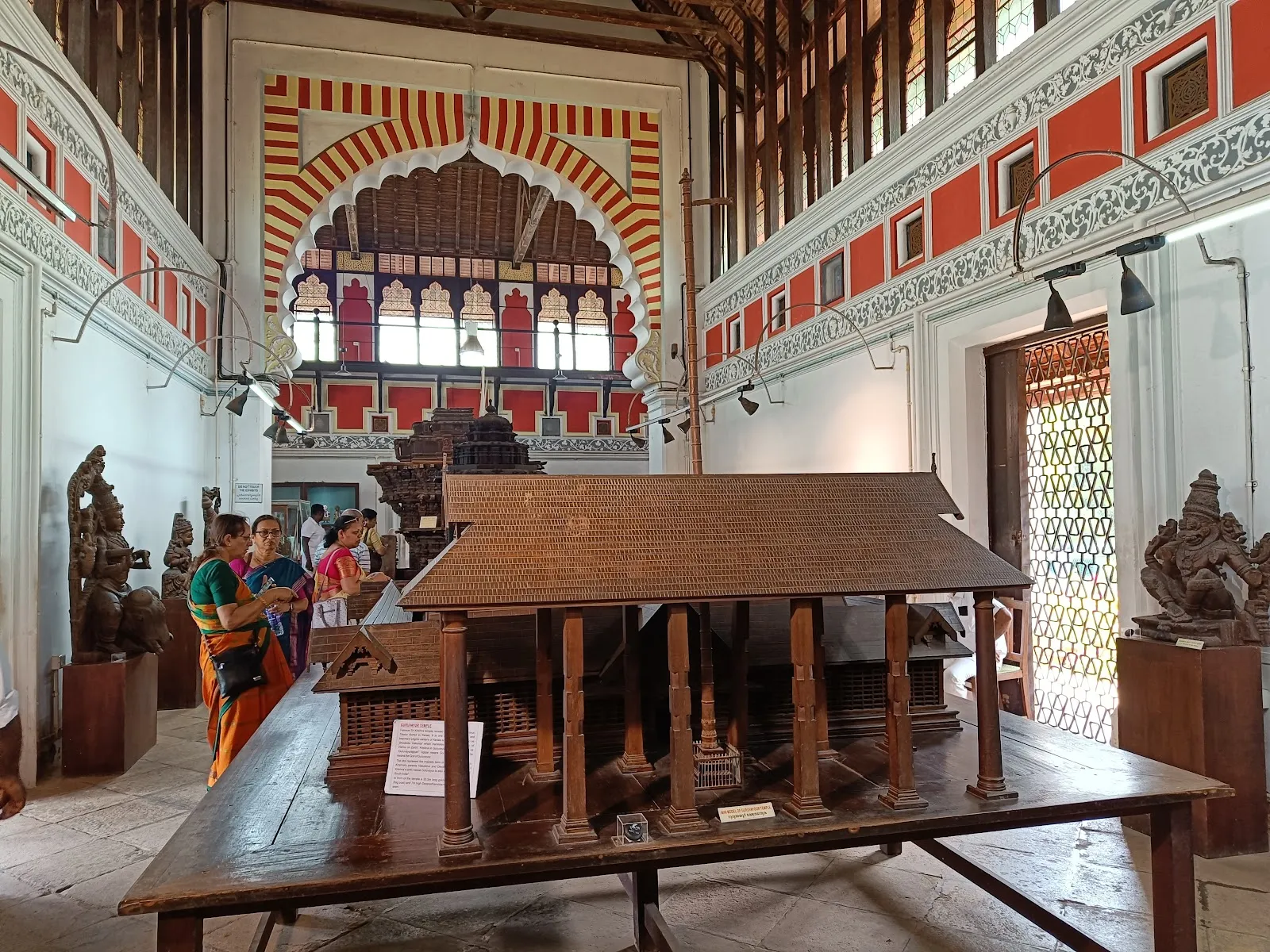
The core of the collection is bronze idols, ivory carvings, ancient ornaments and a temple chariot. There are also Buddhist sculptures, a wood-carved model of the Guruvayur temple, ancient musical instruments and life-size figures of Kathakali dancers. Wood and stone carvings are a strength, and the ivory work and the section on Kerala's traditional arts draw particular attention.
The Japanese shadow-play figures, made of leather, are used to tell the Ramayana and the Mahabharata. They are among the most unusual objects here. Artifacts date back as far as the 1st century AD, and there are replica exhibits from the Harappan and Mohenjo-Daro civilizations. The sword of Velu Thampi Dalawa, who resisted British rule, is also on display.
The rest of the compound
The museum stands inside a large wooded compound managed by the Department of Museums and Zoos of Kerala. The Sri Chitra Art Gallery, established in 1935, holds paintings of the Mughal, Tanjore and Rajput schools and a section devoted to Raja Ravi Varma.
The Natural History Museum reopened in January 2021 after its first full renovation since 1964. The work cost Rs 6 crore and added new display systems. On the second floor is a model of a traditional nalakettu house, the home of the Nairs, with costumed figures and an explanation. The zoo, established in 1857 on more than 55 acres, is one of the oldest in India and is next door.
Kanakakunnu Palace is close by, and the Sree Padmanabhaswamy Temple is a short distance away, so the museum fits easily into a day of sightseeing in the city.
FAQ
Is there an entry fee at Napier Museum?
Yes, there is an admission fee, and it is low. Each part of the complex, such as the Natural History Museum, needs a separate ticket.
Which day is Napier Museum closed?
It is closed on Mondays. On Wednesdays it opens later in the day than on other days, so check the hours before you go.
How long do you need at Napier Museum?
Plan 2 to 4 hours for the galleries and the grounds. Adding the zoo or the art gallery makes it a half-day or longer.
How much does parking cost?
Parking inside the complex is Rs 150 per car. There is plenty of space.
What else is in the museum complex?
The Sri Chitra Art Gallery with Raja Ravi Varma paintings, the Natural History Museum and the zoo share the grounds.