Kadri Manjunatha Temple sits at the foot of the Kadri Hills in Mangaluru. It is a Shiva temple dedicated to Lord Manjunatha and is said to date from the 10th or 11th century. Over its history the site has moved from a Buddhist centre to a Natha seat to a Hindu Shiva temple. The stone complex holds ancient bronze statues, a sacred pond for ritual bathing and a spring called Gomukha. The evening aarti, when devotional singing fills the courtyard, is the most striking time to visit. Allow an hour or two to see the shrines, the pond and the bronzes.
From Buddhist centre to Shiva temple
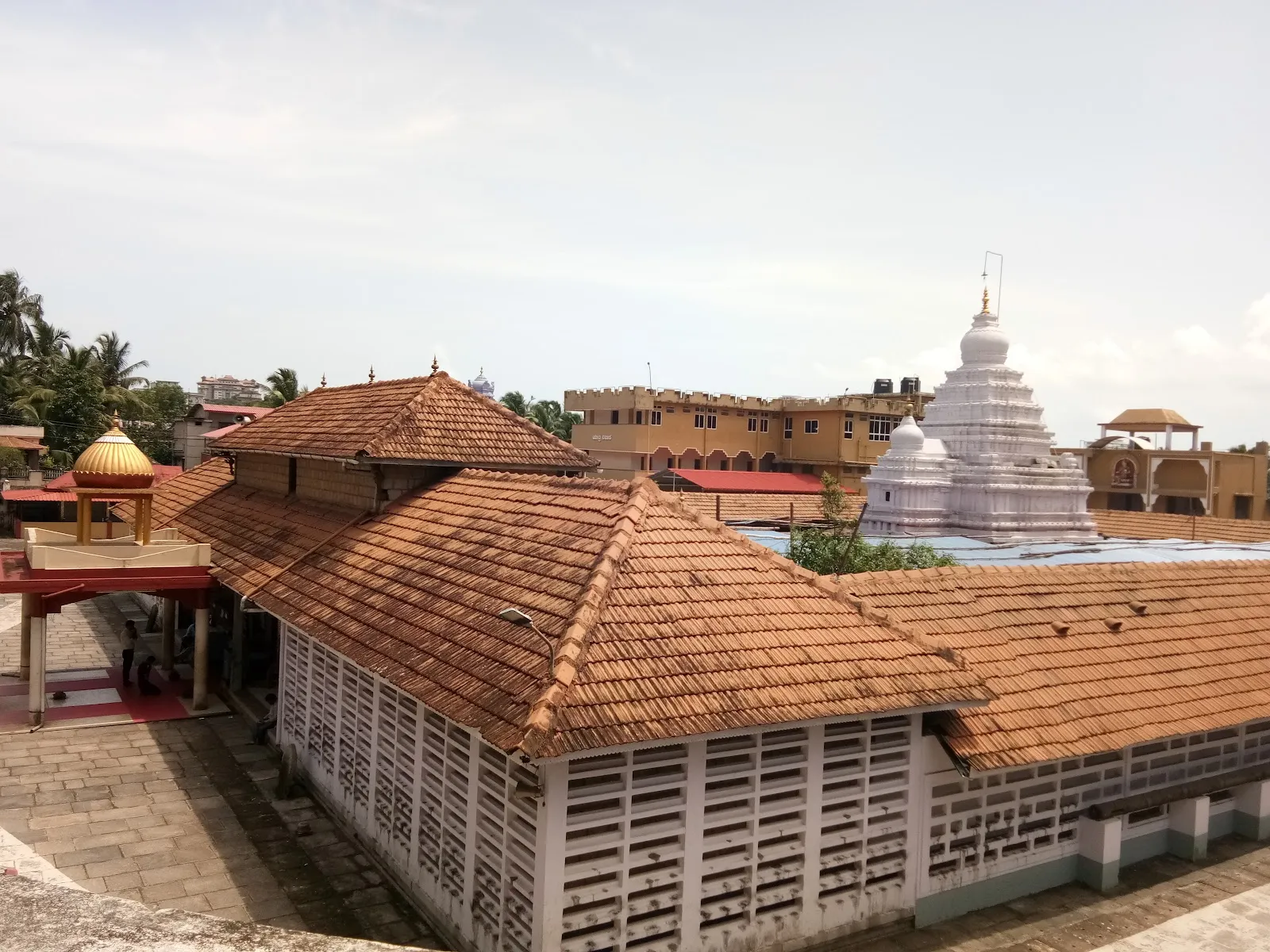
Kadri was a centre of Buddhism in the early 10th century. Buddhist pilgrims first used the temple. As Buddhism declined, a newer religious movement, the Nath Panth, took hold in the area. The temple was renovated several times and became a Shiva temple. In the 14th century it was rebuilt as a solid stone structure.
According to legend, the temple's origin lies in the story of Parashurama. He had killed cruel kshatriyas and given the land to Kashyapa, then prayed to Lord Shiva for a place to live. Shiva promised that if Parashurama performed penance at Kadri, he would take the form of Manjunatha there for the welfare of the world.
Architecture of the complex
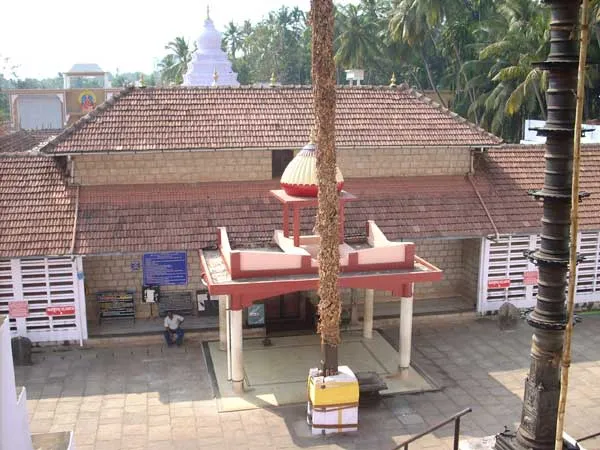
The temple follows Vijayanagara architecture, with traces of Kerala and coastal Karnataka styles and some Buddhist influence. Several small temples surround the main sanctum, so you walk from shrine to shrine rather than entering one hall.
Carved black granite pillars and sculpted stone slabs are among the details to look for, along with copper-roofed shikharas. The hill around the temple has laterite caves, known as the Pandava Caves, and the tanks sit among them.
The bronze icons
The temple's bronze statues are its most valued objects. The seated Lokeshvara figure is the best known. An inscription on its pedestal, dated 968 AD, attributes it to King Kundavarma of the Alupa dynasty. Other bronzes show Gautama Buddha and Matsyendranath, and the group is roughly 1,000 years old.
The main image of worship is a linga in the form of Manjunatha, shaped as an udbhava linga. Visitors can see it at the upper shrine, where abhisheka is performed for Lord Shiva.
The sacred ponds and springs
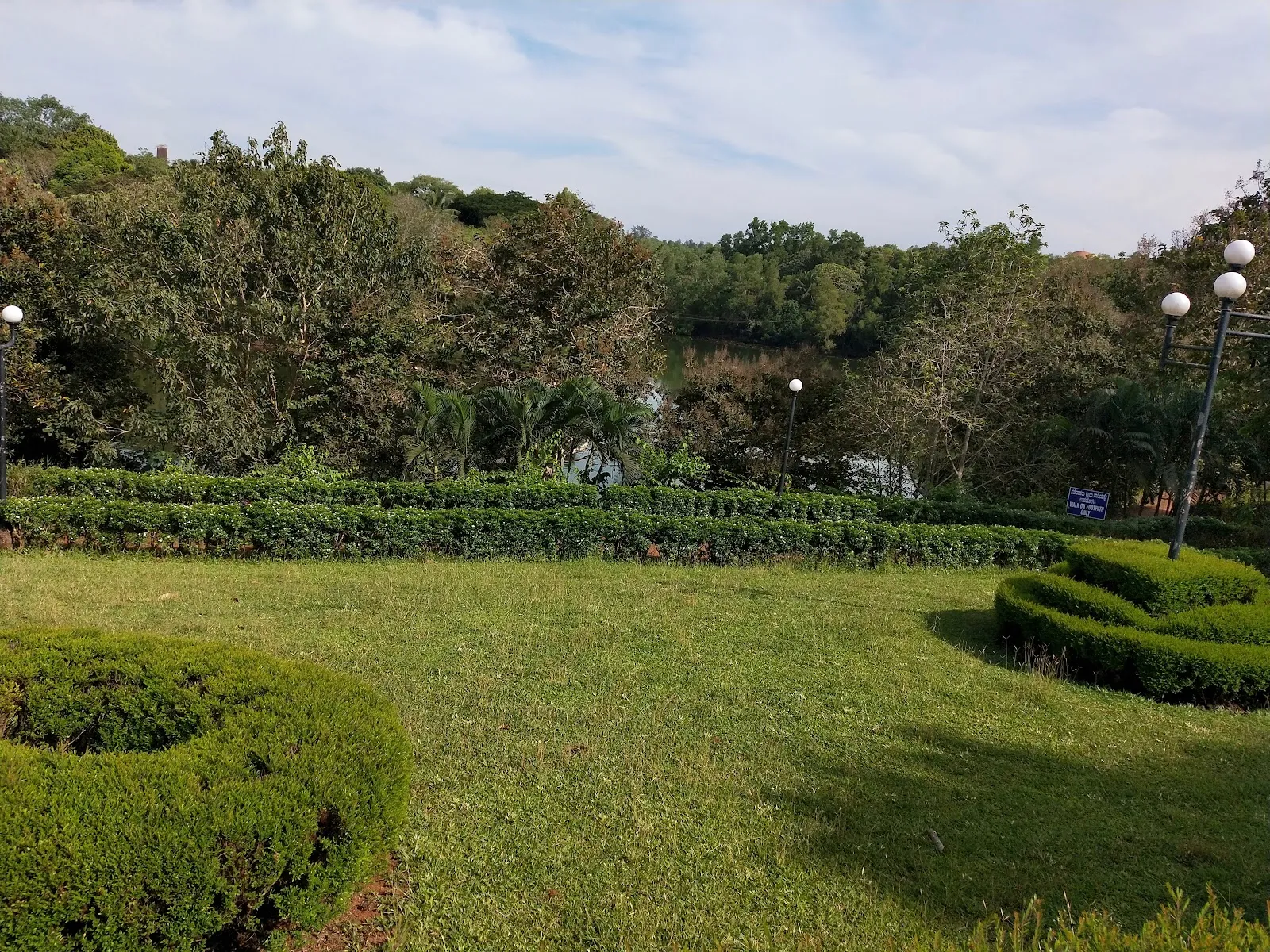
The temple tanks are fed by natural springs. The sacred pond, called Pushkarini or Kadri Kere, is used for a ritual bath before entering the temple. Water flows from the Gomukha spout, a spring that devotees regard as sacred.
The ponds are part of how the site works. Many devotees bathe before darshan, so the water area is busiest in the hours before the main rituals.
Visiting the temple
The evening aarti is the highlight for most visitors. Elderly women often sing prayers in the courtyard during it, and the hills turn misty at that hour. Maha Shivaratri brings a larger festival crowd.
The annual Kadri Kambala buffalo race, held in December, draws spectators from across the region. The entrance and the parking lot are wheelchair accessible, and the site has restrooms.
FAQ
How long do you need at Kadri Manjunatha Temple?
Allow one to two hours. That is enough time to see the shrines, the sacred pond and the evening aarti.
Is the temple wheelchair accessible?
Yes. The entrance and the parking lot are wheelchair accessible, and the site has restrooms.
Do I need to take off my shoes?
Leave your footwear at the dedicated shoe stand for devotees before you enter.
Is there parking at the temple?
Yes. The temple has ample parking, and autos are readily available nearby.
When is the best time to visit?
Weekdays are quieter. The evening aarti, with devotional singing, is the most atmospheric time.