The Mannerheim Museum occupies the Helsinki home of Carl Gustaf Emil Mannerheim, Finnish military leader and president. He lived in this villa in the Kaivopuisto district from 1924 to 1951. Visits are by guided tour, which takes you through rooms that retain much of their original interior and trace his public life and travels. Look for personal objects such as uniforms, medals and swords, alongside antiques, furnishings and art by Finnish painters. The house also has views of the sea.
Mannerheim’s home in Kaivopuisto
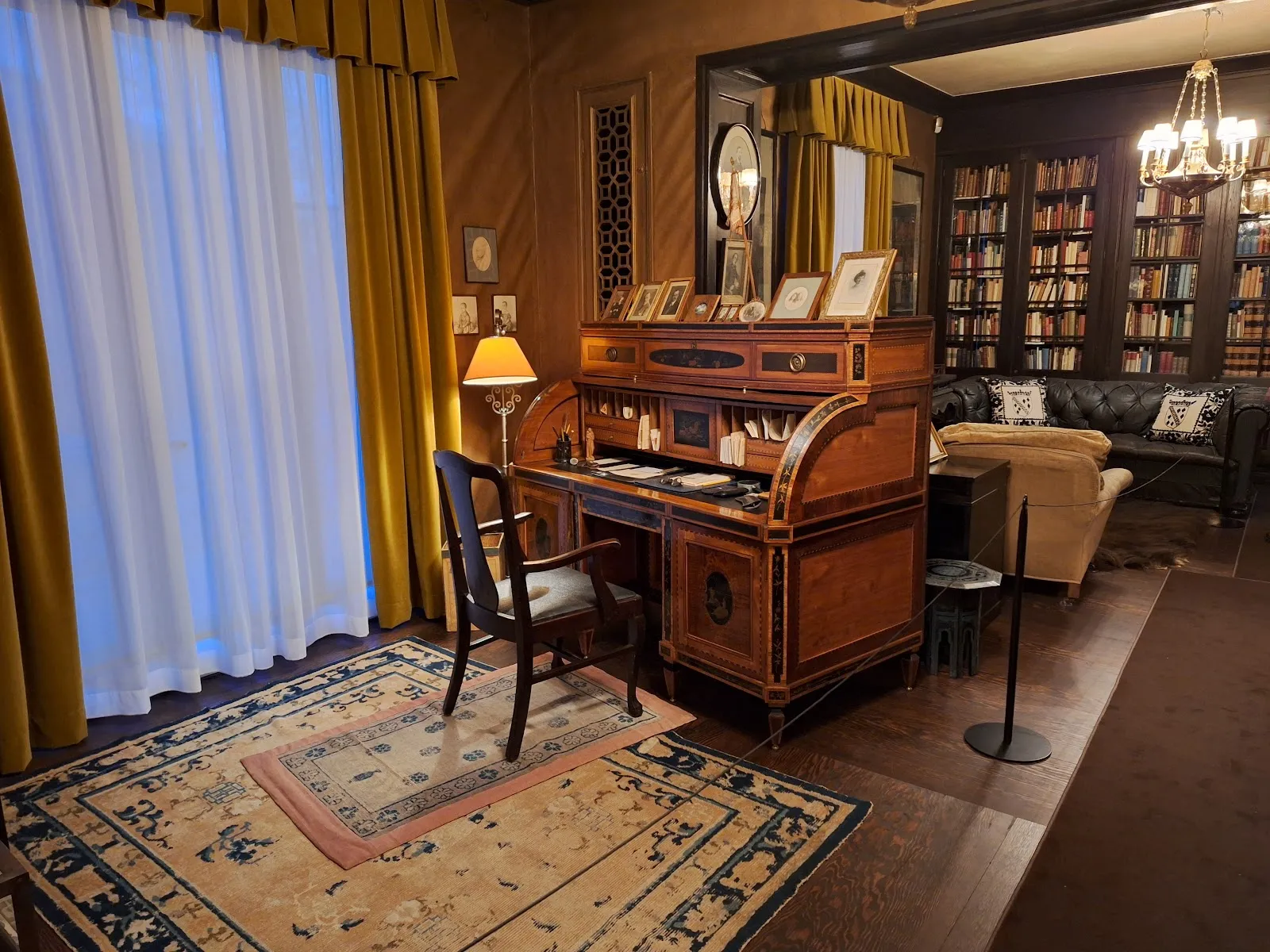
The museum is in the villa where Carl Gustaf Emil Mannerheim lived from 1924 until his death in 1951. It stands in Helsinki’s Kaivopuisto district, on a hill near the park, in a quiet residential area. The house preserves much of its original interior, giving the displays a domestic setting tied to Mannerheim’s own life.
Mannerheim was a Finnish military leader and statesman who served as president from 1944 to 1946. The museum presents his life and career through objects kept in the house and material about the events of his time.
Rooms, collections and guided visits
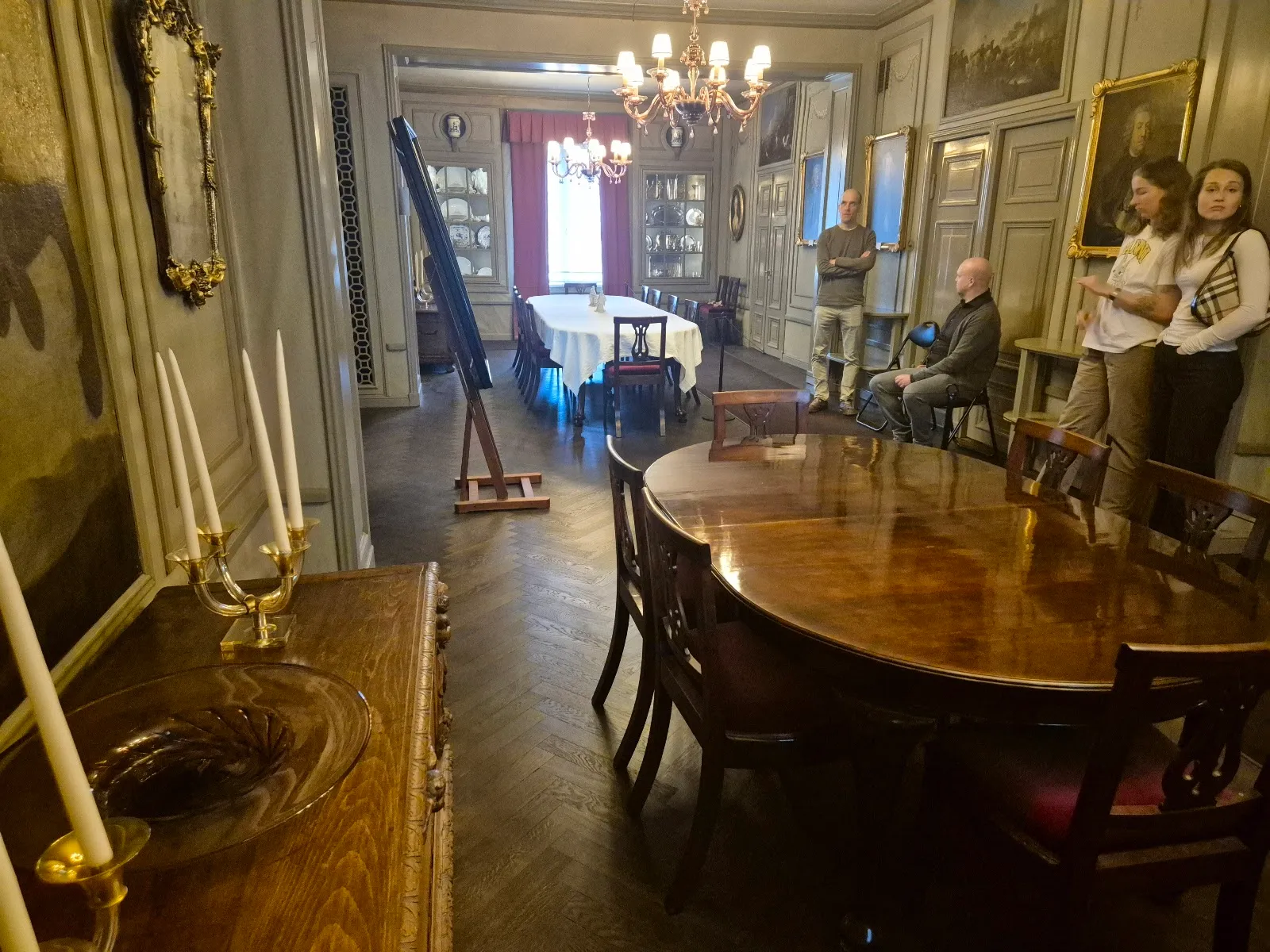
You can see personal belongings including uniforms, swords and medals, as well as antiques and furnishings. The collection also includes art by significant Finnish painters. Displays cover Mannerheim’s travels in Europe and Asia, alongside his public life.
Entry is by guided tour, so the visit follows a set route through the house rather than an independent walk around the rooms. Tour places are limited; booking ahead is advised. The museum is at Kalliolinnantie 14, close to Kaivopuisto, and the villa has a view towards the sea.
FAQ
Can you visit the Mannerheim Museum without a tour?
No. Visits to the house are available only as guided tours.
Should I book Mannerheim Museum tickets in advance?
Yes. Tour groups have limited places, so reserve online before your visit.
Where is the Mannerheim Museum?
It is at Kalliolinnantie 14 in Helsinki’s Kaivopuisto district, near Kaivopuisto park.
What can you see inside the museum?
The house contains much of its original interior, along with Mannerheim’s personal belongings, antiques, furnishings and art by Finnish painters.