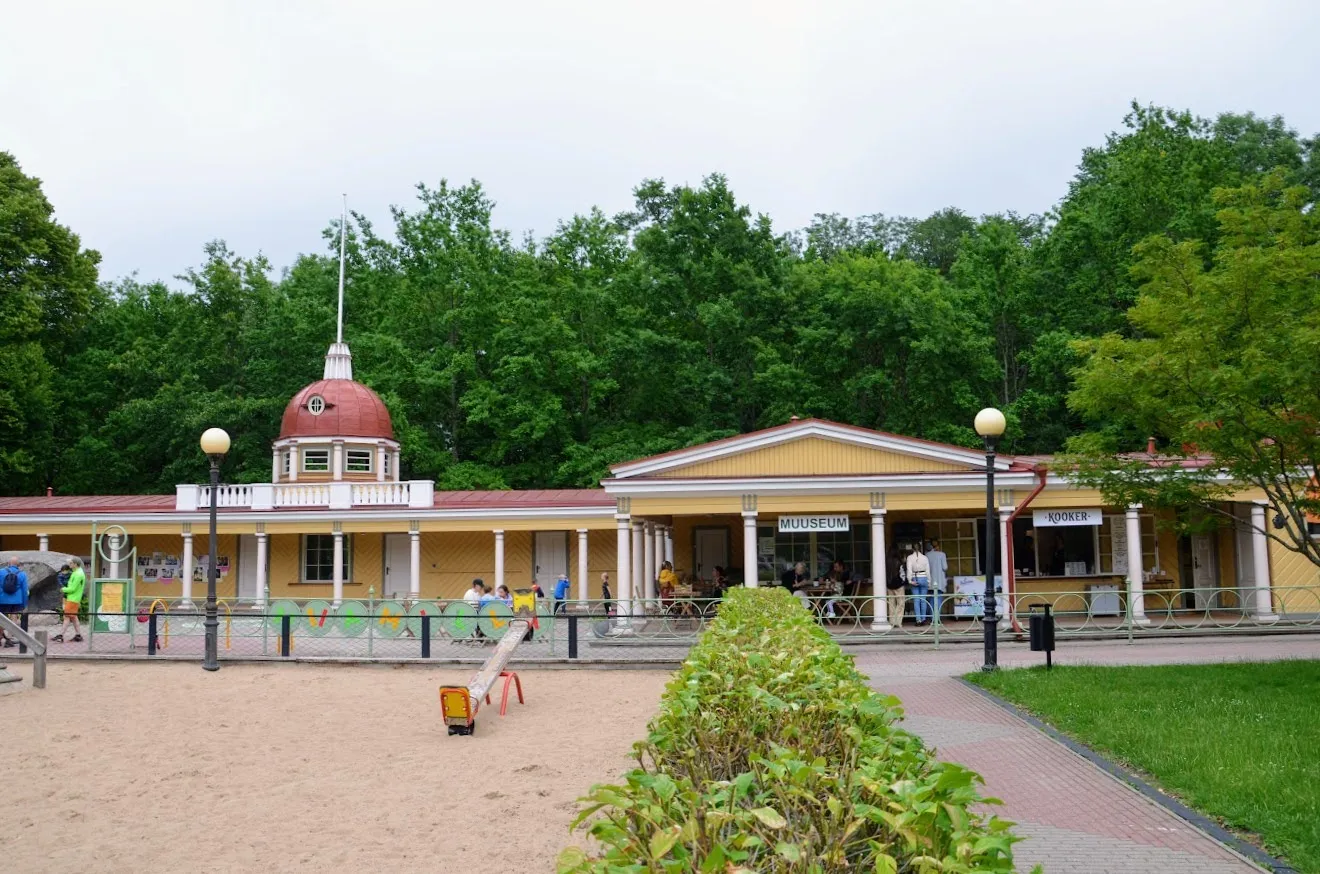
At Toompea tn 8b, the Vabamu Museum of Occupations and Freedom traces Estonia’s experience under Soviet and Nazi rule, the struggle to restore independence and the meaning of freedom today. Personal testimonies, photographs, objects, film and interactive displays bring the period into focus through the lives of people who experienced it. An audio guide leads you through the exhibition, with material available in several languages. The subject matter is emotionally demanding, so leave time to pause. Plan on two to three hours if you want to explore at an unhurried pace.
Estonia’s recent history through personal accounts
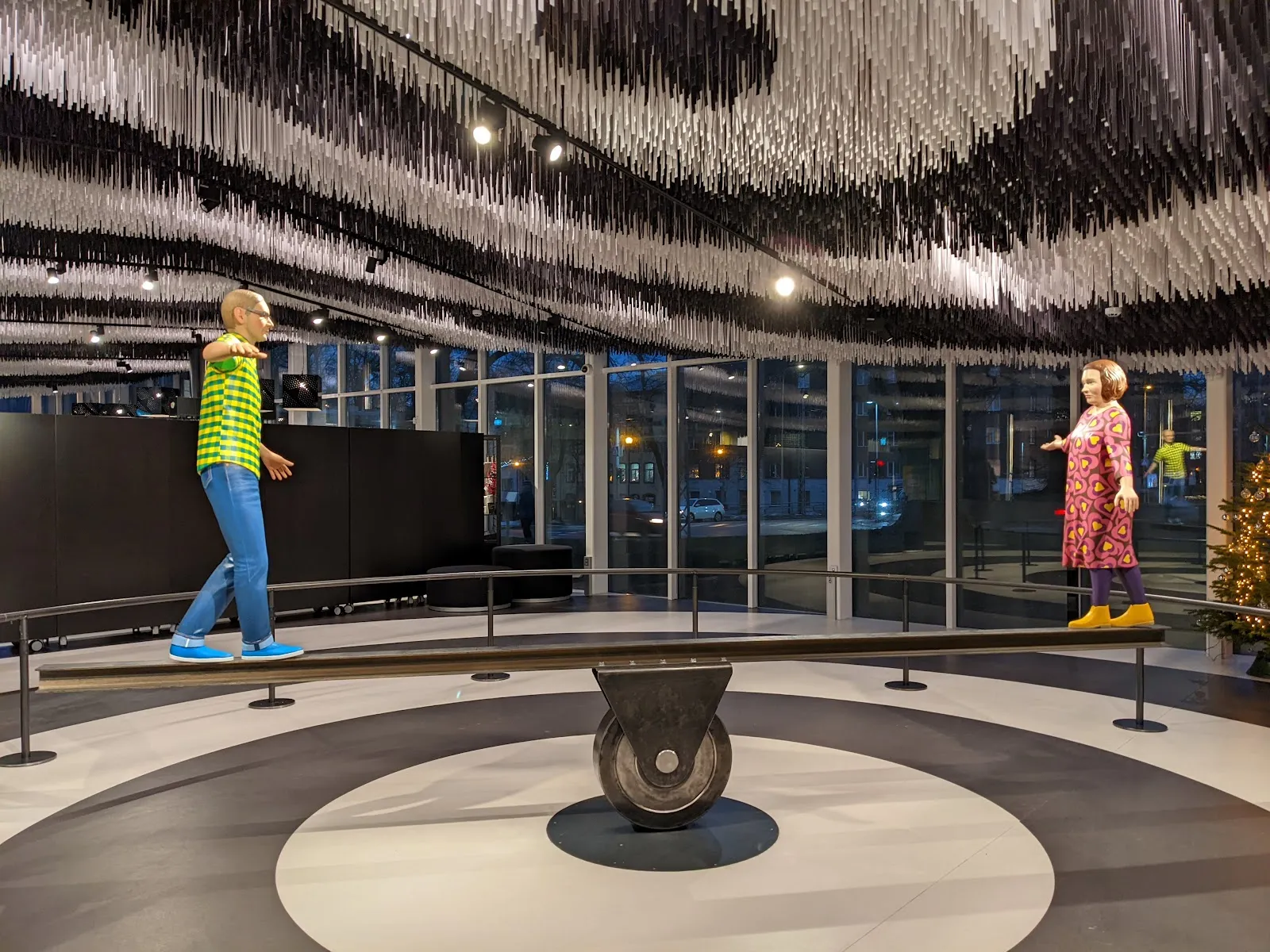
Vabamu’s permanent exhibition, Freedom Without Borders, follows Estonia through periods of occupation, resistance and the restoration of independence. It covers the Soviet and Nazi occupations and their effects on the country and its people, then turns to rebuilding and the meaning of freedom in the present.
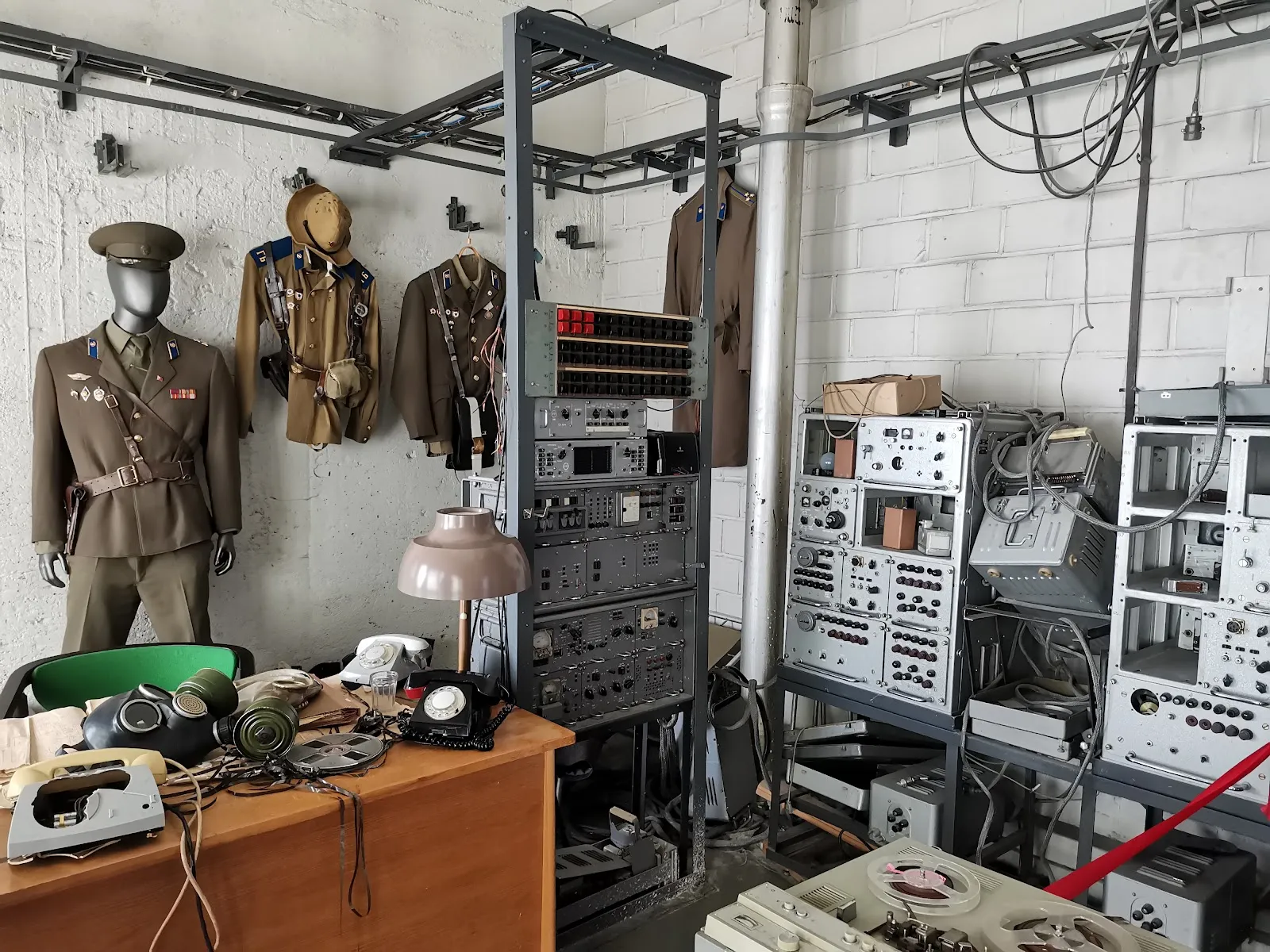
The exhibition places individual lives alongside the wider historical account. Personal memories and testimonies give space to people who experienced occupation, resisted it or lived through its consequences. Photographs, historical documents, objects, film and sound recordings add context to these accounts. Together, they show both political change and the pressures of daily life under foreign rule.
The museum also includes perspectives from younger Estonians, connecting memories of occupation with contemporary ideas about freedom. This shift helps frame the visit as more than a record of past events: the exhibition asks visitors to consider what freedom means and how it can be protected.
An audio-guided route through the exhibition
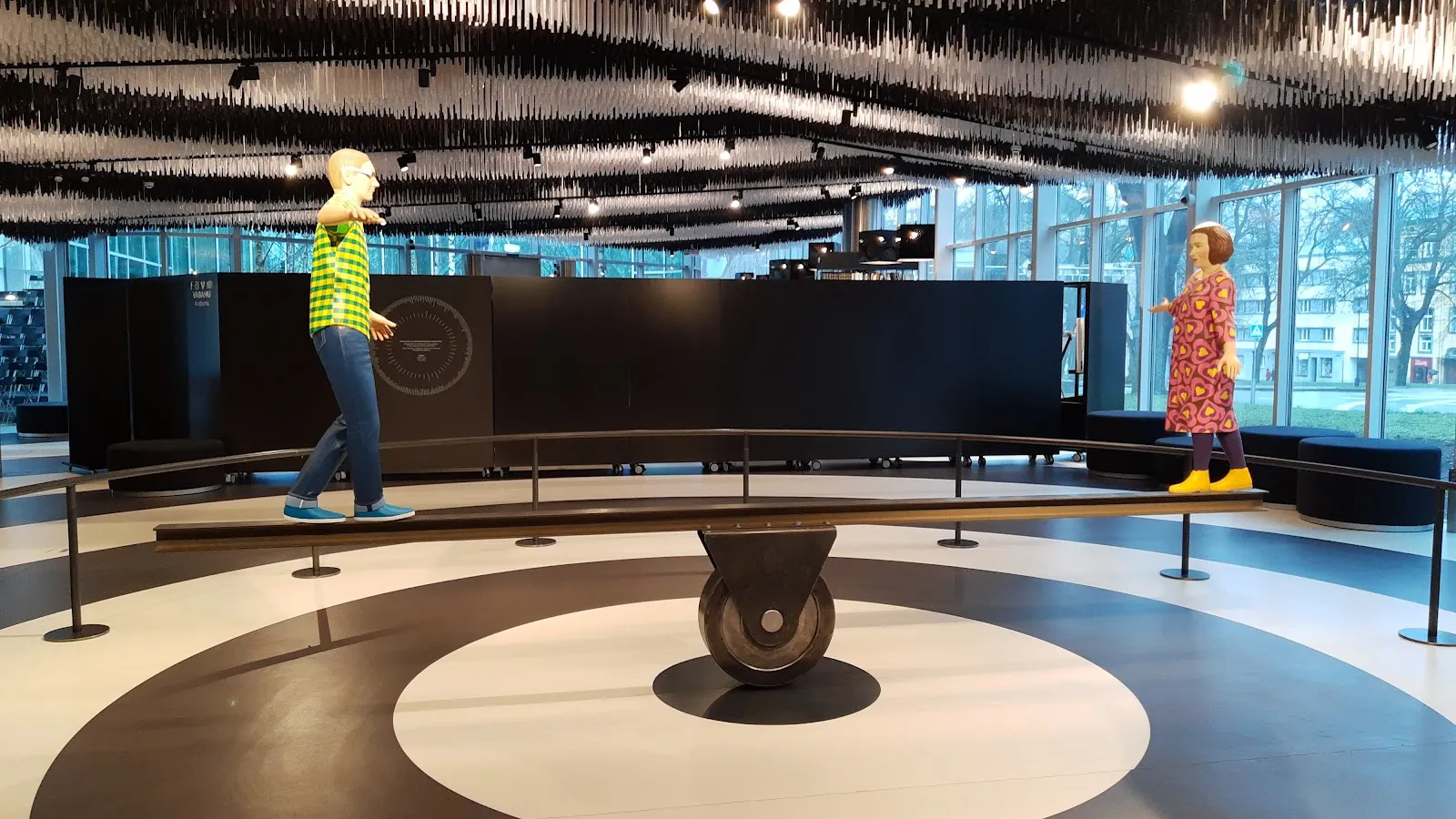
An electronic audio guide accompanies the visit and is available in Estonian, Russian, English, Finnish, German, French and Spanish. It directs you through the exhibition and adds detail to its displays. Interactive elements give you another way to engage with the material, while personal recordings put individual voices at the centre of the experience.
There is substantial information to take in, and some audio passages are long. You do not need to move through the exhibition quickly. Build in time to pause between sections, particularly if the subject matter feels heavy. The guide has sometimes selected material for a nearby display or been difficult to reset, so patience may help if it does not follow your route as expected.
Near the end, look out for first-person accounts. These testimonies offer a direct connection to the people whose experiences shape the exhibition. The visit can feel emotionally intense, so leave room in your day to absorb what you have seen rather than scheduling another demanding stop immediately afterward.
The building on Toompea Street
The museum stands at Toompea Hill, near the corner of Toompea Street and Kaarli Boulevard. Its modern, glass-fronted exterior contrasts with the historical material inside. The building was designed by Head Arhitektid OÜ and Tomomi Hayashi and dates to 2003.
A cantilevered section extends over the entrance route. Visitors pass beneath its low reinforced-concrete ceiling on the way inside. The compressed entry creates a striking physical transition before the exhibition begins, and its design has been connected with the museum’s themes of repression and imprisonment.
The setting is slightly outside Tallinn’s Old Town, close enough to include in a day exploring the centre. If you want to extend the visit, a combined ticket with the KGB cells is suggested as an option for a wider exploration of Estonia’s history.
FAQ
How long should I spend at Vabamu?
Allow two to three hours to explore the exhibits and listen to the audio guide at a measured pace.
What languages is the audio guide available in?
The guide is available in Estonian, Russian, English, Finnish, German, French and Spanish.
What does Vabamu cover?
The permanent exhibition follows Estonia through Soviet and Nazi occupations, resistance, restored independence and ideas about freedom today.
Can I combine a visit with the KGB cells?
A combined ticket with the KGB cells is suggested for a broader visit. Check the museum’s ticket information for current details.