
Carisbrooke Castle, on Castle Hill near Newport, is a hilltop fortress with Saxon roots and more than 800 years of recorded history. Explore its ramparts, towers and keep for broad views across the Isle of Wight, then see the Princess Beatrice Garden and the well-house, where resident donkeys demonstrate the water wheel. The castle is also known for holding Charles I as a prisoner. Allow time for the steep climb to the keep; a café on site gives you a place to pause during your visit.
A fortress built in stages
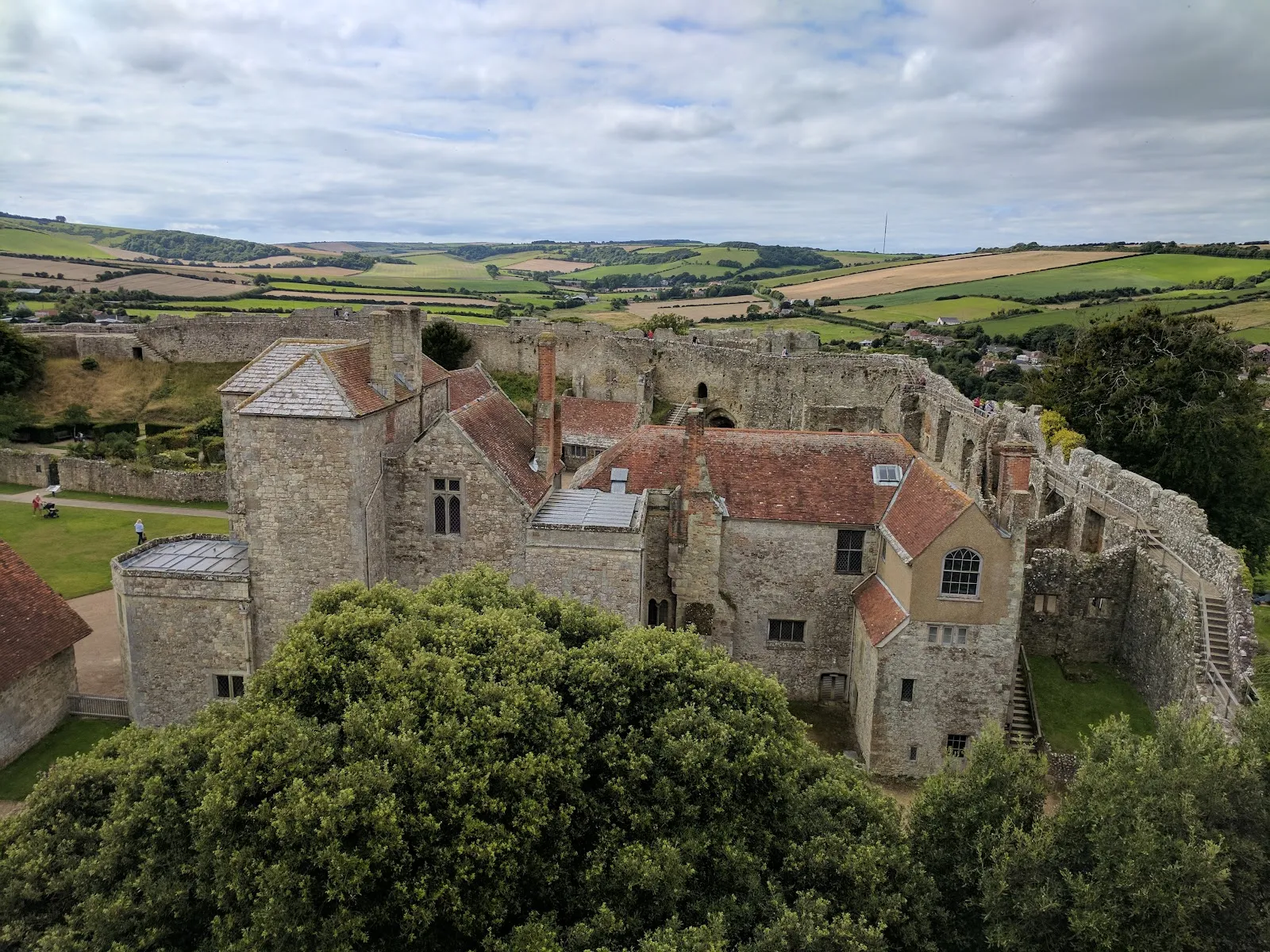
The castle occupies a site with Saxon fortifications, and its history spans more than eight centuries. The motte-and-bailey stronghold took shape in the Norman period; the keep dates to around 1100, while much of the castle visible today centres on a large structure from the early 12th century. Older earthworks lie beneath it, and a ruined wall has been taken as a possible sign of Roman occupation.
Its role changed over time. Carisbrooke served as a defensive stronghold and later gained artillery works, with outer defences redesigned in the 16th century. It also became a royal residence and a prison. These layers are visible in the mix of walls, towers, courtyards and later fortifications.
Charles I and the castle museum
Charles I was held at Carisbrooke after the English Civil War, before his execution in 1649. He spent 14 months at the castle, and accounts of his imprisonment include attempts to escape. The guardhouse exhibition covers his time there alongside other parts of the site’s history.
The castle museum and displays bring together material about the fortress and its former residents. The medieval hall also contains exhibits on the Isle of Wight. The museum is one part of a visit that ranges across the grounds, so allow time for both the indoor displays and the outdoor routes.
The well-house and its donkeys
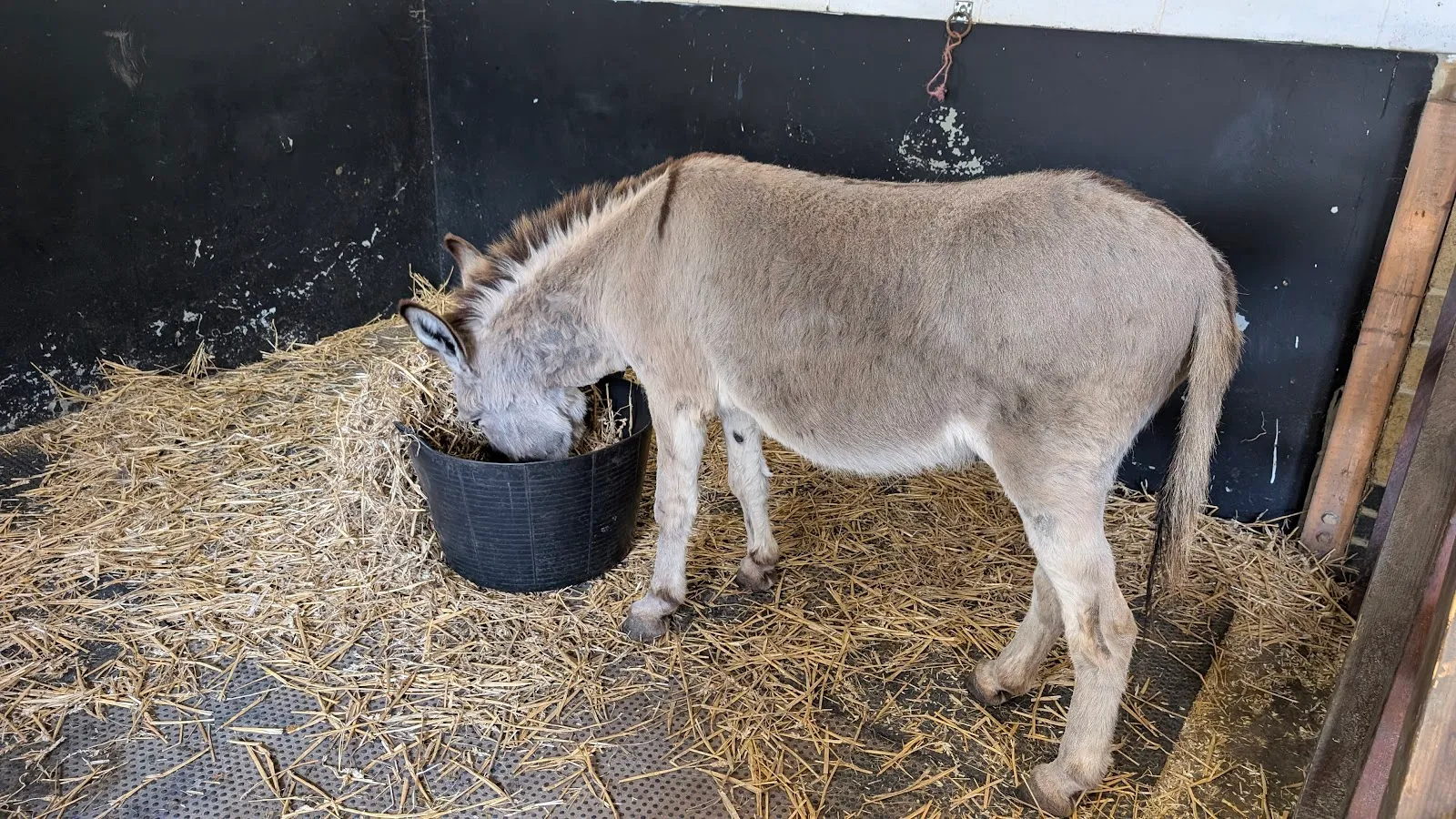
The deep well was once worked by people walking a treadwheel to lift water. Today, donkeys demonstrate the mechanism in the well-house, turning the large wheel that raises the bucket. The tradition dates back centuries, and the working demonstration gives a clear sense of how the castle secured water.
You can also spot the donkeys in their field by following the dry moat outside the castle. That walk does not require entry to the site, so it is an option if you are nearby but not planning a full visit.
The garden and the views
The Princess Beatrice Garden is an Edwardian-style walled garden associated with Queen Victoria’s youngest daughter, who lived at the castle. Its layout uses gravel paths and shaped borders, with clipped hedges, topiary, a fig tunnel, potted fruit trees and flowers in blue, red and gold. The geometric design echoes the castle’s architecture.
For a higher viewpoint, climb to the keep and walk the ramparts. The ascent is steep, but the elevated position gives wide views over the island. The grounds also include King Charles’s bowling green, linking the open spaces to the castle’s royal history.
FAQ
How long should I allow for Carisbrooke Castle?
Allow around 2 to 3 hours to explore the castle, garden, well-house and museum.
Can I see the donkeys without entering the castle?
Yes. Walk around the dry moat to reach their field without going inside the castle.
Is entry free for English Heritage members?
English Heritage members can enter free.
Do I need to book tickets in advance?
Booking ahead is recommended.


