Planifier un voyage
Langue: Français
Planificateur de voyagePlanifiez votre voyage sur une carte

Destinations incontournables

EnglishDeutschFrançaisEspañolPortuguêsPortuguês (BR)Italiano
Avis aux voyageurs · ÉgypteCertains gouvernements déconseillent de se rendre dans certaines régions de Égypte.Les avertissements ne concernent que ces zones : Bande de 50 km le long de la frontière libyenne, Bande de Gaza, Frontière libyenne (sans profondeur définie), Gouvernorat du Nord-Sinaï, Frontière soudanaise (sans profondeur définie), Désert occidental, Gouvernorat d'Ismaïlia (est du canal de Suez), Nord du Gouvernorat du Sud-Sinaï (au-delà de la route Sainte-Catherine–Nuweiba).Les conseils dépendent de votre passeport. Consultez ceux de votre propre gouvernement avant de réserver.Conseils officiels
Zones signalées
  • Bande de 50 km le long de la frontière libyenne · éviter tout voyage · Canada, Nouvelle-Zélande
  • Bande de Gaza · éviter tout voyage · Canada, France, Nouvelle-Zélande
  • Frontière libyenne (sans profondeur définie) · éviter tout voyage · Allemagne, Espagne, France, Italie
  • Gouvernorat du Nord-Sinaï · éviter tout voyage · Canada, Espagne, France, Irlande, Nouvelle-Zélande, Royaume-Uni
  • Frontière soudanaise (sans profondeur définie) · éviter tout voyage · Allemagne, Espagne, France, Italie
  • Désert occidental · éviter tout voyage · Canada, Nouvelle-Zélande, Royaume-Uni, États-Unis
  • Gouvernorat d'Ismaïlia (est du canal de Suez) · éviter les voyages non essentiels · Canada, Royaume-Uni
  • Nord du Gouvernorat du Sud-Sinaï (au-delà de la route Sainte-Catherine–Nuweiba) · éviter les voyages non essentiels · Canada, Nouvelle-Zélande, Royaume-Uni

Également signalé par un seul gouvernement : Bande de 20 km le long de la frontière libyenne (Royaume-Uni), Zones frontalières (zones militaires) (États-Unis), Zone frontalière égypto-israélienne (Allemagne), Péninsule du Sinaï nord et centre (États-Unis), Gouvernorat de Port-Saïd (est du canal de Suez) (Canada), Zone frontalière de Rafah (Espagne), Gouvernorat de Suez (est du canal de Suez) (Canada), Route Bahariya–Siwa (Royaume-Uni), Trapèze de Bir Tawil (Royaume-Uni), Désert à l'ouest de Marsa Matrouh, du Fayoum et d'Abou Simbel (France), Région du Gebel Uweinat au Gilf el-Kebir (Italie), Triangle de Halaib (Royaume-Uni), Zones désertiques non touristiques (Italie), Poste frontalier de Rafah (Irlande), Péninsule du Sinaï sud (Allemagne)

GouvernementConseilsMis à jourLire les conseils
Royaume-Uni (FCDO)No advice against the whole country (regional advisories)–Lire les conseils
États-Unis (State Dept)Exercise increased caution (regional advisories)15 juil. 2025Lire les conseils
Canada (Affaires mondiales)Exercise a high degree of caution (regional advisories)–Lire les conseils
Allemagne (Auswärtiges Amt)Besondere Vorsicht walten lassen (keine Gesamtwarnung) (regional advisories)13 oct. 2026Lire les conseils
Nouvelle-Zélande (SafeTravel)Exercise increased caution elsewhere in Egypt (regional advisories)–Lire les conseils
Irlande (ministère des Affaires étrangères)High degree of caution (regional advisories)–Lire les conseils
France (ministère de l'Europe et des Affaires étrangères)Increased vigilance for the rest of the country (regional advisories)–Lire les conseils

Vérifié quotidiennement d'après les conseils publiés par les gouvernements ; dernière vérification le 2 nov. 2026.RoamLedger résume les conseils officiels ; il ne s'agit pas de conseils émanant d'un gouvernement.

Museum of Islamic Art in Cairo
Musée

Museum of Islamic Art in Cairo

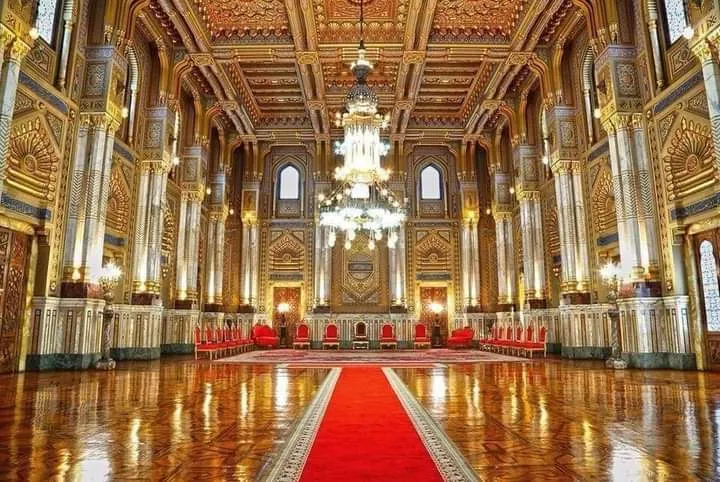
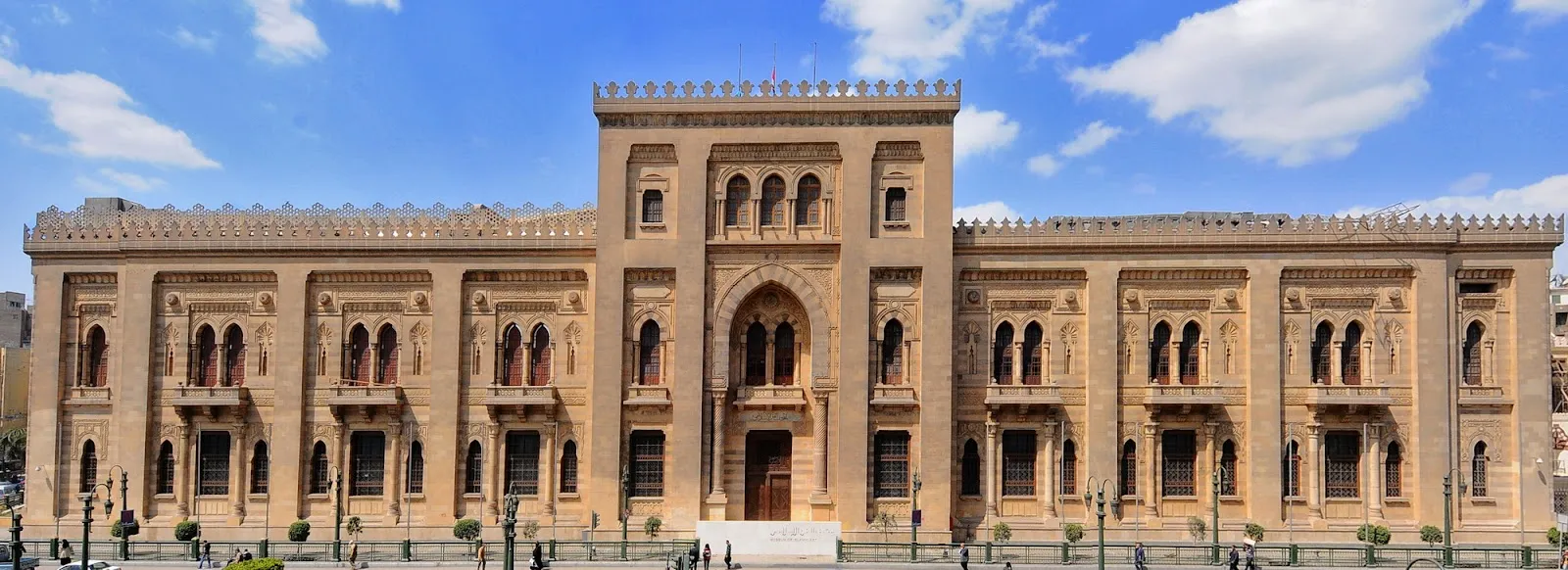
In central Cairo’s Bab Al-Khalq area, the Museum of Islamic Art brings together works from across the Islamic world.

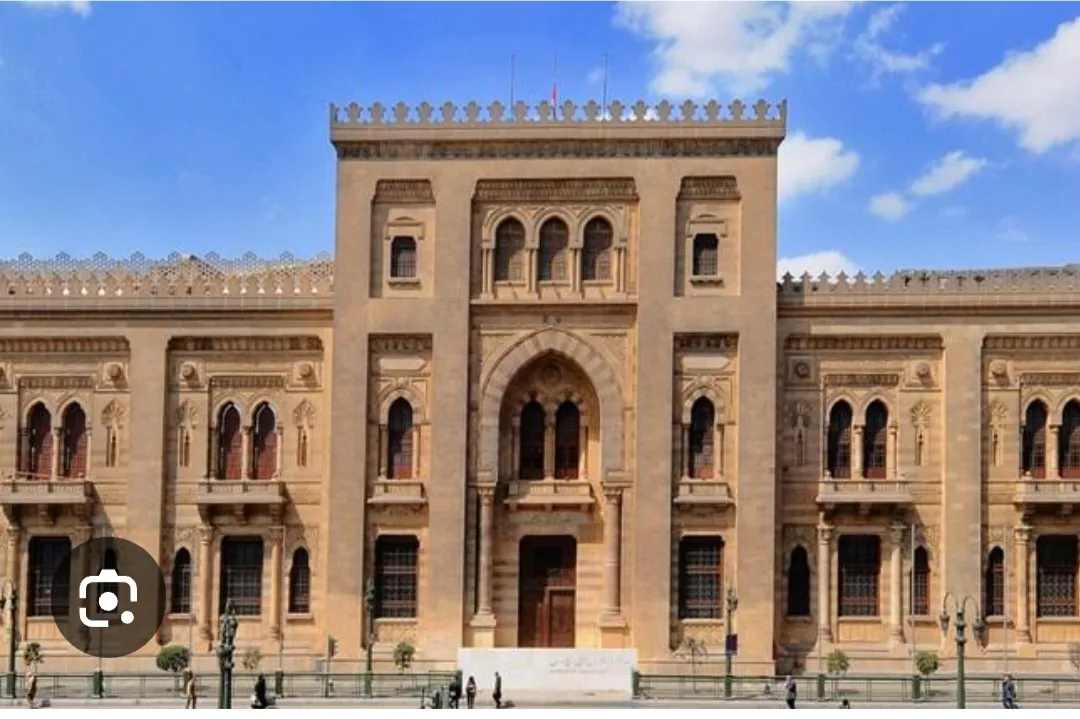
In central Cairo’s Bab Al-Khalq area, the Museum of Islamic Art brings together works from across the Islamic world. Its collection ranges from ceramics, textiles and carpets to metalwork, carved wood and rare manuscripts. Look for calligraphy and manuscripts on subjects such as medicine, engineering and astronomy, as well as objects from different periods and regions. The museum’s neo-Mamluk-style building is part of the visit, and clear labels in Arabic and English help you explore independently. Allow time to move through the displays at an unhurried pace.

A collection across regions and periods
Museum of Islamic Art in Cairo

The museum’s holdings include more than 100,000 objects, although only a selection is displayed at a time. The works span different periods of Islamic history and come from across the Islamic world. That breadth is visible in the range of materials: ceramics, glass, metal, textiles, carpets, carved wood, plaster and manuscripts all appear in the collection.

Displays are arranged to help visitors follow the objects and their historical settings. Arabic and English labels provide information as you go, so you can explore without joining a tour. If you want additional explanation, the museum has audio guides and guided tours.

Details to look for in the galleries
Museum of Islamic Art in Cairo

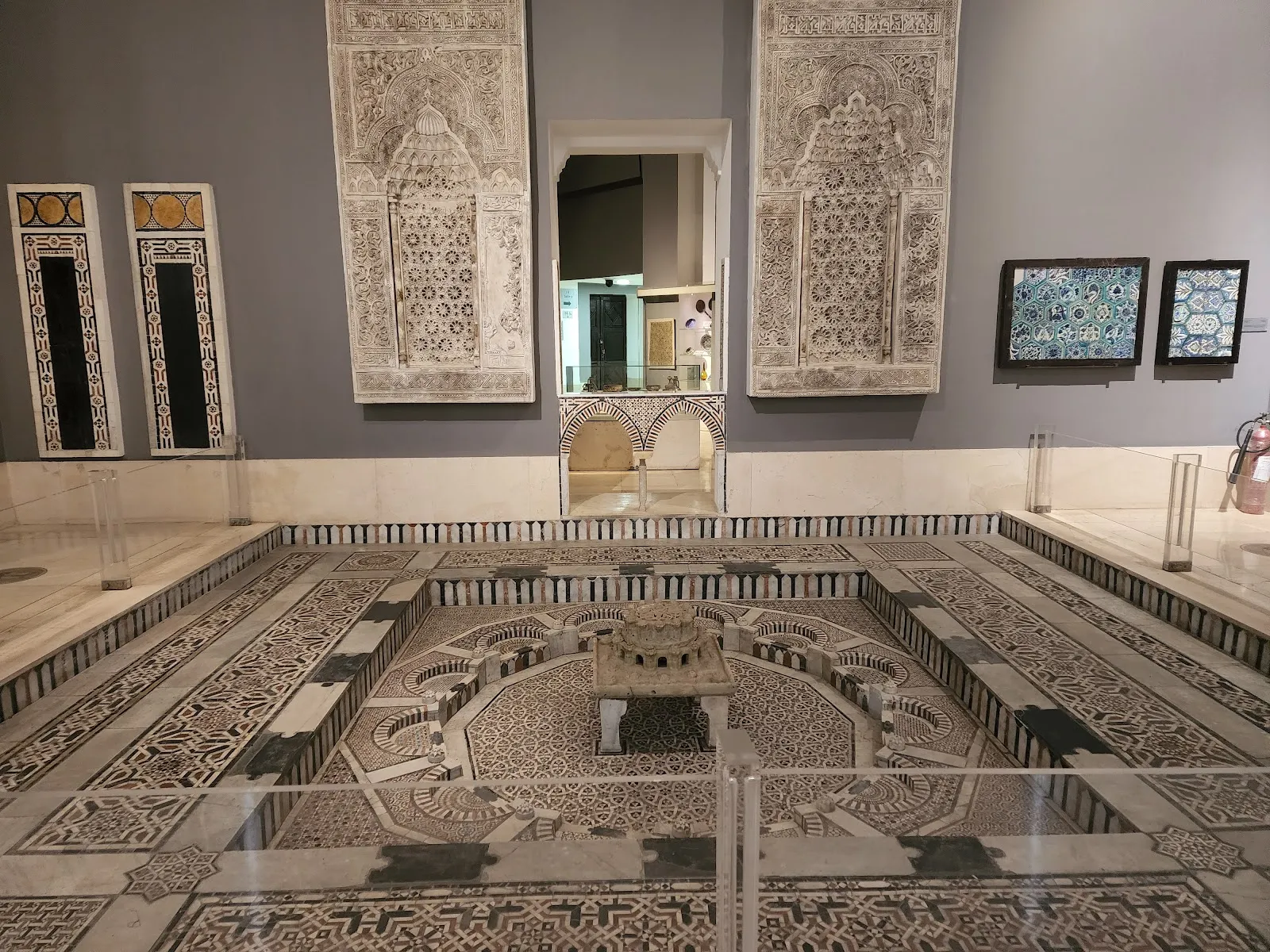
Pay attention to the variety of calligraphy and manuscript work. Some manuscripts address subjects beyond religious texts, including medicine, engineering and astronomy, offering a view of the scholarly work represented in the collection. Rare Quran manuscripts are among the objects on display.

The decorative arts reward a slower look. Textiles and carpets sit alongside ceramics and metalwork, while carved wooden pieces and plasterwork show other approaches to ornament and craft. Individual displays include objects such as astrolabes, mosque lamps, Ottoman ceramics and Mamluk copperwork. The mix makes it possible to compare materials and techniques as you move between sections.

The building and the visit

The museum stands in Cairo’s Bab Al-Khalq area, in a building designed in a neo-Mamluk style. Its architecture is a point of interest in its own right, and the orderly displays and labels make a self-guided visit practical. A courtyard provides an outdoor place to sit, and there is a small gift shop. The museum has accessible entry, an elevator and restrooms.

A visit of about two hours allows time to read labels and look closely at the displays. For more depth, choose a guided tour or use an audio guide. The museum is open daily, and advance tickets are recommended. Enter through the official entrance and check the rules on photography and video before taking pictures.

FAQ

How long should I plan for the Museum of Islamic Art in Cairo?

Plan for about two hours to explore the displays at a leisurely pace.

What can you see at the Museum of Islamic Art?

The displays include ceramics, textiles, carpets, metalwork, carved wood, calligraphy and manuscripts, including works on medicine, engineering and astronomy.

Are guided tours or audio guides available?

Yes. You can explore independently, use an audio guide or join a guided tour.

Is the museum accessible to wheelchair users?

The museum has a wheelchair-accessible entrance, elevator, restroom and parking.

Autres incontournables à Le Caire

Tout explorer