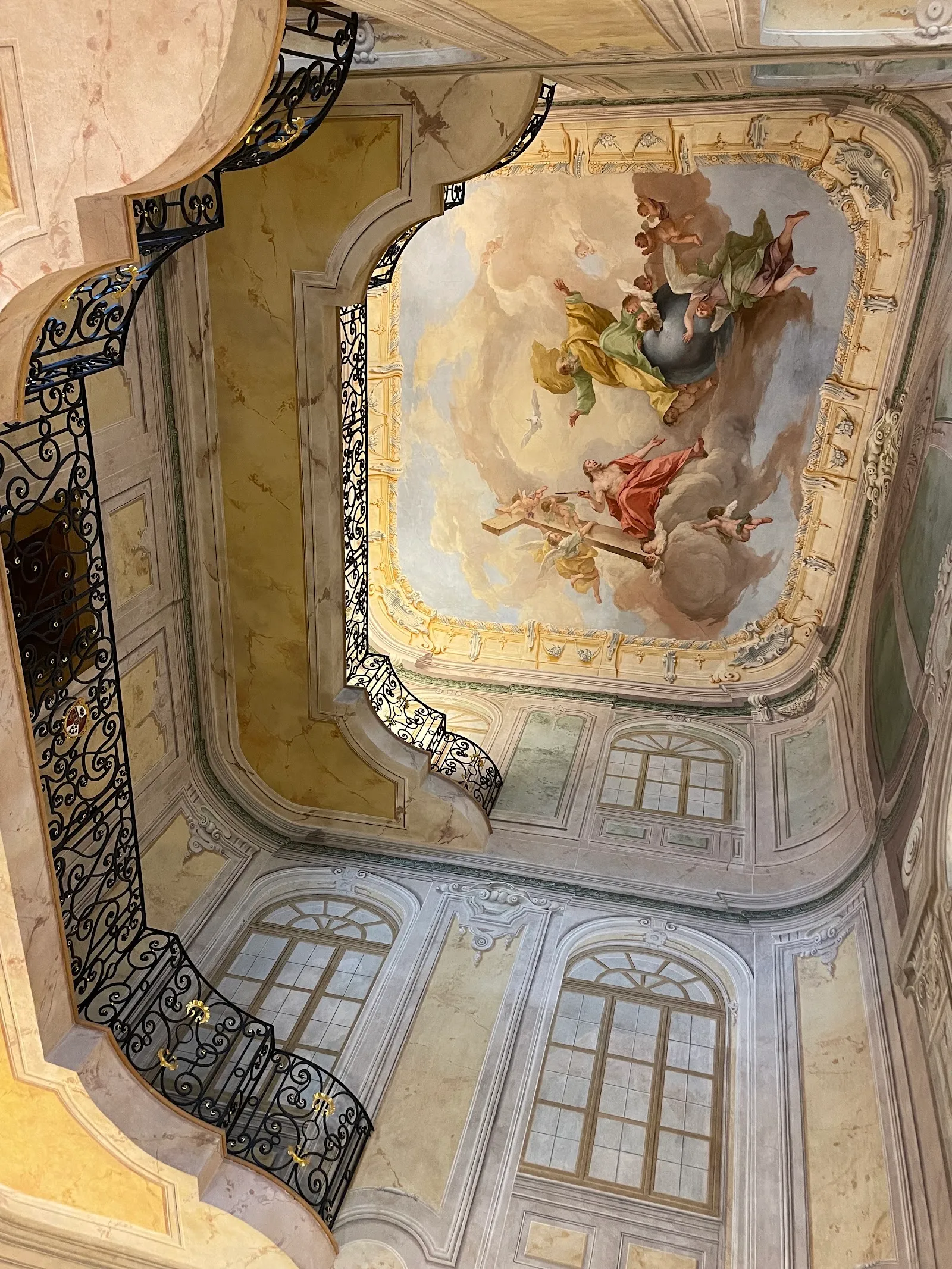
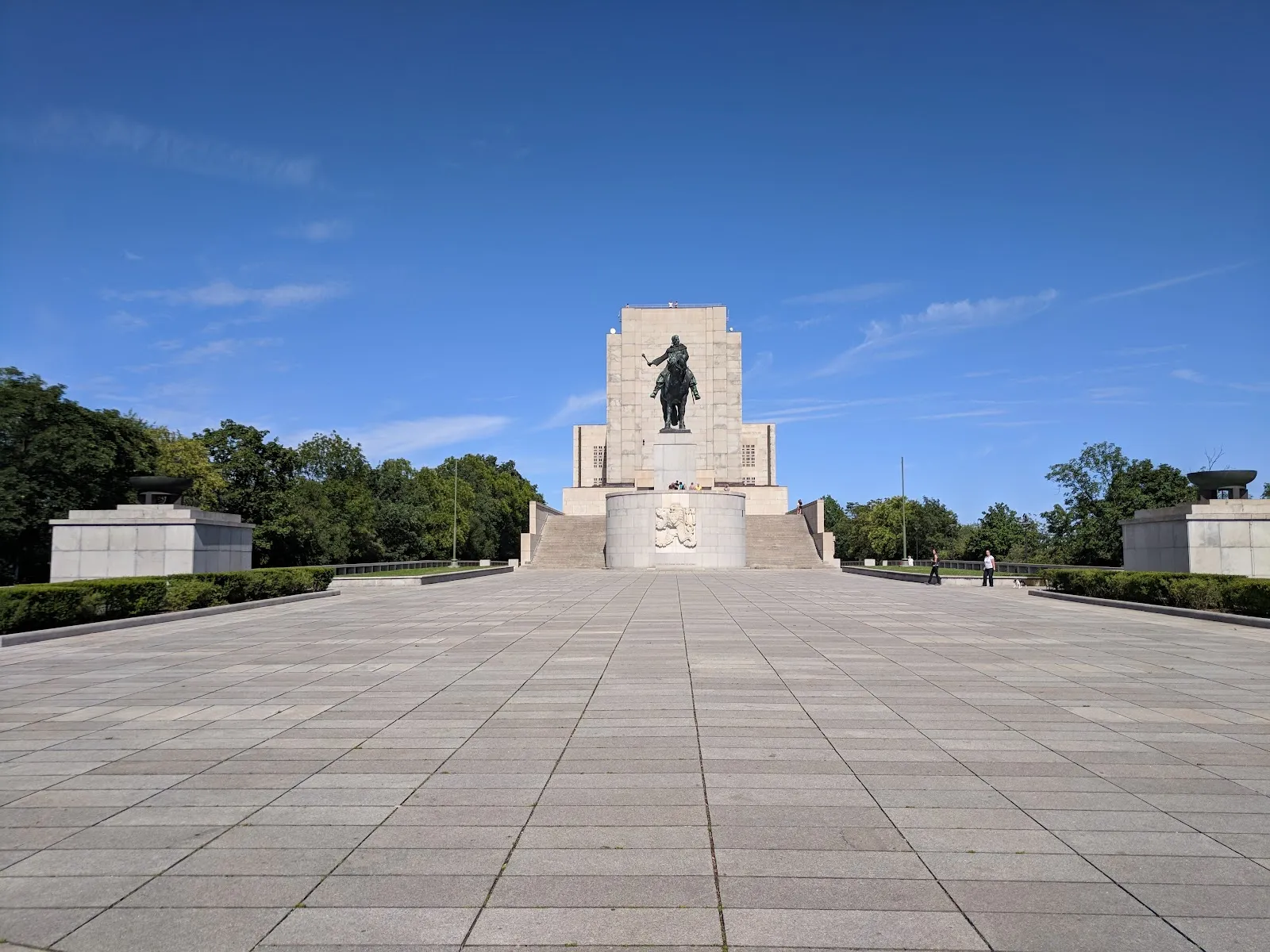
On Prague’s Vltava riverfront, the Rudolfinum brings together a neo-Renaissance concert venue and an art gallery. It is home to the Czech Philharmonic, whose performances take place in halls including the celebrated Dvořák Hall. The building also houses temporary international contemporary art exhibitions, so you can pair a gallery visit with a concert or simply admire the architecture from Jan Palach Square. A café inside makes it possible to pause for a drink or snack; check prices before ordering.
A concert hall with a gallery
The Rudolfinum stands on Jan Palach Square beside the Vltava, a short walk from Prague’s Old Town Square and Charles Bridge. Designed in the neo-Renaissance style by Josef Zítek and Josef Schulz, it was built between 1876 and 1884 and opened in 1885. Its name comes from Crown Prince Rudolf, who supported the project.
The building was conceived as a home for music and art. Today, it houses the Czech Philharmonic and Galerie Rudolfinum, which presents temporary contemporary art exhibitions. The concert programme includes performances by the orchestra as well as other musicians and ensembles.
Dvořák Hall and the other music rooms
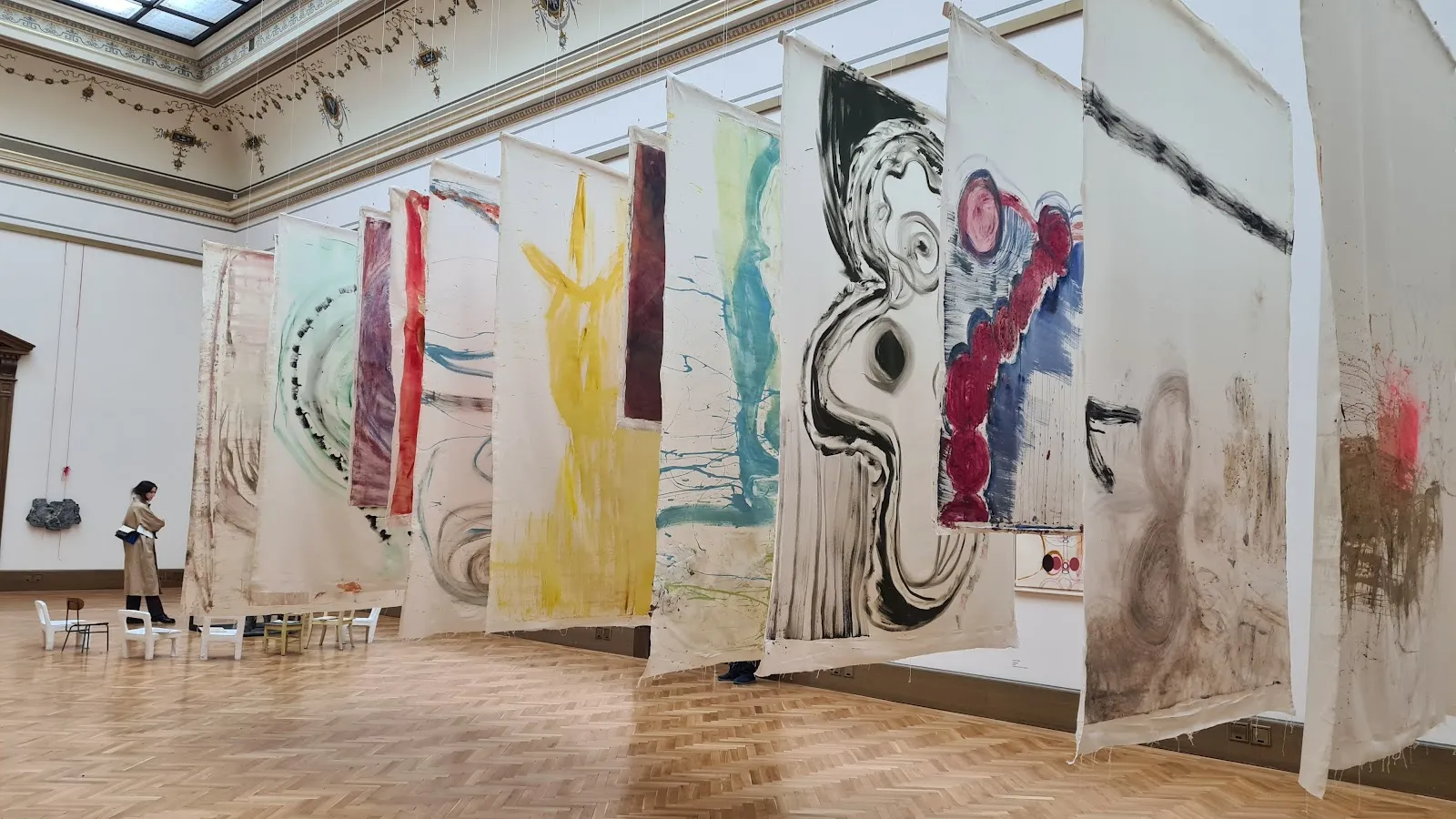
Dvořák Hall is the Rudolfinum’s best-known auditorium, named for Czech composer Antonín Dvořák. The Czech Philharmonic gave its first performance there in January 1896, with Dvořák conducting. The hall’s acoustics are a central reason to plan a concert visit, whether the programme features the Czech Philharmonic or international performers.
The complex has four music rooms. Alongside Dvořák Hall, Suk Hall is used for chamber music, including string quartets and piano recitals. The smaller, more intimate setting suits performances on a different scale from the main auditorium. Concerts also form part of the Prague Spring International Music Festival programme.
Art, architecture and a café stop
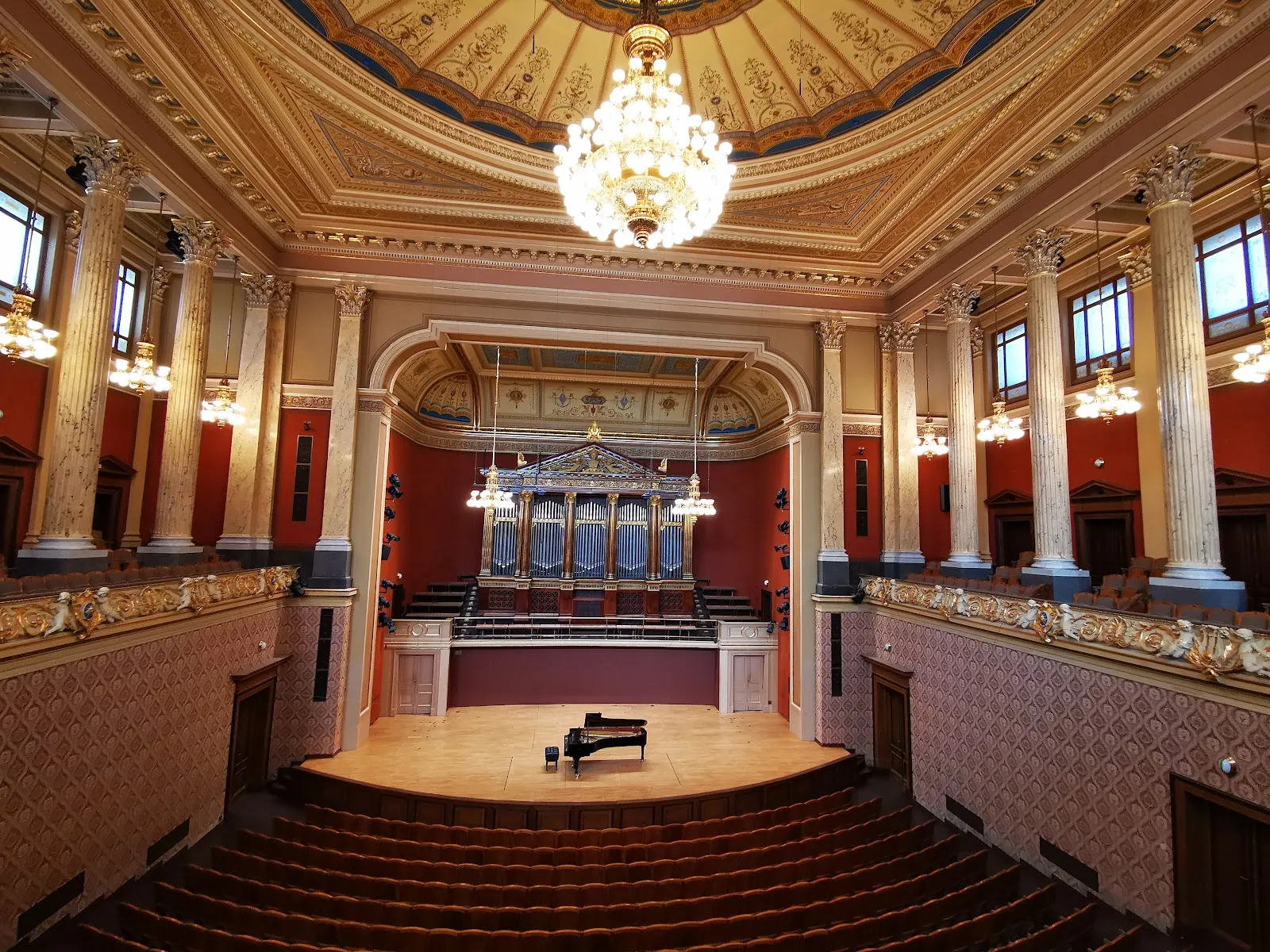
The gallery’s exhibitions change, with contemporary art from international artists among the work shown. If you are visiting for an exhibition, check the current programme before setting out. A small donation is one way to support the art on display.
The pale sandstone exterior and neo-Renaissance design make the building worth noticing even if you do not attend a performance. Inside, the concert halls add richly detailed rooms to the experience. The Rudolfinum has also served other civic purposes: it was used as the National Assembly between 1918 and 1938, and again from 1945 to 1946.
A café inside the building serves as a place to stop for a drink or snack. The entrance can be easy to miss: one account describes reaching it through a side entrance and the art gallery. Check prices before ordering. For a concert, book in advance where possible; some performances sell out well ahead of time. Seating has been described as tight, particularly during long performances, so factor that in when deciding whether a lengthy programme is right for you.
FAQ
What can you see at the Rudolfinum?
The building houses the Czech Philharmonic, several concert halls and Galerie Rudolfinum, which presents temporary contemporary art exhibitions.
Which orchestra performs at the Rudolfinum?
The Rudolfinum is home to the Czech Philharmonic. Concerts by other musicians and ensembles are also held there.
What is Dvořák Hall known for?
It is the Rudolfinum’s best-known concert hall and the venue for the Czech Philharmonic’s first performance in January 1896, conducted by Antonín Dvořák.
Should I book concert tickets in advance?
Yes. Some performances sell out well ahead of time, so booking in advance is recommended.