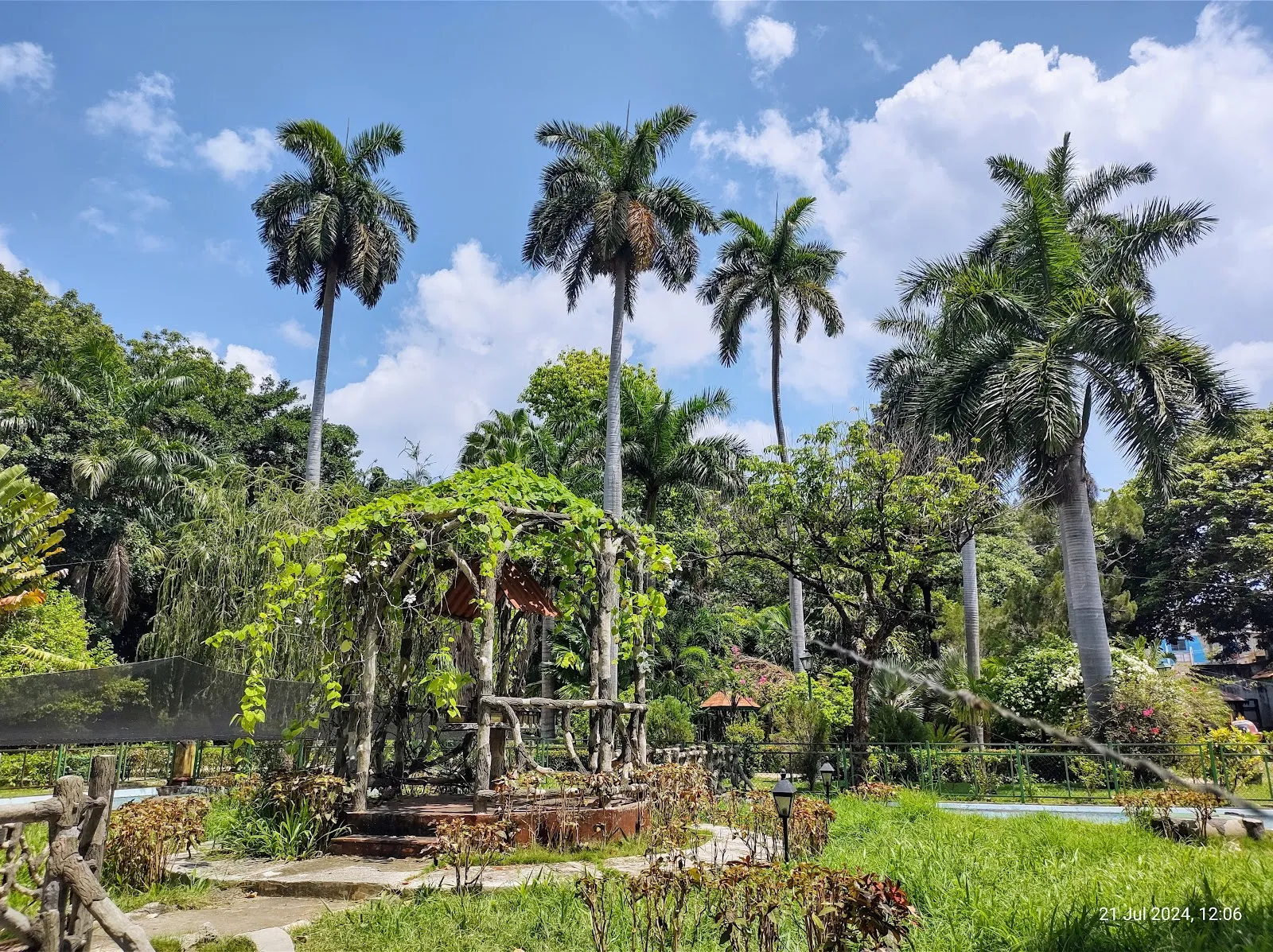
Quinta de los Molinos is a botanical garden and museum in Havana, set on grounds once used for water-powered mills that ground tobacco. Shaded paths lead through the greenery to a pavilion with an exhibition on the estate and Havana’s history. The butterfly conservatory, with flowering plants and butterflies, is a quieter stop within the garden. The estate’s history also includes a villa built in 1835 as a summer residence for Cuba’s Spanish governors. Conditions in some animal enclosures have raised welfare concerns, so consider those before visiting.
From tobacco mills to botanical garden
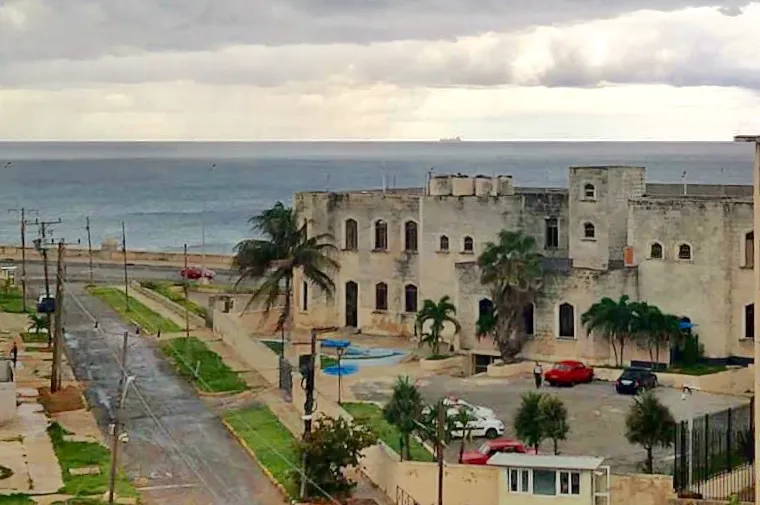
The name Quinta de los Molinos recalls the water-powered mills that once stood on the grounds. They processed tobacco to make snuff. After that industry declined in the 1820s, the land became a botanical garden.
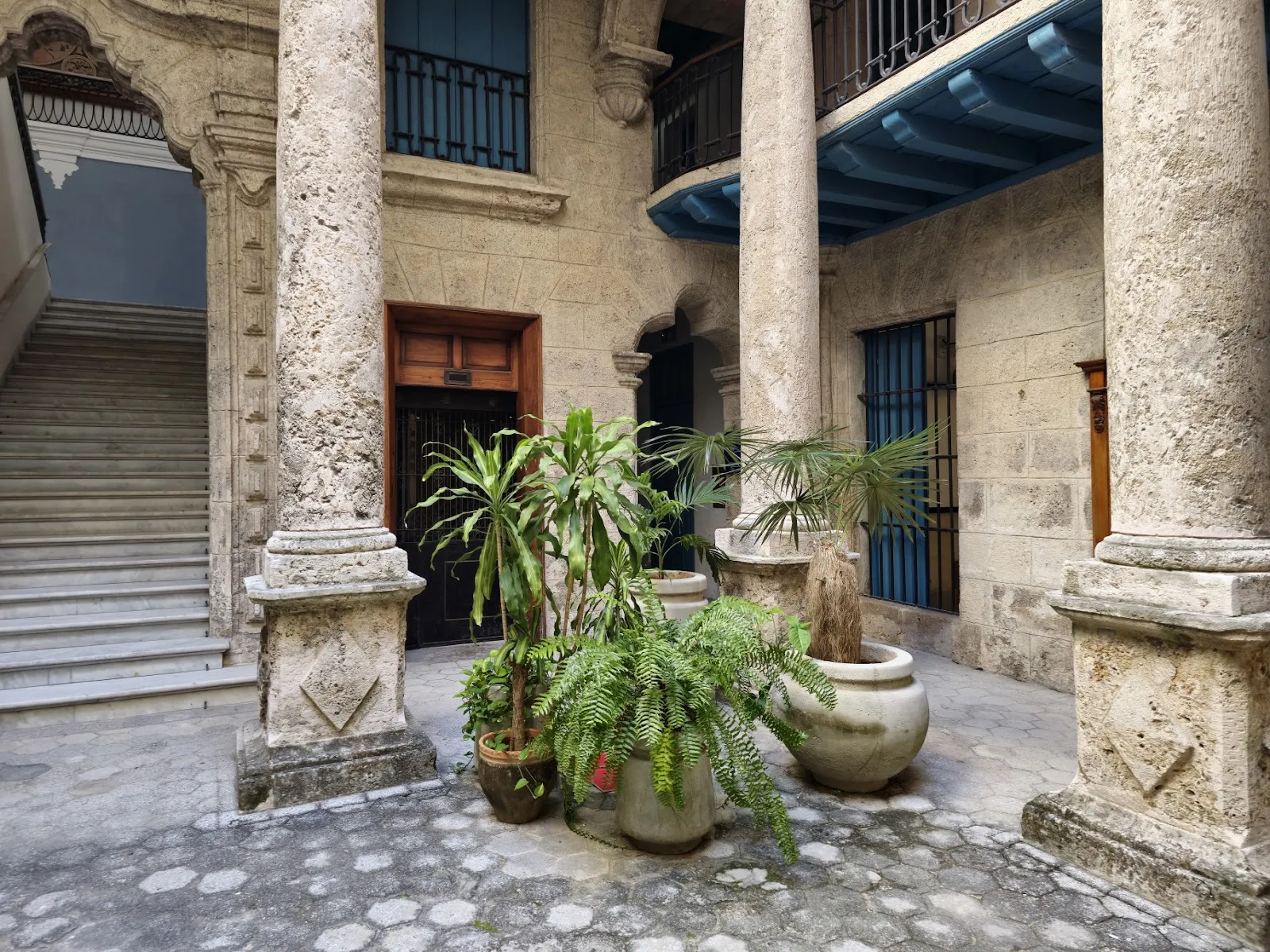
An eclectic villa was added in 1835 as a summer residence for Cuba’s Spanish governors. The estate later became associated with Máximo Gómez, a Cuban independence figure. Its changing uses give the garden a history beyond its plants and paths.
The garden and its exhibition
A path runs from the entrance toward a pavilion at the back of the grounds. The pavilion houses an exhibition about Quinta de los Molinos and Havana’s history, with old photographs among its displays. A guide or knowledgeable companion can help put the site’s history in context.
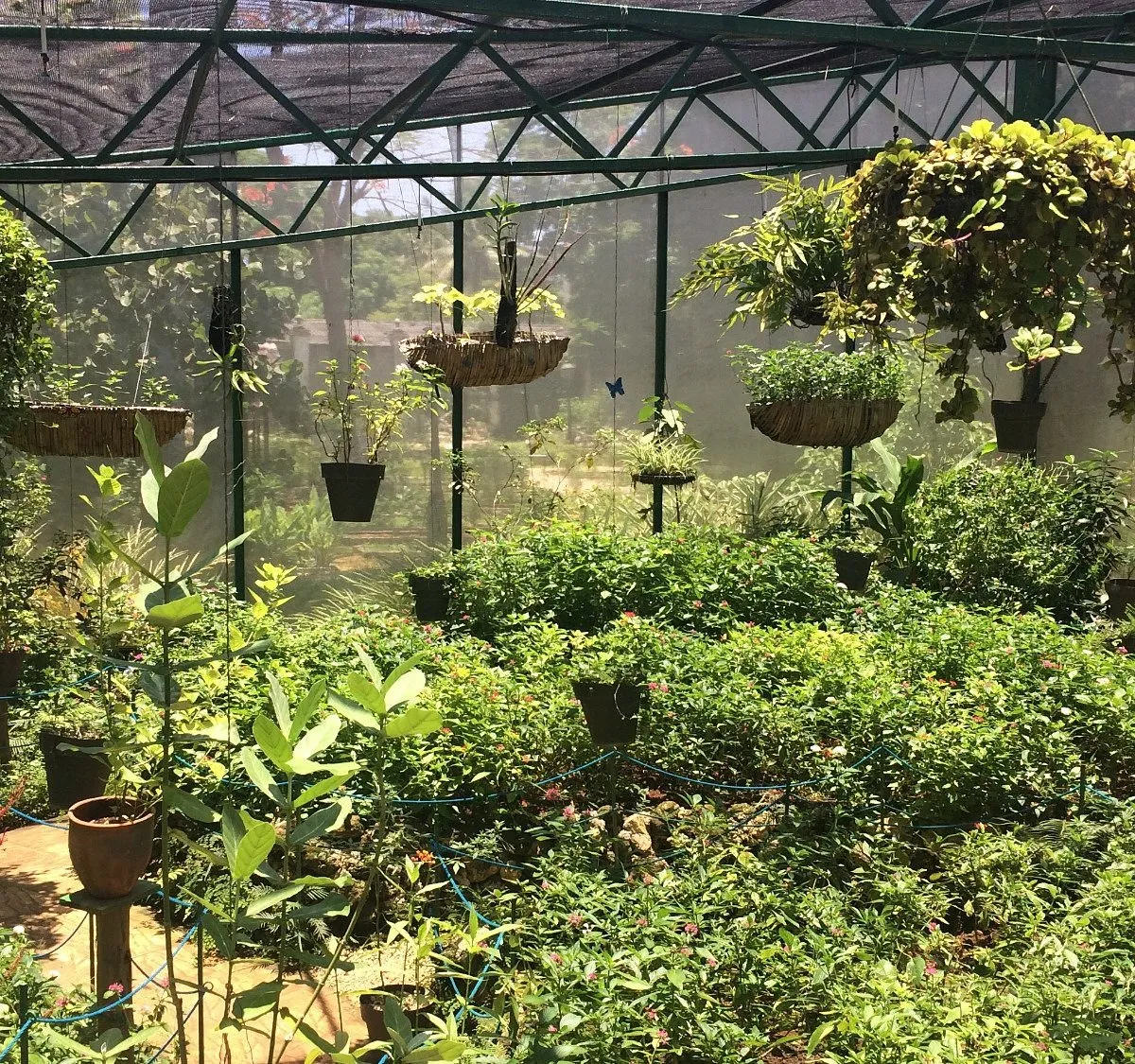
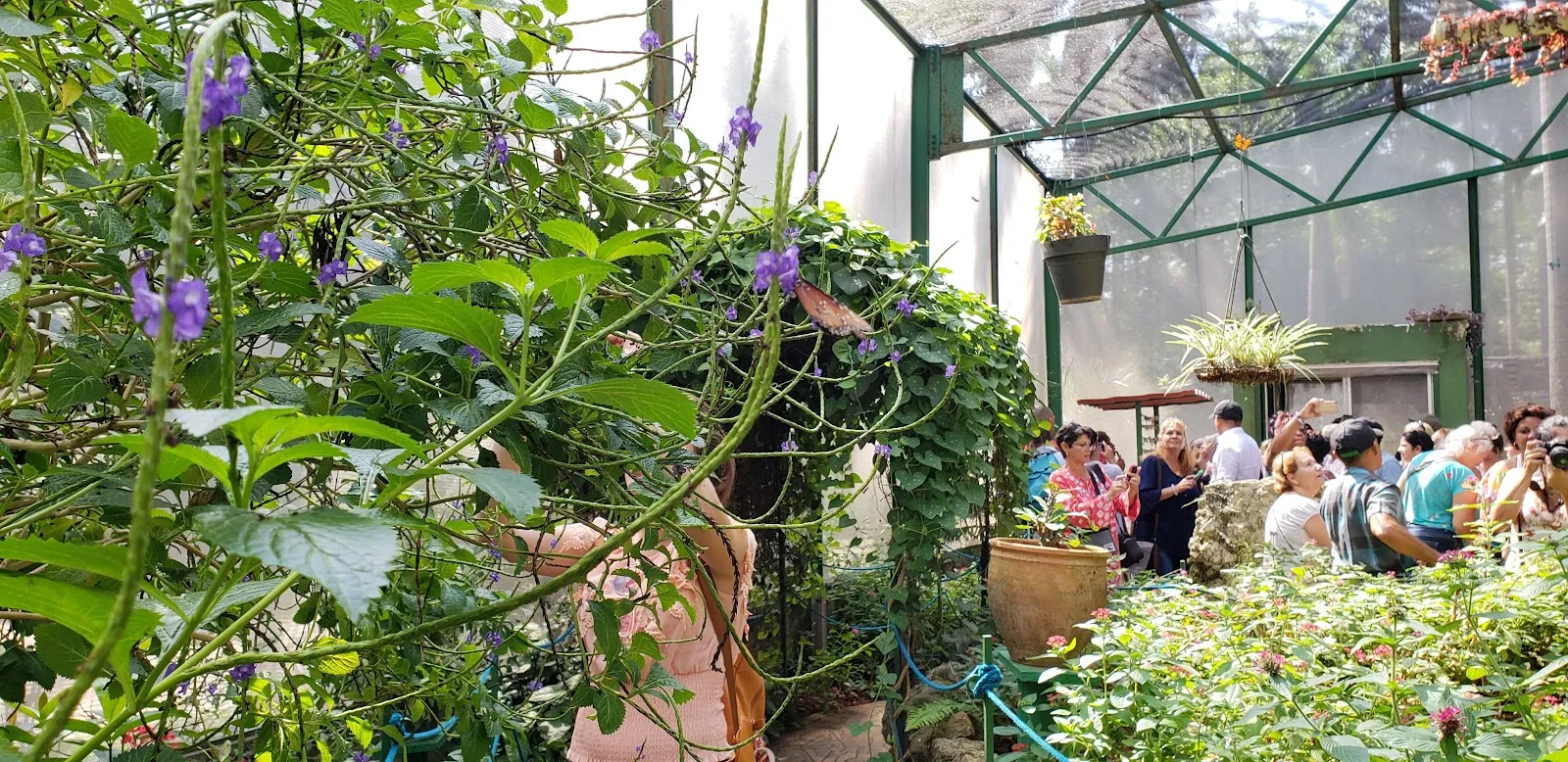
The butterfly conservatory has flowering plants and butterflies inside a netted enclosure. The grounds also contain bird enclosures, but conditions there have prompted animal welfare concerns. Take those concerns into account when deciding whether to visit.
FAQ
What can you see at Quinta de los Molinos?
The grounds include a botanical garden, a butterfly conservatory and a pavilion museum with an exhibition about the estate and Havana’s history.
What is the history of Quinta de los Molinos?
The site had water-powered mills used to grind tobacco for snuff. After the snuff industry declined in the 1820s, it became a botanical garden, and a villa was built there in 1835 as a summer residence for Cuba’s Spanish governors.
Should I consider animal welfare before visiting?
Yes. Conditions in some bird enclosures have raised concerns, so consider this when deciding whether to visit.