Zhihua Temple is a Ming-dynasty Buddhist temple at 5 Lumicang Hu Tong in Beijing’s Dongcheng district. Built in 1443, it is known for its surviving wooden buildings, painted decoration and Buddhist sculptures. Look for the Ten Thousand Buddhas Hall, where small Buddha figures sit in rows of wall niches, and listen for Jing Music, a tradition carried on through performances. English signs and a short documentary help explain the site. In spring, pear trees bloom in the temple grounds.
A temple built in 1443
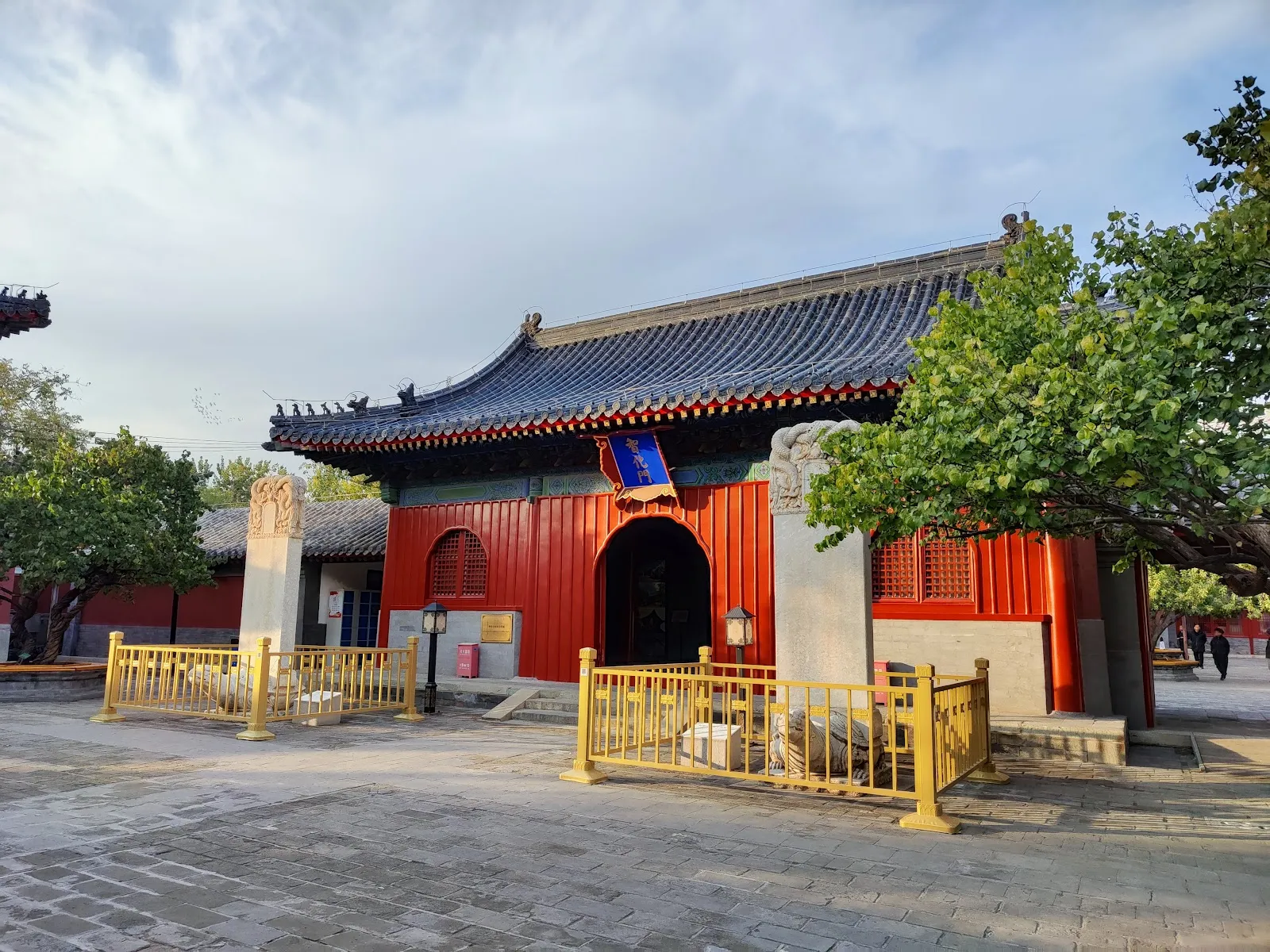
Zhihua Temple was established in 1443 at the request of Wang Zhen, a powerful eunuch in the Ming court. Its main buildings along the central axis have survived, making the temple one of Beijing’s best-preserved Ming wooden complexes.
The site has passed through periods of prosperity and war. Its surviving structures and Ming-era cultural objects give the visit a particular focus on the city’s religious and architectural history.
The hall and its music
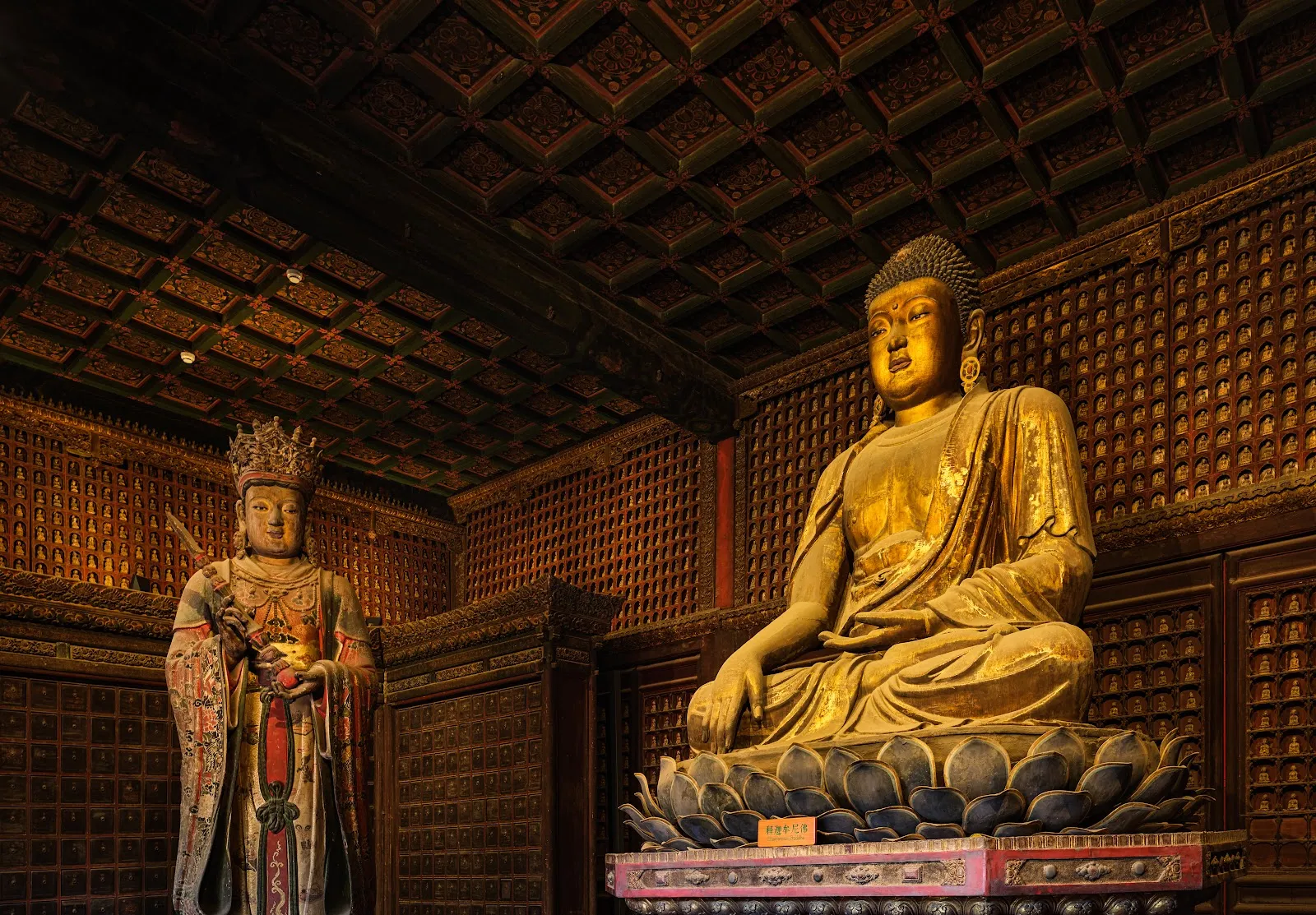
In Ten Thousand Buddhas Hall, small Buddha effigies occupy niches across the walls. The temple also preserves painted decoration and Buddhist statues from the Ming period.
Jing Music is performed here as a tradition passed down through generations. Classical music concerts are also held at around 3:00 PM. English signs and a documentary provide context, and guided tours run daily at 9:30 AM and 2:00 PM.
FAQ
When was Zhihua Temple built?
The temple was established in 1443 at the request of Wang Zhen, a Ming court eunuch.
What can you see inside Zhihua Temple?
See Ming-era wooden buildings, painted decoration and Buddhist statues. Ten Thousand Buddhas Hall has small Buddha figures set into wall niches.
When can you hear music at Zhihua Temple?
Jing Music performances are held at the temple, and classical music concerts take place around 3:00 PM.
When do the pear trees bloom?
The pear blossoms are in bloom from mid-March to early April.