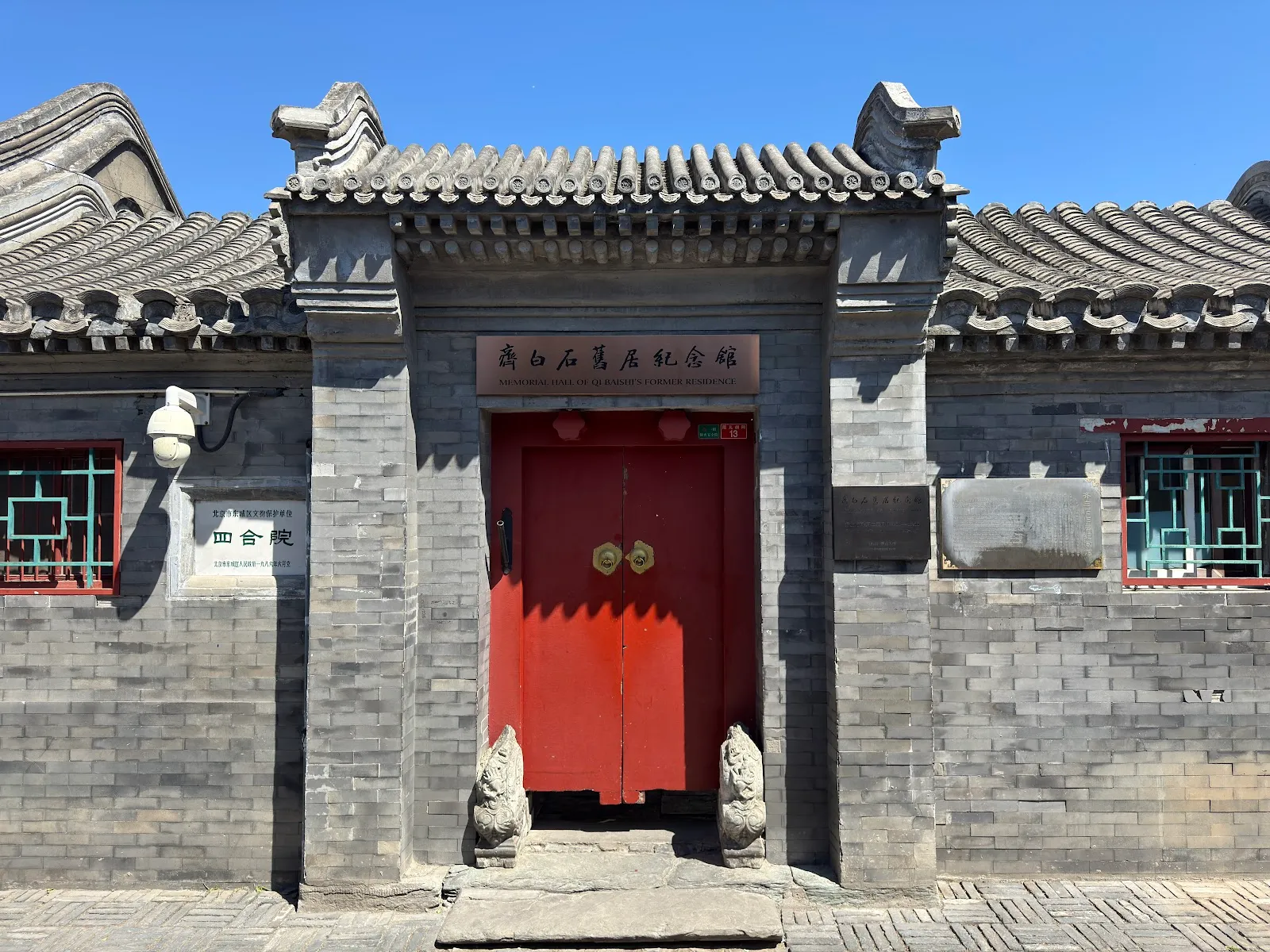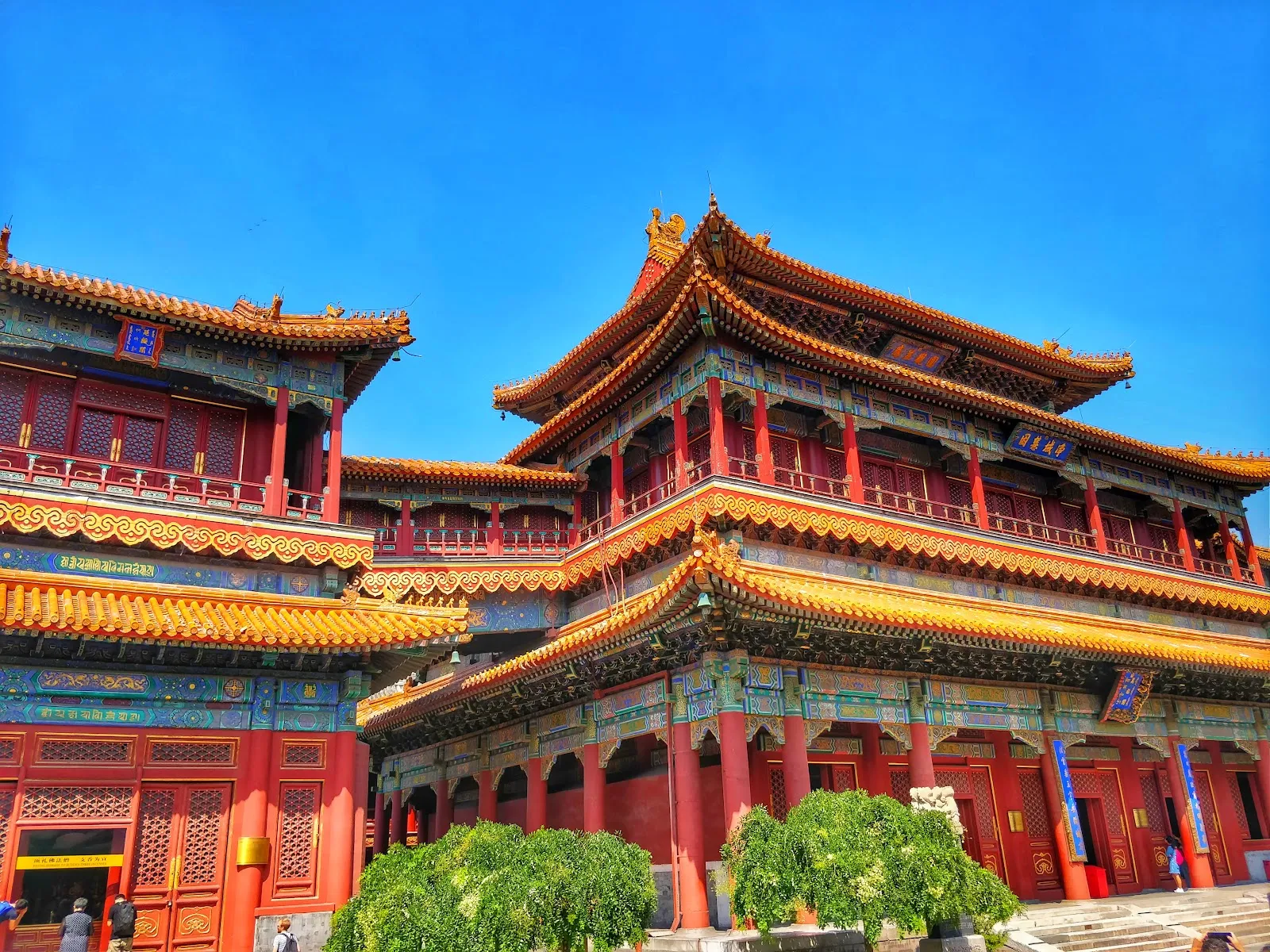
Lama Temple, also called Yonghe Temple, is an active Tibetan Buddhist monastery in Beijing’s Dongcheng district. Built in 1694 as a residence for Prince Yong, it became a monastery in 1744. Follow the courtyards and ornate halls to see painted woodwork, statues and other details that blend Chinese and Tibetan styles. The final hall holds the complex’s most famous sight: an 18-metre Maitreya Buddha carved from sandalwood. Worshippers pray and burn incense here, so take your time and move with respect.
From a prince’s residence to a monastery
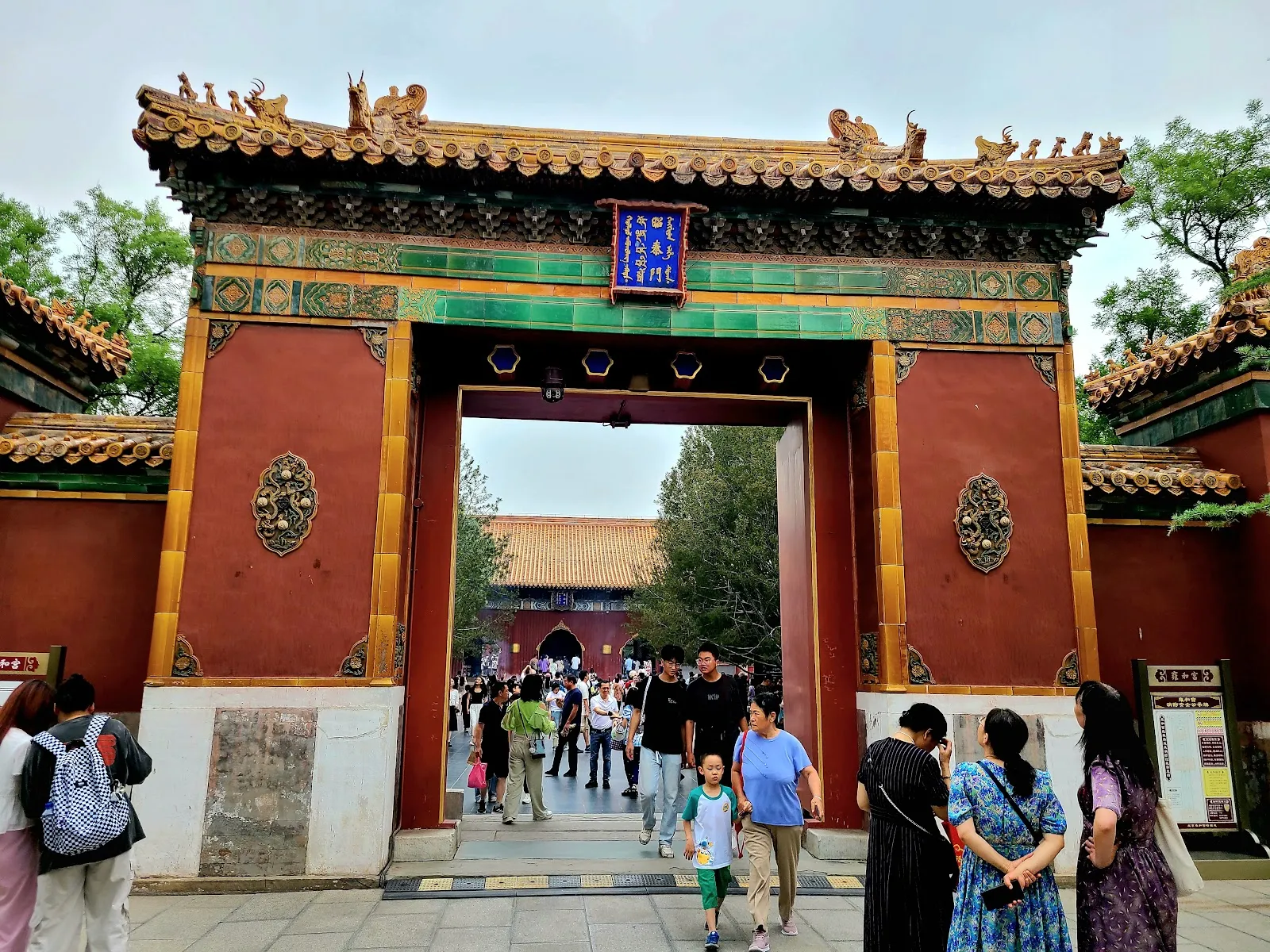
Lama Temple, or Yonghe Temple, began as a Qing Dynasty residence. Construction started in 1694 for Prince Yong, who later became the Yongzheng Emperor. In 1744, the complex was converted into a Tibetan Buddhist monastery. Its history as both an imperial residence and a religious site is visible in the palace-like layout and the continuing use of its halls for worship.
The monastery belongs to the Gelug school of Tibetan Buddhism and remains an active place of worship. Monks and local worshippers share the complex with visitors. Incense is part of the prayer rituals here; watch how others behave and give people space as they worship.
Halls, courtyards and carved detail
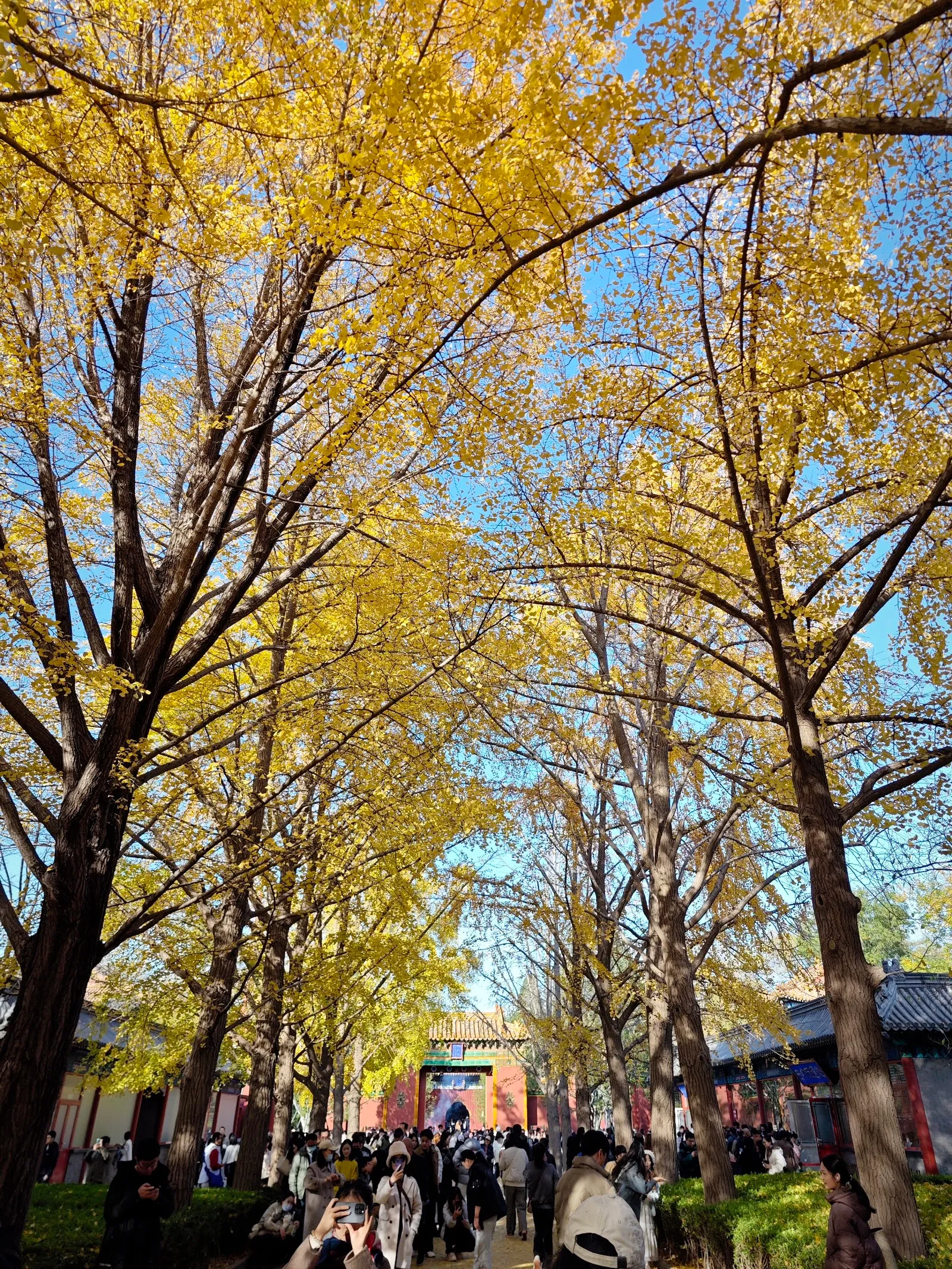
The complex unfolds along a central route through courtyards and halls, with the buildings becoming increasingly elaborate as you continue. Red walls, yellow roof tiles and painted woodwork give the site a strong visual character. Look closely at the carved details, decorative interiors and Buddhist statues as you move between buildings.
The architecture brings together Chinese and Tibetan influences. Rather than treating the temple as a single monument, allow time to notice how its different halls and pavilions shape the visit. English signs provide some context, though they may be brief. A guide or some advance reading can help explain more of what you see.
The Maitreya Buddha
The final hall is home to the temple’s best-known work: an 18-metre statue of Maitreya Buddha carved from sandalwood. Its scale makes it an arresting close to the route through the complex. The statue is carved from a single piece of wood, so take time to look at its form and the surrounding hall rather than passing through quickly.
The temple is also associated with other carved and crafted works, including a carved nanmu wood façade and a collection of gold, silver and copper objects. The Buddha remains the main focus for many visitors, but the variety of artworks helps show the care given to the monastery’s interiors.
Planning a respectful visit
An early visit can mean a calmer walk through the courtyards and more room to take photographs. The complex can be crowded, particularly on weekends and auspicious dates when people come to pray. Tickets in advance are recommended. The temple is close to Yonghegong station on metro Lines 2 and 5.
Follow the route through the site and stay aware of worshippers in each hall. Incense is available for prayer, but the temple is first and foremost a religious place. After your visit, the hutong lanes nearby make a natural extension to a day in the area.
FAQ
How long do you need at Lama Temple?
Allow one to two hours to explore the halls and courtyards. A shorter visit is possible if you are pressed for time.
What is the main thing to see at Lama Temple?
The final hall contains an 18-metre Maitreya Buddha carved from sandalwood.
When is the best time to visit Lama Temple?
Go early in the morning for a quieter visit. The temple can be crowded on weekends and auspicious dates.
Is Lama Temple an active place of worship?
Yes. People come here to pray and burn incense. Be considerate around worshippers and follow the temple’s etiquette.
How do you get to Lama Temple?
Yonghegong station, served by metro Lines 2 and 5, is close to the temple.