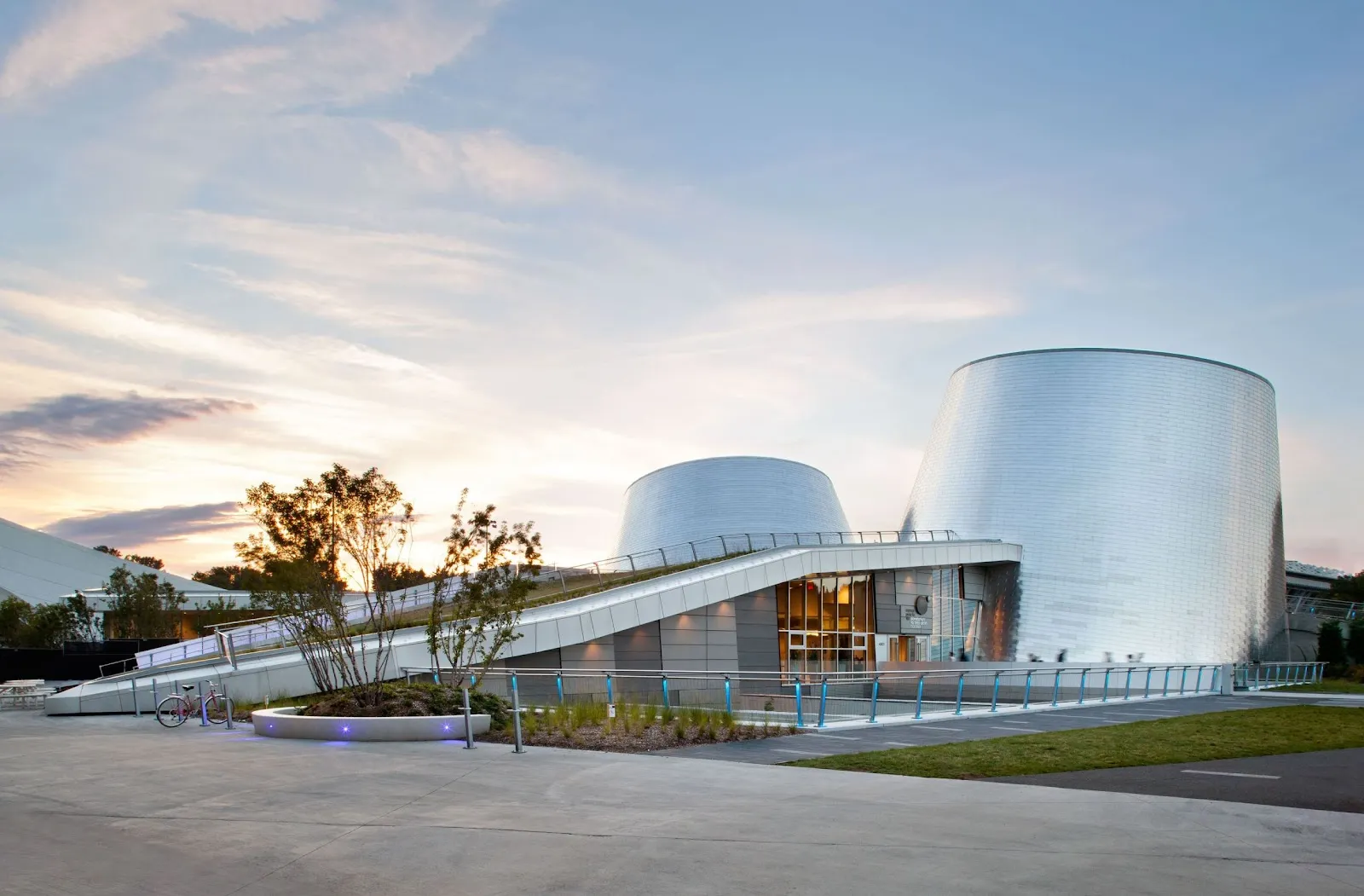
Cartier-Brébeuf National Historic Site is a riverside park on the Saint-Charles River in Québec City, commemorating Jacques Cartier’s winter camp in 1535 and 1536. Walking and cycling trails follow the river, with lawns, trees, picnic tables, sculptures and monuments along the way. The site also recalls the arrival of Jesuits in 1625 and the meeting of European and Indigenous cultures. Stop at the interpretive centre to explore its displays, or take a break outdoors with views toward the city.
Cartier’s winter camp and the site’s history
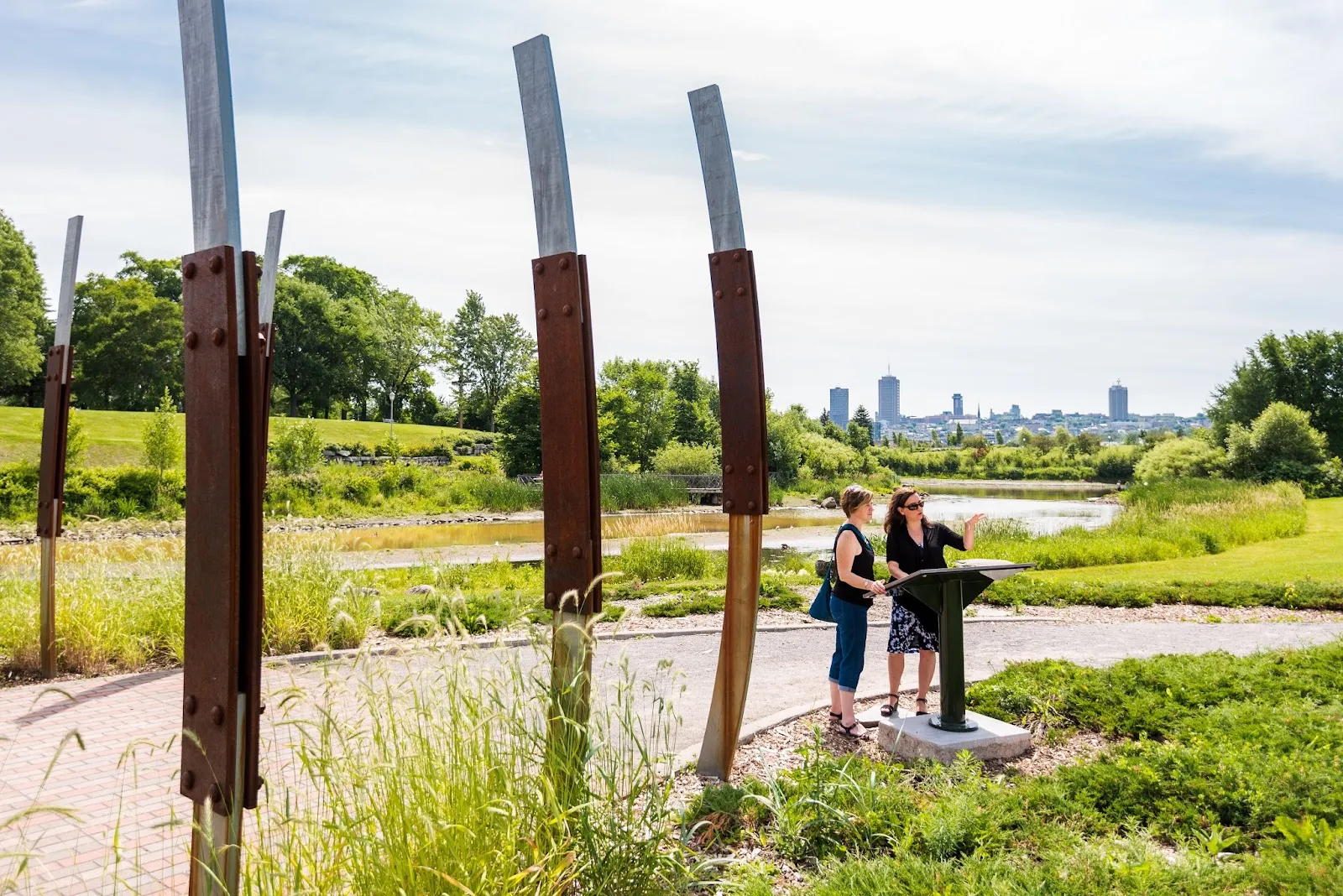
The site commemorates the winter of 1535 and 1536, when Jacques Cartier and his crew stayed near the village that would become Québec City. It also recalls the arrival of Jesuits in 1625, including Jean de Brébeuf. The location marks an encounter between European and Indigenous cultures.
Cartier-Brébeuf was designated a National Historic Site in 1958. Today, the historic setting sits within an urban park beside the Saint-Charles River.
Displays and riverside paths
At the interpretive centre, interactive displays introduce the history of Cartier’s stay. Guided tours are another way to learn about the site; ask at the centre about what is available during your visit.
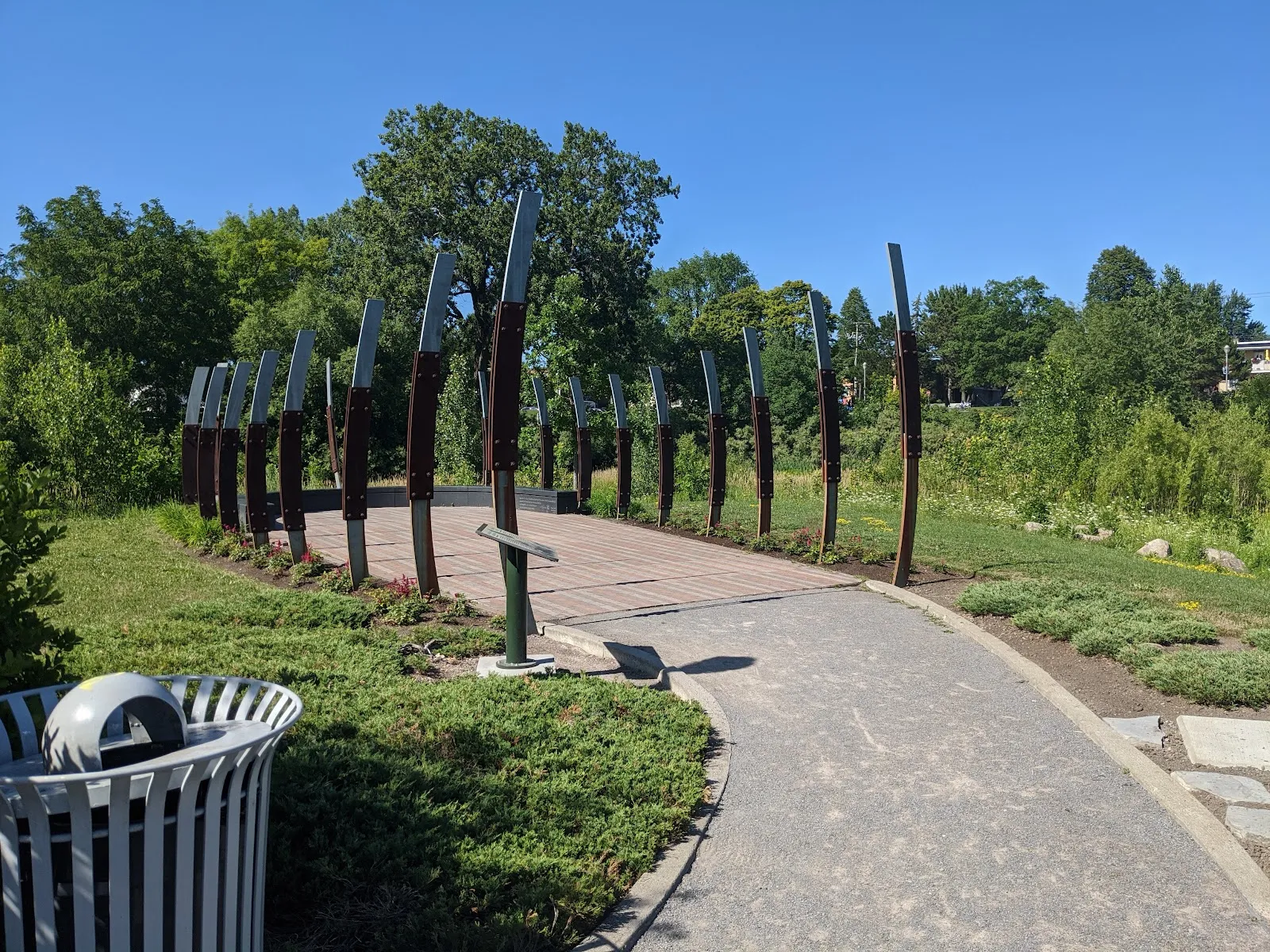
Outside, walking and cycling routes run beside the river. The park has open fields, trees, benches, picnic tables, sculptures and monuments. July and August bring art exhibitions along the bike path. Families can also make use of the playground and splash pad.
FAQ
What does Cartier-Brébeuf National Historic Site commemorate?
It commemorates Jacques Cartier and his crew wintering near Québec City in 1535 and 1536. The site also recalls the arrival of Jesuits in 1625.
Can you walk or cycle at Cartier-Brébeuf?
Yes. Walking and cycling trails run through the park beside the Saint-Charles River.
Is there anything for children at the site?
The park has a playground and splash pad, as well as space to walk and picnic.
Is the site accessible?
The entrance, restrooms and parking are listed as wheelchair accessible.