The McCord Stewart Museum explores Montréal’s social history through photography, clothing, textiles, art and objects connected with the city and Canada. It is at 690 Sherbrooke Street West, across from McGill University in downtown Montréal. Exhibitions bring historical material together with present-day stories, including displays on First Nations and Inuit cultures, and changing shows on subjects such as fashion and neighbourhood life. Families can use activities designed for children, and guided tours add context to the collections. Plan for about two hours, or choose a shorter visit around one exhibition.
A museum of Montréal’s everyday history
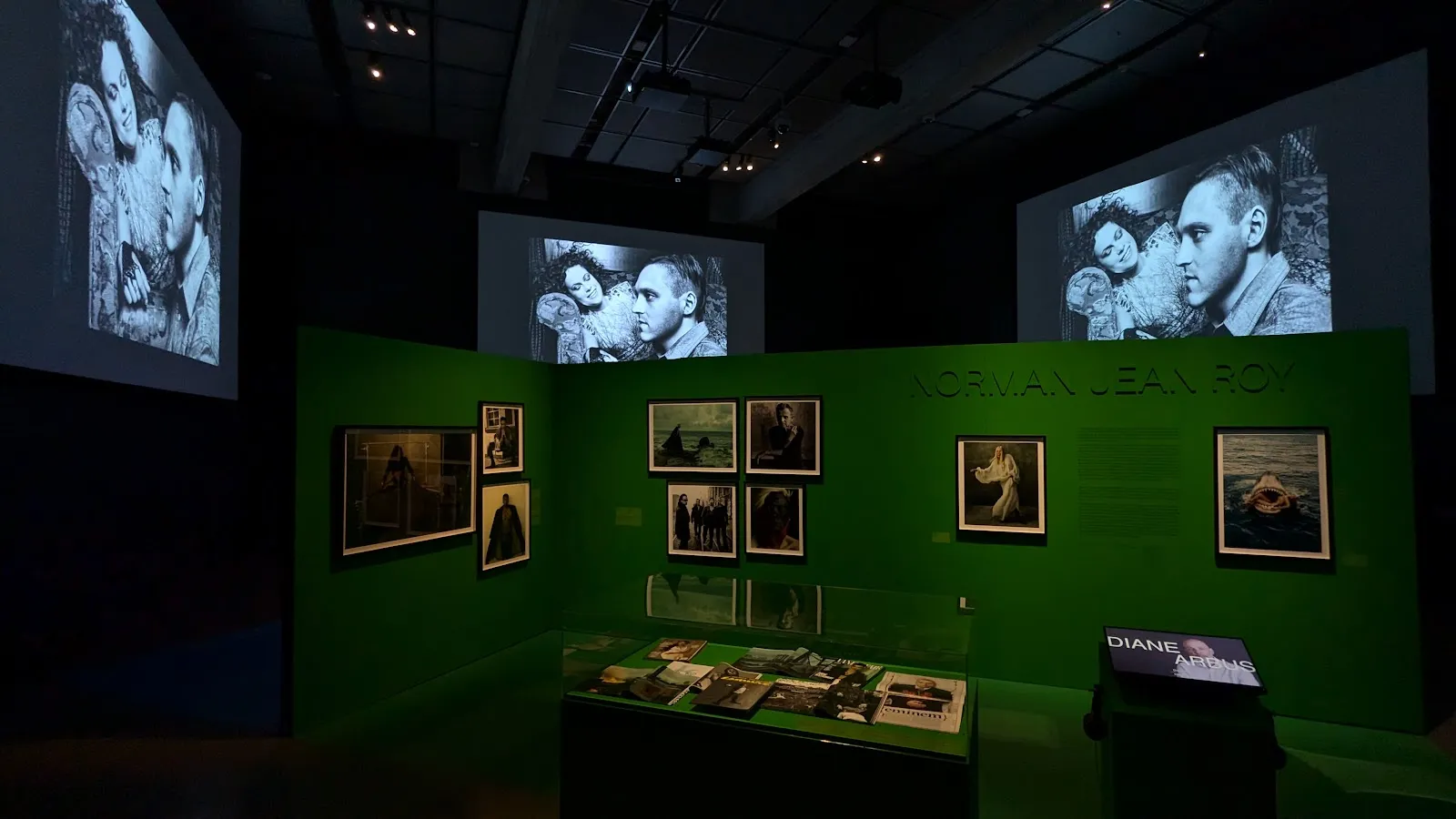
The McCord Stewart Museum focuses on the social history of Montréal and Canada. Its collections bring together photography, costumes and textiles, decorative arts, paintings, documents and objects from daily life. The range lets you look at how people lived and how the city changed, as well as at the clothes, images and material culture they left behind.
The museum was founded in 1921 around David Ross McCord’s collection of Canadian and Montréal history. That original interest in the city remains central to its work. Exhibitions address subjects including fashion, photography, neighbourhoods and the lives of the communities that have shaped Montréal. The museum’s programme changes, so check what is on display when planning your visit.
Indigenous histories and perspectives
The museum’s collections include garments, textiles, artworks and other objects connected with First Nations and Inuit cultures. Exhibitions give space to Indigenous histories and perspectives, including how clothing and material culture can express identity. Some displays also address the experiences and knowledge of Indigenous peoples today.
These exhibitions are a reason to take your time with the interpretation as well as the objects. Guided tours can provide additional context on Indigenous history and Canadian identity. If this is your main reason for visiting, check the current exhibition information in advance so you can confirm what is on view.
Photography, clothing and changing exhibitions
Photography is a major part of the museum’s work. The collection documents Montréal across different periods, while exhibitions have used photographs to explore the city’s streets, public life and changing neighbourhoods. The museum also presents fashion and textile displays, from historical dress to exhibitions centred on designers and costume traditions.
Past exhibitions have included elaborate outfits worn for costume balls and skating carnivals, as well as displays focused on Montréal neighbourhoods. These examples show the range of the programme, but they are not a guarantee of what will be showing during your visit. Look up the current exhibitions before choosing how much time to set aside.
Planning a visit
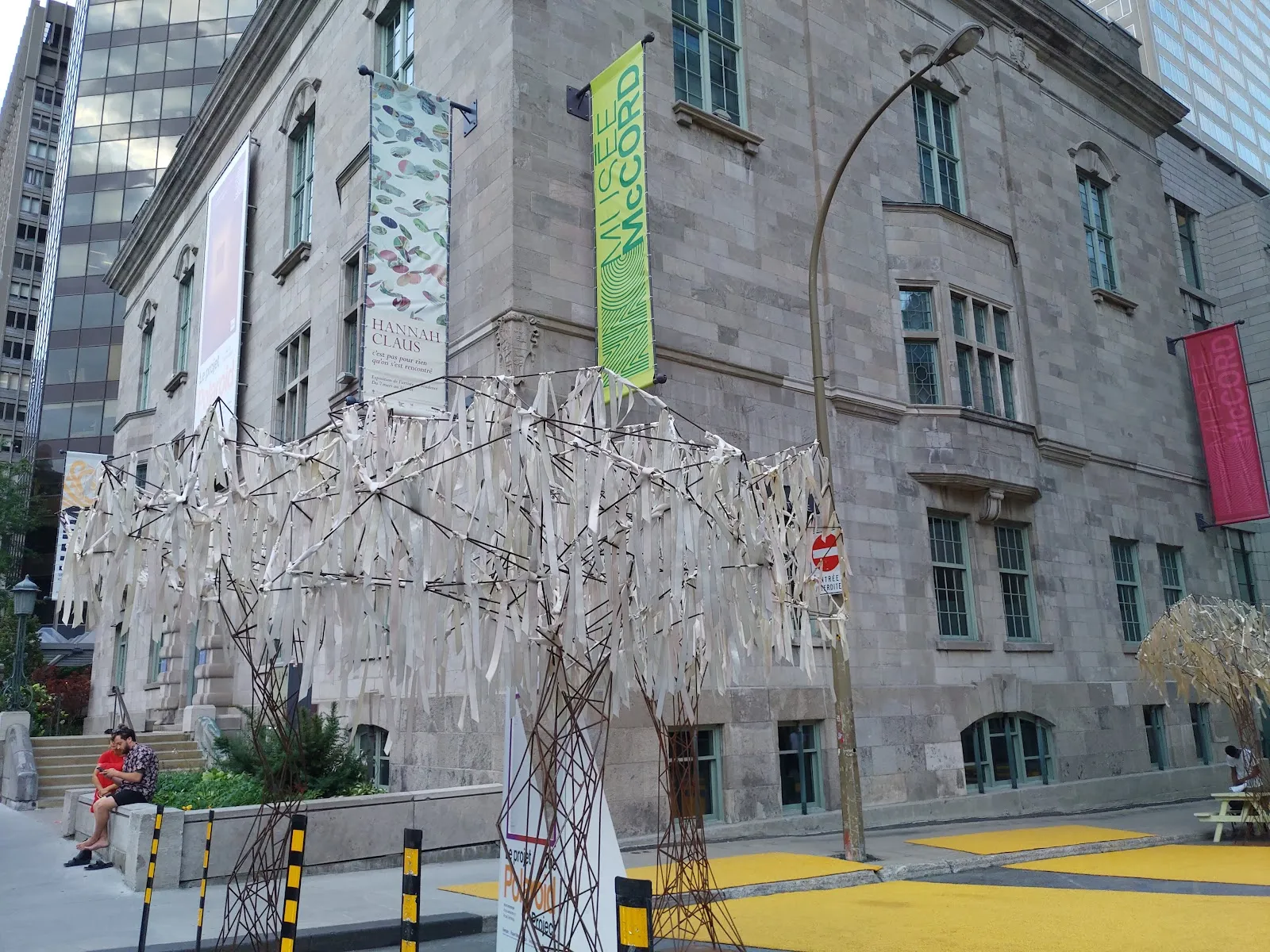
The museum is at 690 Sherbrooke Street West, across from McGill University in downtown Montréal. A visit of about two hours is a useful starting point, though you can spend less time if you focus on a single exhibition. Guided tours are available, and family activities give children another way to engage with the displays.
Online ticket booking comes with a small admission discount. The museum also has free admission on Wednesday evenings and on the first Sunday of each month. Check the museum’s website for current ticket details and exhibition information before setting out. The gift shop sells items related to the collections.
FAQ
How long do you need at the McCord Stewart Museum?
About two hours is a useful estimate for touring the museum. A shorter visit can work if you focus on one exhibition.
When is admission free?
Admission is free on Wednesday evenings and the first Sunday of each month.
What can you see at the museum?
Exhibitions explore Montréal and Canadian social history through photography, clothing, textiles, art and historical objects. Displays include First Nations and Inuit material, and the programme changes over time.
Is the museum suitable for children?
Yes. The museum has family activities and displays designed to engage children.