Planifier un voyage
Langue: Français
Planificateur de voyagePlanifiez votre voyage sur une carte

Destinations incontournables

EnglishDeutschFrançaisEspañolPortuguêsPortuguês (BR)Italiano
Avis aux voyageurs · BrésilSão Paulo se trouve dans ou près d'une zone où les gouvernements déconseillent tout voyage sauf essentiel : Favelas.Les conseils dépendent de votre passeport. Consultez ceux de votre propre gouvernement avant de réserver.Conseils officiels
Zones signalées
  • Ceilândia · éviter les voyages non essentiels · Italie, États-Unis
  • Favelas · éviter les voyages non essentiels · Allemagne, Espagne, Nouvelle-Zélande, États-Unis
  • Paranoá · éviter les voyages non essentiels · Italie, États-Unis
  • Santa Maria · éviter les voyages non essentiels · Italie, États-Unis
  • São Sebastião · éviter les voyages non essentiels · Italie, États-Unis
  • Zone frontalière avec le Venezuela · éviter les voyages non essentiels · Allemagne, France

Également signalé par un seul gouvernement : Bande de 160 km le long des frontières terrestres du Brésil (États-Unis), Complexo da Maré (Canada), Complexo da Penha (Canada), Bande de 20 km le long de la frontière bolivienne (hors parc national du Pantanal) (Canada), Bande de 20 km le long de la frontière colombienne (Canada), Bande de 20 km le long de la frontière avec la Guyane française (Canada), Bande de 20 km le long de la frontière avec le Guyana (Canada), Bande de 20 km le long de la frontière paraguayenne (Canada), Bande de 20 km le long de la frontière péruvienne (Canada), Bande de 20 km le long de la frontière avec le Suriname (Canada), Bande de 50 km le long de la frontière vénézuélienne (Canada), Rio Amazonas et affluents, État d'Amazonas (entre Codajás et Belém do Solimões) (Royaume-Uni), Zones frontalières (non précisées) (France), Parc national de Chapada Diamantina (Trilha do 21) (Espagne), Planaltina (Italie), Samambaia (Italie)

GouvernementConseilsMis à jourLire les conseils
Royaume-Uni (FCDO)No advice against the whole country (regional advisories)–Lire les conseils
États-Unis (State Dept)Exercise increased caution (regional advisories)31 août 2026Lire les conseils
Canada (Affaires mondiales)Exercise a high degree of caution (regional advisories)–Lire les conseils
Allemagne (Auswärtiges Amt)No advice against the whole country (regional advisories)27 oct. 2026Lire les conseils
Nouvelle-Zélande (SafeTravel)Exercise increased caution due to high crime rates (regional advisories)–Lire les conseils
France (ministère de l'Europe et des Affaires étrangères)Vigilance renforcée (pays à risque) (regional advisories)–Lire les conseils

Vérifié quotidiennement d'après les conseils publiés par les gouvernements ; dernière vérification le 3 nov. 2026.RoamLedger résume les conseils officiels ; il ne s'agit pas de conseils émanant d'un gouvernement.

Instituto Tomie Ohtake
Monument emblématique

Instituto Tomie Ohtake

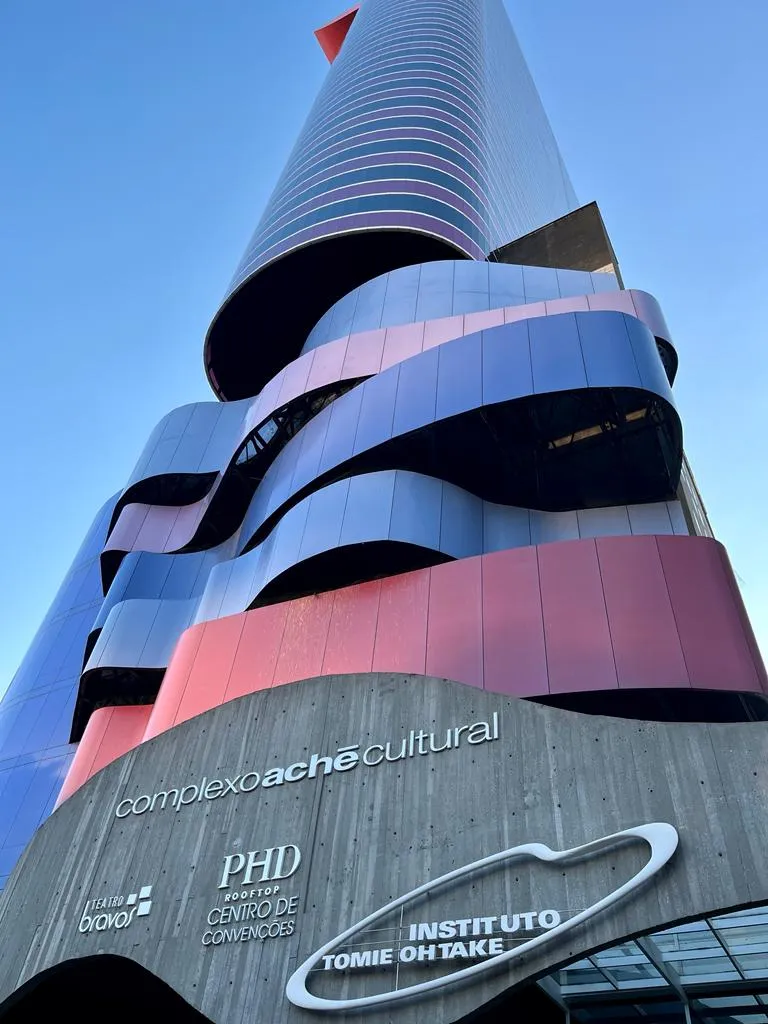
Instituto Tomie Ohtake is a contemporary art center in Pinheiros, São Paulo, known for exhibitions by Brazilian and international artists and a striking building by architect Ruy Ohtake.

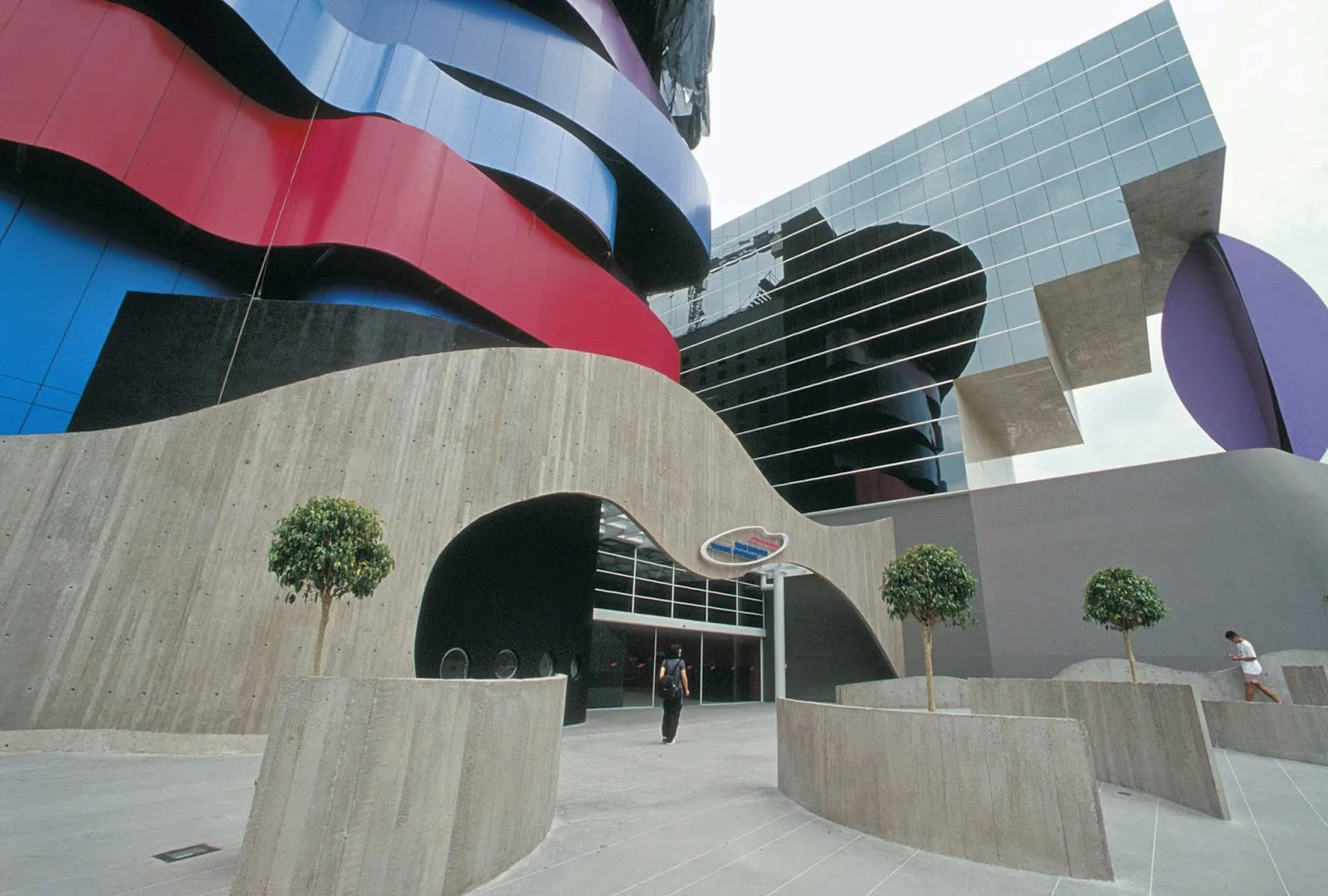
Instituto Tomie Ohtake is a contemporary art center in Pinheiros, São Paulo, known for exhibitions by Brazilian and international artists and a striking building by architect Ruy Ohtake. Its curved, colorful exterior and light-filled interior are worth seeing even between exhibitions. Inside, shows change, so check the institute’s website before you go. Entry is free, and the Santinho restaurant serves a buffet of Brazilian comfort food, with options for vegetarians and meat eaters. The galleries are compact, making this a manageable cultural stop rather than a full-day museum visit.

A cultural center named for Tomie Ohtake
Instituto Tomie Ohtake

Instituto Tomie Ohtake opened in 2001 and is named for Japanese-Brazilian artist Tomie Ohtake. The center presents exhibitions of her work and of Brazilian and international artists. Its program changes, covering contemporary art and related fields such as architecture and design. There is no permanent collection, so the works on view depend on the current exhibitions.

Tomie Ohtake arrived in Brazil from Kyoto in 1936 and became an important figure in São Paulo’s art scene from the 1950s. Her practice included painting and printmaking, and exhibitions at the institute have placed her work alongside wider developments in modern and contemporary art.

Ruy Ohtake’s building
Instituto Tomie Ohtake

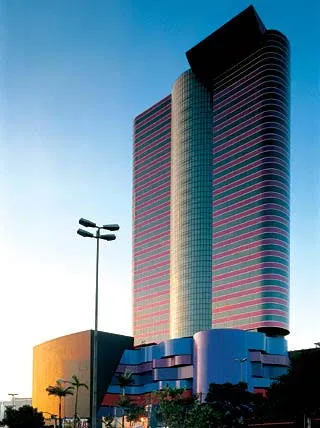
Architect Ruy Ohtake designed the institute in honor of his mother. The building is part of a business complex in Pinheiros, near Avenida Faria Lima. Its curved facade and colored glass give it a distinct presence among the surrounding buildings. Inside, the institute has seven exhibition rooms, along with an educational area with ateliers and space for seminars.

The architecture is part of the visit, not just a container for the galleries. Take a moment to view the exterior up close, then look at how the open, light-filled interior connects the exhibition spaces.

Exhibitions and facilities

The exhibition program has included work by artists such as Louise Bourgeois, Yayoi Kusama, Salvador Dalí and Joan Miró, as well as contemporary artists from Brazil and abroad. Shows vary, so the institute’s website is the place to check what will be on view during your visit.

A bookstore and shop are also inside the center. Santinho, the restaurant on the lower level, serves a buffet built around Brazilian comfort food, with salads and choices for vegetarian and meat-eating diners. You can combine a gallery visit with lunch without leaving the building.

FAQ

Is Instituto Tomie Ohtake free to visit?

Entry is free.

How long do you need at Instituto Tomie Ohtake?

The galleries are compact, so plan around 1 to 2 hours for a visit.

Does Instituto Tomie Ohtake have a permanent collection?

No. The institute hosts changing exhibitions, so check its website to see what is on during your visit.

Is Instituto Tomie Ohtake wheelchair accessible?

The entrance, restrooms and parking are listed as wheelchair accessible.
Autres incontournables à São Paulo

Tout explorer