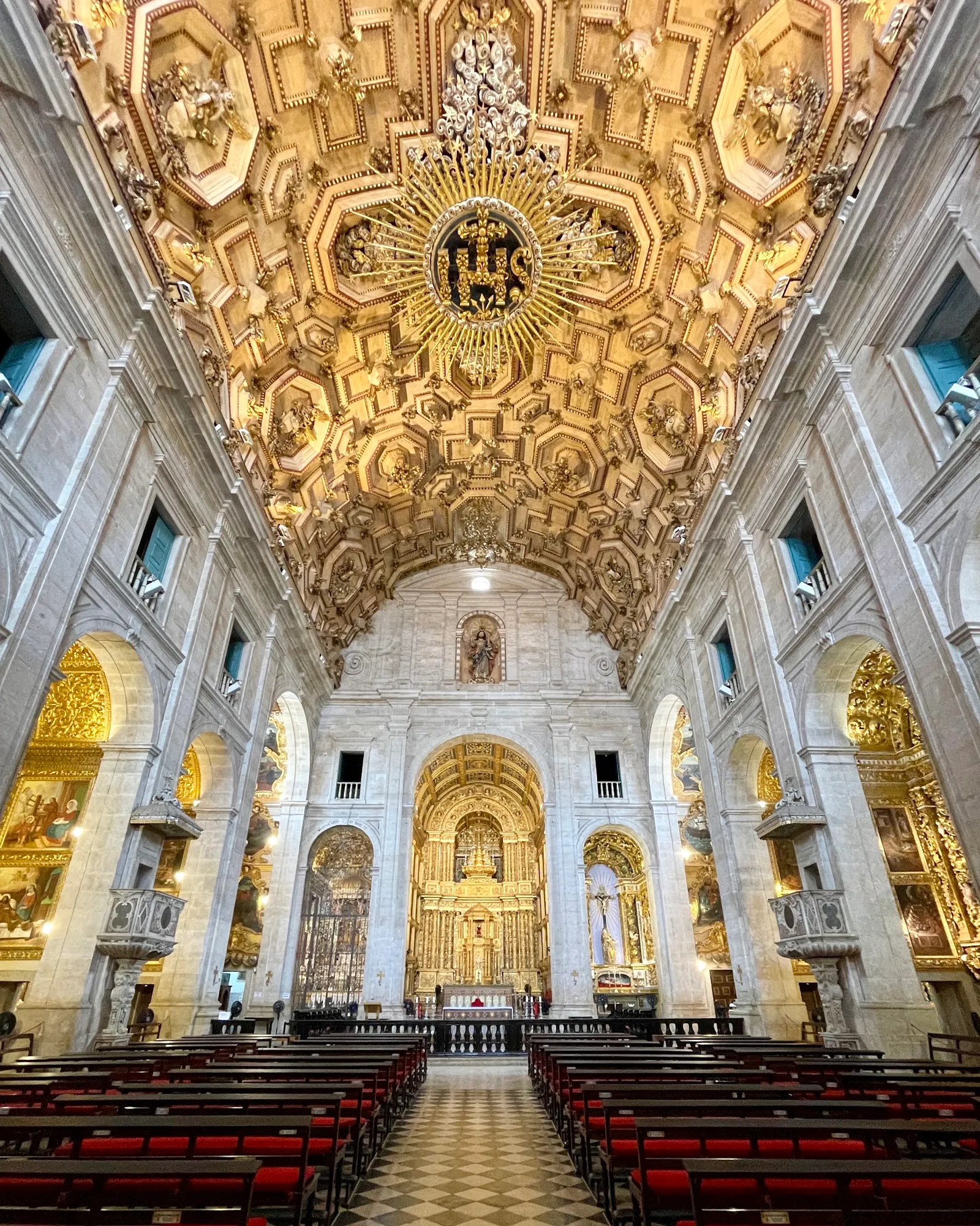
The Cathedral of Salvador stands on Terreiro de Jesus in Pelourinho and was built by the Jesuits as part of a monastic and educational complex. Its restrained exterior gives way to an interior of marble walls, tall pillars, chapels and gilded decoration. Look closely at the altarpieces and religious artwork, then explore the downstairs area for more art. A guide can add context about the cathedral’s place in Salvador’s history, and attending Mass gives your visit a different focus.
A Jesuit cathedral on Terreiro de Jesus
The Cathedral of Salvador occupies Terreiro de Jesus, a main square in Pelourinho’s historic centre. The Jesuits built it as part of a monastic and educational complex. The site’s first chapel dates to 1604, and the present church is described as the fourth temple of the Jesuit College. Accounts in the available material give different dates for the later building, so the precise construction timeline is not clear.
The cathedral is the seat of the archbishop of Salvador and is dedicated to the Transfiguration of Christ. It has been listed as a historic structure by Brazil’s National Institute of Historic and Artistic Heritage since 1938. Its position on the square makes it an easy stop while exploring Pelourinho’s churches, museums and galleries.
Stonework, chapels and sacred art
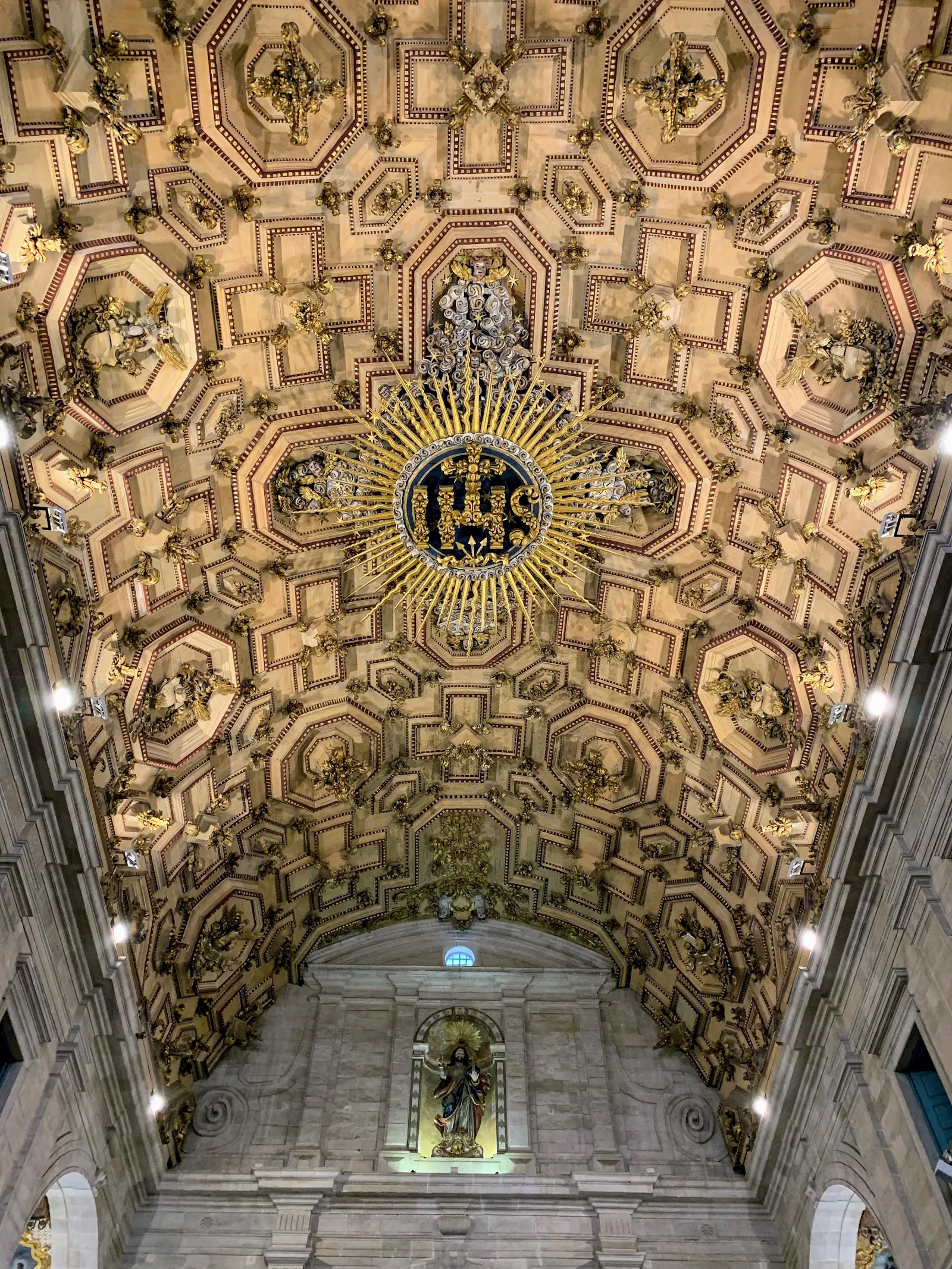
The cathedral’s exterior is more restrained than its interior. The building is clad in lioz stone inside and out, and has two towers. Niches above the façade’s doors hold images of important Jesuit saints. Inside, the layout is rectangular, with a single aisle, tall pillars and marble walls. Wooden vaults form the ceiling, while gold decoration draws attention to the more ornate areas.
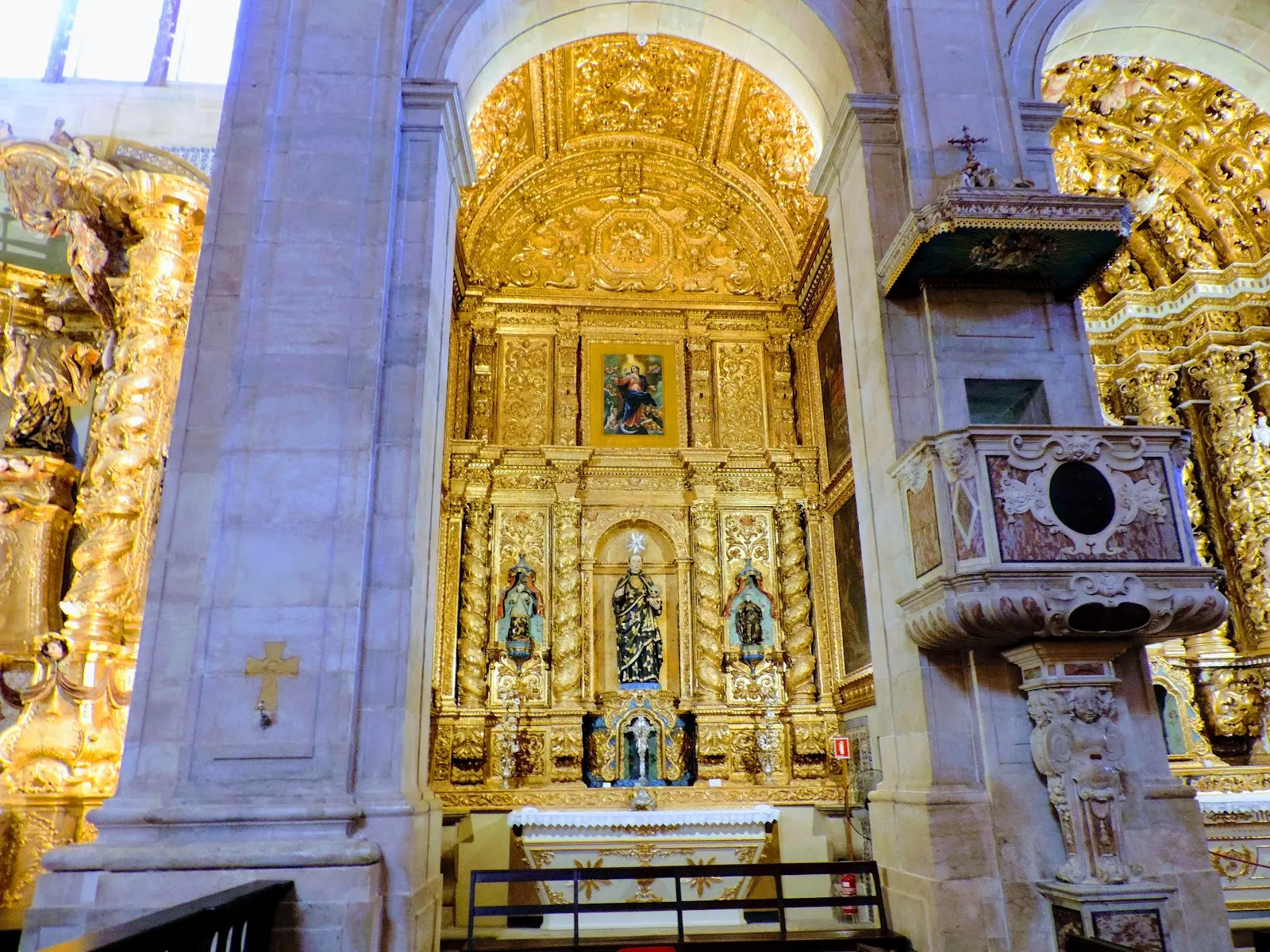
The lateral chapels each have an altarpiece and religious artworks. The collection includes works dating from the 16th century onwards, as well as canvases, rosewood furniture and sacred objects in gold and silver. Take time to look at the altars and statues, and continue downstairs to see additional artwork. The front and back areas have different levels of decoration, so walking through the church gives you more than one view of its design.
Attending a service or arranging a visit
The cathedral remains a place of worship, with church services and Mass alongside events and concerts. Visitors can attend Mass, and Christmas Eve celebrations are a special occasion to consider. Keep the religious setting in mind while looking around, particularly if a service is taking place.
A guide can explain the cathedral’s history and its connection to Salvador’s culture. Ticket arrangements are worth checking before your visit, as advance booking is recommended; the material also mentions an entrance fee of 10 reais. The cathedral is close to other landmarks and cultural sites in Pelourinho, including the Casa do Carnaval da Bahia, so you can combine the visit with a walk around the historic centre.
FAQ
Where is the Cathedral of Salvador?
It is on Terreiro de Jesus in Pelourinho, Salvador.
What should you see inside the cathedral?
Look for the lateral chapels and their altarpieces, religious artwork, marble walls, wooden ceiling vaults and gilded decoration. There is also artwork downstairs.
Can you attend Mass at the cathedral?
Yes. Mass and other church services take place at the cathedral.
Is there an entrance fee?
The available information mentions an entrance fee of 10 reais and recommends arranging tickets in advance.


