
The Afro-Brazilian Museum UFBA is in the former medical school building at Largo Terreiro de Jesus, in Salvador’s historic centre. Its collection focuses on African cultures, with Carybé panels and murals depicting orixás among the highlights. The museum is small, so you can see its displays in a short visit. Explanations may be limited, and some are in Portuguese; ask the bilingual education team about the works and objects on view.
The museum and its setting
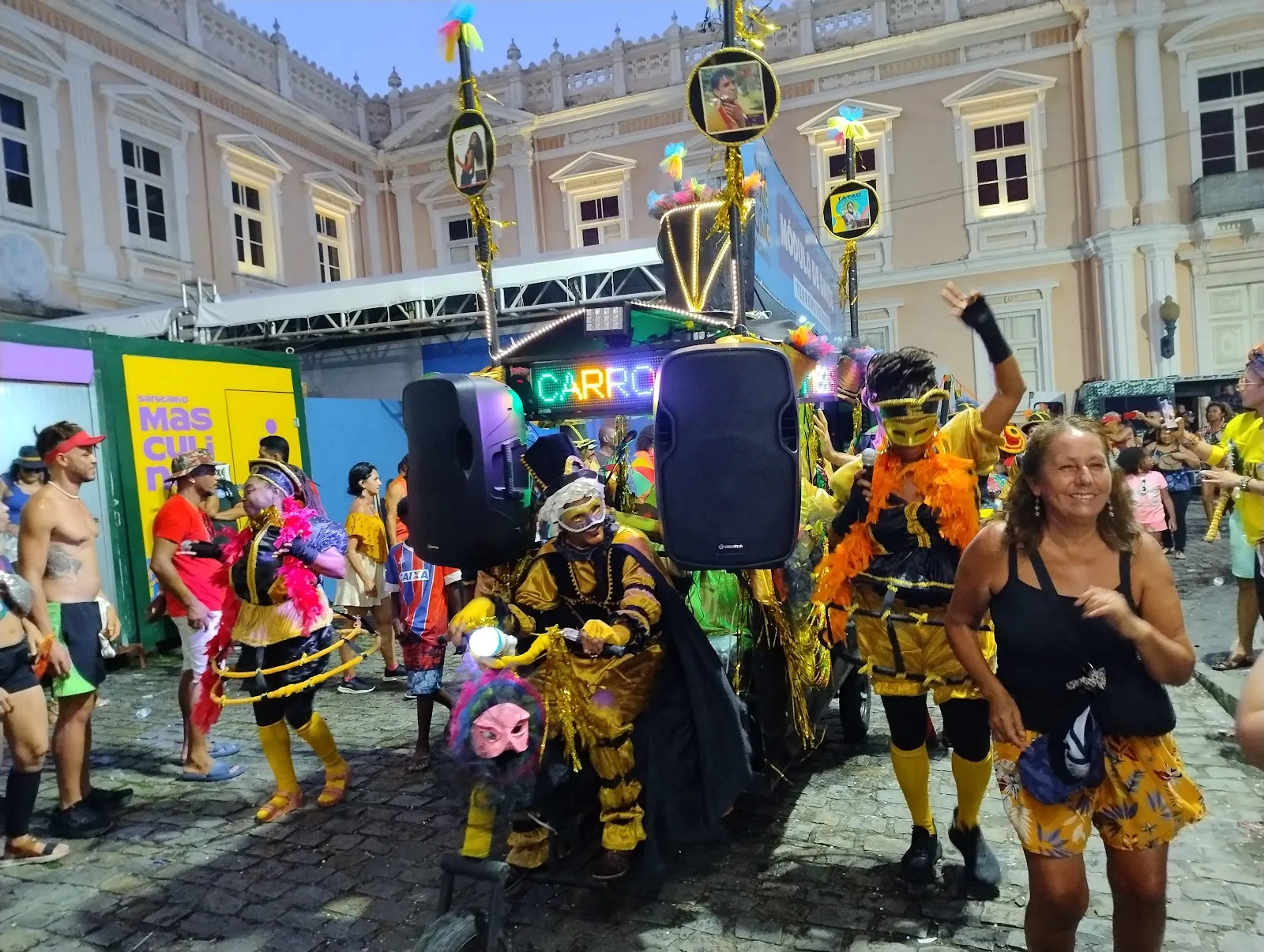
The Afro-Brazilian Museum belongs to the Federal University of Bahia and is housed in the building of Brazil’s first medical school. The institution’s origins were discussed as early as 1946; it later moved to Salvador’s historic centre in the 1970s.
The museum is compact, with two rooms. Its displays focus on African cultures, though the amount of material on Afro-Brazilian history and experience has been a point of disappointment for some visitors. Check what is on view before you go, since exhibitions can shape the visit.
Works to look for
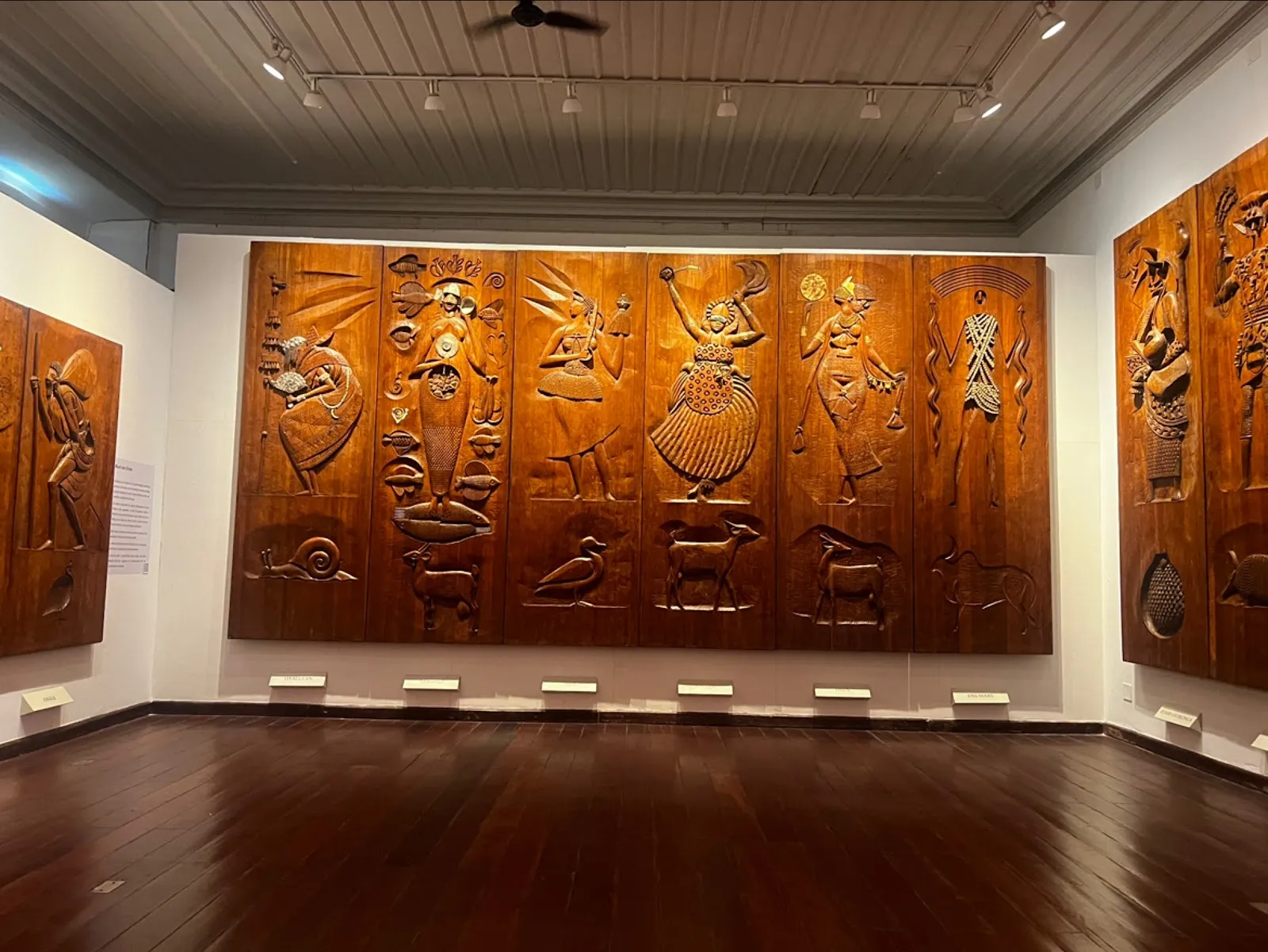
Carybé’s panels are a notable part of the collection, alongside murals showing orixás. Some displays have limited explanatory text, and the language available can vary. The bilingual education team can help explain the objects and exhibition; ask staff for guidance as you look around.
FAQ
Where is the Afro-Brazilian Museum UFBA?
It is at Largo Terreiro de Jesus in Salvador’s historic centre, inside a building used by the Federal University of Bahia.
How long does a visit take?
The museum has two rooms and is small, so allow about 30 to 60 minutes.
What can you see at the museum?
The collection focuses on African cultures and includes Carybé panels and murals depicting orixás.
Is there an admission fee?
Yes, admission is listed as paid. The available information does not establish a current ticket price or payment method.


