Planifier un voyage
Langue: Français
Planificateur de voyagePlanifiez votre voyage sur une carte

Destinations incontournables

EnglishDeutschFrançaisEspañolPortuguêsPortuguês (BR)Italiano
Avis aux voyageurs · BrésilCertains gouvernements déconseillent de se rendre dans certaines régions de Brésil.Les avertissements ne concernent que ces zones : Ceilândia, Favelas, Paranoá, Santa Maria, São Sebastião, Zone frontalière avec le Venezuela.Les conseils dépendent de votre passeport. Consultez ceux de votre propre gouvernement avant de réserver.Conseils officiels
Zones signalées
  • Ceilândia · éviter les voyages non essentiels · Italie, États-Unis
  • Favelas · éviter les voyages non essentiels · Allemagne, Espagne, Nouvelle-Zélande, États-Unis
  • Paranoá · éviter les voyages non essentiels · Italie, États-Unis
  • Santa Maria · éviter les voyages non essentiels · Italie, États-Unis
  • São Sebastião · éviter les voyages non essentiels · Italie, États-Unis
  • Zone frontalière avec le Venezuela · éviter les voyages non essentiels · Allemagne, France

Également signalé par un seul gouvernement : Bande de 160 km le long des frontières terrestres du Brésil (États-Unis), Complexo da Maré (Canada), Complexo da Penha (Canada), Bande de 20 km le long de la frontière bolivienne (hors parc national du Pantanal) (Canada), Bande de 20 km le long de la frontière colombienne (Canada), Bande de 20 km le long de la frontière avec la Guyane française (Canada), Bande de 20 km le long de la frontière avec le Guyana (Canada), Bande de 20 km le long de la frontière paraguayenne (Canada), Bande de 20 km le long de la frontière péruvienne (Canada), Bande de 20 km le long de la frontière avec le Suriname (Canada), Bande de 50 km le long de la frontière vénézuélienne (Canada), Rio Amazonas et affluents, État d'Amazonas (entre Codajás et Belém do Solimões) (Royaume-Uni), Zones frontalières (non précisées) (France), Parc national de Chapada Diamantina (Trilha do 21) (Espagne), Planaltina (Italie), Samambaia (Italie)

GouvernementConseilsMis à jourLire les conseils
Royaume-Uni (FCDO)No advice against the whole country (regional advisories)–Lire les conseils
États-Unis (State Dept)Exercise increased caution (regional advisories)31 août 2026Lire les conseils
Canada (Affaires mondiales)Exercise a high degree of caution (regional advisories)–Lire les conseils
Allemagne (Auswärtiges Amt)No advice against the whole country (regional advisories)27 oct. 2026Lire les conseils
Nouvelle-Zélande (SafeTravel)Exercise increased caution due to high crime rates (regional advisories)–Lire les conseils
France (ministère de l'Europe et des Affaires étrangères)Vigilance renforcée (pays à risque) (regional advisories)–Lire les conseils

Vérifié quotidiennement d'après les conseils publiés par les gouvernements ; dernière vérification le 2 nov. 2026.RoamLedger résume les conseils officiels ; il ne s'agit pas de conseils émanant d'un gouvernement.

brown concrete building near road during daytime
Site historique

Palácio Rio Negro

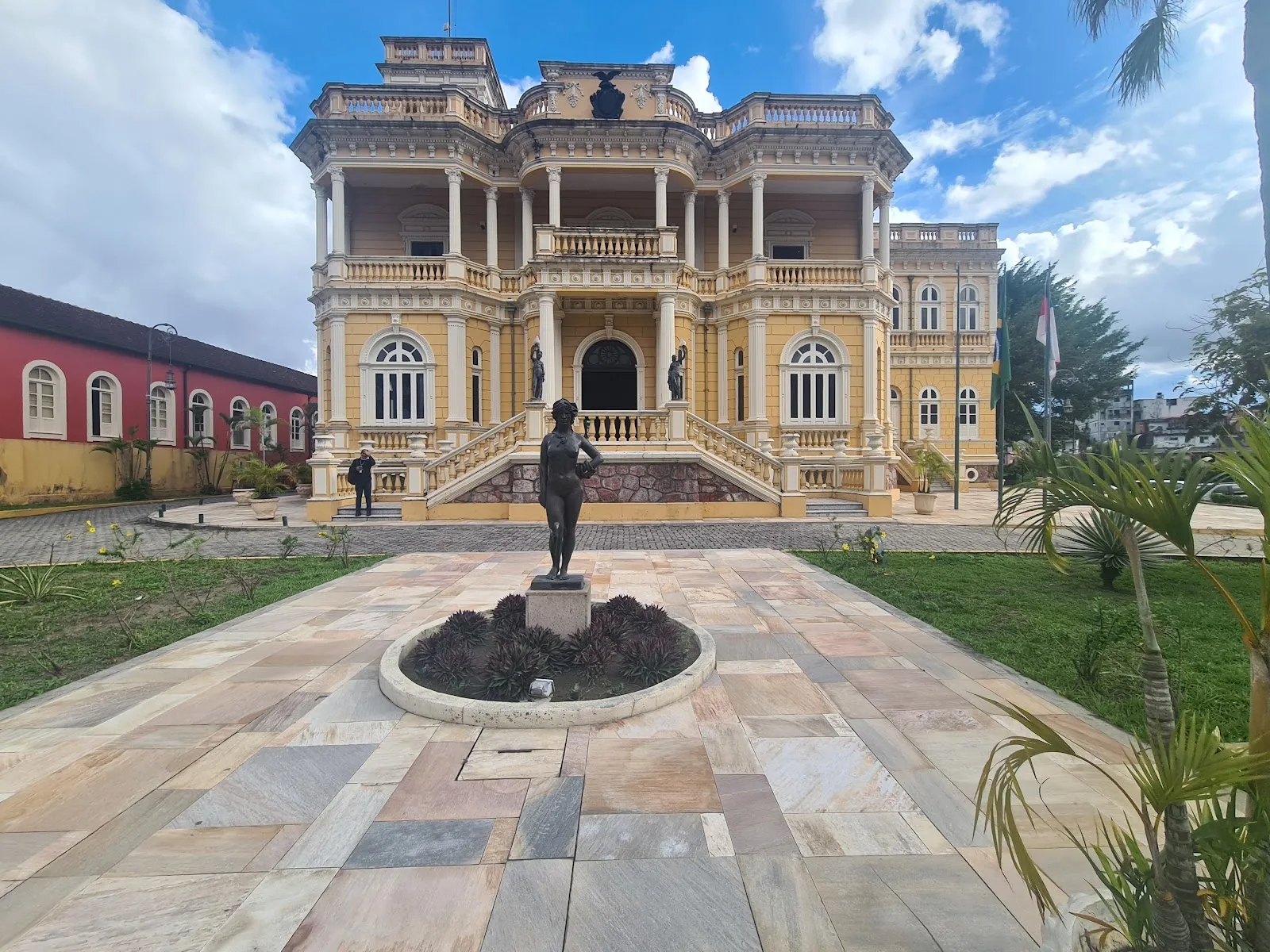
Palácio Rio Negro is a former governor’s residence and cultural center on Avenida Sete de Setembro in central Manaus.

Palácio Rio Negro is a former governor’s residence and cultural center on Avenida Sete de Setembro in central Manaus. Built for German rubber merchant Karl Waldemar Scholz during the rubber boom, the palace gives you a close look at the wealth of that period through its preserved rooms and original furniture. Inside, notice the striking double staircase and rooms connected by broad corridors. Upstairs, a furnished porch looks out over the garden. The visit is free and can be a brief, unhurried walk through the building.

From private mansion to government residence
Palácio Rio Negro
Palácio Rio Negro

German rubber merchant Karl Waldemar Scholz had the palace built as his residence during the rubber boom. The period’s prosperity shaped the scale and finish of the house. When the rubber trade declined and the First World War began, Scholz’s fortunes were affected, and the government took over the property.

The building later served as the official residence of the governor of Amazonas and as a seat of government. It was converted into a cultural center in 1997. Its changing role links a private home built during the rubber boom with the political and cultural life of Manaus.

Rooms and architectural details
Palácio Rio Negro
Palácio Rio Negro

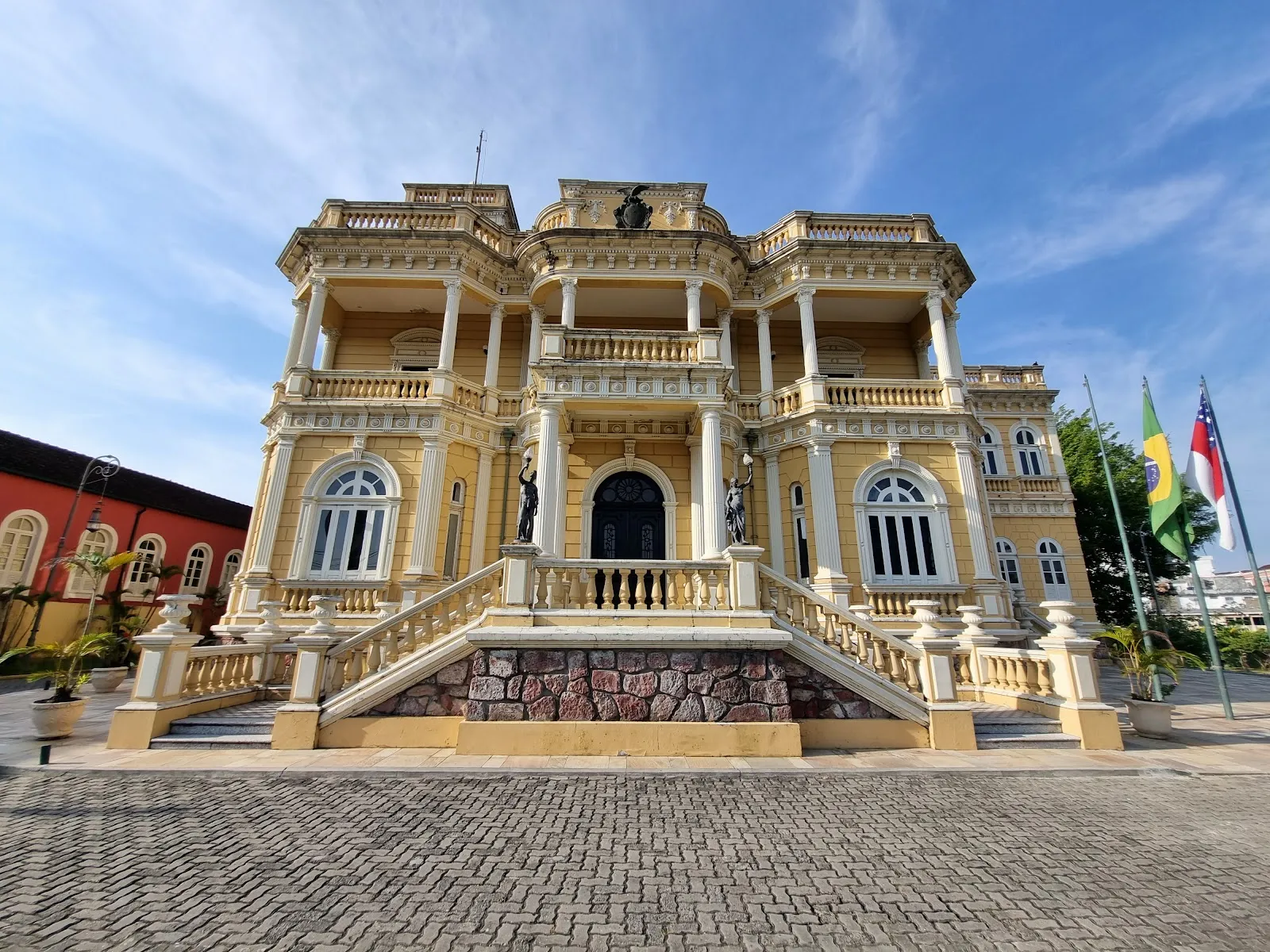
The double-sided staircase is one of the first details to look for inside. Several rooms retain original furniture, and displays include objects and information connected with the history of the state’s governors. The palace is not arranged as a densely packed museum: visitors can move through open rooms and take in the interiors at a relaxed pace.

Look for the ornate woodwork, including tropical hardwood floors and doors, along with detailed banisters and moldings. The rooms give a sense of the building’s original domestic scale, while the preserved fittings show the craftsmanship used throughout the house.

A cultural center in central Manaus

The palace now functions as a cultural center as well as a museum. Its program has included art exhibitions, concerts, performances, recitals and book launches. The building has also hosted a symphony rehearsal. Temporary events mean there can be more to see than the historic rooms, though the material provided does not confirm which activities are currently scheduled.

The upper floor has a porch furnished with seating and a view over the garden. It is a quiet place to pause during the visit. Palácio Rio Negro is at Avenida Sete de Setembro, 1546, in central Manaus; the surrounding property includes garden paths.

FAQ

Is Palácio Rio Negro free to visit?

Yes. Entry is free. At the entrance, ask to be added to the guest list and provide your name and country or city of origin.

How long does a visit take?

A walk through the palace can take up to about 20 minutes.

What can you see inside Palácio Rio Negro?

The palace has preserved rooms with original furniture, historical objects, a double-sided staircase and detailed woodwork. Upstairs, a porch overlooks the garden.

Is Palácio Rio Negro wheelchair accessible?

The entrance, restroom and parking lot are listed as wheelchair accessible.

Autres incontournables à Manaus

Tout explorer