Planifier un voyage
Langue: Français
Planificateur de voyagePlanifiez votre voyage sur une carte

Destinations incontournables

EnglishDeutschFrançaisEspañolPortuguêsPortuguês (BR)Italiano
Avis aux voyageurs · BrésilCertains gouvernements déconseillent de se rendre dans certaines régions de Brésil.Les avertissements ne concernent que ces zones : Ceilândia, Favelas, Paranoá, Santa Maria, São Sebastião, Zone frontalière avec le Venezuela.Les conseils dépendent de votre passeport. Consultez ceux de votre propre gouvernement avant de réserver.Conseils officiels
Zones signalées
  • Ceilândia · éviter les voyages non essentiels · Italie, États-Unis
  • Favelas · éviter les voyages non essentiels · Allemagne, Espagne, Nouvelle-Zélande, États-Unis
  • Paranoá · éviter les voyages non essentiels · Italie, États-Unis
  • Santa Maria · éviter les voyages non essentiels · Italie, États-Unis
  • São Sebastião · éviter les voyages non essentiels · Italie, États-Unis
  • Zone frontalière avec le Venezuela · éviter les voyages non essentiels · Allemagne, France

Également signalé par un seul gouvernement : Bande de 160 km le long des frontières terrestres du Brésil (États-Unis), Complexo da Maré (Canada), Complexo da Penha (Canada), Bande de 20 km le long de la frontière bolivienne (hors parc national du Pantanal) (Canada), Bande de 20 km le long de la frontière colombienne (Canada), Bande de 20 km le long de la frontière avec la Guyane française (Canada), Bande de 20 km le long de la frontière avec le Guyana (Canada), Bande de 20 km le long de la frontière paraguayenne (Canada), Bande de 20 km le long de la frontière péruvienne (Canada), Bande de 20 km le long de la frontière avec le Suriname (Canada), Bande de 50 km le long de la frontière vénézuélienne (Canada), Rio Amazonas et affluents, État d'Amazonas (entre Codajás et Belém do Solimões) (Royaume-Uni), Zones frontalières (non précisées) (France), Parc national de Chapada Diamantina (Trilha do 21) (Espagne), Planaltina (Italie), Samambaia (Italie)

GouvernementConseilsMis à jourLire les conseils
Royaume-Uni (FCDO)No advice against the whole country (regional advisories)–Lire les conseils
États-Unis (State Dept)Exercise increased caution (regional advisories)31 août 2026Lire les conseils
Canada (Affaires mondiales)Exercise a high degree of caution (regional advisories)–Lire les conseils
Allemagne (Auswärtiges Amt)No advice against the whole country (regional advisories)27 oct. 2026Lire les conseils
Nouvelle-Zélande (SafeTravel)Exercise increased caution due to high crime rates (regional advisories)–Lire les conseils
France (ministère de l'Europe et des Affaires étrangères)Vigilance renforcée (pays à risque) (regional advisories)–Lire les conseils

Vérifié quotidiennement d'après les conseils publiés par les gouvernements ; dernière vérification le 2 nov. 2026.RoamLedger résume les conseils officiels ; il ne s'agit pas de conseils émanant d'un gouvernement.

Casa do Baile
Monument emblématique

Casa do Baile

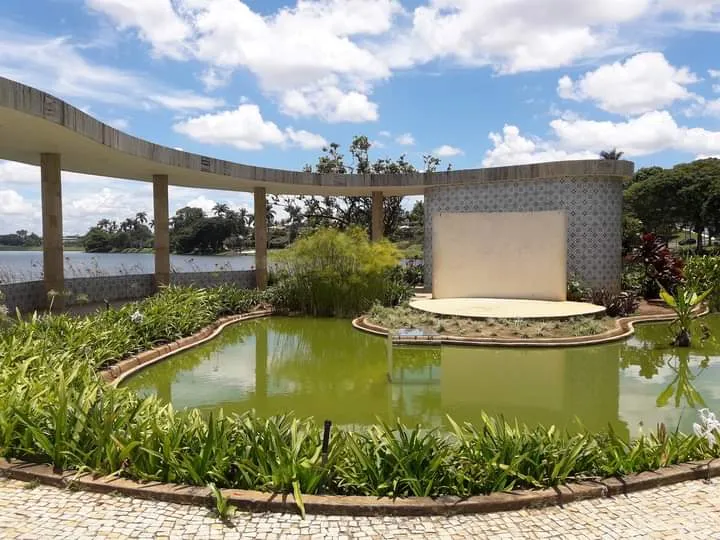
Casa do Baile is a circular modernist building on the shore of Pampulha Lake in Belo Horizonte, part of the Pampulha Modern Complex.

Casa do Baile is a circular modernist building on the shore of Pampulha Lake in Belo Horizonte, part of the Pampulha Modern Complex. Designed by Oscar Niemeyer with landscape work by Roberto Burle Marx, it began as a dance hall and restaurant in 1943. Today it is a reference center for architecture, urbanism and design, with art exhibitions inside. Look for the building’s curved lines and lake views, then stand in the center of its circular room and speak to hear the unusual acoustics.

From dance hall to cultural center
Casa do Baile
Casa do Baile

Casa do Baile opened in 1943 as a restaurant and dance hall. Its original role was to provide a more accessible place for dancing and social gatherings. The building later closed, then reopened in 2002 as a reference center for architecture, urbanism and design.

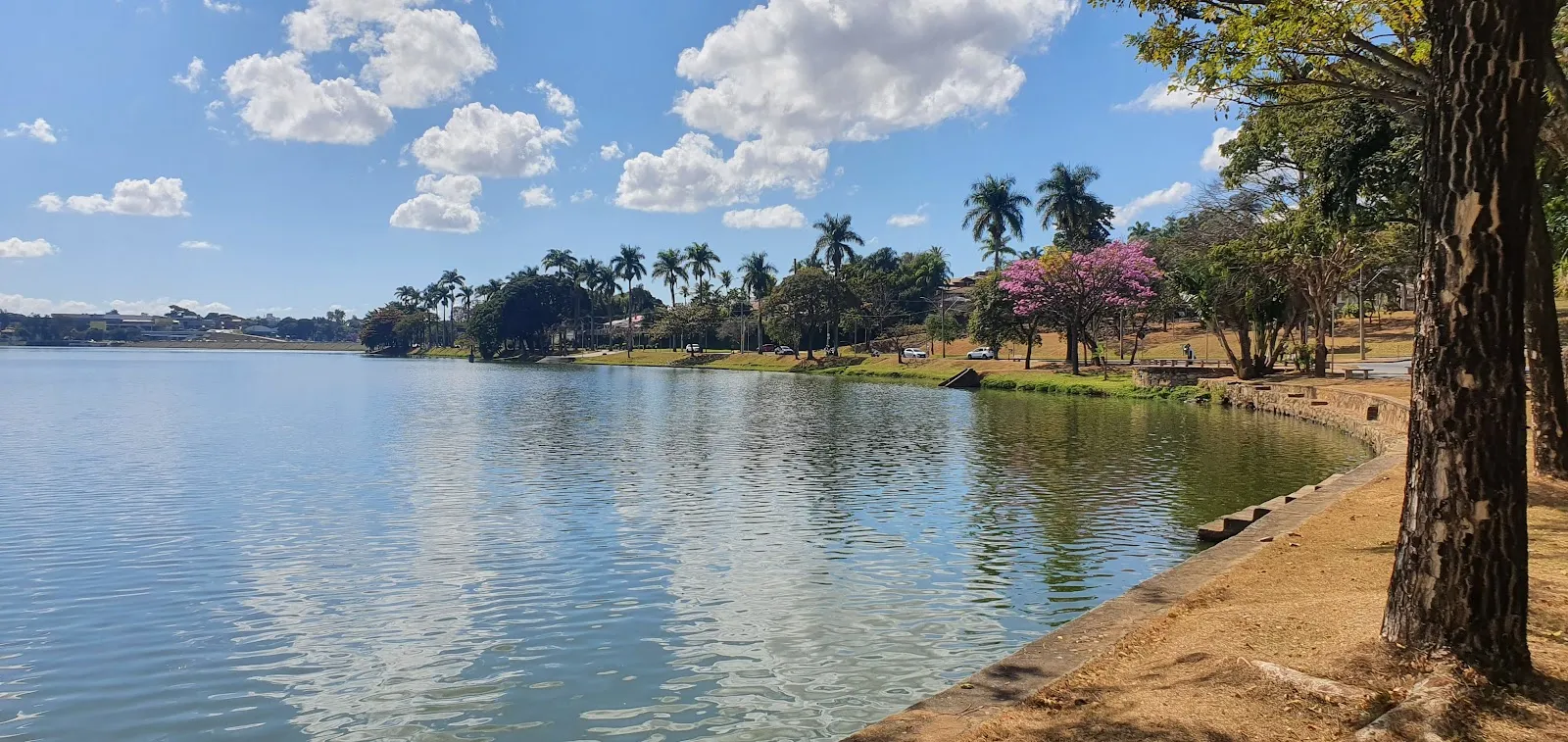
It is part of the Pampulha Modern Complex, a group of buildings and landscaped spaces arranged around the artificial lake. The complex includes the Church of Saint Francis of Assisi, the former casino, now the Pampulha Art Museum, and the Yacht Club. The ensemble is recognized as a UNESCO World Heritage site.

Architecture and exhibitions
Casa do Baile
Casa do Baile

Oscar Niemeyer designed the building, with landscape design by Roberto Burle Marx. Its rounded form and slender supporting columns give it a distinct profile along the water. The curves are easiest to appreciate from outside, where the building and lake make a natural setting for photographs.

Inside, Casa do Baile hosts art exhibitions and art-related events. The displays vary, so the experience depends on what is showing at the time of your visit. Exhibition material may be primarily in Portuguese; using a translation app can help you follow the text.

The room’s acoustics

The circular room has a notable acoustic effect: stand in the center and speak or sing to hear your voice amplified. It is a simple way to experience the interior beyond the exhibitions, and the center of the circle is the spot to try.

Casa do Baile sits on the Pampulha waterfront, among the complex’s other architectural landmarks. Renting a bike can make it easier to link the visit with the Church of Saint Francis of Assisi, the Pampulha Art Museum, Mineirão stadium and Mineirinho arena.

FAQ

What is Casa do Baile?

It is a former dance hall and restaurant that now operates as a reference center for architecture, urbanism and design, with art exhibitions.

Who designed Casa do Baile?

Oscar Niemeyer designed the building, and Roberto Burle Marx worked on its landscape.

Is Casa do Baile free to visit?

Available visitor information describes entry as free.

When is Casa do Baile open?

It is open Wednesday through Sunday, 10 AM to 6 PM, and closed Monday and Tuesday.

Autres incontournables à Belo Horizonte

Tout explorer