At the tip of Point Nepean near Portsea, Fort Nepean pairs coastal walks with the remains of a military site that guarded the entrance to Port Phillip Bay. Built from the 1880s, its underground tunnels, ammunition magazines, gun emplacements and bomb-proof rooms are open to explore, with interpretive signs explaining the fort’s role in Victoria’s defence through 1945. Walk or cycle the main track, stopping at lookouts over Bass Strait and Port Phillip Bay, or take the shuttle from the car park if you’d rather save your energy for the fort and its trails.
A fort at the entrance to Port Phillip Bay
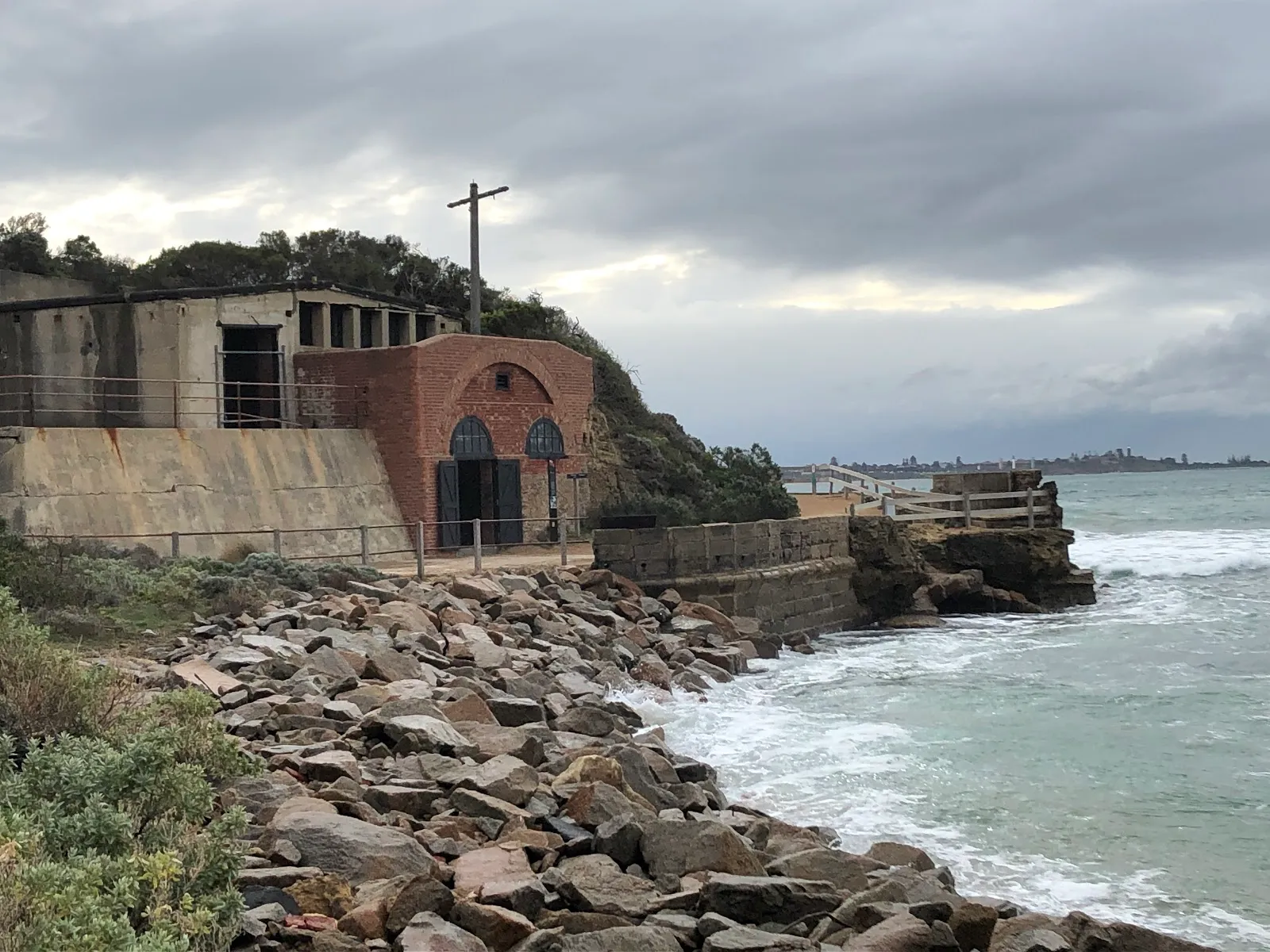
Fort Nepean was built from the 1880s as part of Victoria’s coastal defences. Its position at the entrance to Port Phillip Bay made it one of the area’s heavily armed military sites. The fort continued in a defence role until 1945.
The remains give a sense of how the site worked. You can see gun emplacements, ammunition magazines, an engine house, barracks tunnels and bomb-proof rooms. Interpretive signs explain the military history as you move through the site.
Tunnels and coastal paths
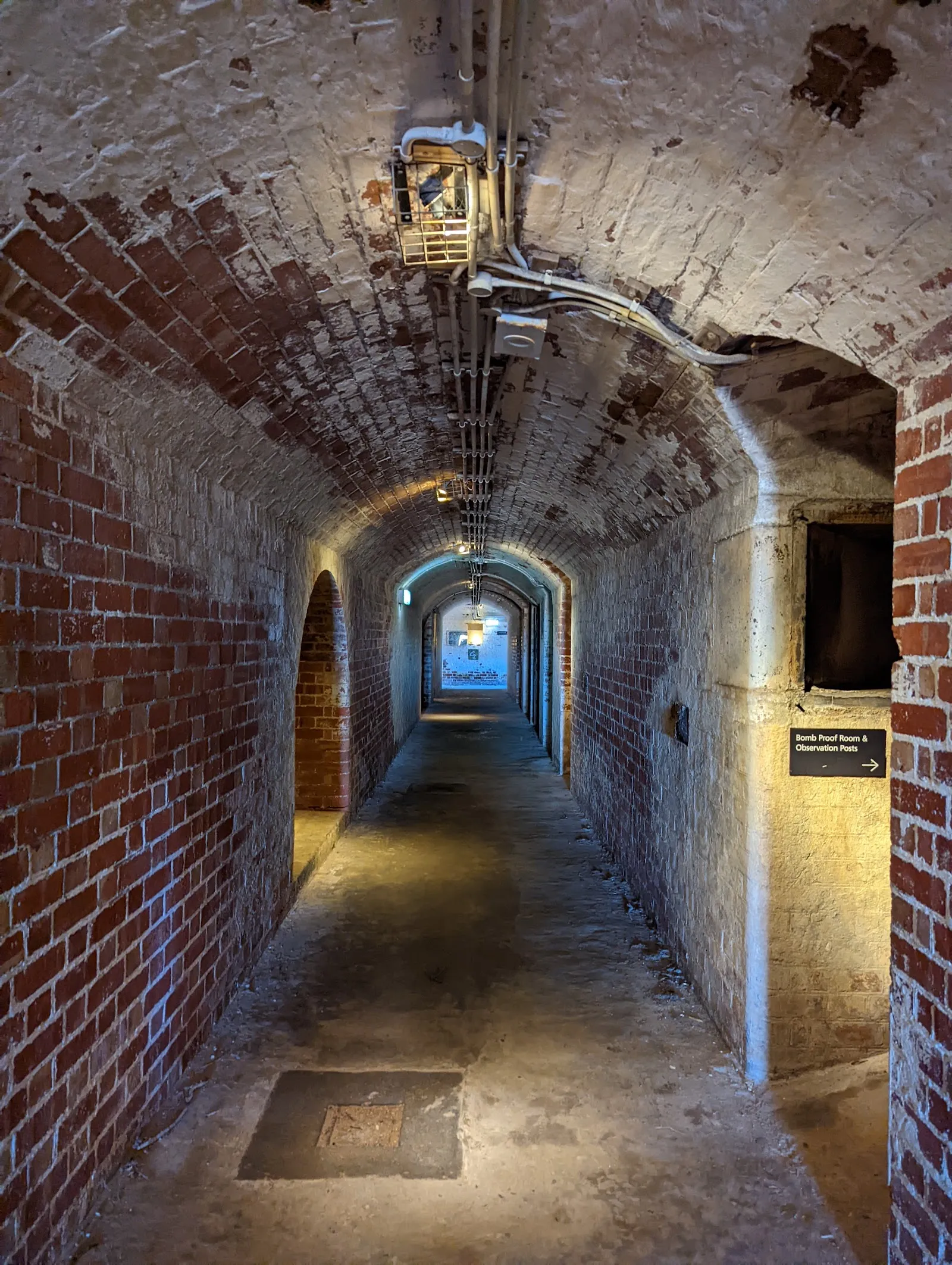
Underground corridors and rooms are among the fort’s defining features. Walking through them brings you close to the spaces used by the people who lived and worked here. Above ground, the paths follow the rugged tip of the peninsula, with lookouts over both Bass Strait and Port Phillip Bay.
Four interpretive walks branch from the main track: the Walter Pisterman Heritage Walk, Cheviot Hill Discovery Walk, Fort Pearce Heritage Walk and Fort Nepean Walk. Cheviot Hill looks over Point Nepean and Cheviot Beach. The offshore waters form the Harold Holt Marine Reserve; Holt disappeared from Cheviot Beach in 1967.
Planning your walk
You can reach Fort Nepean on foot or by bicycle, or use the shuttle from the car park if you prefer not to walk both ways. Allow several hours to visit the fort and follow more than one trail. The shuttle is a convenient option for families and groups, while walking lets you stop at the coastal outlooks along the route.
Mid-spring and autumn are suggested for a more comfortable walk. Summer can be hot on the exposed paths, and winter brings cold sea breezes. Carry water, particularly if you’re walking for several hours.
FAQ
How long should I allow for Fort Nepean?
Allow several hours to explore the fort and its trails. A shorter visit can focus on the fort and the main route.
Can you walk or cycle to Fort Nepean?
Yes. You can walk or cycle from the car park, or take the shuttle if you’d rather not make the return journey on foot.
What can you see at Fort Nepean?
The site includes underground tunnels, ammunition magazines, barracks tunnels, gun emplacements, an engine house and bomb-proof rooms. Interpretive walks and coastal lookouts add views over Bass Strait and Port Phillip Bay.
When is a good time to visit Fort Nepean?
Mid-spring and autumn are suggested for walking. Summer heat and cold winter sea breezes can make the exposed routes less comfortable.