At 1 William Street in Darlinghurst, opposite Hyde Park, the Australian Museum brings natural history and culture together across galleries on Australian wildlife, dinosaurs, minerals and First Nations collections. General admission is free, so you can explore the permanent displays without buying a ticket; some special exhibitions are paid. Look for the Westpac Long Gallery’s 200 Treasures display, the dinosaur skeletons and the Surviving Australia galleries. Children have interactive activities and a dedicated play space, and the museum has a café for a break.
A museum founded in 1827
The Australian Museum was founded in 1827 as Australia’s first museum. Its collections cover natural history and anthropology, with material connected to Australia and the wider Asia-Pacific region. The museum has grown over time, and its large collection includes scientific specimens and cultural objects; only some are on display at any one time.
The galleries bring together subjects that can be explored separately or as part of a longer visit. Australian animals, fossils, minerals and cultural collections sit alongside displays about First Nations peoples and Pacific cultures. If you have a particular interest, check the museum’s current exhibitions and activities before you go, as the programme changes.
Dinosaurs, wildlife and minerals
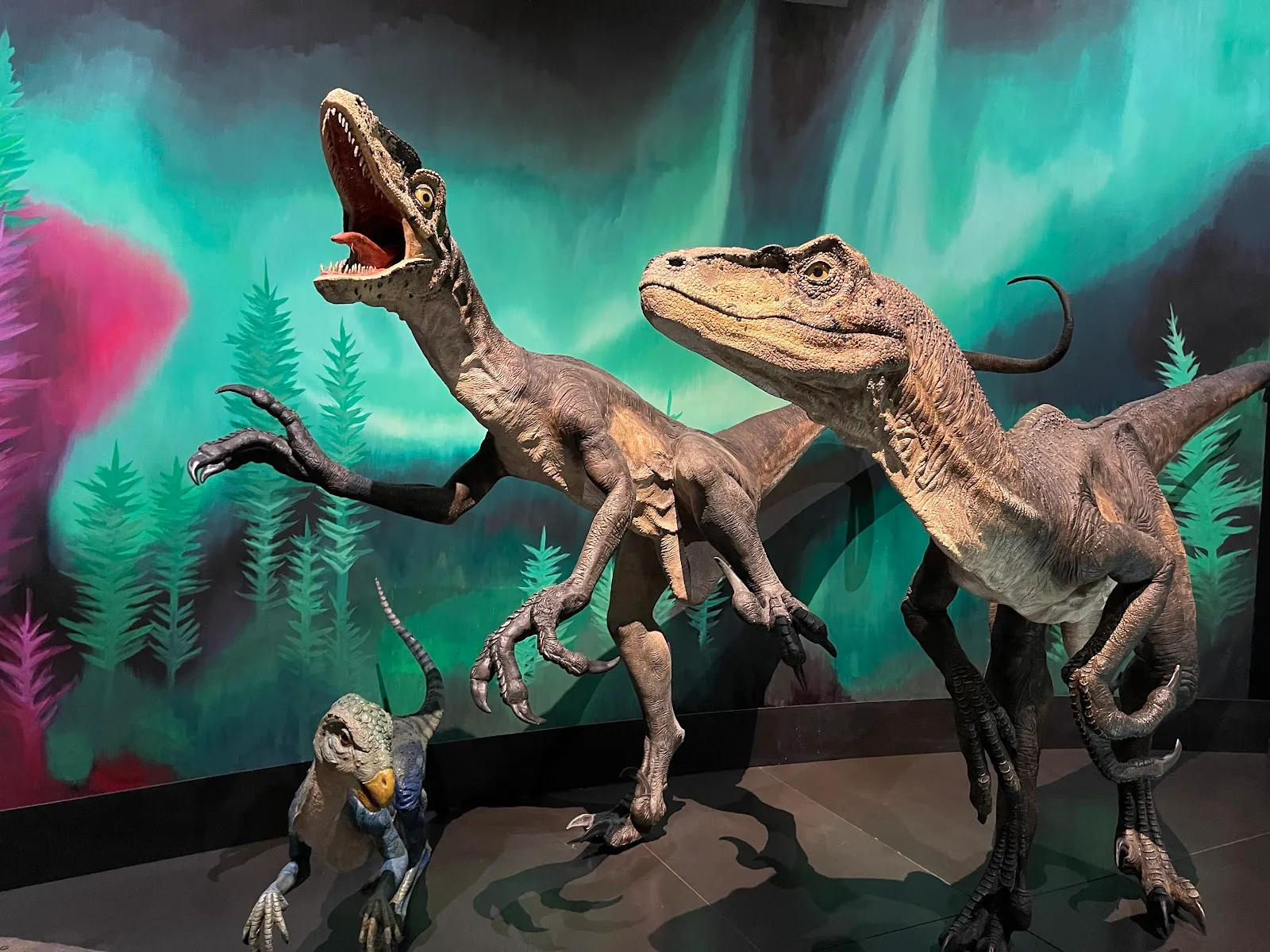
The dinosaur galleries include complete skeletons, life-size models and interactive displays. They focus in part on creatures that lived on the Australian continent. Fossils and other displays give the galleries several ways into the subject, whether you want to look closely at specimens or explore with children.
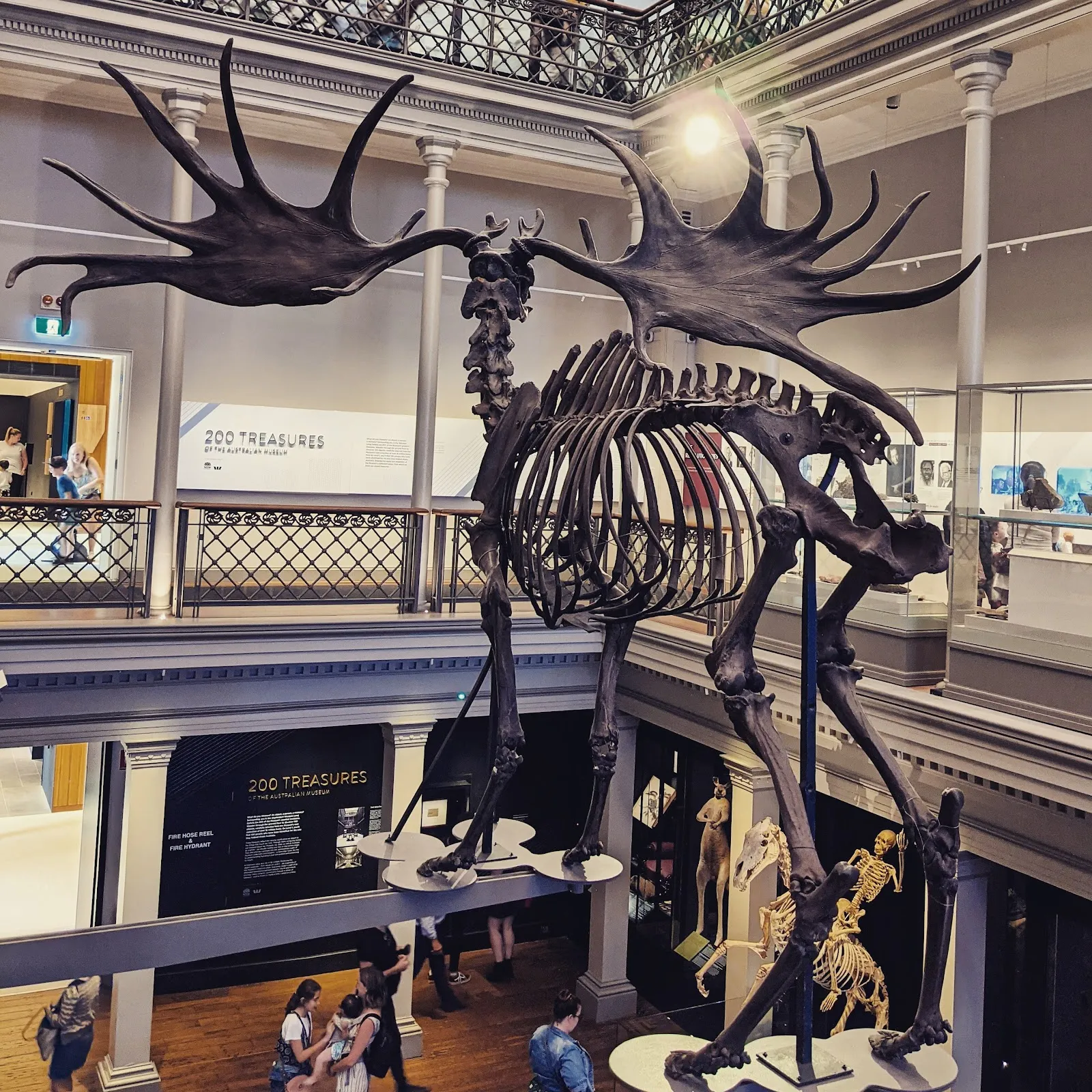
Surviving Australia traces wildlife from ancient megafauna to animals alive today. Other natural history displays include birds, preserved animals, insects, rocks and minerals. The mineral rooms contain crystals and other geological specimens, while the wider collection includes fossils and meteorites. The museum’s galleries also include Wild Planet, with animals from around the world.
The Westpac Long Gallery presents 100 significant objects from the museum alongside accounts of 100 people who shaped Australia. Its combination of collection pieces and personal stories offers a different focus from the natural history displays.
First Nations collections and family visits
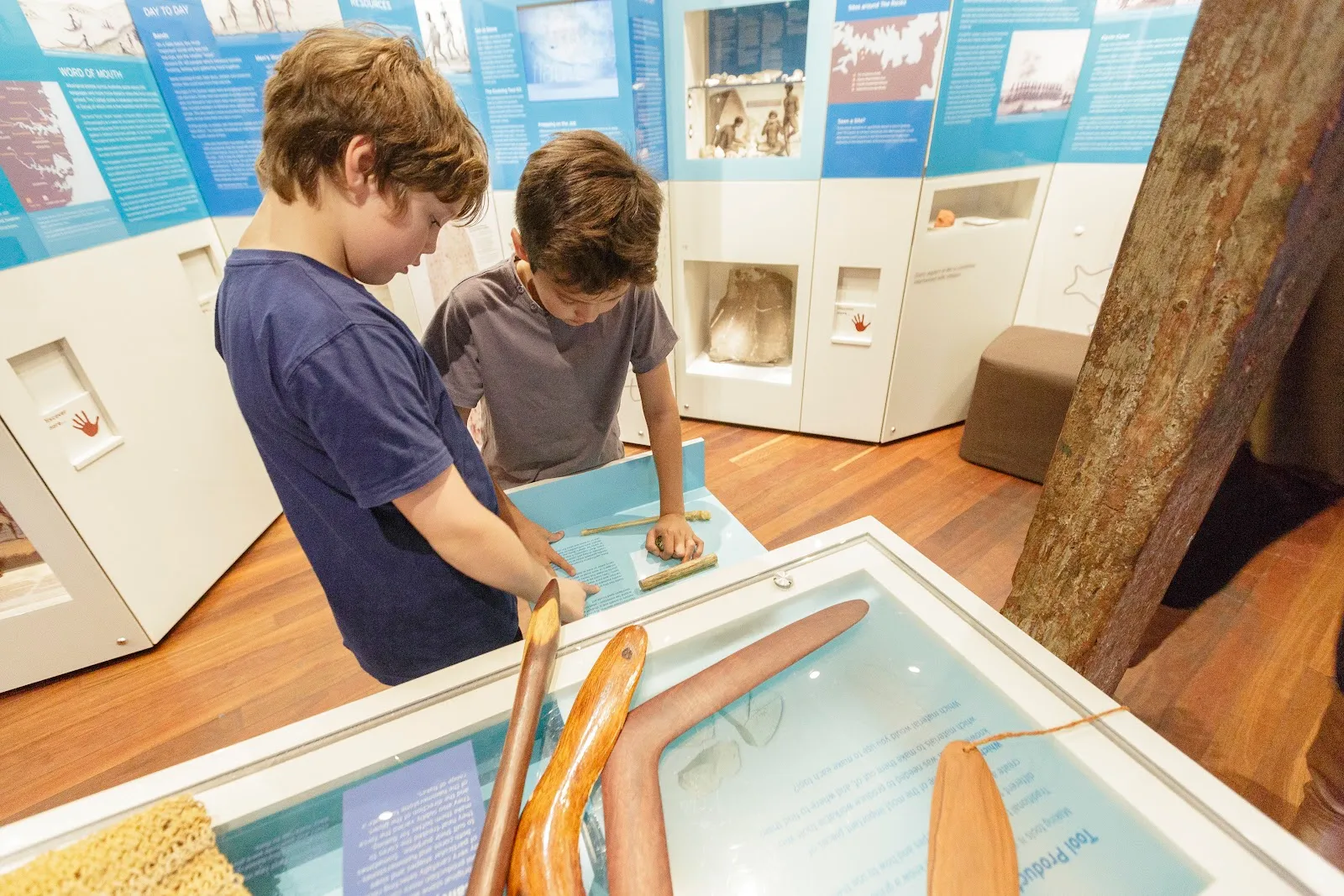
First Nations collections and stories are an important part of the museum. Garrigarrang, or Sea Country, explores the cultures of Australia’s Salt Water People and their connections to the sea. Other displays present First Nations histories, knowledge and cultural objects. These collections sit within a broader museum that also covers cultures from Australia and the Pacific.
Families can look for Burra, a learning and play space for younger children, and hands-on dinosaur displays. The museum also schedules activities such as children’s sessions, workshops, talks and live programmes at different times of the year. Check the current calendar to see what is running during your visit.
General entry is free, while some special exhibitions require a separate paid ticket. There is a café in the building, and the museum has accessible facilities, including lifts and accessible restrooms. A visit can take a couple of hours, but the number of galleries makes it easy to spend longer if you want to read and explore at a slower pace.
FAQ
Is the Australian Museum free to enter?
General admission is free. Some special exhibitions require a paid ticket.
How long should I spend at the Australian Museum?
Allow around 1.5 to 2 hours for a typical visit. The many galleries can keep you occupied for longer.
What are the main things to see at the Australian Museum?
Highlights include the dinosaur galleries, Surviving Australia, First Nations collections and the Westpac Long Gallery’s 200 Treasures display.
Is the Australian Museum suitable for children?
Yes. The museum has interactive displays, dinosaur exhibits and Burra, a learning and play space for younger children.