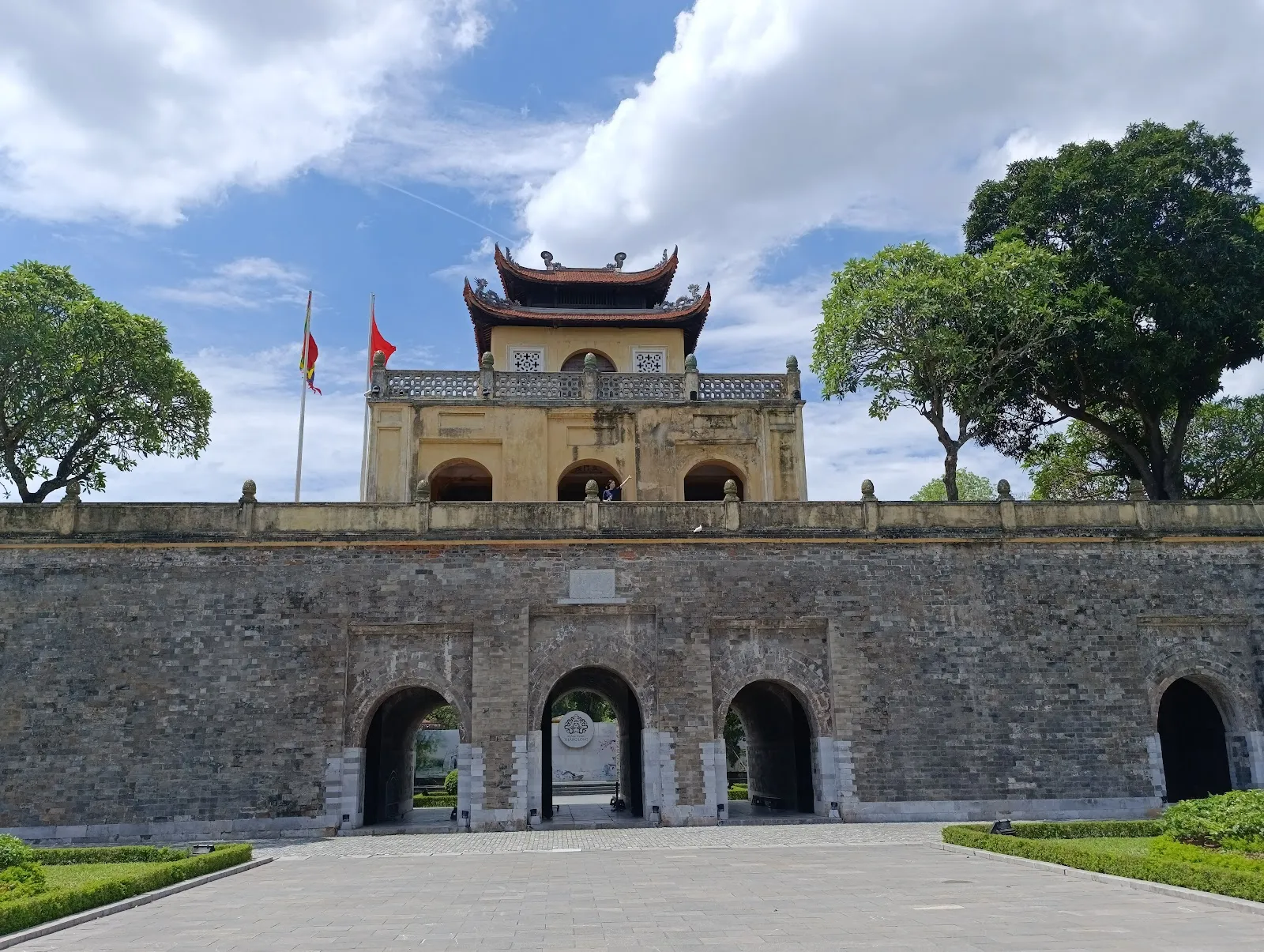
The Imperial Citadel of Thang Long is a UNESCO World Heritage Site in Hanoi’s Ba Dinh district, at 19c Hoàng Diệu. For more than a thousand years, this complex was a centre of political power, and its grounds preserve traces of successive Vietnamese dynasties. Walk through Đoan Môn, the main gate, see the Kinh Thiên Palace steps and explore archaeological displays, then visit the D67 Revolutionary House and bunker. Gardens and open lawns give the site room for a quiet, unhurried visit.
A centre of power across dynasties
The citadel is linked to the history of Thang Long and Hanoi across more than a thousand years. Its story reaches back to the early periods of the city and includes the Ly, Tran, Le and Nguyen dynasties. The Ly ruler Ly Thai To moved the capital to Dai La in 1010 and established Thang Long as a seat of power. The complex remained a political centre for centuries, until the capital moved to Hue in 1810.
The site is part of the Central Sector of the Imperial Citadel of Thang Long, named a UNESCO World Heritage Site in 2010. What remains today is a layered record of the city’s past rather than a complete palace complex. Buildings, foundations and excavated objects help show how the area changed over time. Much of the original architecture has disappeared or been altered, so the archaeological remains are an important part of the visit.
Gates, palace remains and archaeological finds
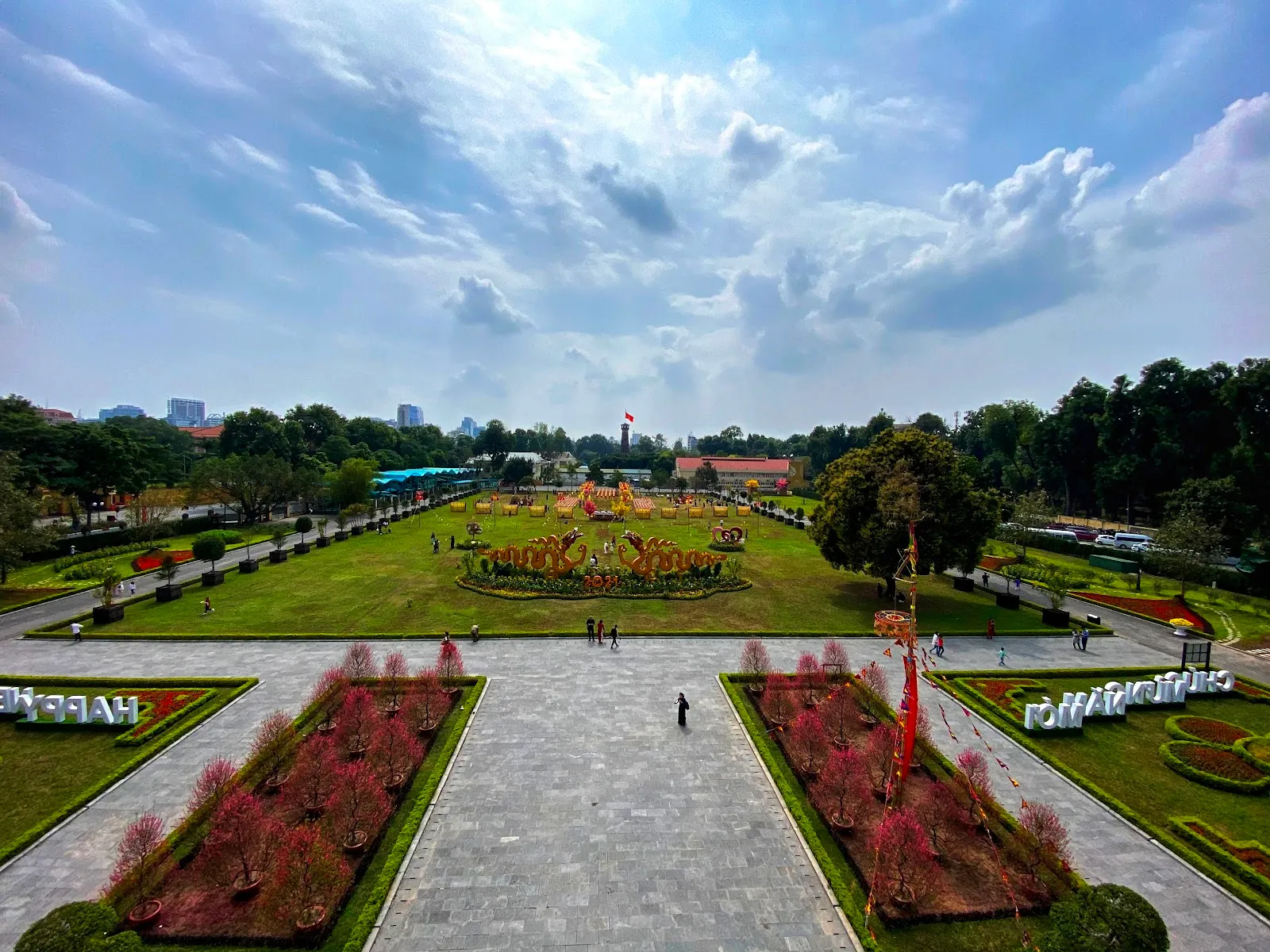
Đoan Môn is the main gate to the palatial complex and one of the most recognisable surviving structures. The Kinh Thiên Palace steps, including the stone dragon steps, offer another glimpse of the imperial setting. The grounds also contain historic buildings, gardens and open courtyards. Hanoi’s Flag Tower stands nearby and is closely associated with the area’s history.
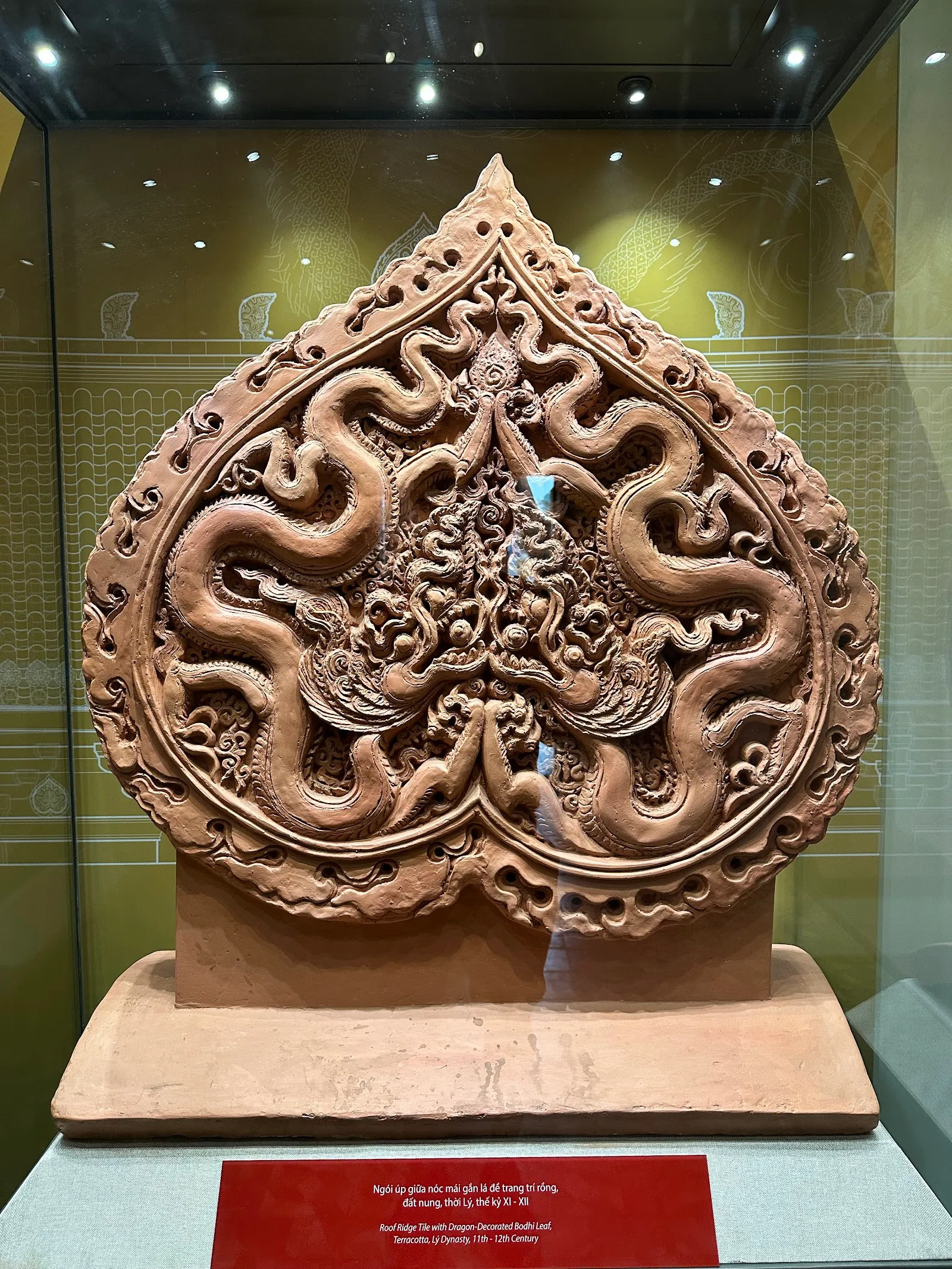
Across the road, the archaeological area at 18 Hoàng Diệu displays remains uncovered during excavations. Finds from the site include foundations of palaces, old roads, ponds and wells, as well as ceramics, pottery and bronze coins. The objects span different periods, with material dating from the early centuries through to more recent history. Display rooms provide context for the excavated items, while models help visitors picture the citadel’s earlier form.
Excavation and conservation work continue at the complex. The contrast between visible buildings and buried foundations is part of what makes the visit useful for understanding how successive rulers built on the same site. Set aside time for both sides of the road; the archaeological area is included on the same ticket.
D67 and the wartime citadel
The D67 Revolutionary House and its underground bunker show a later chapter in the site’s history. The house served as a headquarters for North Vietnamese military leadership, and the bunker was used during the war. Inside, visitors can see preserved rooms and wartime features, including wall maps and communication equipment. The military buildings sit within the former imperial complex, adding a different layer to the remains of gates and palaces.
A visit works best on foot, with time to move between the buildings, displays and outdoor spaces. The grounds are spacious, so there is room to pause in the gardens as well as explore the exhibits. If you want a fuller picture, include the archaeological area and the wartime buildings rather than limiting your walk to the main gate. The site is open daily from 8 am to 5 pm; ticket purchase in advance is recommended.
FAQ
How long do you need at the Imperial Citadel of Thang Long?
Plan for about one to two hours. Allow longer if you want to see the exhibitions, D67 bunker and archaeological area across the road.
What can you see at the Imperial Citadel of Thang Long?
Highlights include Đoan Môn, the Kinh Thiên Palace steps, archaeological remains and artifacts, and the D67 Revolutionary House and bunker.
Is the archaeological area included in the visit?
The archaeological area across the road is accessible with the same ticket.
When is the Imperial Citadel of Thang Long open?
The site is open daily from 8 am to 5 pm. Advance ticket purchase is recommended.