Guernsey, in the Channel Islands off the coast of Normandy, pairs beaches and rocky coves with coastal paths, historic fortifications and good local food. You can swim, paddleboard or look for marine life in rock pools, then follow the southern cliff paths for views across the water towards Jersey and France. In St Peter Port, the island’s main town, explore the harbour and its old streets before stopping for seafood. Guernsey suits a trip built around walking, the coast and a slower pace; narrow country roads call for care if you cycle or drive.
Beaches and the southern coast
Guernsey’s coastline ranges from sandy beaches to rocky coves and sheltered bays. There are 27 beaches across the island, with opportunities for swimming, paddleboarding, kayaking and sunbathing. At low tide, the shore also reveals pools where crabs and fish can be seen among the rocks.
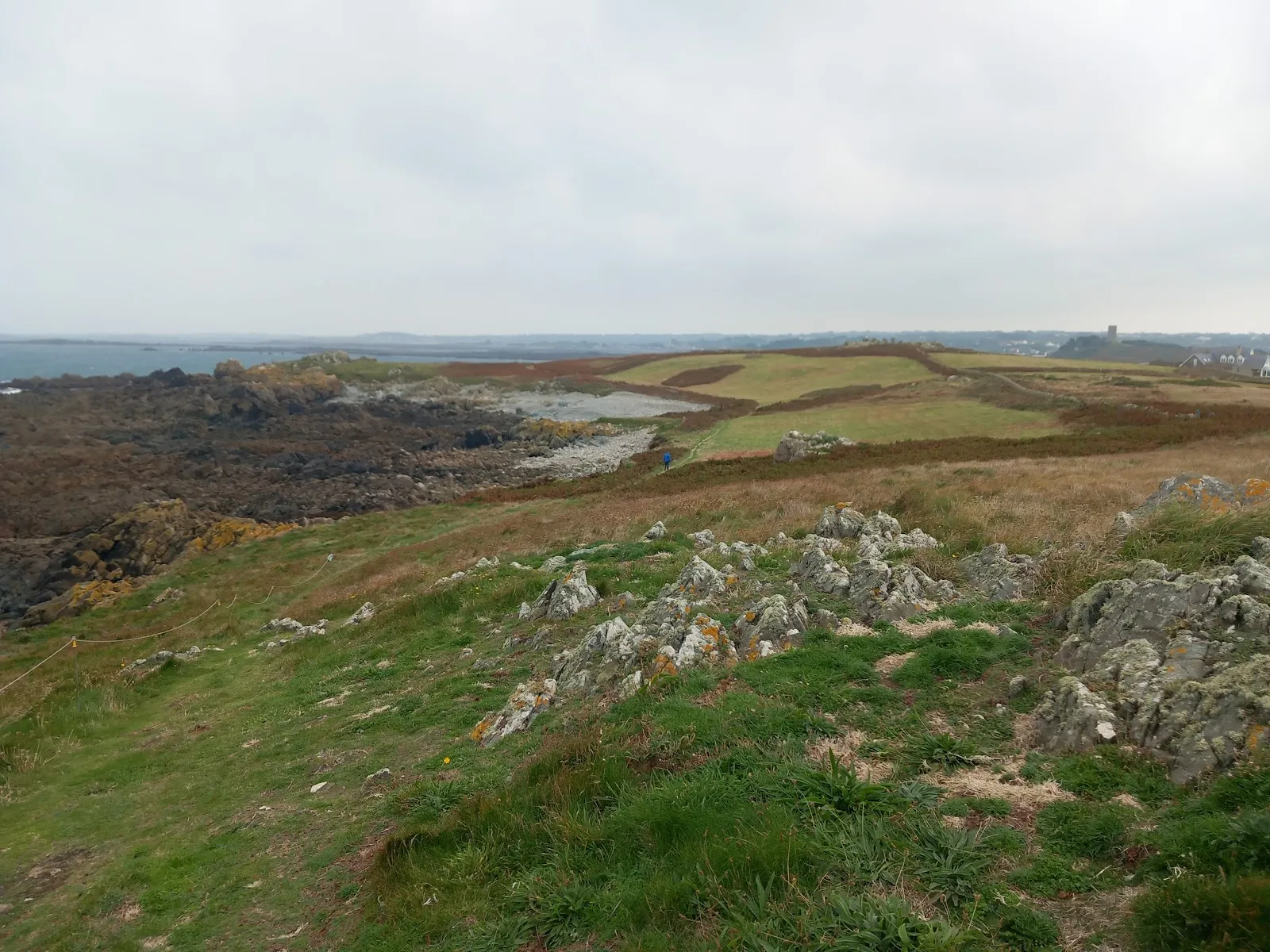
The south coast has a different character from the sandy stretches: follow the cliff paths past jagged headlands, small bays and old defensive positions. Some sections are challenging, so choose a walk that fits your ability and leave time to enjoy the views across the water towards Jersey and France. The coastal route is a good way to combine scenery with glimpses of the island’s military history.
St Peter Port and island history
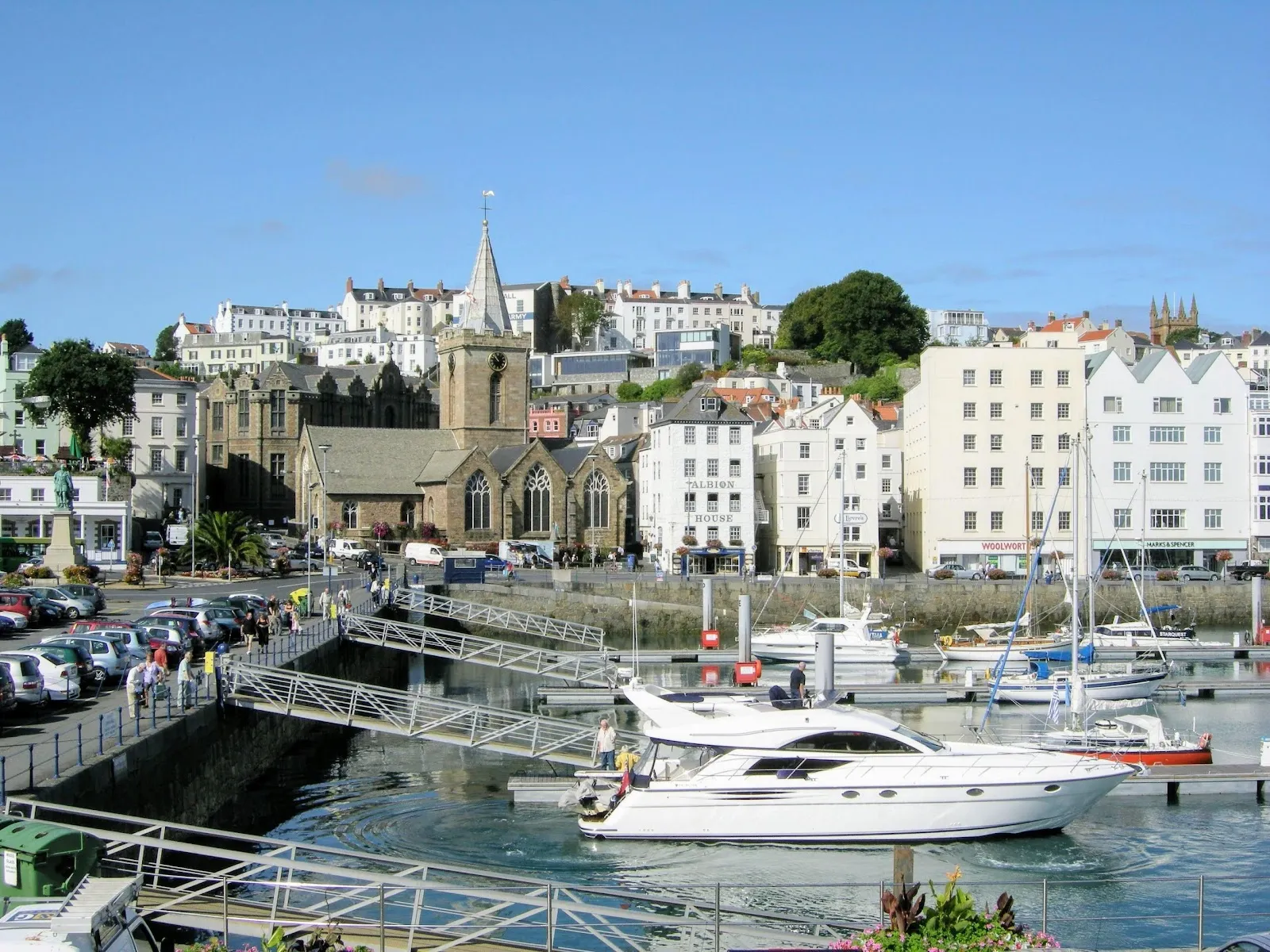
St Peter Port is Guernsey’s main town, set around its harbour and marinas. Its streets climb uphill among well-preserved buildings, including Georgian and Victorian architecture, while the waterfront has pubs and restaurants. From higher parts of town, views can reach the nearby islands and the coast of Normandy.
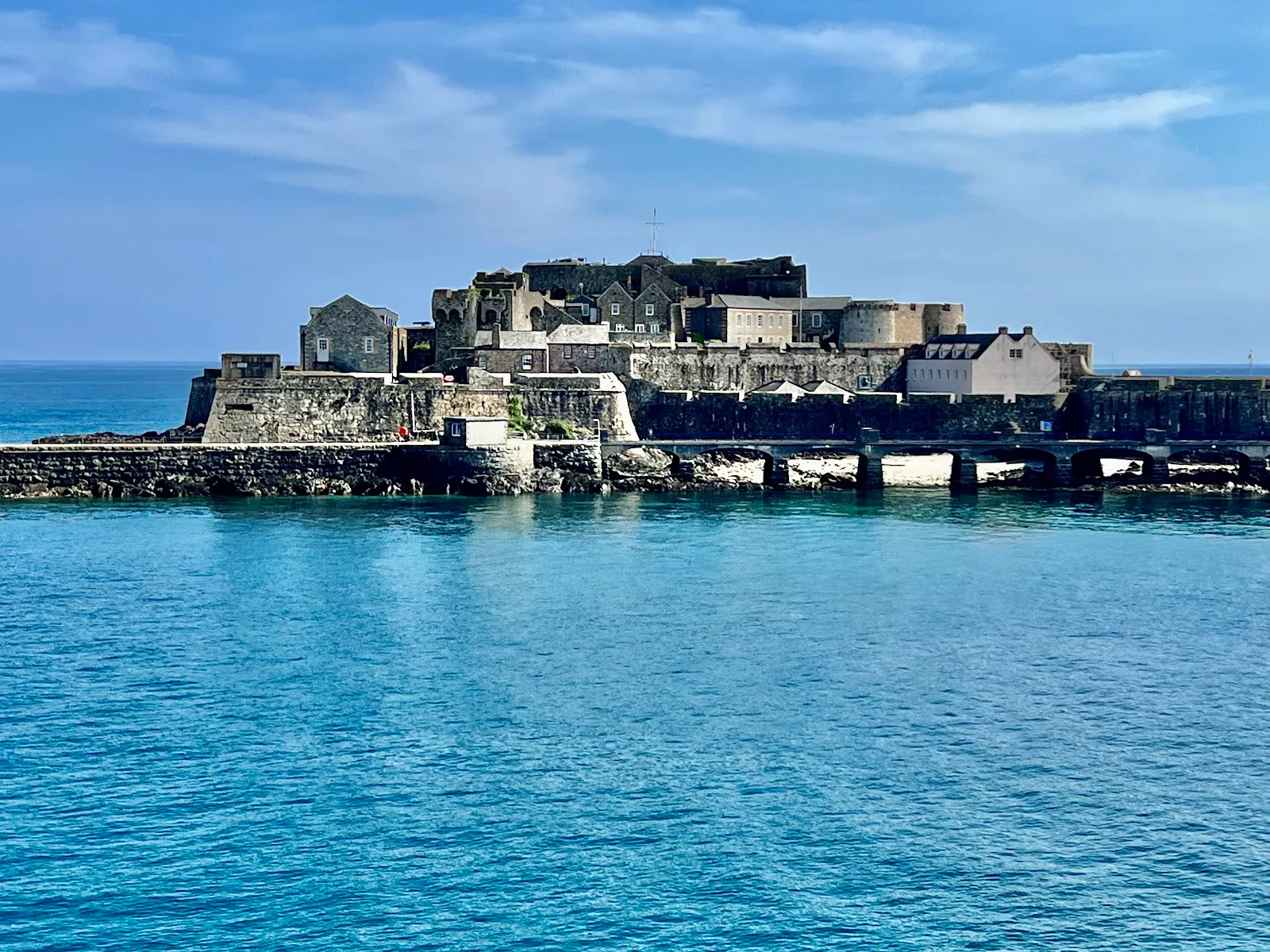
Castle Cornet stands by the harbour and has defended it since the 13th century. Other places to explore include the house where Victor Hugo lived during his exile from France, and the island’s many forts and wartime remains. Guernsey was occupied by German forces during the Second World War, and bunkers and other reminders of that period can still be found around the island.
Getting around beyond the capital
Away from St Peter Port, Guernsey’s lanes lead through quieter countryside to beaches, villages and coastal paths. Cycling is a useful way to explore: the island has designated peaceful lanes where cyclists have priority. Roads can be narrow, with small pavements and stone walls, so ride carefully and allow extra time between stops.
Walking is another practical way to see the coastline and countryside. Routes range from short outings to longer coastal hikes, including a circuit around the island. If you want to focus on beaches, check the conditions before setting out, since tides affect the shore and access to some places.
Seafood and local produce
Guernsey’s restaurants serve fresh seafood alongside food from a range of cuisines. Crab, lobster, squid and shellfish appear on island menus, and local produce is available at artisan eateries. St Peter Port is a convenient base for a meal, with restaurants and pubs around the harbour; elsewhere, food stops can be combined with a coastal walk or beach visit.
A slower pace is part of the appeal for visitors who want time outdoors rather than a packed schedule. You can spend a morning on a cliff path, stop at a beach or cove, then head into town for a meal. In summer, warmer weather makes water activities more appealing, though Guernsey is not always warm.
FAQ
How many beaches does Guernsey have?
Guernsey has 27 beaches, with sandy shores, rocky coves and sheltered bays. Activities include swimming, paddleboarding and kayaking.
What can you see on Guernsey’s south coast?
The southern coast has cliff paths, rocky coves and historic defensive positions. Walkers can see across the water towards Jersey and France.
Is Guernsey suitable for cycling?
Yes. Peaceful lanes give priority to cyclists, though many roads are narrow and edged by small pavements and stone walls.
What local food should you try in Guernsey?
Seafood is a strong choice, including crab, lobster, squid and shellfish. Restaurants also serve local produce.