The National Taiwan Museum of Fine Arts is on Wuquan West Road in Taichung's West District. It opened in 1988 and is Taiwan's only national fine arts museum. Its collection centres on Taiwanese art from the eighteenth century to today, and it also hosts international exhibitions. The building has 24 exhibition halls, a bright open layout and a staircase that is the highlight of the interior. Outside, a sculpture park and lawns surround the museum. General admission is free, and the museum is closed on Mondays.
From provincial museum to national collection
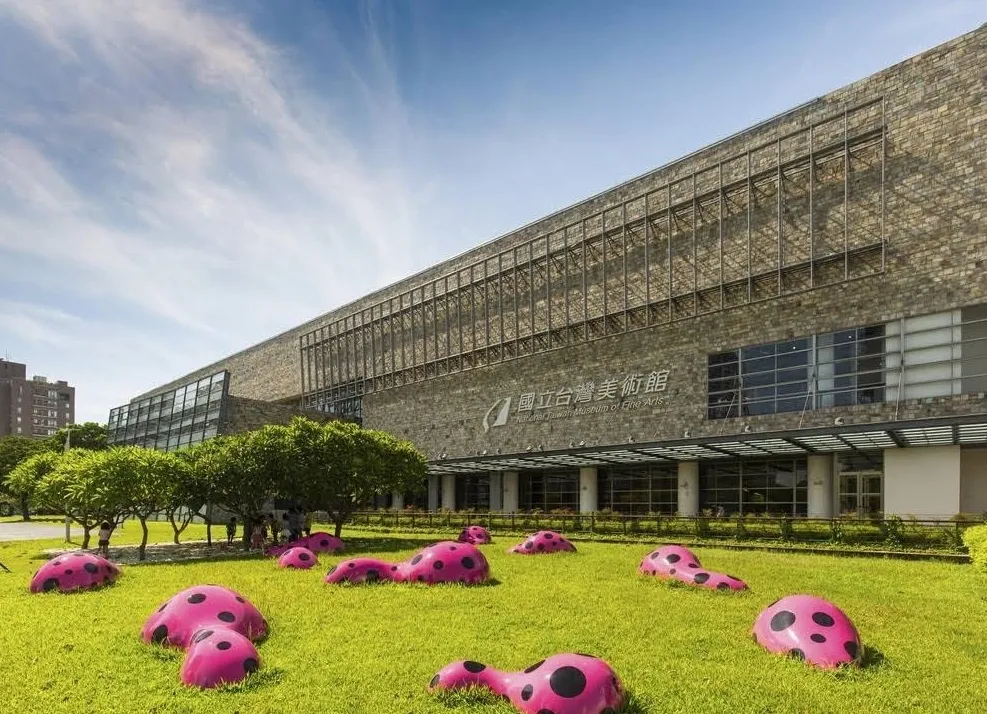
The museum opened in 1988 on Wuquan West Road. Its predecessor was the Taiwan Provincial Museum of Fine Arts. It is Taiwan's first and only national-grade fine arts museum, and its programme is built around the development of Taiwanese art, with particular attention to the character of modern Taiwanese visual arts.
The great earthquake of 1999 damaged the building. Five years of renovation followed, and the museum reopened larger, with a more dynamic interior and exterior.
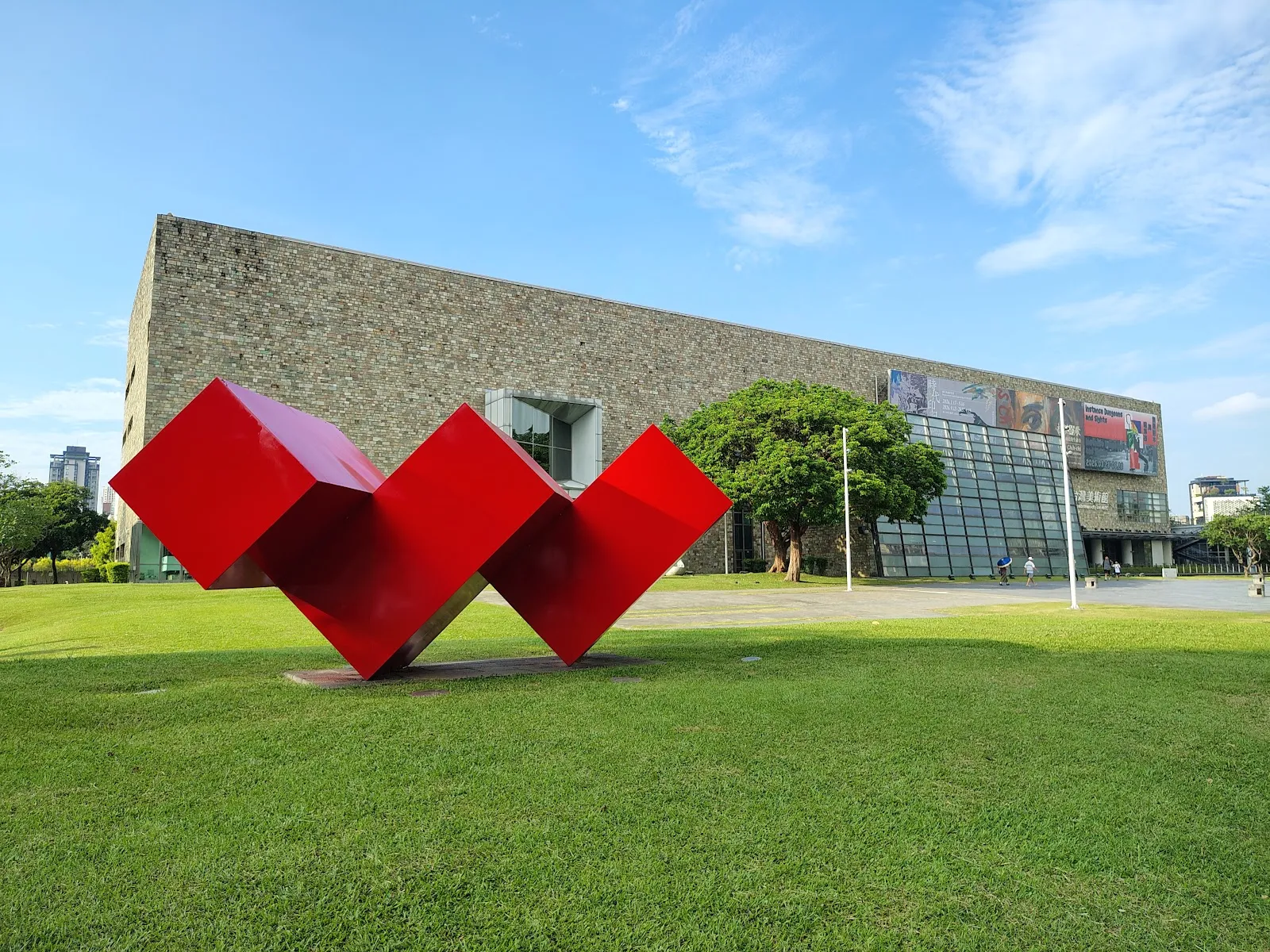
The architecture is simple and regular in shape. A flight of steps descends to the ground, and natural stone tiles cover much of the exterior, so the building seems to merge with the sky.
Inside the galleries
There are 24 exhibition halls across four levels of exhibition space, with permanent and temporary displays. The permanent collection holds works by Taiwanese artists from the eighteenth century to the present. One piece to look for is Daughter of Nectar by the sculptor Huang Tu-shui.
The halls are well lit and the layout is open, so the rooms are easy to move through. The staircase is the part of the interior people tend to remember. Some exhibits have seating areas, so you can slow down and take in a work for a while.
The programme changes, and the shows range from historical surveys to contemporary installations. The museum is known for the Taiwan Biennial. On a typical visit, floors 1 and 2 have focused on multimedia and screen-based work, including a VR art experience, and the third floor has sometimes been closed for exhibition setup. Check the museum website for current shows before you go.
The garden and the green belt
The grounds are part of the visit. The front garden holds large sculptures and art installations spread across well-kept lawns, and an outdoor sculpture park shows how Taiwanese sculpture has developed. The lawns are used for reading and resting.
The plaza in front of the museum is lively, and around 6 am you can watch people practising tai chi there. The museum sits at the southern end of the Calligraphy Greenway. From here you can walk along the green belt to the National Museum of Natural Science.
Visiting with children
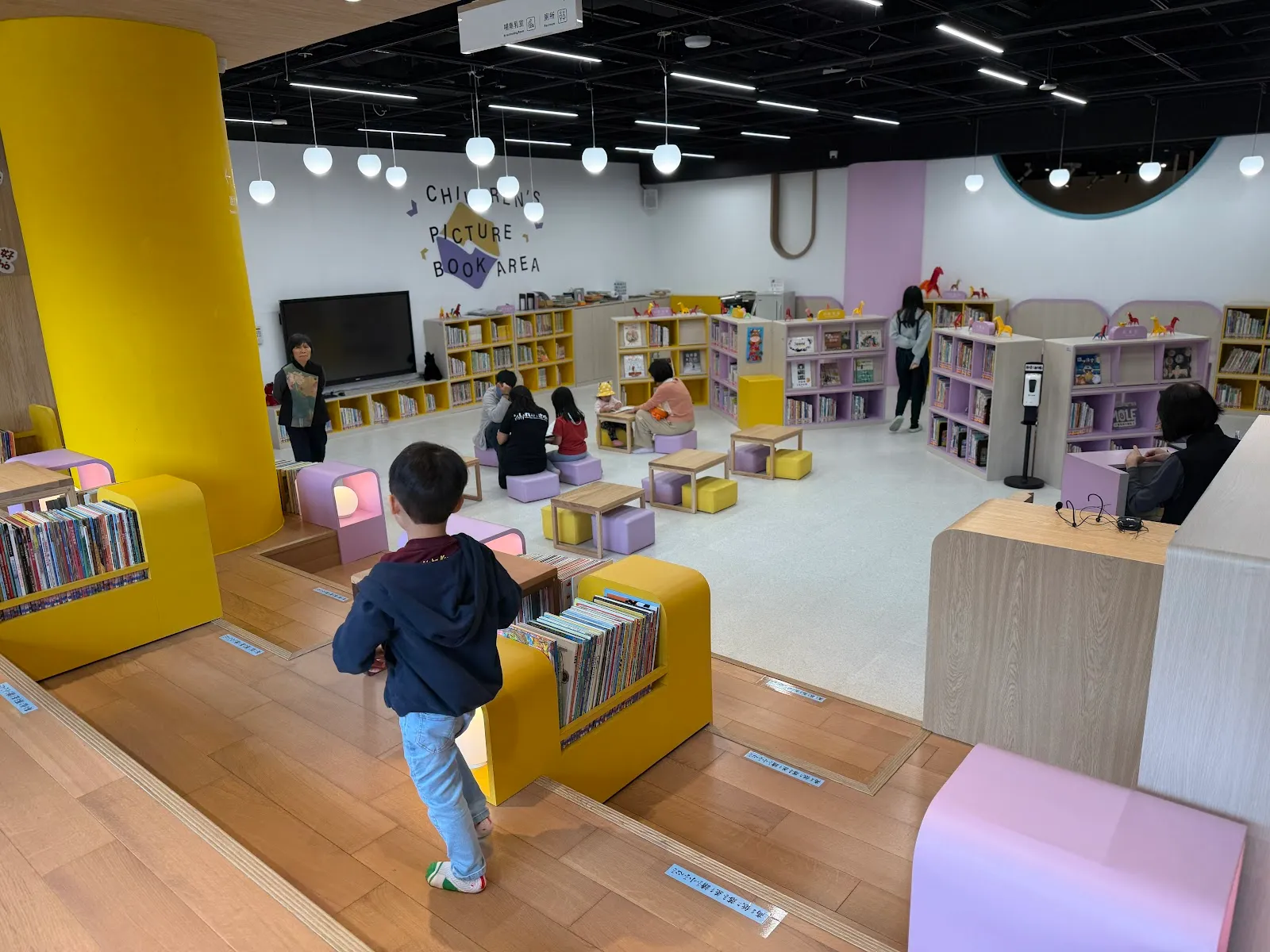
The museum has a Children's Gallery and a Family Room on the lower floors. Children can build the craft project of the month, draw a self-portrait, dress up and try creative puzzles.
The Picture Book Area has a large selection of books in Chinese and English, plus interactive visual books that are changed regularly.
Practical details
The entrance has an accessible entrance, and the museum has accessible restrooms and an accessible parking lot. There are changing tables, and the parking lot is paid. Two cafés inside serve drinks, so you can pause between galleries or start with a cold fruit tea before going in.
FAQ
Is there an entry fee at the National Taiwan Museum of Fine Arts?
General admission is free. Check the museum website for any special events or exhibitions.
Which day is the museum closed?
The museum is closed on Mondays and open the other six days of the week.
How long do you need at the museum?
Allow one to three hours. An hour is enough for a quick look at the main halls, and the garden and cafés add more time.
Is the museum good for children?
Yes. The Children's Gallery and Family Room have hands-on art activities, and the Picture Book Area has books in Chinese and English.
Can you get to the museum on foot from the Calligraphy Greenway?
Yes. The museum is at the southern end of the Calligraphy Greenway, and a walk along the green belt connects it to the National Museum of Natural Science.