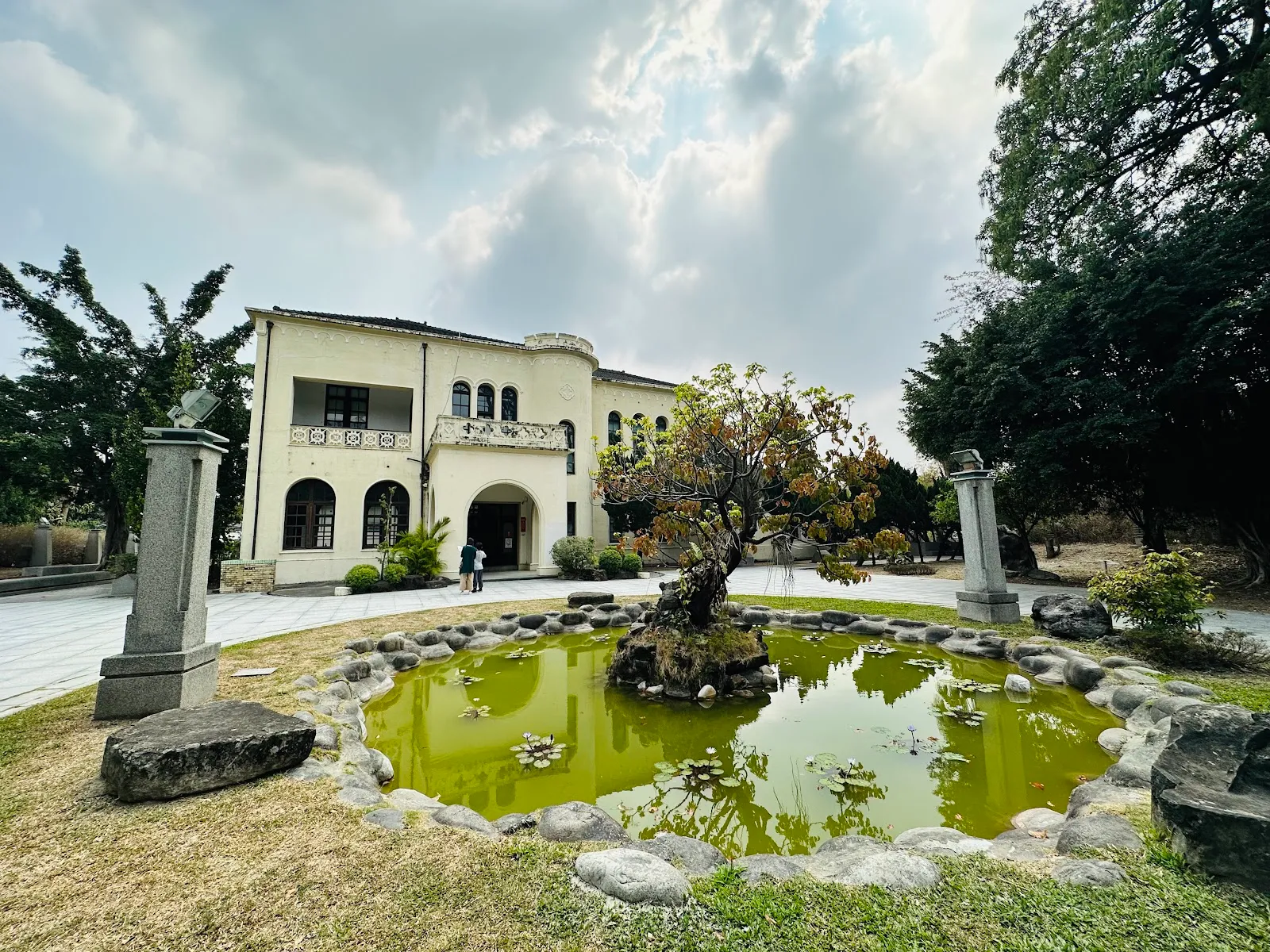
The National Museum of Natural Science is Taiwan's first natural science museum. It opened in 1986 on Guanqian Road in Taichung's North District. The campus covers about 22 acres and is divided into the Life Science Hall, the Human Cultures Hall and the Global Environment Hall, plus a science center, a space IMAX theater and a botanical garden. Highlights include the dinosaur gallery, a tropical rainforest greenhouse, wildlife dioramas and displays of gems and minerals. Plan several hours and choose a few halls, because the collection is too large for one short visit.
How the museum is laid out
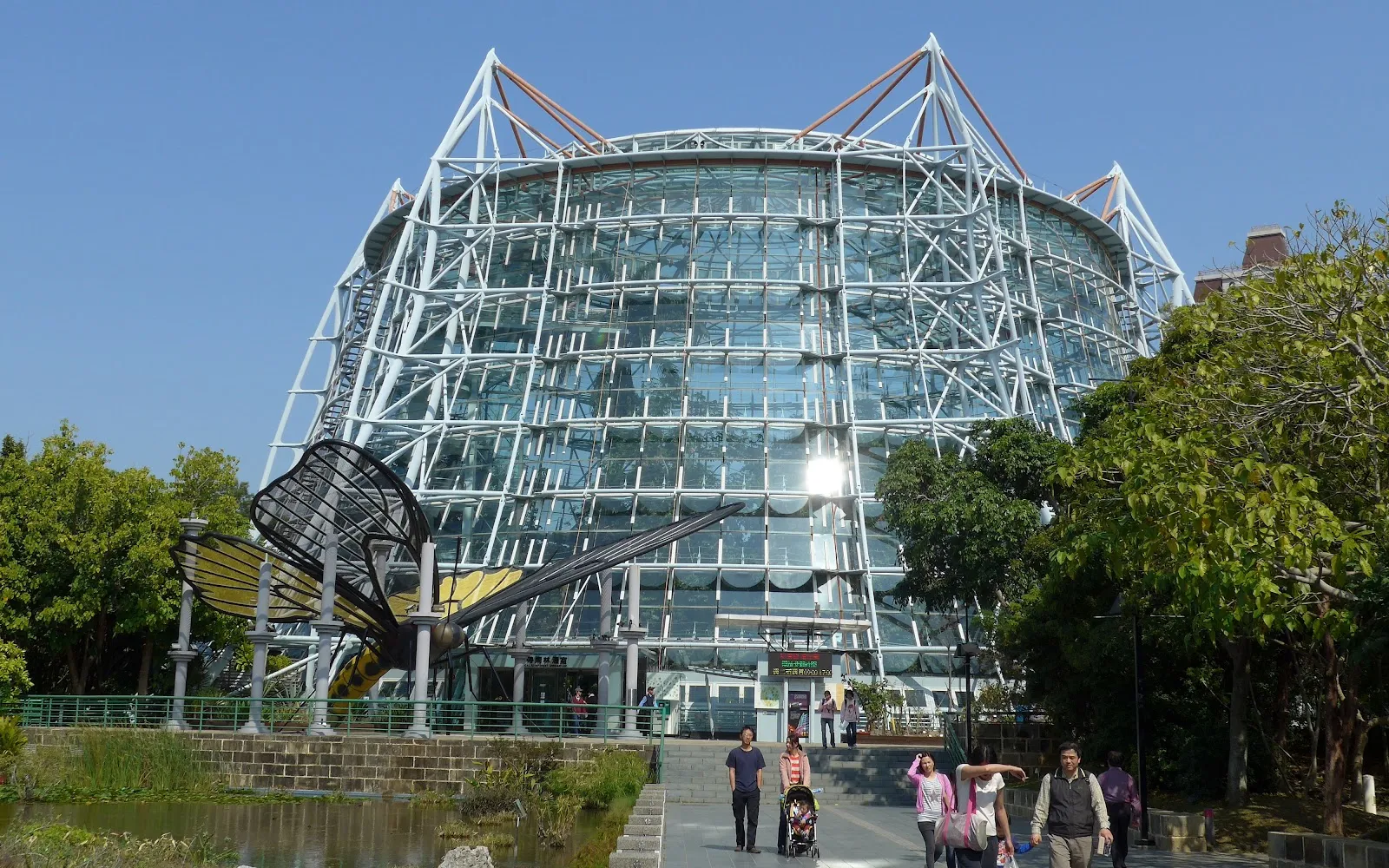
The National Museum of Natural Science opened in 1986 and was the first science museum in Taiwan. It sits at the northern end of the Calligraphy Greenway, on a campus of about 22 acres. The collection is spread across several venues: the Life Science Hall, the Human Cultures Hall, the Global Environment Hall, the Science Center, the Space IMAX Theater and the Botanical Garden.
The subjects run from zoology, botany and geology to anthropology and astronomy. Because the venues are separate buildings, you can buy a ticket for one or a pass that covers several. Choosing in advance which buildings matter most to you is the simplest way to plan the day.
Dinosaurs, fossils and the life science halls
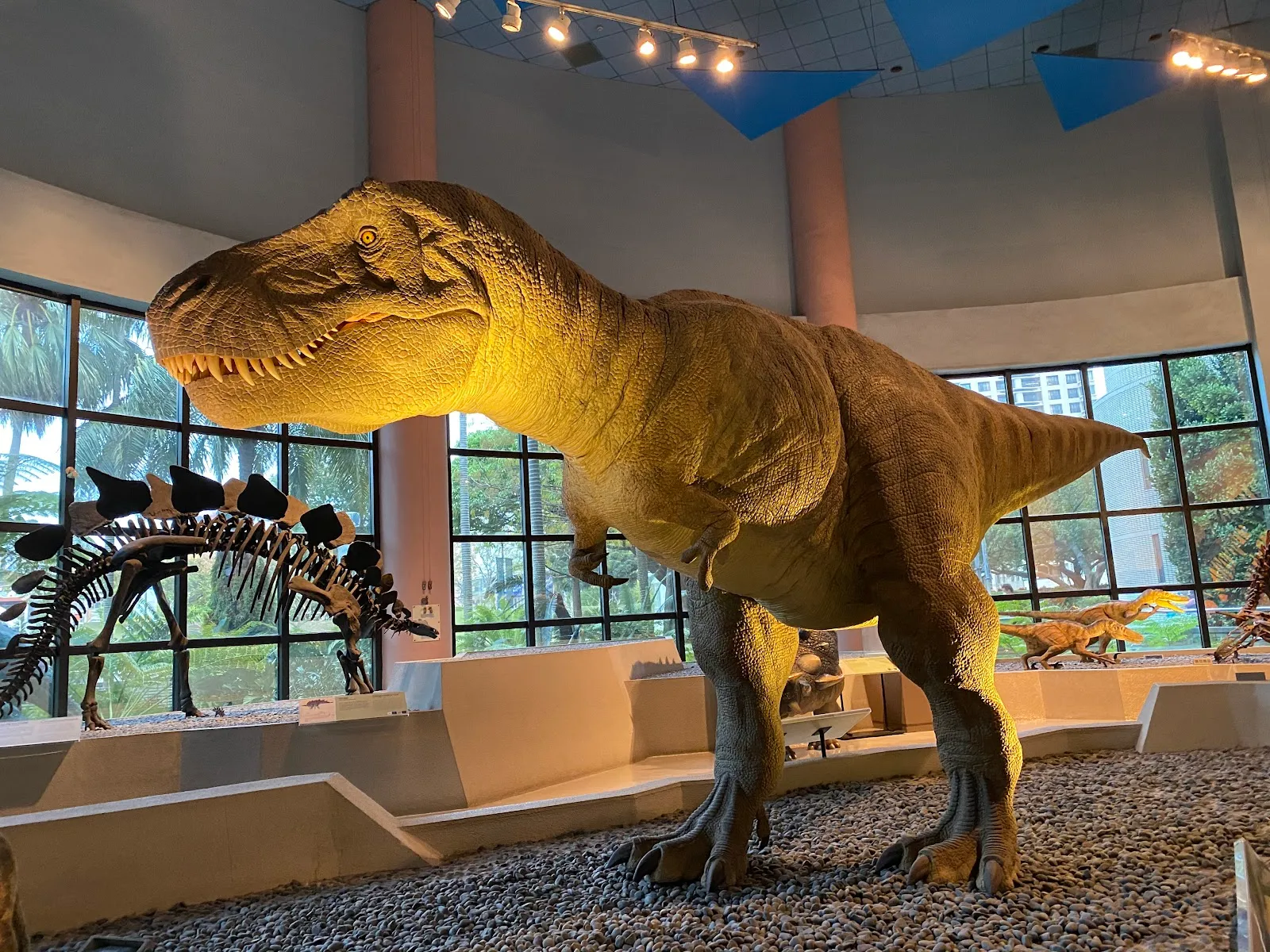
The Gallery of Dinosaurs is the section most often named by families. It includes large animatronic dinosaurs, which can be intense for very small children. Other displays cover earlier epochs and the ice age, with fossils and the skeletons of extinct animals.
Near the entrance, a skeleton of a Palaeoloxodon elephant greets visitors. Elsewhere you will find a preserved giant squid, wildlife dioramas, a marine life section, detailed models of the Sun and displays on architecture. The Bird Garden, which holds nearly a hundred bird species, uses simulated habitats so that children can watch birds at close range.
The museum also shows minerals, gemstones and crystal specimens. Temporary exhibitions change, and a recent one presented a range of unusual crystals.
The Human Cultures Hall
For visitors from abroad, this hall is often the most informative. Its sections cover Chinese culture, agriculture, spiritual life and scientific achievements, and it gives space to Taiwan's indigenous peoples, including Austronesian cultures. Taiwanese and international displays share the museum, and the Human Cultures Hall gives the clearest picture of how people in Taiwan have lived, worked and worshipped.
If your time is short, this hall and the dinosaur gallery together make a balanced visit.
The Science Center and children's rooms
The Science Center is built around hands-on exhibits. On the fourth floor, the Material World section explains how gyroscopes and pulley systems work, and in the Fantastic Space you can stand inside a giant bubble. On the fifth floor, the Children's Discovery Room is a play and learning space for children aged 3 to 8. Children there must be accompanied by an adult.
The Children's Exploration Center adds interactive games and craft activities. Staff are described as approachable, and the museum has plenty of restrooms, water dispensers and changing tables.
Theaters, the greenhouse and the garden
The Space IMAX Theater shows films on space exploration, natural wonders and scientific discovery on a screen that wraps around the audience. It carries a separate charge of NT$100 and draws long queues at busy times. The museum has other theaters too, including a 3D theater, and holds live performances.
The Botanical Garden is large and includes the Tropical Rainforest Greenhouse and the water-powered Armillary and Celestial Tower. The garden is a pleasant walk, but mosquitoes are common, so bring repellent.
The interior halls are a good choice on a hot, humid or rainy day.
Tickets and how a visit works
Admission to individual buildings starts at NT$20, and some zones charge between NT$20 and NT$100. Some areas outdoors can be entered without a ticket. The museum is closed on Mondays, and advance tickets are recommended on busy days.
For the museum's 40th anniversary, the galleries (the Life Science Hall, Human Culture Hall and Earth Environment Hall) are free on Fridays from 2:00 to 5:00 PM throughout 2026. The offer does not cover ticketed special exhibitions, the theaters, the Science Center, the Botanical Garden or the outlying park sites.
Weekends are busy with local families. On a typical visit, about two hours covers only part of the museum, and many people choose a half day or a full day.
FAQ
How much is the entry fee at the National Museum of Natural Science?
Admission to individual buildings starts at NT$20, and some zones charge between NT$20 and NT$100. The Space IMAX Theater costs an extra NT$100. You can also buy a pass that covers several venues.
How long do you need at the museum?
Two hours covers only part of it. Most people spend about three hours on a selection of halls, and a half day or a full day lets you see most of the collections.
Is the National Museum of Natural Science good for kids?
Yes. It has a dinosaur gallery, hands-on Science Center exhibits, a Children's Discovery Room for ages 3 to 8, and a Bird Garden. The animatronic dinosaurs can be intense for very young children.
Is there English information at the museum?
Most exhibit labels are bilingual, but detailed explanations are mainly in Chinese. Some key displays have links to English audio explanations.
Can students get a discount?
Yes, on tickets bought in person at the museum. Student IDs from other countries are accepted, but the discount does not apply to online purchases.