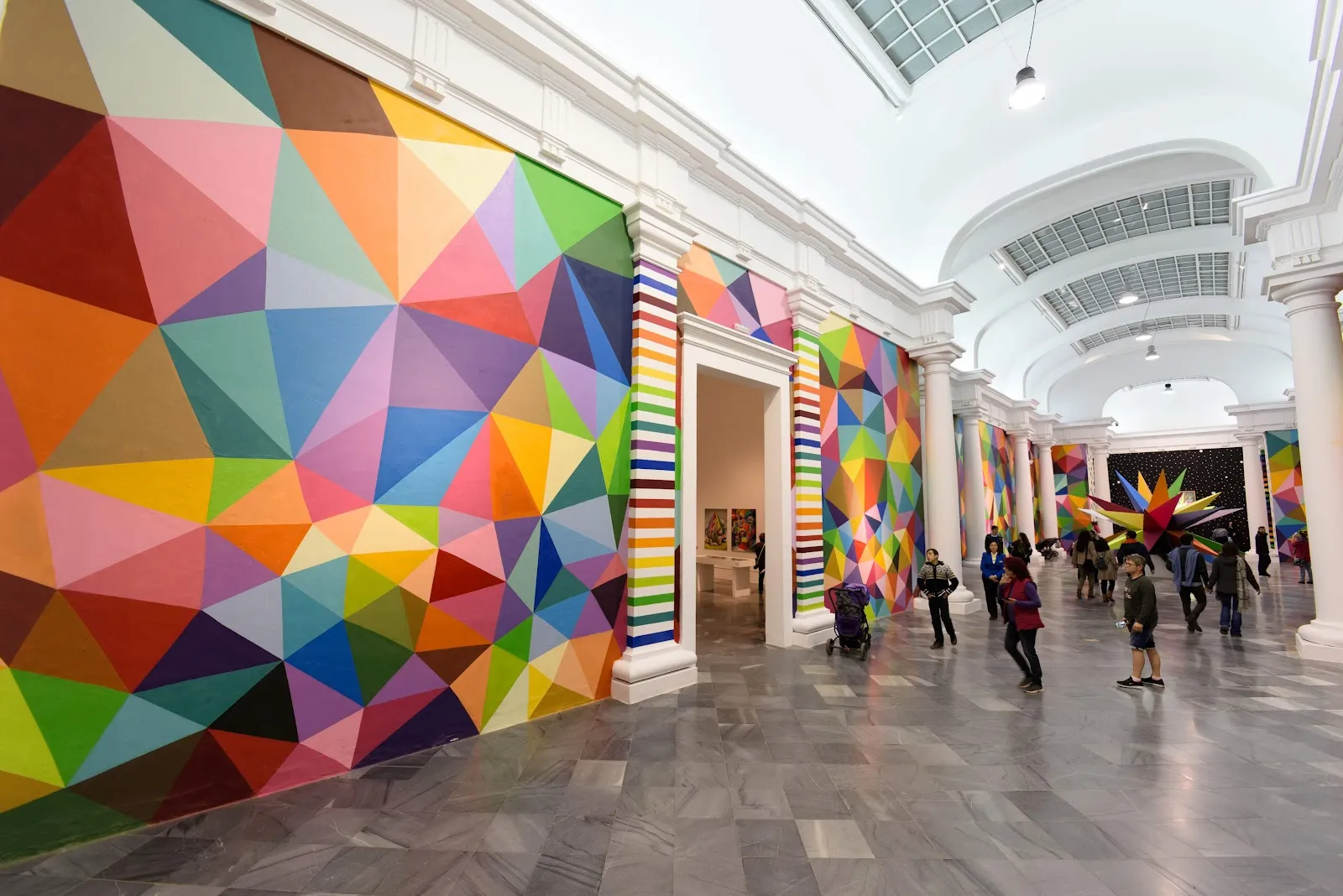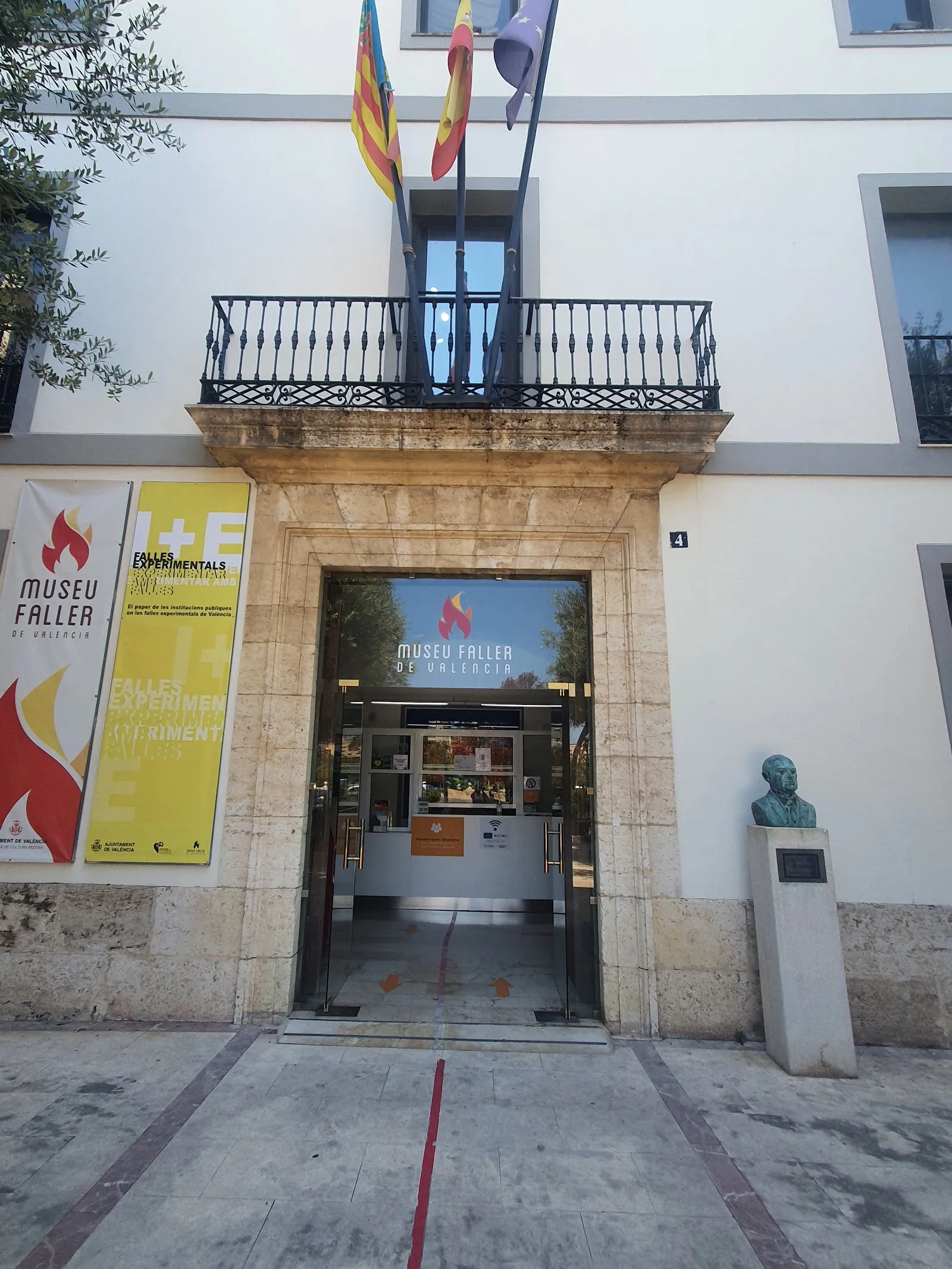
At Museo Fallero de Valencia, you can follow the story of Las Fallas through the figures spared from the festival’s fires. The collection includes pardoned ninots dating from 1934, with changing styles, comic details and social or political satire. Historic festival posters and portraits of women who took part in the festival add context to the figures. The museum is on Plaza Monteolivete, near the City of Arts and Sciences, and gives you a way to explore the tradition outside its March celebrations.
The figures that escaped the fire
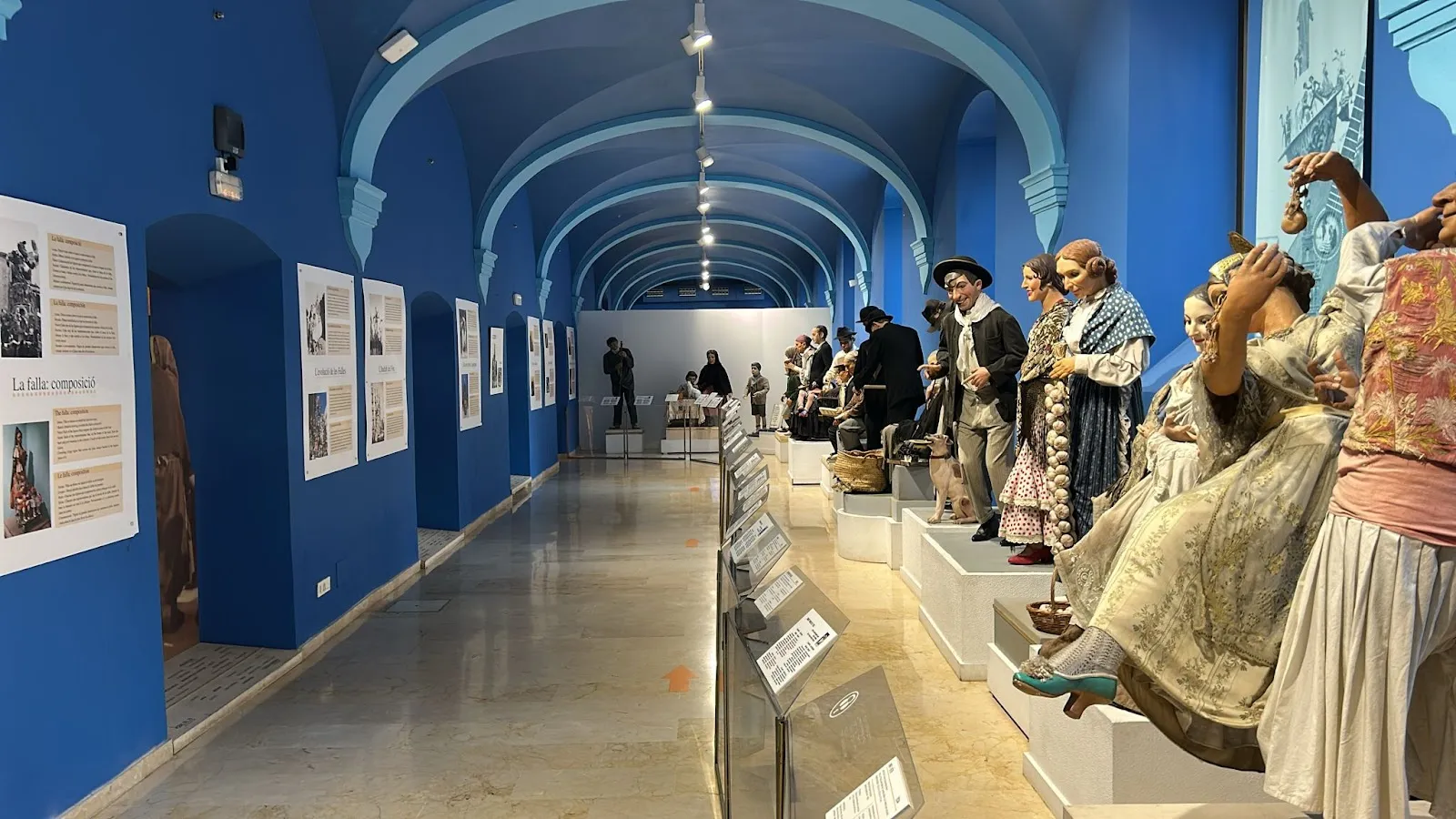
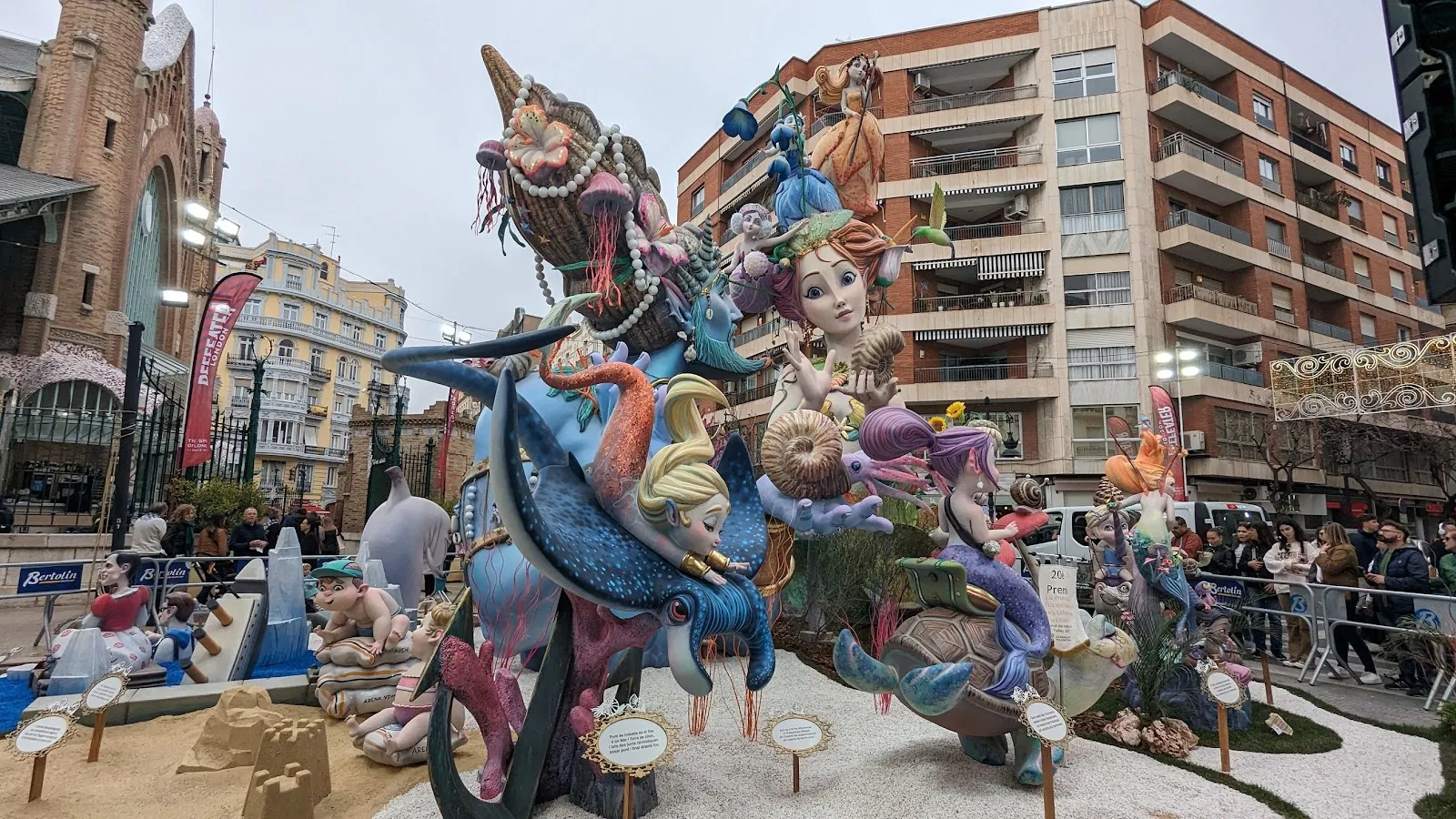
Las Fallas fills Valencia with large, elaborate figures made by neighborhood groups. At the end of the celebrations, the figures are burned. A smaller figure, the ninot indultat, is spared and becomes part of the museum collection.
The saved ninots here date from 1934 onward. Their changing forms and materials trace the festival’s artistic development over the decades. Look closely at their expressions and details: many carry comic or satirical references to social and political life.
Posters and festival portraits
The collection extends beyond the figures. Historic Fallas posters show how the festival has been presented over time, while portraits of women associated with it offer another view of its public traditions.
Together, these displays give context to the saved ninots and the festival they come from. The museum can help explain Las Fallas if you are visiting Valencia outside the celebrations, or provide background before seeing the festival in person.
Planning your visit
Museo Fallero is at Plaza Monteolivete, 4, in the Quatre Carreres district. It is near the City of Arts and Sciences, so the two can be combined in a day’s plans.
The museum closes at 1pm on Sundays, earlier than on other open days. Advance ticket booking is recommended. Sunday admission has been reported as free or €2, so check the current terms before your visit.
FAQ
What can you see at Museo Fallero de Valencia?
The collection includes ninots spared from the Fallas fires, historic festival posters and portraits of women associated with the celebrations.
How old are the saved ninots?
The museum’s saved figures date from 1934 onward.
How long should you spend at the museum?
Allow about 1 to 2 hours to see the figures, posters and portraits.
Is Museo Fallero near the City of Arts and Sciences?
Yes. It is on Plaza Monteolivete, near the City of Arts and Sciences.