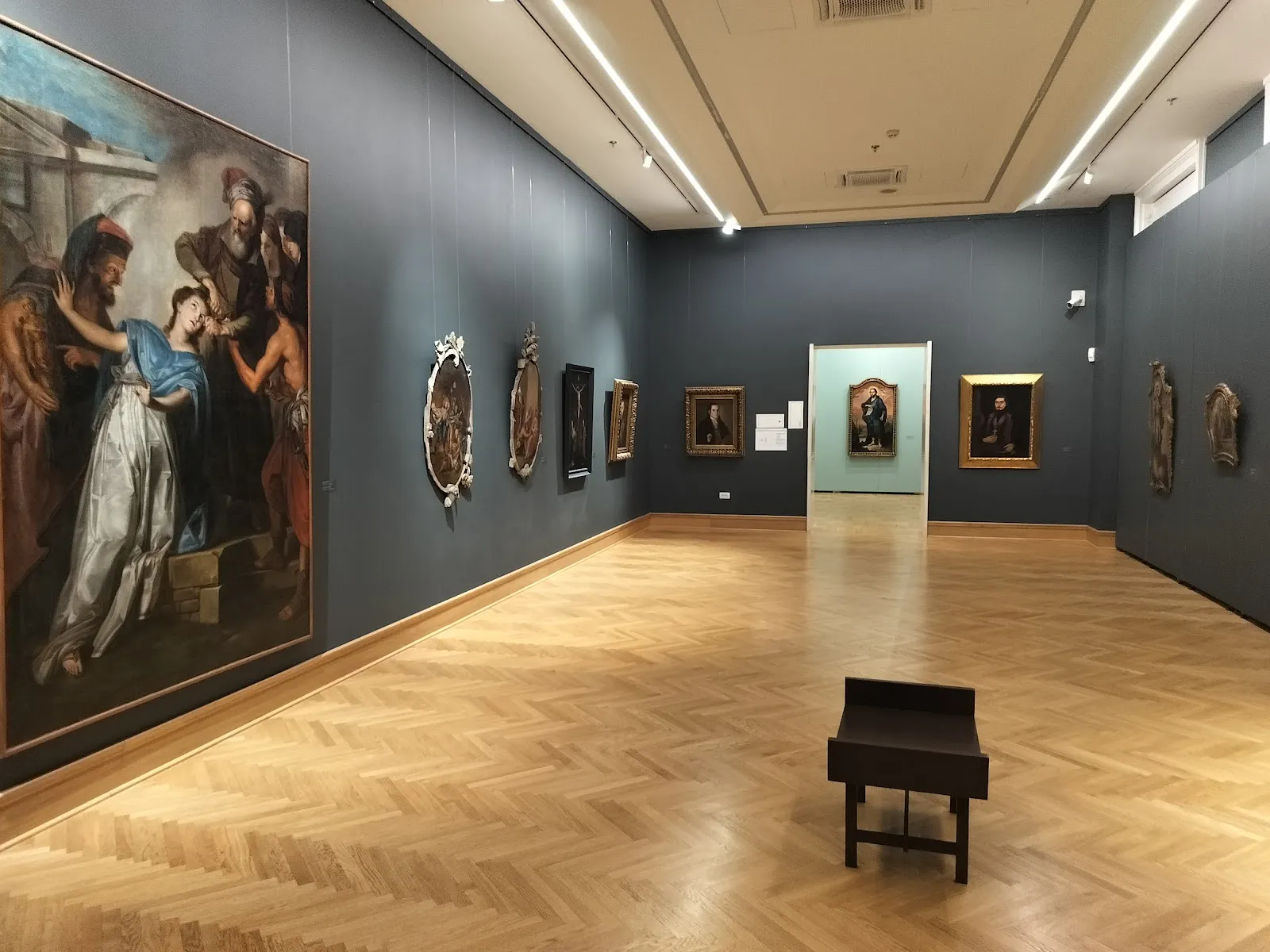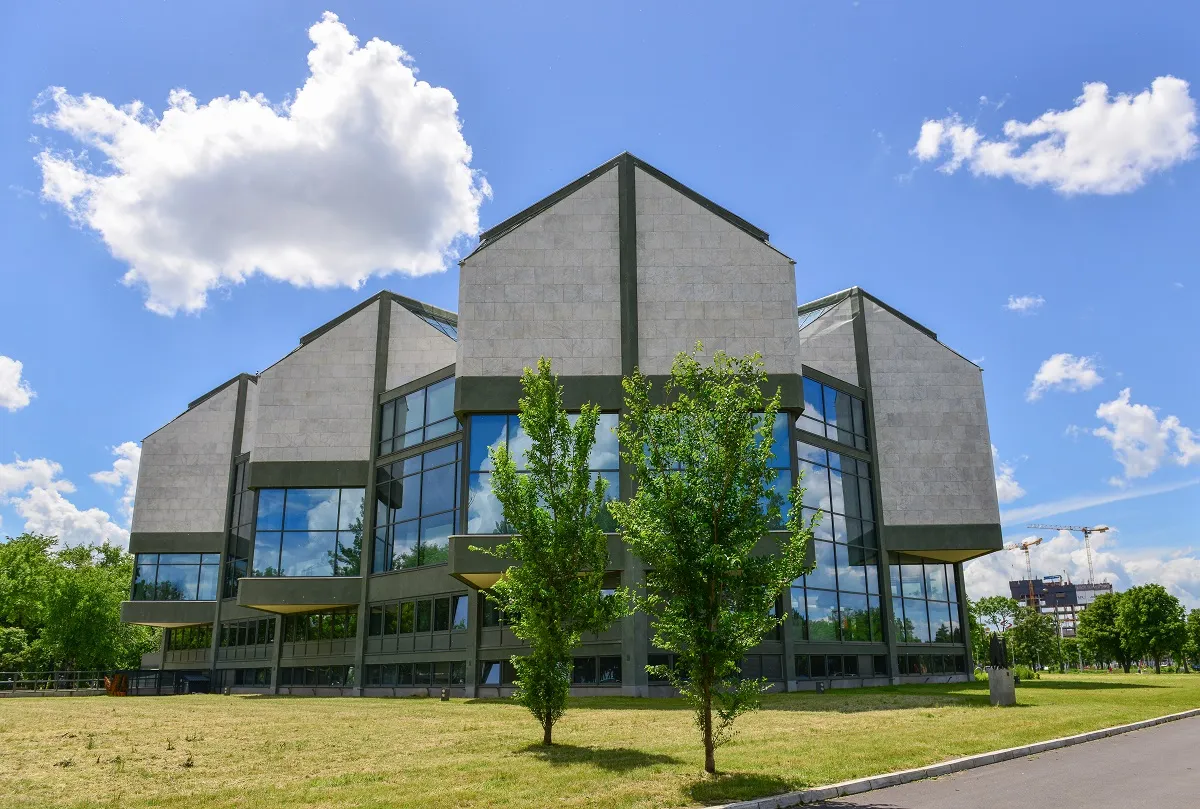
Belgrade’s Museum of Contemporary Art sits in Ušće Park, on the Sava’s left bank opposite the Belgrade Fortress. Its 1960s building, designed by Ivan Antić and Ivanka Raspopović, is worth seeing alongside a collection of more than 8,000 works from Yugoslav, Serbian and international artists. Inside, exhibitions range across painting, sculpture, prints, drawings and newer media, with displays changing over time. Leave time for the sculpture park and views across the river towards the fortress.
A museum founded for modern art
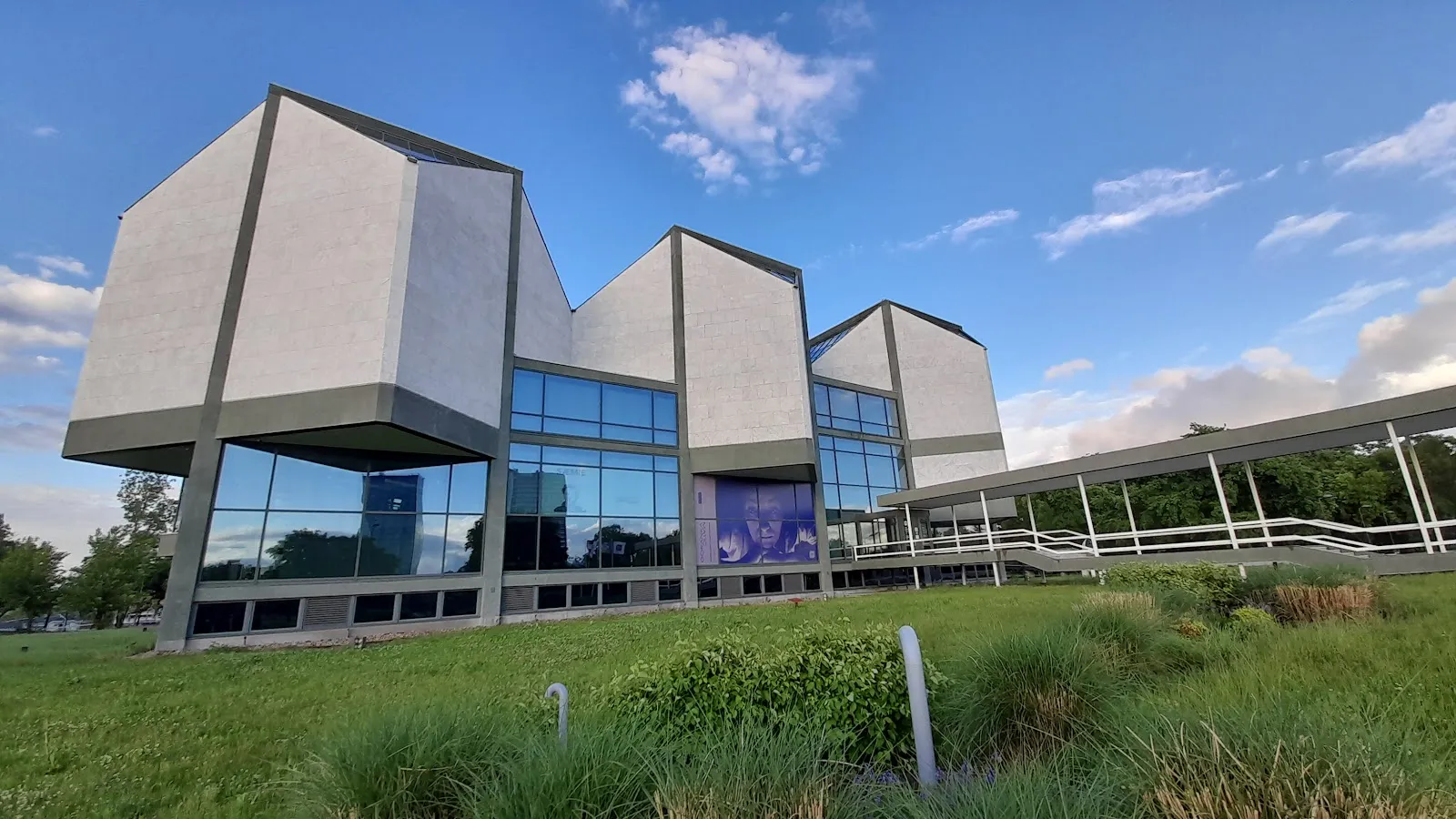
The museum’s origins date to 1958, when Belgrade established the Modern Gallery to follow contemporary art in Yugoslavia and Serbia. It opened as the Museum of Contemporary Art on October 20, 1965. Painter and writer Miodrag B. Protić was its founder and first director.
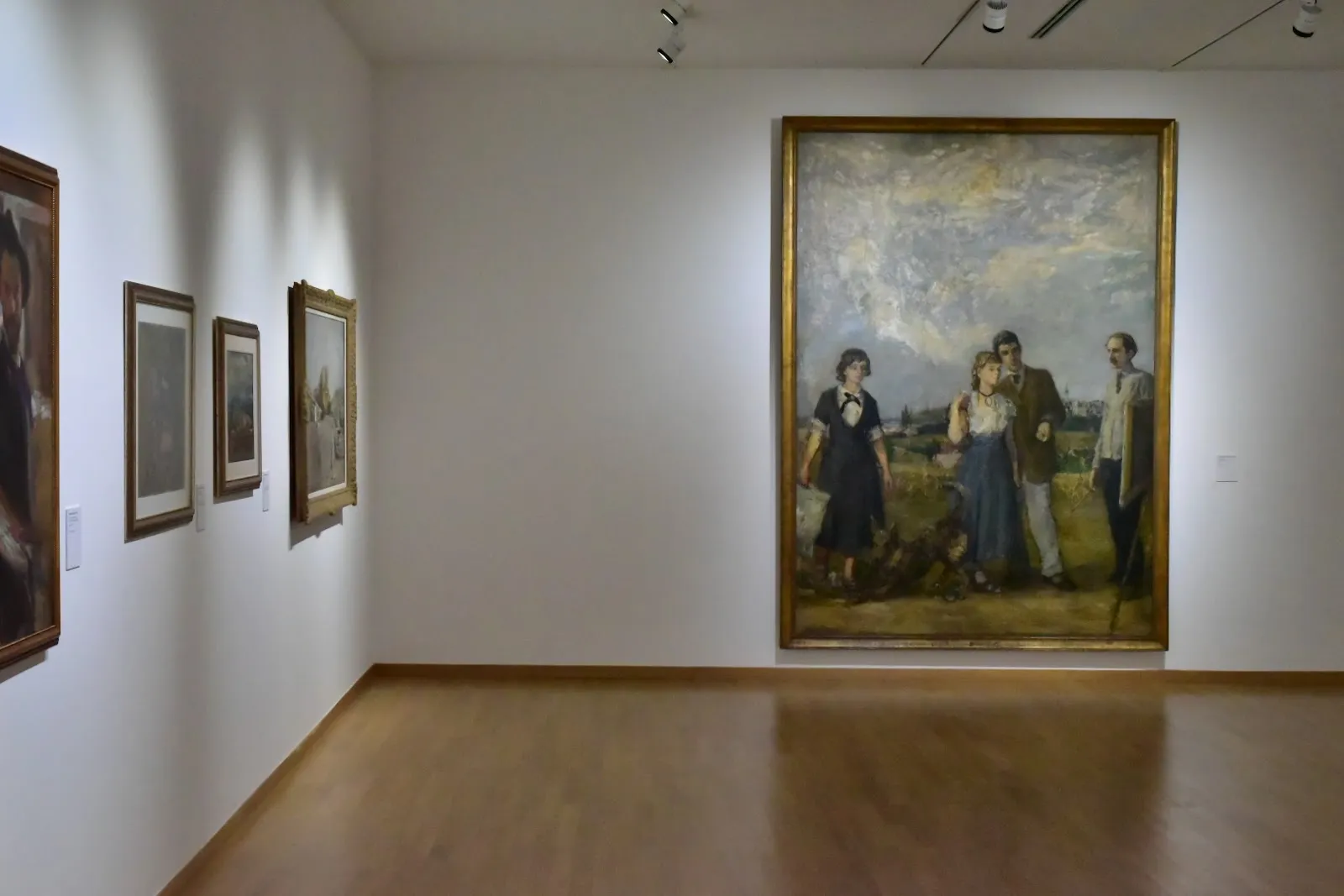
The main collection includes more than 8,000 works made in the Yugoslav region between 1900 and 1991. Painting, sculpture, prints and drawings sit alongside newer art media. The collection brings together major artists and movements from the region, with Serbian and international art also part of the museum’s programme.
A building shaped like a crystal
Architects Ivan Antić and Ivanka Raspopović designed the museum, which was built between 1960 and 1965. Its geometric modernist form sets it apart in Ušće Park, where greenery and open space surround the galleries. The architecture connects the building’s interior and exterior, and the museum’s location puts the Sava and the Belgrade Fortress across the water in view.
Sculptures by influential Yugoslav artists occupy the grounds. Take a little time outside before or after the galleries to see the works in their park setting. From this side of the river, the fortress provides a landmark across the Sava.
Collections, exhibitions and events
The museum presents its collection through changing exhibitions, so the works on view can differ between visits. Displays have included Yugoslav avant-garde art, such as material connected with the 1920s magazine Zenit and the Zenitism movement. Conceptual art is also represented, including a 1970s video work by Marina Abramović.
Temporary exhibitions can span several floors and bring together varied forms, from sculpture and installation to photographs, video and paintings. One exhibition devoted to Italian artist Michelangelo Pistoletto included works from different periods, among them the Mirror Paintings, Venus of the Rags and Minus Objects. The museum also holds film screenings and experimental performances. Check its programme before you go if you want to plan around a particular exhibition or event.
Planning your visit
The museum is at Ušće 10 in New Belgrade, across the river from the historic centre. Buses 15, 60 and 84 cross Branko’s Bridge, and you can also walk from Zeleni Venac over the bridge. The route gives views towards central Belgrade.
Allow around two hours to explore the galleries. The collection’s range makes it possible to follow different approaches to art across the 20th century, from painting and sculpture to land art and performance. A wardrobe near the entrance lets you leave bags before going in. The museum has a restaurant and accessible entrance, seating and restroom facilities.
FAQ
How long should I spend at the Museum of Contemporary Art in Belgrade?
Allow about two hours to see the exhibitions. Add time if you also want to explore the sculpture park.
Is the Museum of Contemporary Art closed on Tuesdays?
Yes. It is closed on Tuesdays.
How do you get to the Museum of Contemporary Art?
The museum is at Ušće 10 in New Belgrade. Buses 15, 60 and 84 cross Branko’s Bridge, and you can walk from Zeleni Venac.
What can you see at the Museum of Contemporary Art?
The collection includes more than 8,000 works, including painting, sculpture, prints, drawings and newer media. Temporary exhibitions and events are also part of the programme.