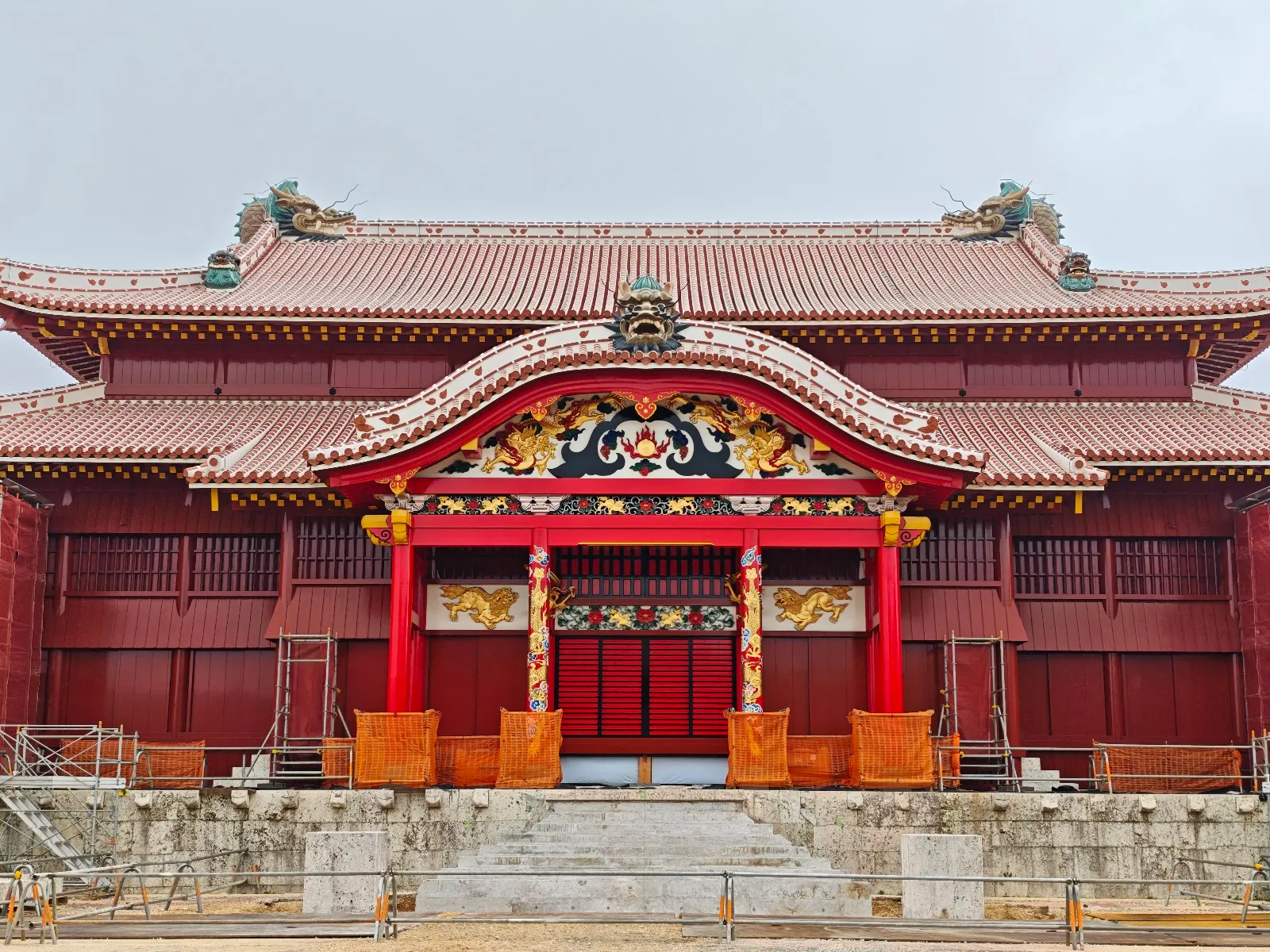
Shuri Castle stands on a hill in eastern Naha and was the palace of the Ryukyu kings from 1429 to 1879. The main hall, Seiden, burned in October 2019 and is being rebuilt, with reopening slated for autumn 2026. The rest of the park stays open: stone walls, gates such as Shureimon, viewpoints over the city and the sea, and exhibits on Ryukyu history. The red buildings blend Chinese, Japanese and Okinawan styles. You can walk the grounds, watch the reconstruction up close and fit it into a half day with the old streets around it.
From fortress to royal palace
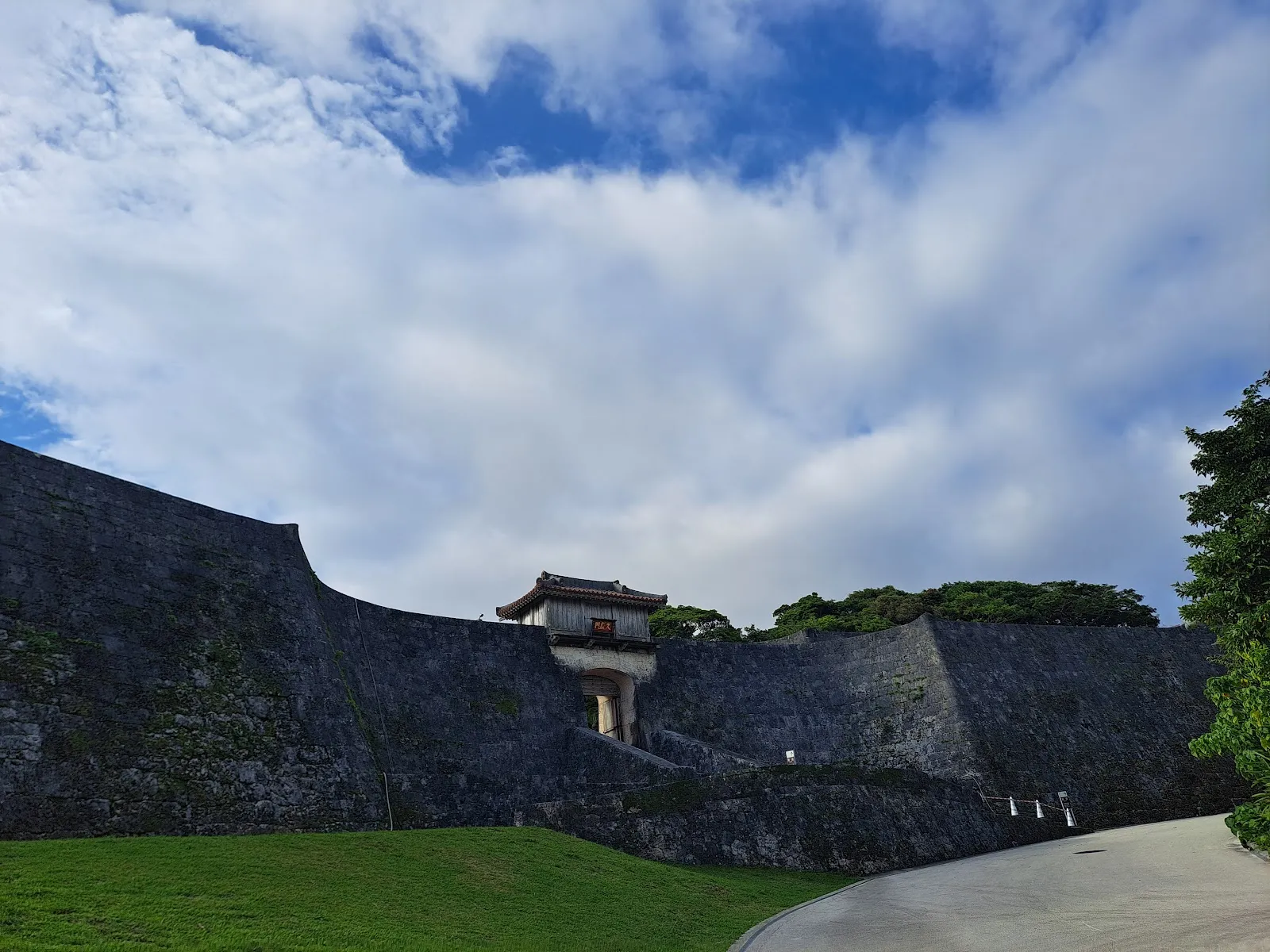
Shuri Castle began as a fortress in the 13th century, though the exact date of its first construction is uncertain. After the kingdom was united in 1429 under Sho Hashi, the castle and the town around it became the seat of royal power. For more than four centuries it was the political, diplomatic and cultural center of the Ryukyu Kingdom, a trading state with close links to China and Melaka.
The kingdom lost its independence step by step. The Satsuma invasion of 1609 turned it into a satellite state of Edo period Japan, and in 1879 Okinawa became a Japanese prefecture, ending the palace's royal role.
Destruction and rebuilding
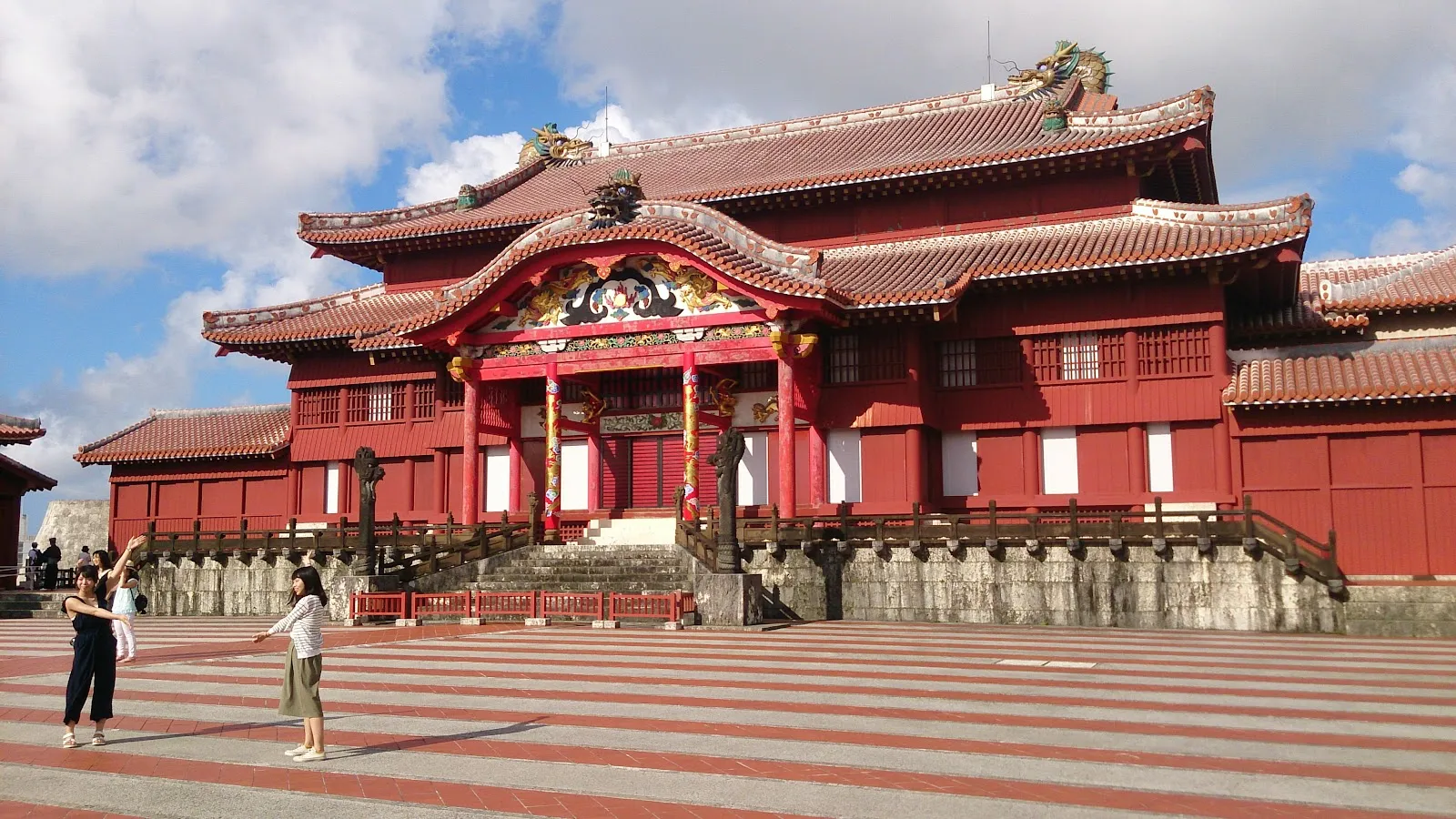
The castle has been rebuilt more than once. It was almost destroyed in the Battle of Okinawa in 1945, and the site later became a university campus. In 1992 the castle was restored, based on an 18th century model, and opened as a national park. UNESCO listed the site as a World Heritage property in 2001.
In October 2019 a fire destroyed the main hall, Seiden, and several other buildings. The reconstruction is under way and the reopening is slated for autumn 2026, with November mentioned by several sources. Parts of the park, including the Suimuikan rest center, have already reopened.
What you can see now
The architecture mixes Chinese, Japanese and Okinawan influences: red lacquered surfaces, dragon motifs and tiled roofs. With the main hall closed, the stone walls and gates are the main draw, and they are impressive in their own right. Viewpoints along the walls look over Naha and the ocean, and you can see the reconstruction site from the side. English signs explain what you are looking at.
Several buildings in the grounds are open, and they give you a cool place to stop, with exhibits on the castle and a shop for gifts. The Suimuikan rest center has an information desk, a restaurant, cafes, shops and parking. Stamp collecting is part of the visit, with stamps at several stops, and there is a map for children. The Okinawa Prefectural Museum is a good first stop if you want some background before you walk through the castle.
Around the castle park
Several sights sit within walking distance. Shureimon Gate is a common entrance to the park. Sonohyan Utaki Ishimon is a sacred site near the castle, and the Kinjocho stone pavement is a steep, picturesque route that leads down from the castle through the old town.
Tamaudun mausoleum and the ruins of Enkakuji Temple are close by. Benzaiten Hall stands beside Engan Pond, which dates from the 15th century, when the Ryukyu king had the pond dug to house a Korean Tripitaka sent by King Sejo of Joseon. Part of the Okinawa Prefectural University of Arts also sits in the wider castle area.
The Shurijo Castle Festival is usually held here in October, with historical reenactments, traditional music and dance.
Getting around the site
The grounds are hilly, with many steps. A slope path makes the main route workable for wheelchairs and strollers, and the entrance and some facilities are accessible. The outer parts of the castle are not suited to wheelchairs. The park is also a pleasant place to walk, with greenery and small paths, and there are souvenir shops and snacks along the way.
FAQ
Is Shuri Castle open while it is being rebuilt?
The park and grounds are open, but the main hall, Seiden, is under reconstruction after the 2019 fire. Reopening is slated for autumn 2026, so check the official website before your visit.
How long do you need at Shuri Castle?
Plan on one to three hours. The grounds are not huge, but the steps and the many stops can stretch the visit if you want to see every section.
How do you get to Shuri Castle from central Naha?
Take the monorail to Shuri station and walk about 20 minutes. Bus number 7 from Naha's main bus terminal also stops near the castle gate.
Is there parking at Shuri Castle?
Yes. There is a ticketed parking garage with toilets and vending machines, and parking costs no more than ¥1000.
Is Shuri Castle wheelchair accessible?
Partly. The entrance is accessible and a slope path avoids many steps, but the outer parts of the castle are hard going in a wheelchair.


