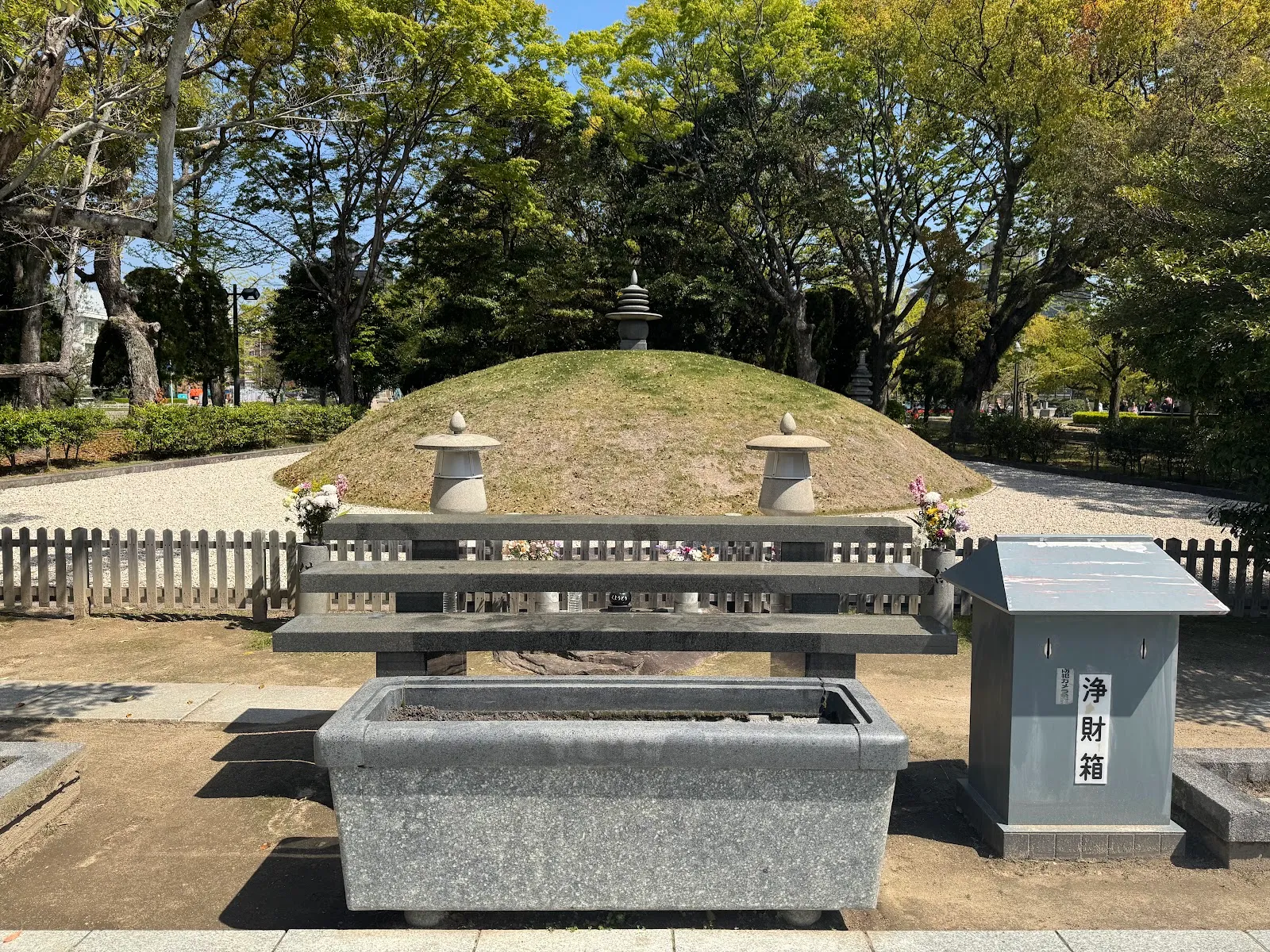
Shukkeien is a traditional Japanese garden in central Hiroshima, created in 1620 for the Asano family. Its name refers to scenery compressed into a small space: paths circle a pond dotted with islands, while bridges, hills, streams and plantings evoke larger landscapes. Take a slow walk to see the changing views, koi in the water and traditional tea houses. Spring brings plum and cherry blossoms, hydrangeas flower in early summer, and autumn colours draw attention to the garden’s wooded slopes. It is a calm stop near Hiroshima Castle and the Prefectural Art Museum.
A garden shaped in miniature
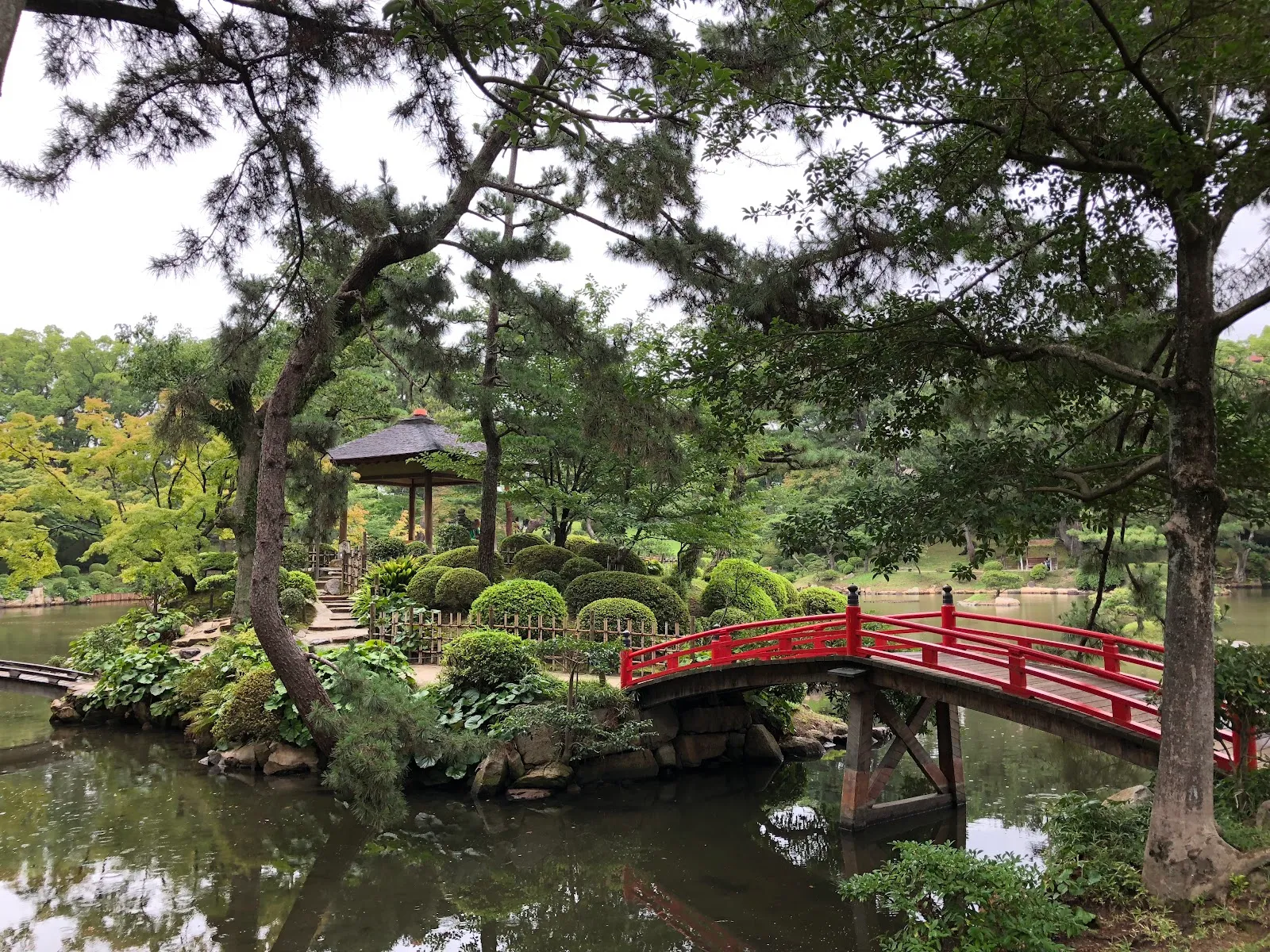
Shukkeien was laid out in 1620 as a villa garden for Asano Nagaakira, the feudal lord of Hiroshima. The work is associated with Ueda Soko, a senior retainer of the Asano clan and a tea master. The name is commonly translated as “shrunken scenery” or “compressed landscape,” a reference to the way the grounds suggest broader natural settings on a small scale.
A central pond anchors the design. Islands, bridges, streams, rocks and raised ground create changing views along the paths, with features arranged to suggest mountains, valleys, forests and rivers. The garden is said to draw inspiration from West Lake in Hangzhou, China. Its design is Japanese, shaped around a sequence of views to discover while walking.
The pond, islands and tea houses
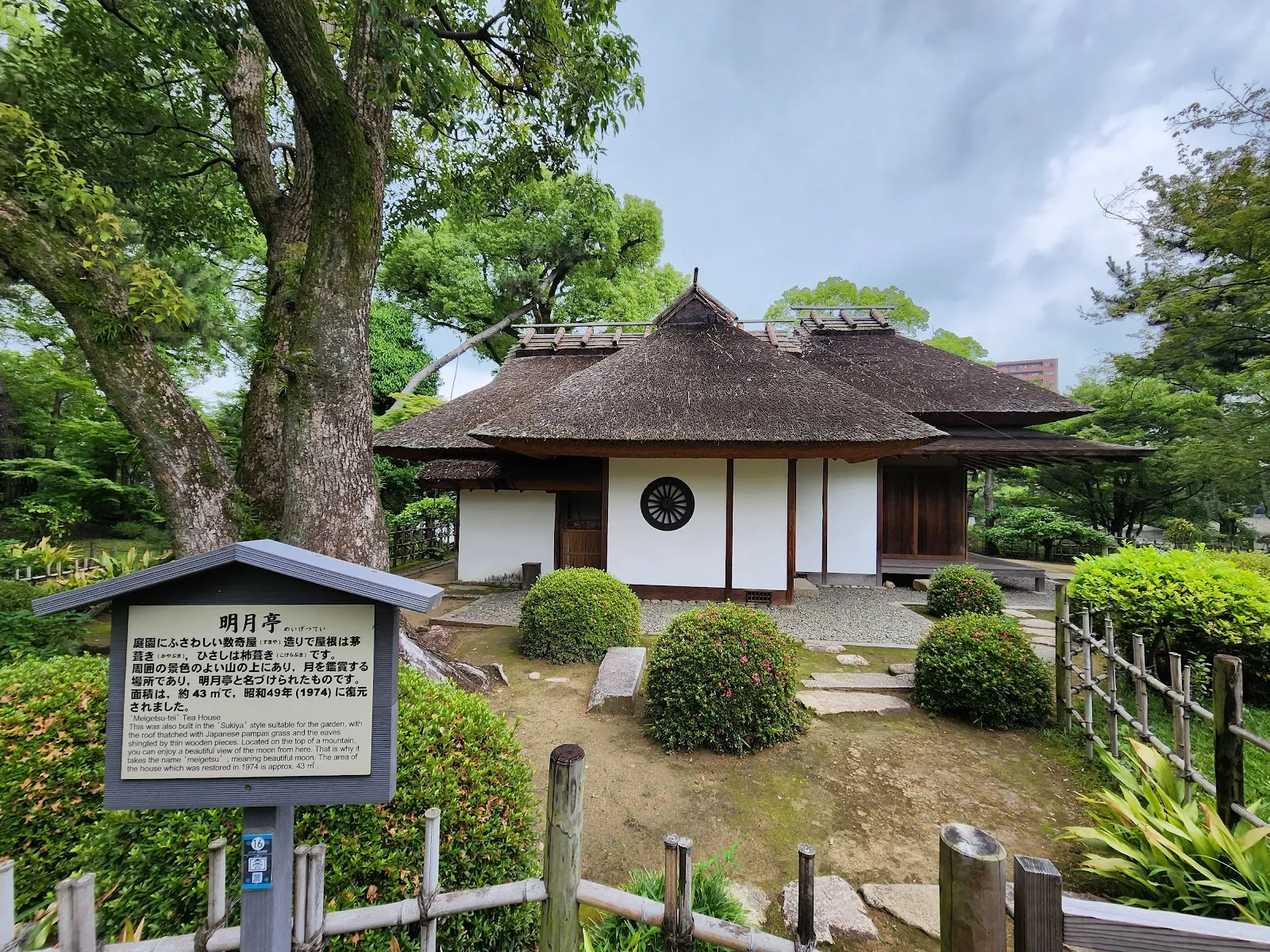
Walk around the pond to see the garden from different angles. Small bridges cross the water, where koi swim among the islands. Crane and turtle islands are associated with longevity. A rock formation modelled on Mount Fuji is another point to look for; from its top, the grounds can be viewed across the garden.
Tea houses and smaller structures sit along the paths, giving the stroll a series of stops and viewpoints. The landscape is not confined to a single open vista: mounds, wooded areas and water features create compact scenes that emerge as you move through the grounds. Take time to pause by the pond or sit along the paths rather than treating the visit as a quick circuit.
Seasons and restoration
Plantings bring different colours through the year. Plum and cherry blossoms arrive in spring, hydrangeas flower in early summer, and autumn turns the trees red. The garden is also known for autumn foliage illumination. Spring blossom viewing can be busy, particularly around the cherry trees; for a quieter visit, avoid weekends.
The garden was badly damaged in the 1945 atomic bombing and later restored. It reopened to the public in 1951, with restoration work continuing over the following years. Shukkeien was donated to Hiroshima Prefecture in 1940 and designated a National Site of Scenic Beauty that year. Historical information posts around the grounds help explain its past and the structures that survived or were rebuilt.
FAQ
How long should I spend at Shukkeien Garden?
Allow about two hours to explore the paths, pond, bridges, plants and tea houses.
When is the best season to visit Shukkeien Garden?
Spring brings plum and cherry blossoms, hydrangeas flower in early summer, and autumn brings coloured foliage. Autumn foliage is also illuminated.
When was Shukkeien Garden built?
The garden was created in 1620 as a villa garden for Hiroshima’s Asano family.
Was Shukkeien Garden damaged in the atomic bombing?
Yes. The garden suffered severe damage in 1945 and reopened after restoration in 1951; further restoration continued afterward.