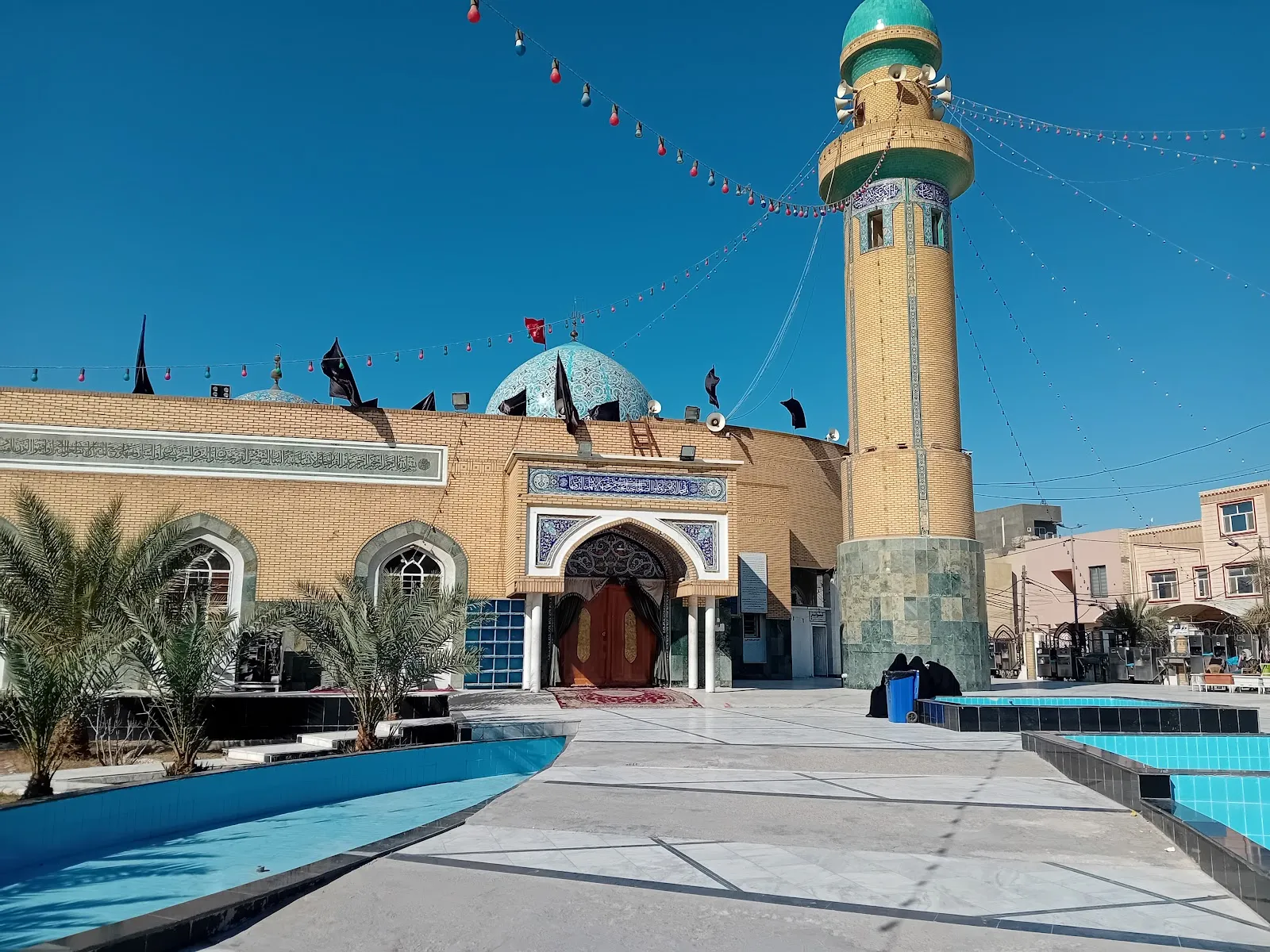
The Imam Ali Holy Shrine in Najaf, Iraq, honors Imam Ali ibn Abi Talib, revered in Shia Islam as the first Imam and seen as a symbol of justice and courage. Its tall minarets and large golden dome mark the complex from afar. Inside, marble floors, intricate tilework, stained glass and carved wooden doors lead to the tomb enclosure. Millions of Shia Muslims visit each year, and the courtyard fills for communal prayer. Plan around crowds, dress modestly and allow time for security checks.
Who Imam Ali was
Imam Ali ibn Abi Talib is a central figure in Islamic history and is revered in Shia Islam as the first Imam. He is often seen as a symbol of justice and courage.
The shrine built around his tomb in Najaf honors his life and legacy. It draws Shia Muslims from around the world.
The complex and its entrances
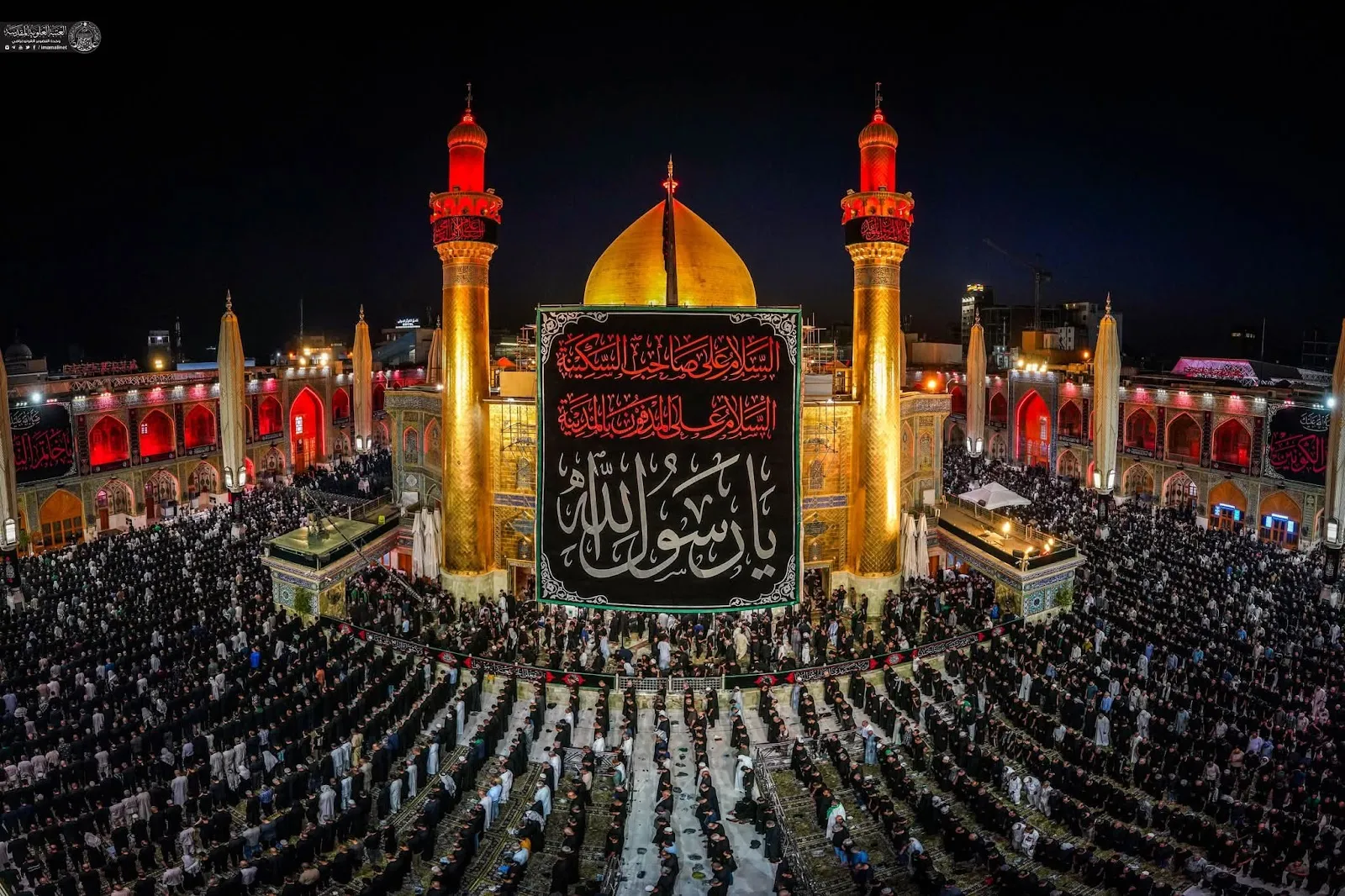
The complex is large, and its tall minarets are visible from outside. The golden dome is usually the first feature people notice, and it can be seen from some distance before you reach the gates.
There are two entrances, one for men and one for women. Before you enter the shrine, you will find marble floors and washing facilities, so you can wash before going in.
Inside the shrine
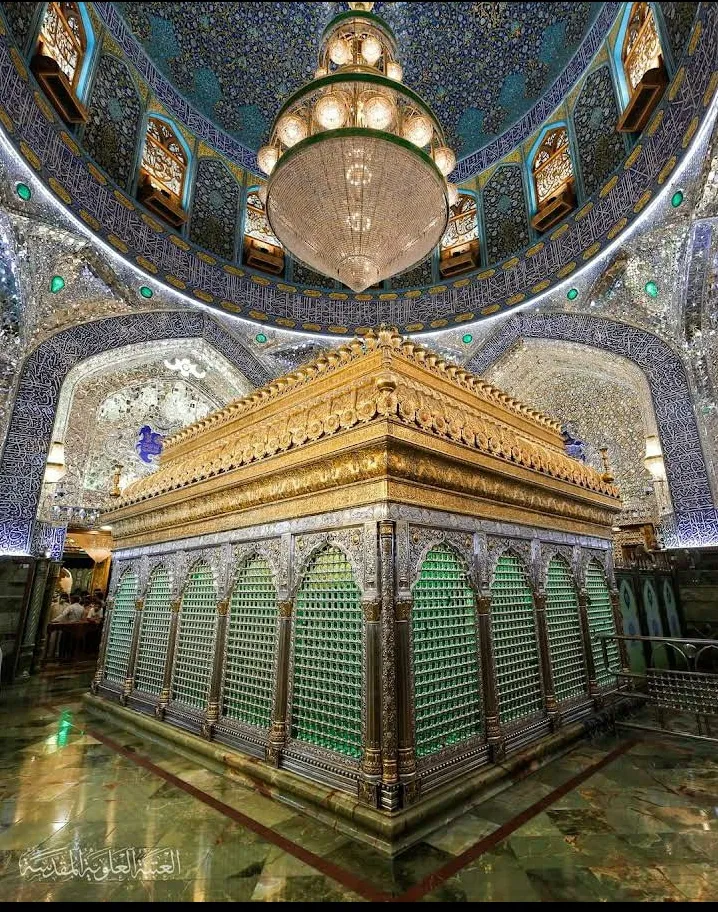
The interior has intricate tilework, stained glass and carved wooden doors. The main focus of a visit is the Zarih, the enclosure around the tomb. Ziarat is conducted in an organized way, and staff help visitors at the Zarih with respect.
The area fills at busy times, so move with the flow of people and keep your belongings close.
Prayer in the courtyard
Thousands of people can pray together in the main congregational prayer, which takes place in the open courtyard known as the sahn. Praying beside the tomb is considered a particular honor.
Facilities for prayer are arranged separately for men and women.
Access and Eid al-Ghadeer
Wheelchair-accessible pathways lead to the Zarih area. The complex has an accessible entrance, accessible parking, an accessible restroom and wheelchair seating. An assistive hearing loop is also available.
On Eid al-Ghadeer, the Haram, the sacred precinct, is specially decorated and draws very large numbers of people. The wheelchair route to the Zarih is closed on that day. Advance tickets are recommended.
FAQ
Are there separate entrances for men and women?
Yes. The shrine has two entrances, one for men and one for women.
Is the shrine wheelchair accessible?
Yes. There is a wheelchair-accessible entrance, accessible restroom and seating, and pathways that lead to the Zarih area. On Eid al-Ghadeer, the wheelchair route to the Zarih is closed.
What should I wear?
Dress modestly and remove eye makeup before you enter.
Do I need tickets in advance?
Advance tickets are recommended.
Is there a security check?
Yes. Expect thorough security checks, including bag searches.