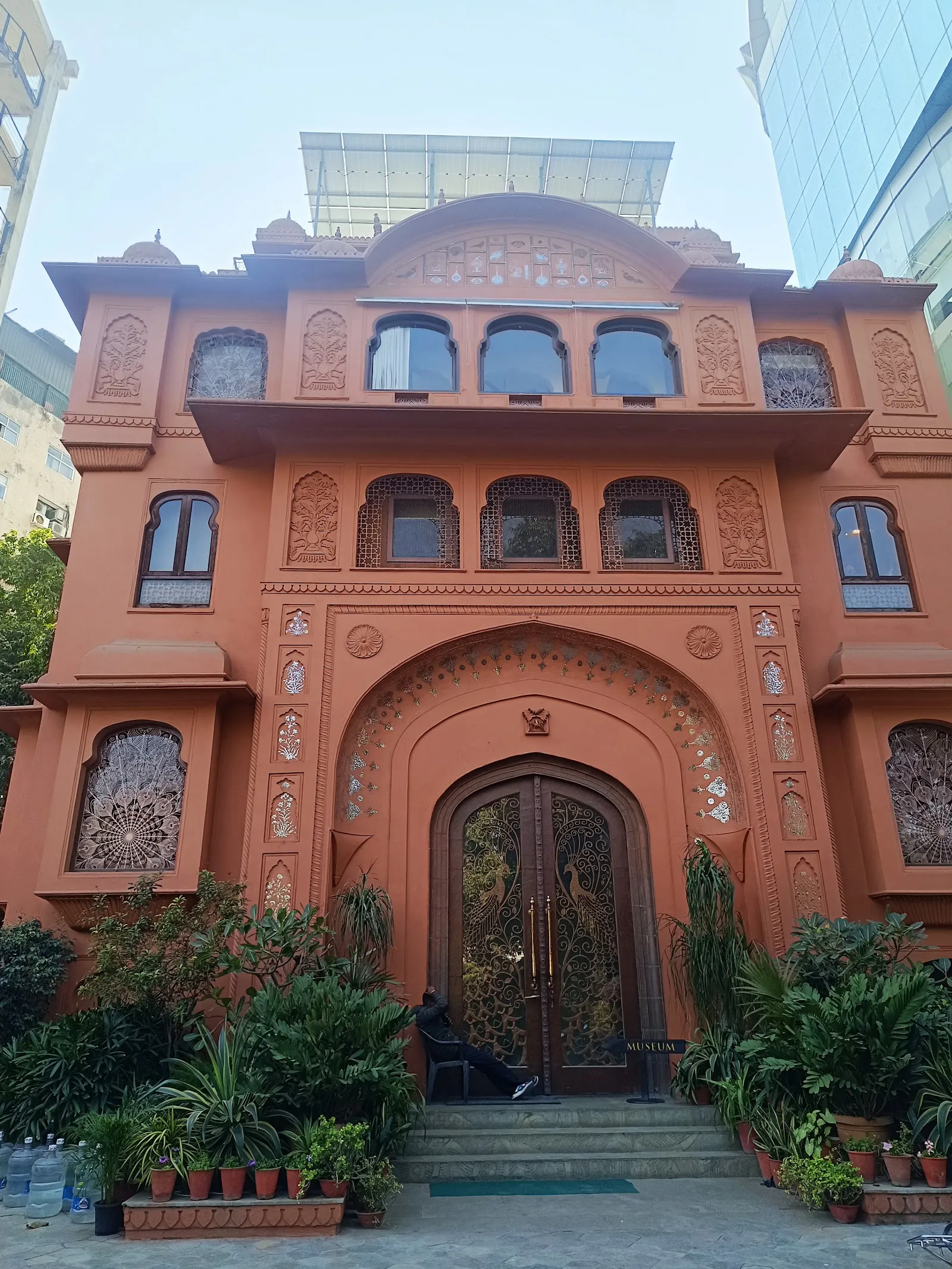
The City Palace is a royal complex in Jaipur’s Old City, where courtyards, museum galleries and ornate gateways bring together Rajput, Mughal and European design. Look for the four painted entrances at Pritam Niwas Chowk, the peacock mosaics at Mor Chowk and displays of royal clothing and weapons. The palace remains partly a royal residence, so some areas are private. A guided tour can add context to the rooms and collections; there are also shops selling saris and scarves within the complex.
A palace complex shaped over time
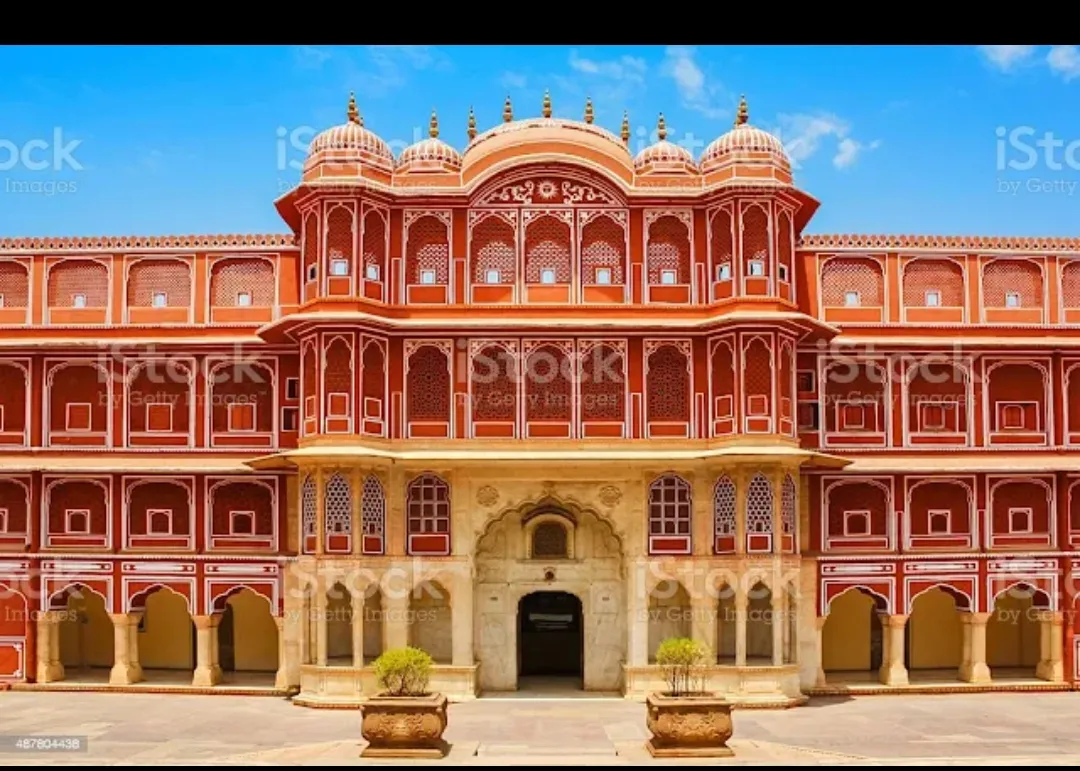
The City Palace lies in Jaipur’s Old City and brings together courtyards, gardens, temples and buildings from different periods. Maharaja Sawai Jai Singh II began the complex between 1729 and 1732. Later rulers enlarged and adapted it, so the grounds include structures from several eras.
Its architecture combines Rajasthani, Mughal and European influences. Rather than a single palace building, the site is a group of halls, residences and courtyards. Among its named buildings are Mubarak Mahal, Chandra Mahal, Diwan-i-Aam and Diwan-i-Khas. The complex served as a royal and ceremonial centre, and the Jaipur royal family still lives in a private section.
Courtyards, gates and mosaics
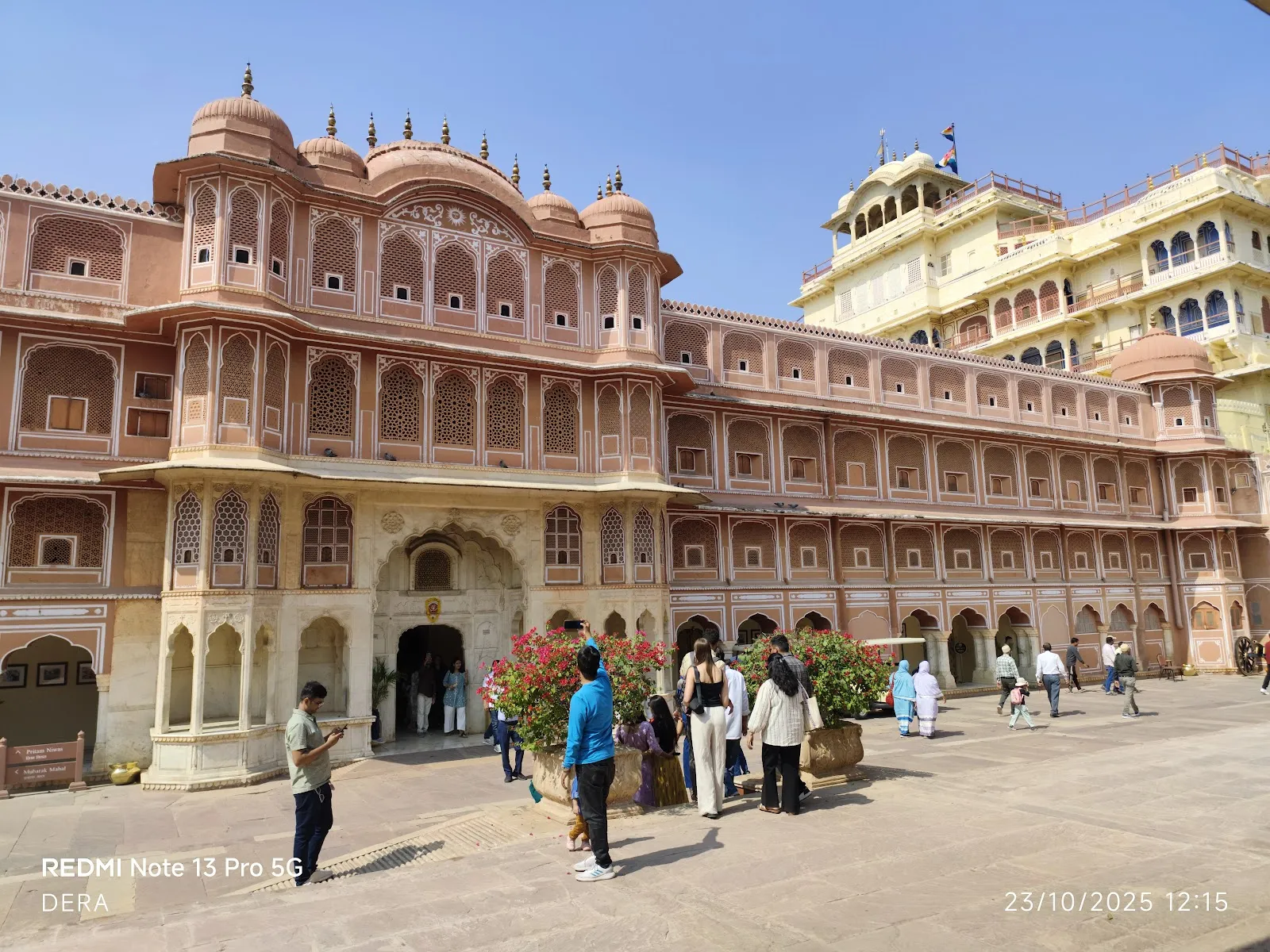
Pritam Niwas Chowk is an inner courtyard known for four carefully decorated doorways. Each is linked to a season: the Green Gate represents spring, the Lotus Gate summer, the Peacock Gate autumn and the Rose Gate winter. Their painted details make this one of the most distinctive parts of a visit.
At Mor Chowk, peacock mosaics decorate the courtyard. Other buildings have their own character. Mubarak Mahal, also known as the Palace of Welcome, houses a textile collection. Diwan-i-Khas, the Hall of Private Audience, has arches and displays two large silver urns. These details reward a slower walk through the complex.
Museum collections and areas open to visitors
Museum galleries display royal clothing, textiles, weapons and other historic objects. The collections are spread across several parts of the complex, including Diwan-i-Aam and Mubarak Mahal. The armory and textile galleries are among the spaces where photography may be restricted, so follow the signs inside.
Chandra Mahal remains part of the royal family’s private residence, and not all of its rooms are included in general access. Sukh Niwas, a blue room in a private section, is available for an additional fee. The palace also has shops selling saris and scarves. A guided tour can help explain the architecture and the objects on display; advance ticket booking is recommended.
FAQ
Does the Jaipur royal family still live at the City Palace?
Yes. The complex remains partly a royal residence, and some areas are private.
What are the main things to see at the City Palace?
Look for the four seasonal doorways at Pritam Niwas Chowk, the peacock mosaics at Mor Chowk and museum displays of royal clothing and weapons.
Can you visit Sukh Niwas?
Sukh Niwas, the blue room in a private part of the palace, can be visited for an extra fee.
Is a guided tour available?
Guided tours are available and can explain the palace’s history and architecture.