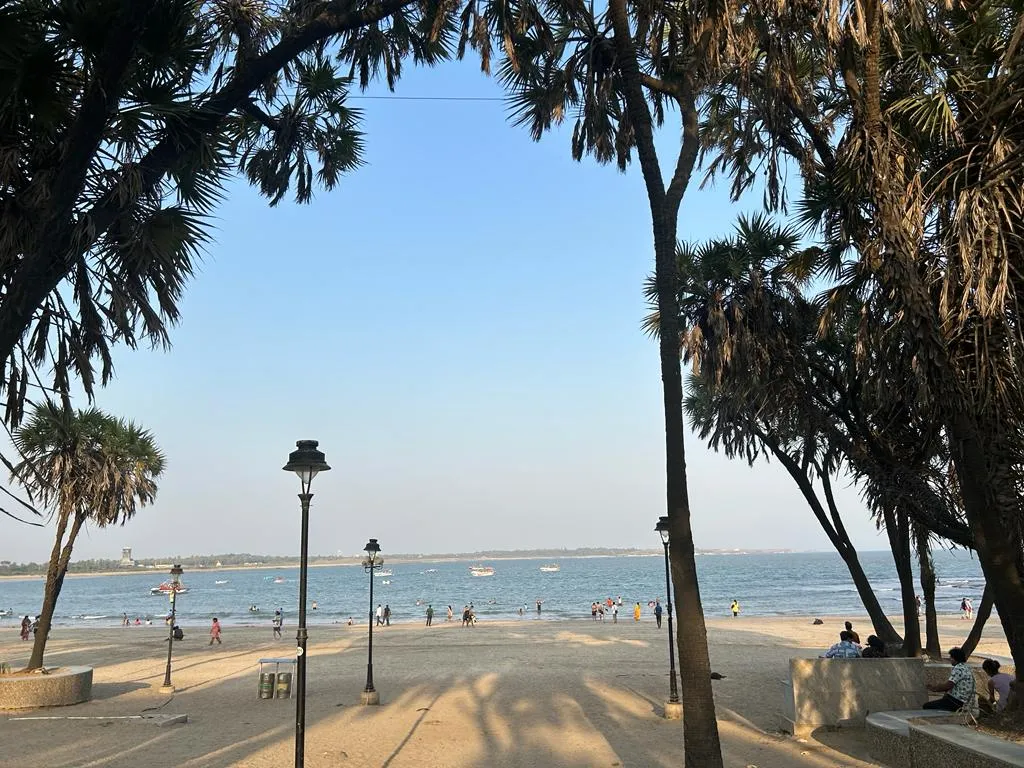
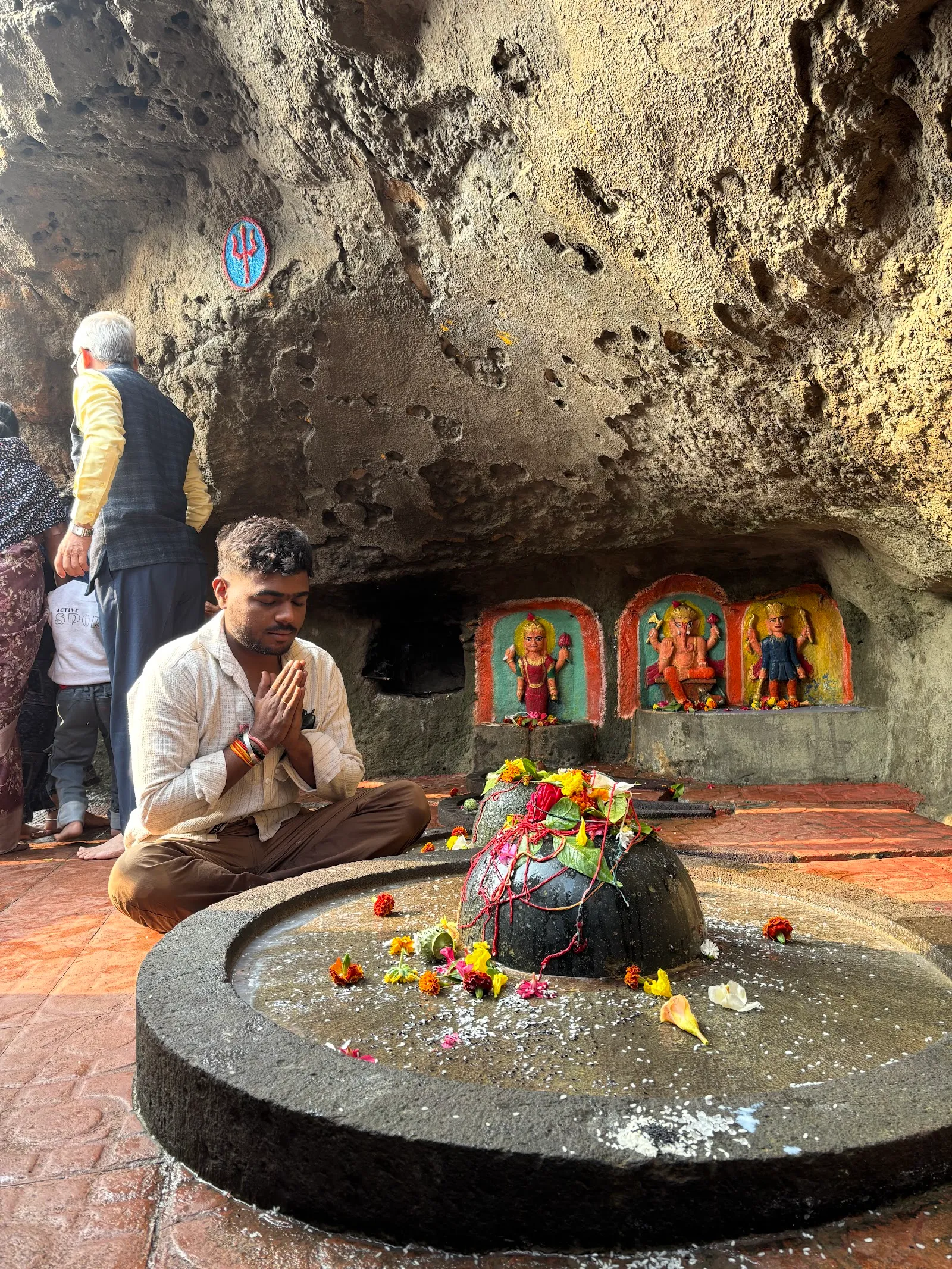
Diu Fort, known to the Portuguese as Fortaleza de São Tomé, stands at the eastern end of Diu island with the Arabian Sea on three sides. The Portuguese began it in 1535 and made additions in 1541. Inside the thick stone walls you find rows of old cannons, small chapels, a double moat and a lighthouse that is the island's highest point. The sea-facing ramparts look across to the Pani Kotha fortress. The complex is large, so give yourself time to walk the ramparts and not just the area near the gate.
Built between 1535 and 1541
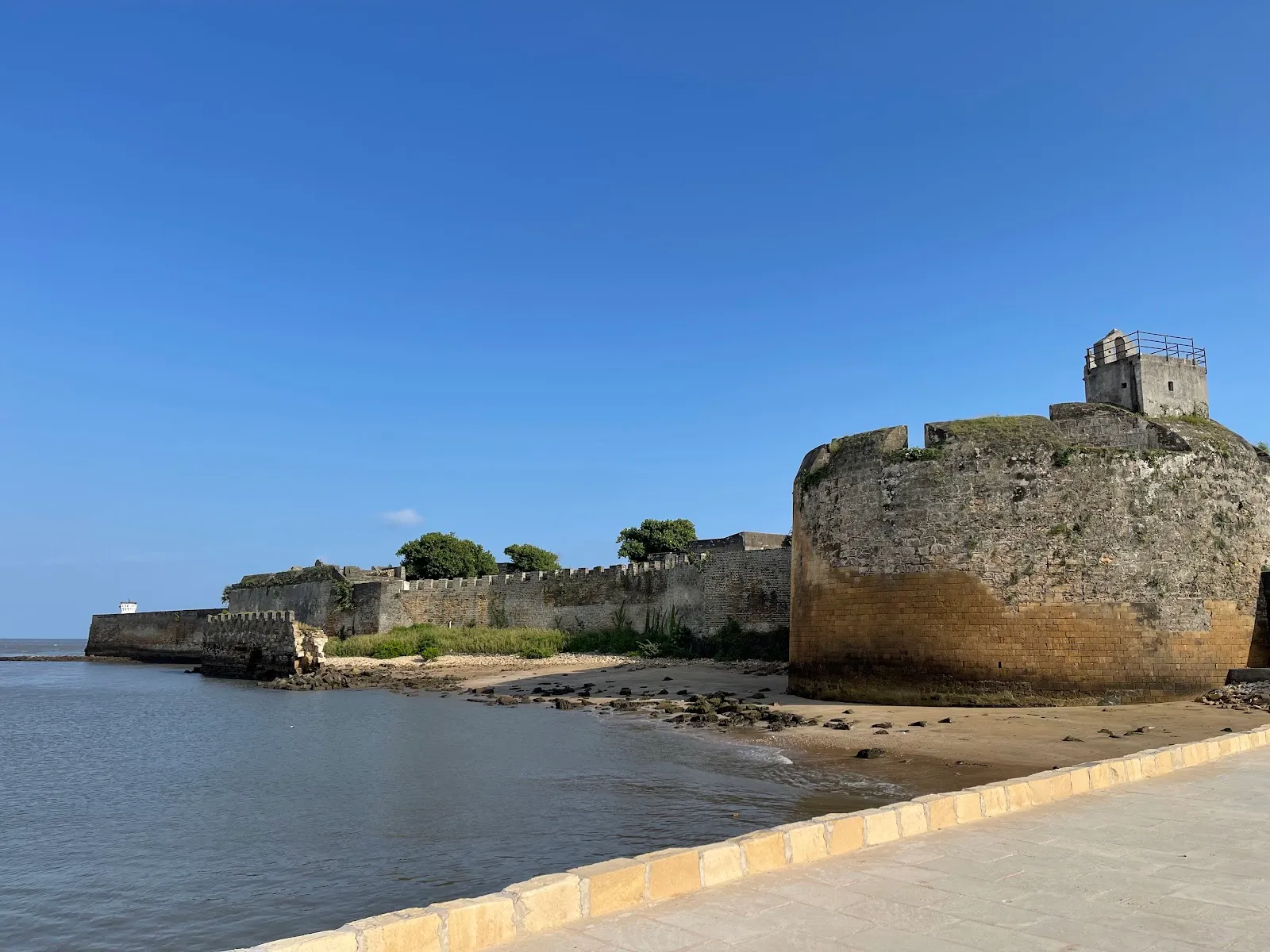
The Portuguese built the fort after a treaty with Bahadur Shah, the Sultan of Gujarat. The two sides had joined in a defensive alliance against the Mughal emperor Humayun. Work began in 1535 and additions followed in 1541, with further strengthening recorded up to 1546.
The Portuguese name was Fortaleza de São Tomé, and the fort was also called Praça de Diu. It guarded a trade route to Surat, Cambay and Bharuch in Gujarat, and it held an important place among Portuguese forts in Asia. The fort and the Basilica of Bom Jesus in Old Goa were the two Indian monuments chosen among seven Portuguese-built wonders worldwide.
Walls, moats and cannons
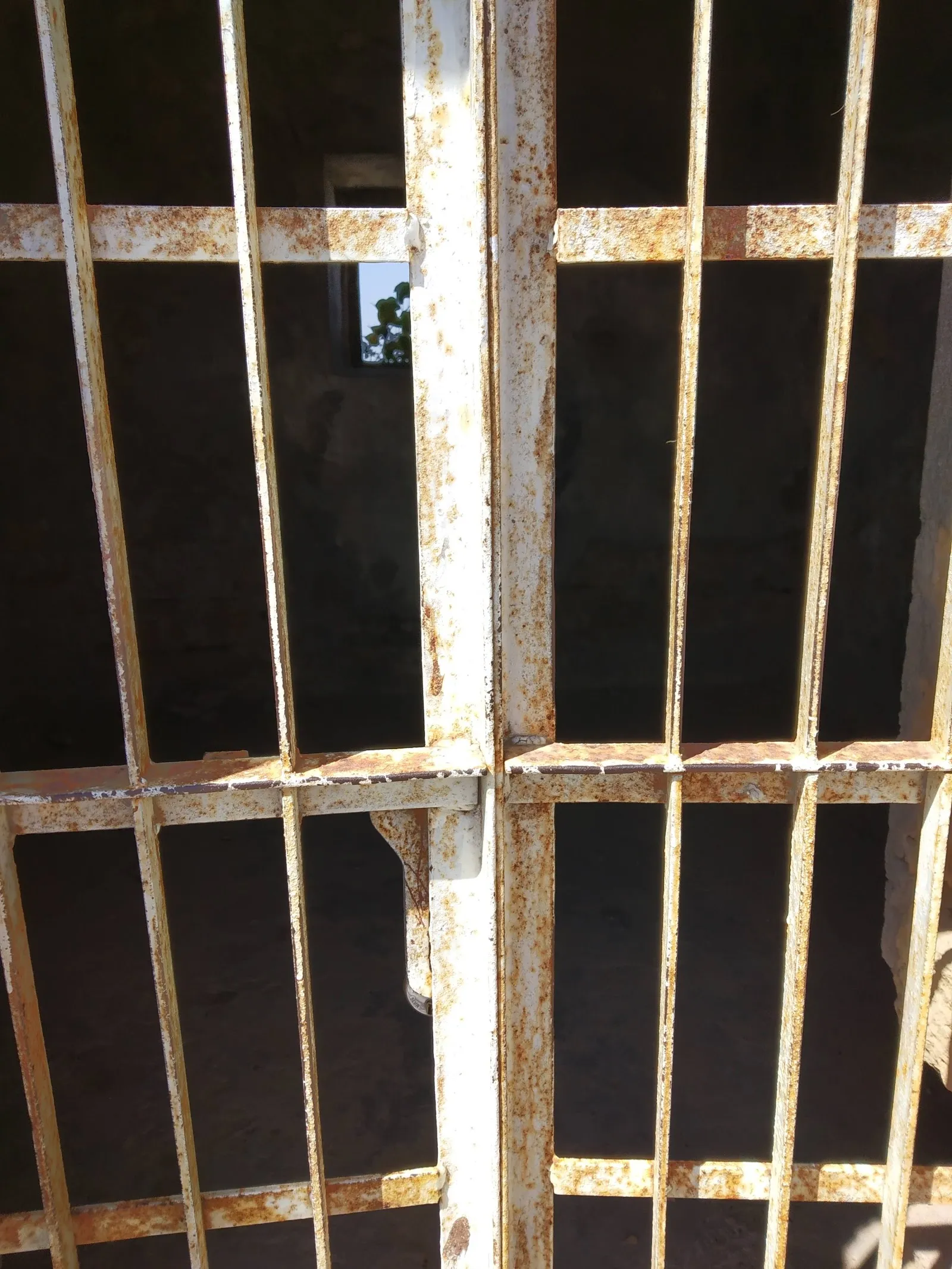
The fort sits at the eastern end of Diu island, with the sea on three sides and a moat on the landward side. The defence is a double moat cut into sandstone, and one of the two is tidal. There are three entry gates. At the main gate, five large windows with carved stone galleries face the front wall.
The bastions are named after saints. Along the ramparts stand rows of bronze and iron cannons, some of them about 400 years old, and cannonballs are scattered around the grounds. Underground chambers once held ammunition, and the barracks housed the soldiers. The complex also held residences for nobles, a warehouse, an arms house, a prison, a church and chapels.
The lighthouse is the highest point on the island, and its beam reaches 32 km. A jetty near the fort is still in use.
Chapels, jail and the sea causeway
Several small chapels stand inside the walls. One of them holds fragments of engraved tombstones. Some of the walkways leading to them are steep, so take them slowly.
The old jail section is part of the walk along the ramparts and gives a sense of how the fort was run as a garrison. A causeway runs out into the sea, and sea birds can often be seen there at close range. From the sea-facing walls you can also see the Pani Kotha fortress standing in the water.
1961 and the fort today
On 19 December 1961 India launched Operation Vijay to end Portuguese rule. About 350 Portuguese soldiers were garrisoned in the fort at the time. A Martyrs Memorial near the Collectorate office commemorates the Indian soldiers who died taking the fort.
The site has since been restored. In places you can still see the fine original stonemasonry, though other sections have been repaired with plaster. Sea erosion also affects the structure. The fort is large and the paths include stairs and uneven stone, so it is better to plan a slow visit than a quick one.
FAQ
How long do you need at Diu Fort?
Plan on 1 to 2 hours. The complex is large and has stairs and uneven ground, so a slow walk along the ramparts takes time.
When is the best time to visit Diu Fort?
Early morning and late afternoon are best. The light is good for photos, it is cooler, and there is little shade inside. Weekends are the most crowded.
Is there parking at Diu Fort?
Yes. There is a paid parking lot as well as paid and free street parking near the fort.
How do you get to the top of the fort?
Electric vehicles run up to the lighthouse point, so you can reach the high viewpoint without a long climb.
Is Diu Fort suitable for children?
Yes, it is listed as good for kids. Watch younger children on the steep walkways and uneven surfaces, and bring water as there is little shade.