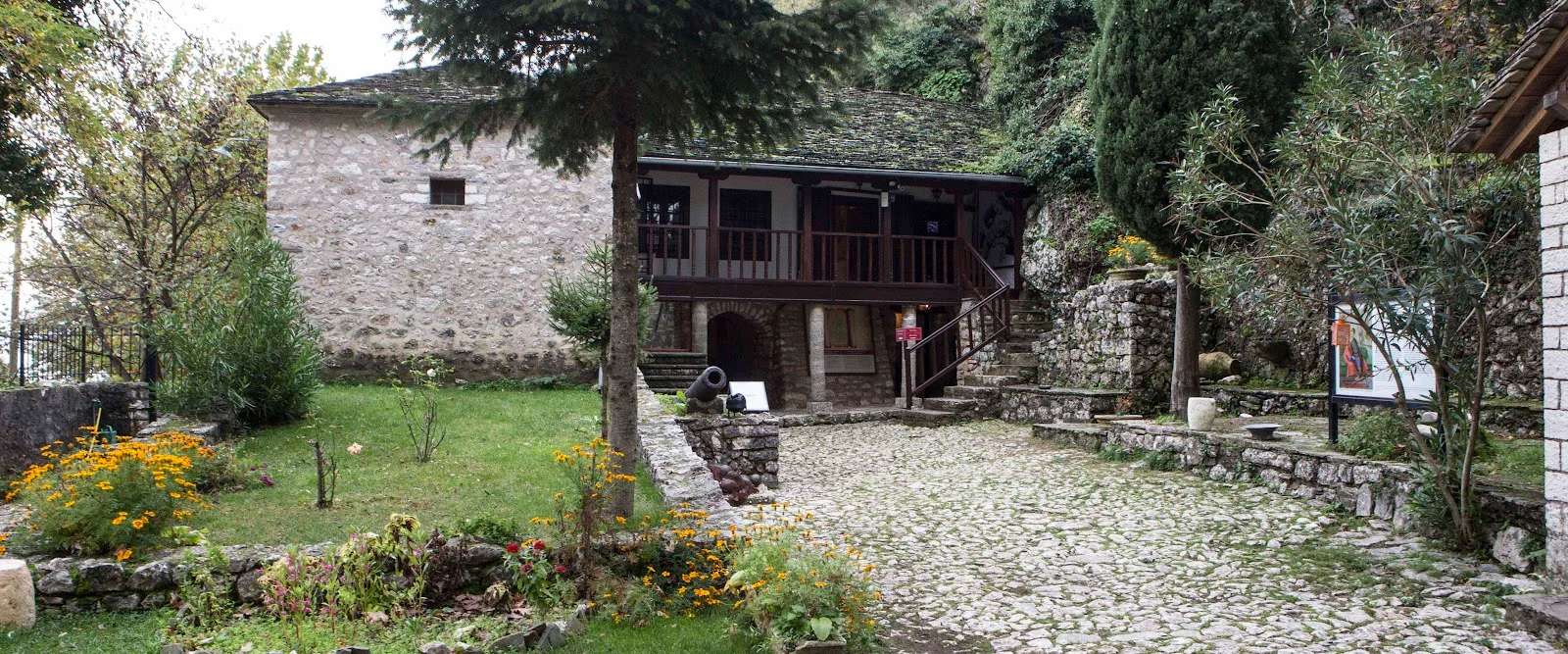
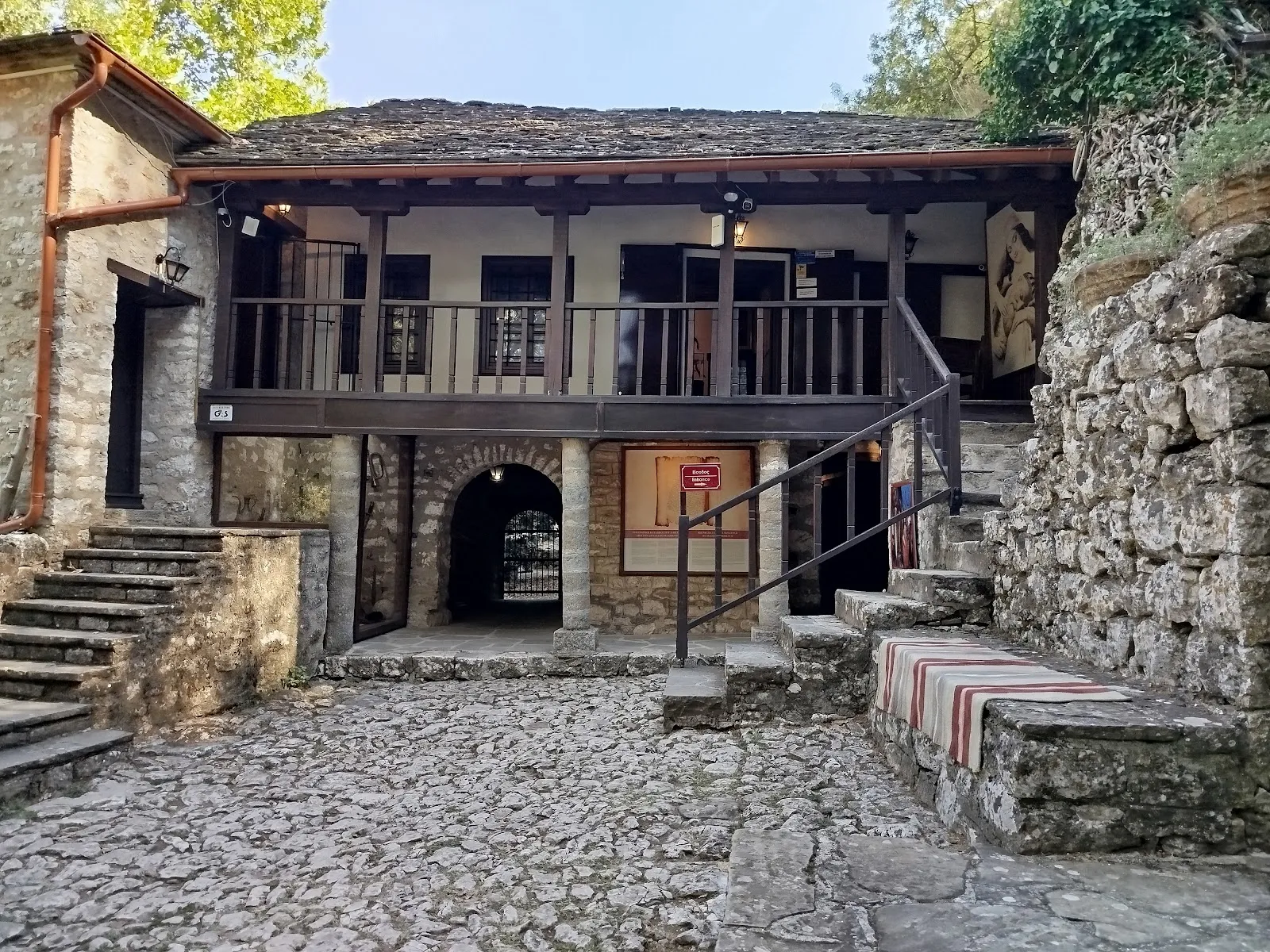
The Ali Pasha Revolutionary Period Museum sits on a small island in Lake Pamvotis, in Ioannina, in the monastery of Agios Panteleimon where the Ottoman ruler Ali Pasha was killed in 1822. The rooms hold his personal belongings, documents, weapons and costumes, along with local folk objects from the same period. Recorded commentary, music and recreated scenes help the story come across. Plan the boat crossing, the small rooms and the views over the water into one visit.
Who Ali Pasha was
Ali Pasha was born in 1741 in the Albanian town of Tepelen. He became governor of Ioannina in 1788, and from that base he gradually widened his power across much of the southern Balkans.
By the end of his rule, his realm reached most of Albania, Macedonia, the Peloponnese (except Mani), Thessaly and large parts of mainland Greece. The museum presents him as a powerful and divisive figure, and it does not hide the cruel side of his reign.
The island and its monasteries
The island in the middle of Lake Pamvotis is reed-ringed, and local people call it To Nisi, meaning The Island. The crossing from near Plateia Mavili by boat takes about 10 minutes, and the boats run frequently. Cars are not allowed on the island, so the streets are quiet for walking.
Ali Pasha had turned the monastery of Agios Panteleimon into a holiday home. The museum opened here in 1958, through the efforts of people from Ioannina who wanted the period recorded. The building is arranged like a traditional Ioannina house of its time.
Other monasteries on the island are worth a stop. Moni Filanthropinon was founded in 1291 and is known for its wall paintings. Stratigopoulou dates from the 13th century, and Panagia Eleousa from the 16th century.
Inside the museum
One part of the monastery holds exhibits from the Ottoman period, along with Ali Pasha's personal items, documents and a costume of his wife. Among the objects are a gold-plated kariofili rifle and his water pipe, the tsimbouki, which is about 1.62 metres long.
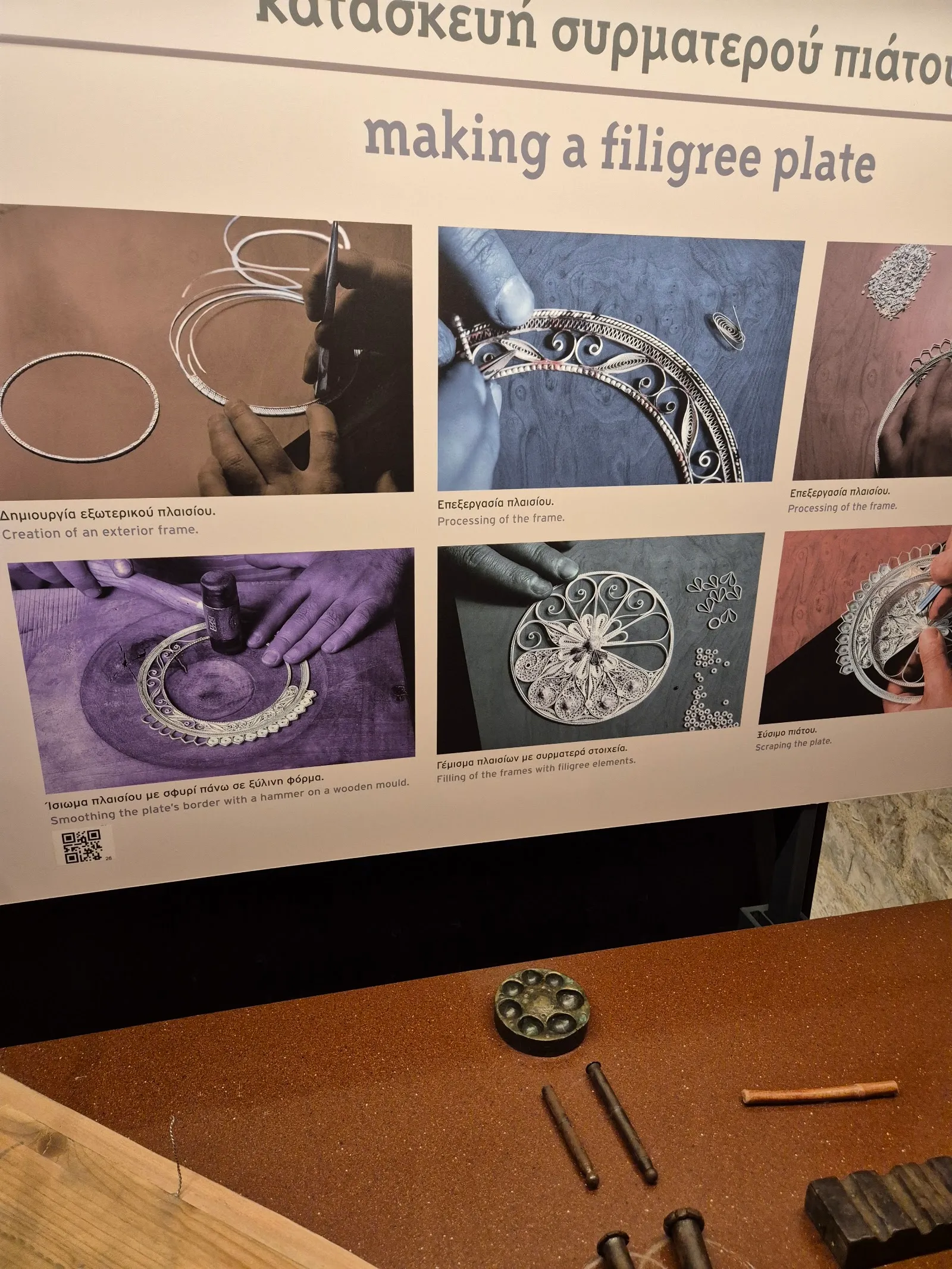
Another cell of the monastery holds the archives of the island's monasteries. The collection also includes costumes, jewellery, weapons and folk objects that show daily life in the region.
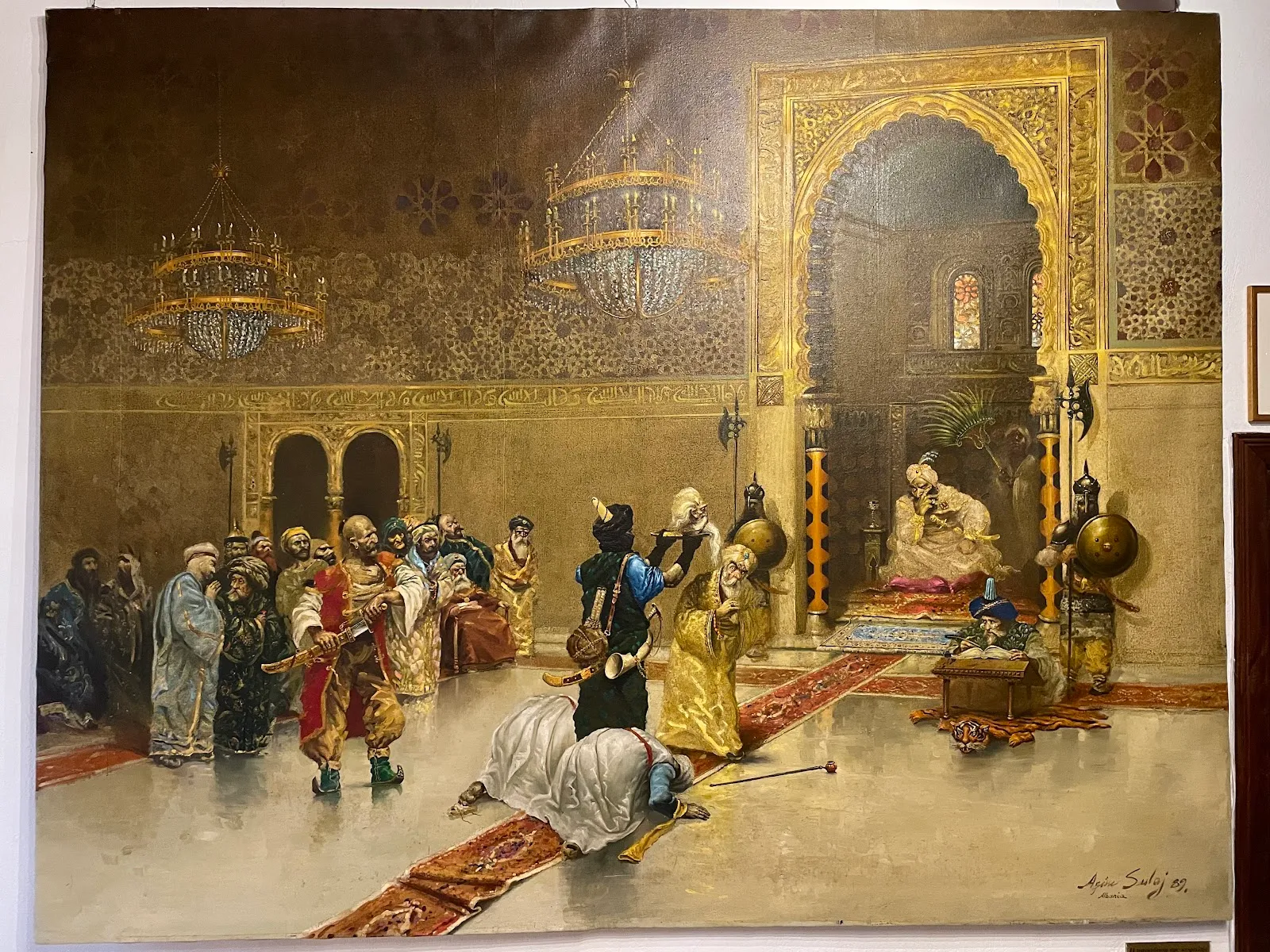
A painting shows the head of Ali Pasha being handed to the Sultan, and it is one of the pieces visitors tend to stop at. One recreated scene tells the story of women said to have drowned in the lake after being suspected of spying. The museum presents this episode as part of the ruler's story, and it is worth listening to the commentary for the full context.
How a visit works
Visitors listen to the story through handsets, with recorded commentary, music and atmospheric scenes along the way. The commentary is the main way to follow the exhibits, so plan some time to listen to each room.
The museum charges admission. The site has a restaurant, a restroom, and an accessible entrance for wheelchair users. Older children tend to enjoy the costumes and weapons, and families can use the visit to talk about the history of the region.
The death of Ali Pasha in 1822
In 1822, Ali Pasha fled to the small island with his wife Vasiliki and a few loyal servants. He was caught by soldiers there and killed in the monastery. The room where it happened is part of the museum's story, and the displays explain the events that led to his end.
FAQ
Is there an entry fee for the Ali Pasha Museum?
Yes, the museum charges admission. The price is not stated in the material for this guide, so check the museum's website before you go.
How do you get to the museum?
The museum is on the island in Lake Pamvotis. Boats leave frequently from near Plateia Mavili, and the crossing takes about 10 minutes.
Should you book tickets in advance?
Advance booking is recommended for the museum. Going early in the day also helps you avoid crowds.
Is the museum suitable for children?
Yes, the museum is good for kids. Older children tend to enjoy the costumes, weapons and folk objects.