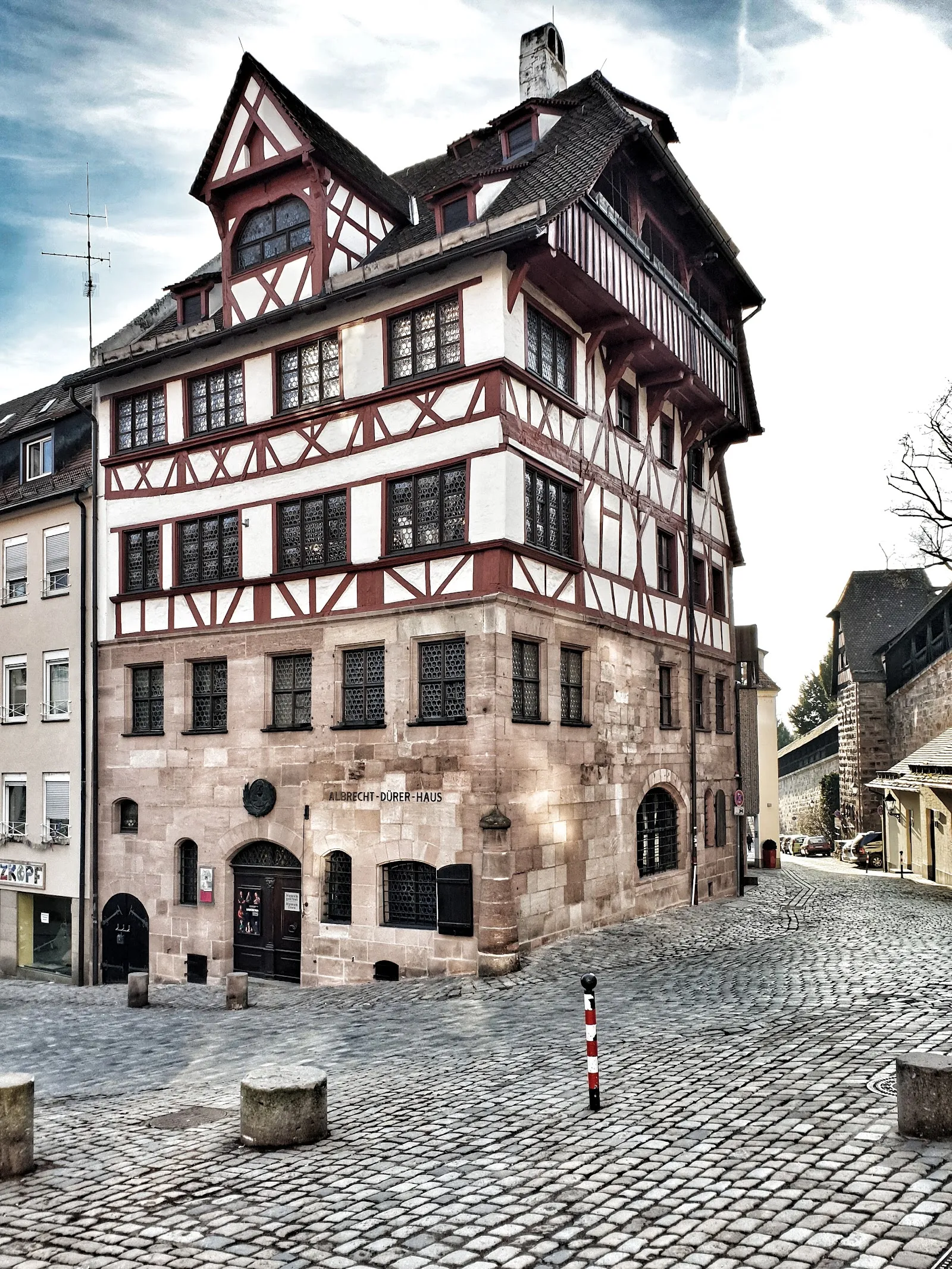
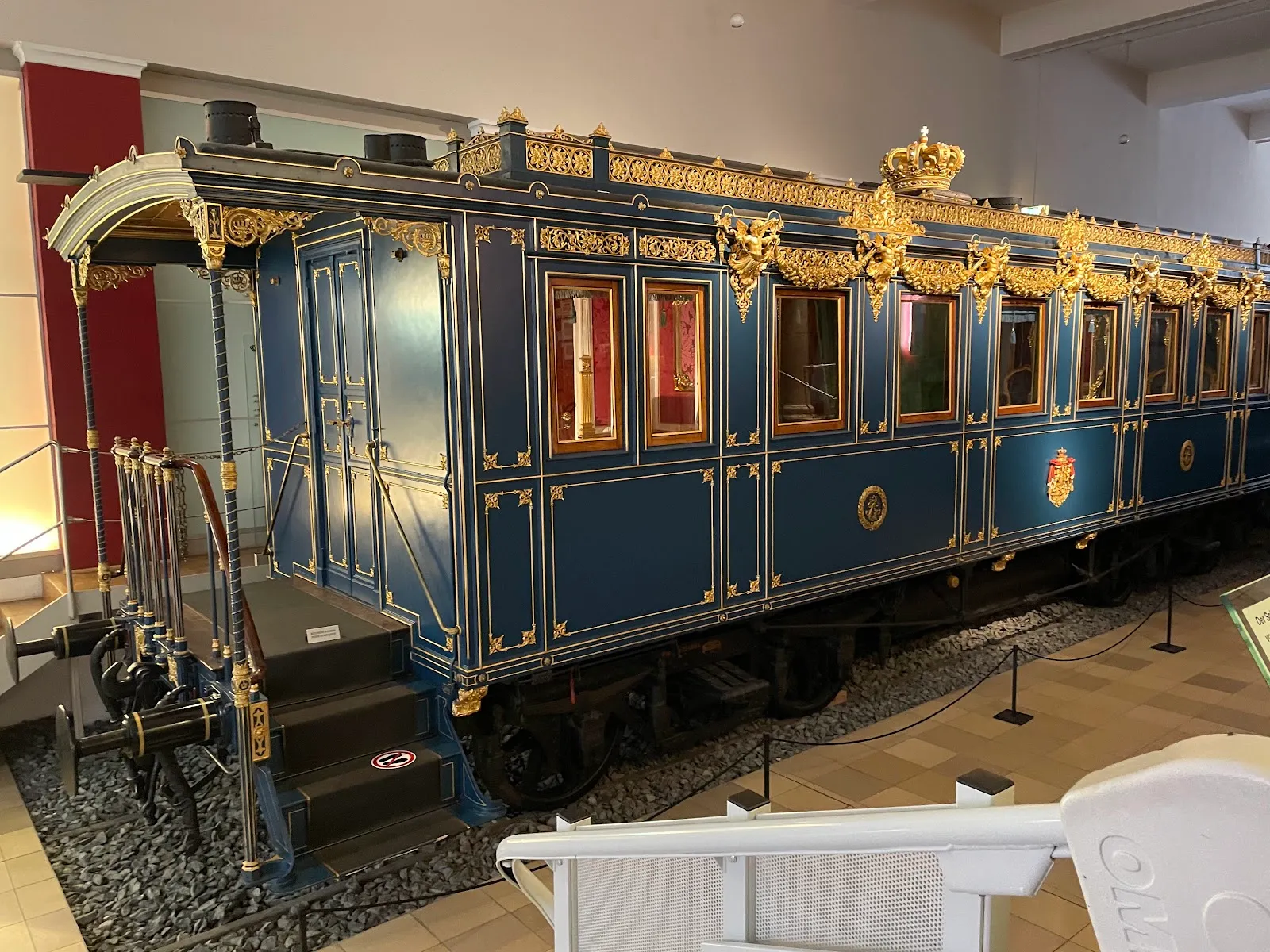
The German Railway Museum in Nuremberg covers the history of trains in Germany, from early steam locomotives to modern vehicles. Its collection includes restored steam engines, royal carriages and vintage trains, along with a large model railway. Interactive exhibits and Kinder-Bahnland, a children's area with hands-on activities and miniature trains, make it suitable for families. The museum is close to the city's main station, so it is easy to reach by public transport. Plan at least two to three hours for the indoor and outdoor areas.
Railway history in Nuremberg
Nuremberg is often described as the birthplace of the German railway. Germany's first passenger trains ran between Nuremberg and Fürth, and the city is home to one of the country's first railway museums.
The museum follows the development of the railway from its beginnings in England to German reunification. Displays link technical progress with political, cultural and social events of each period.
The museum also covers the darker side of railway history. It documents the use of the railway for military purposes under the Nazi regime and the role the railway played in the Holocaust.
The collection
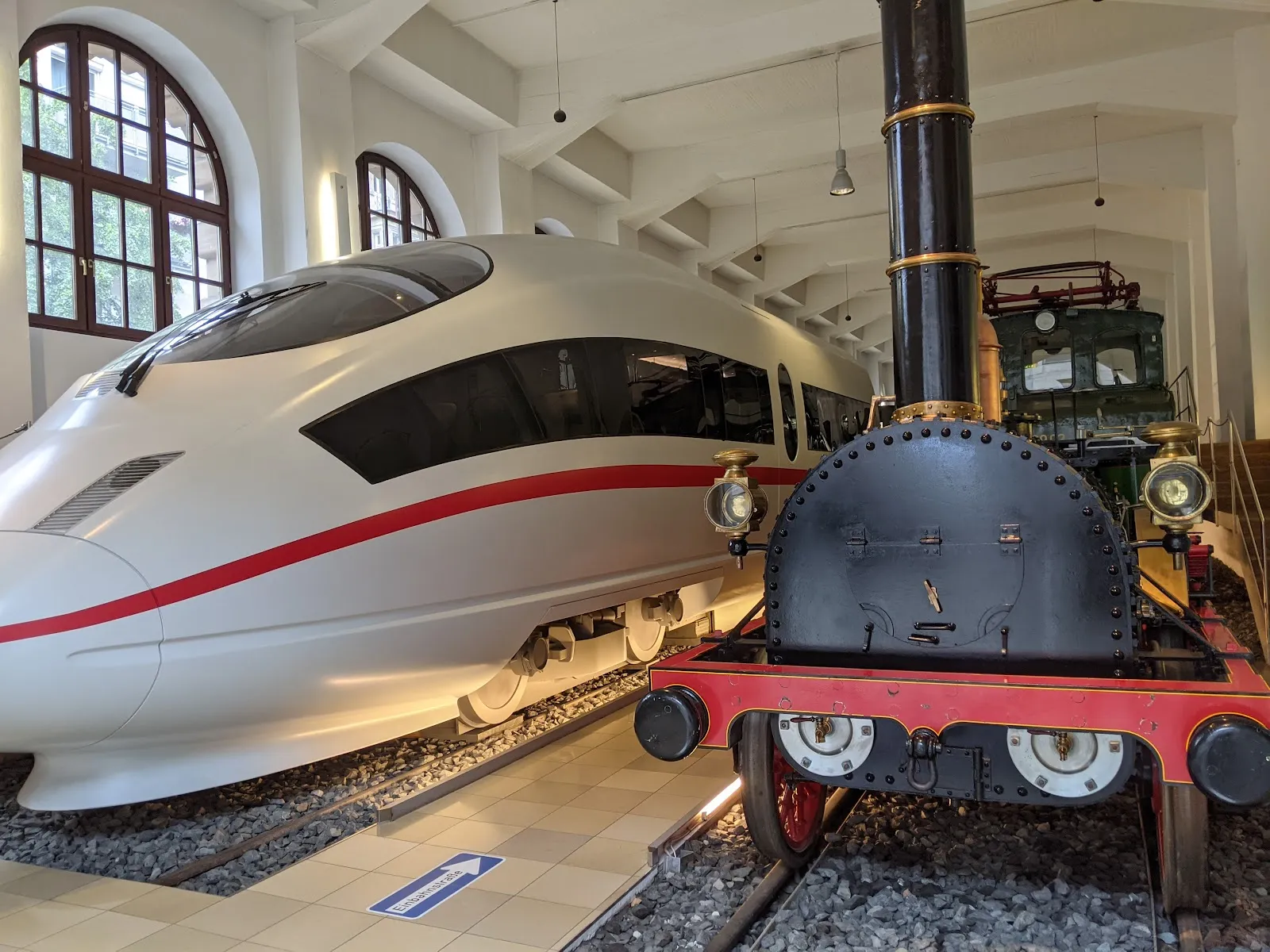
The museum's main building and a vehicle hall on the grounds hold the historic vehicles. The collection includes the Adler, the first German steam locomotive, as well as vehicles up to the ICE high-speed train. One source counts about 160 vehicles, along with many related exhibits.
Royal trains, restored steam engines and diesel engines are on show. The museum also has a working replica of Germany's first train.
The large model railway is more than 100 years old. At certain times there is a show with a miniature landscape and trains, so check the schedule on arrival if you want to see it.
For children and visitors of all ages
Kinder-Bahnland is the area for younger visitors, with hands-on activities and miniature trains. Some train cars and railway exhibits can be entered, which makes the visit more interactive. Educational group tours for children also take place.
Adults will find the technical displays useful as well. A room explains how train toilets developed over time, and the models show details of railway operations that are easy to miss from a distance.
If you carry a larger bag or suitcase, ask at the counter for a separate locker key. A cloakroom is available for coats and jackets.
Getting there and practical details
The museum is near the main train station and is easy to reach by public transport. A paid parking lot is available, and the entrance, restrooms, parking and seating are wheelchair accessible.
There is a restaurant on site. Do not leave out the separate shed and outside area across the road from the main building, which is part of the visit.
FAQ
Is there an entry fee?
Yes, the museum charges admission. Tickets can be bought online or at the ticket counter, and card payment is accepted.
How long do you need?
Plan two to three hours to see the indoor and outdoor areas, including the shed across the road.
Is the museum suitable for children?
Yes. The museum is family-friendly, and Kinder-Bahnland offers hands-on activities and miniature trains for children.
Is the museum wheelchair accessible?
Yes. The entrance, restrooms, parking lot and seating are wheelchair accessible.
Is the information available in English?
Much of the information is in German. The museum app gives additional information in English, so download it before your visit.