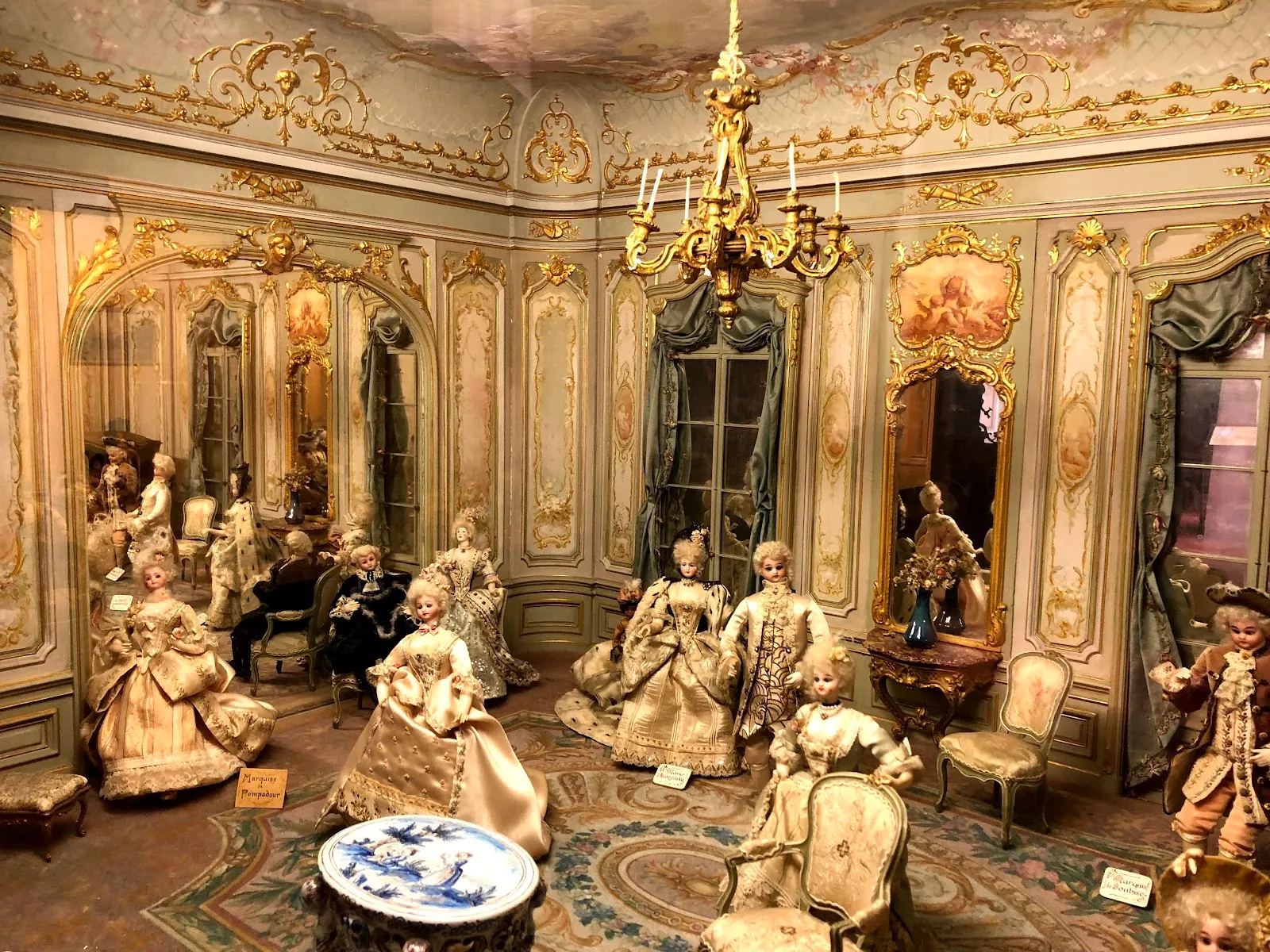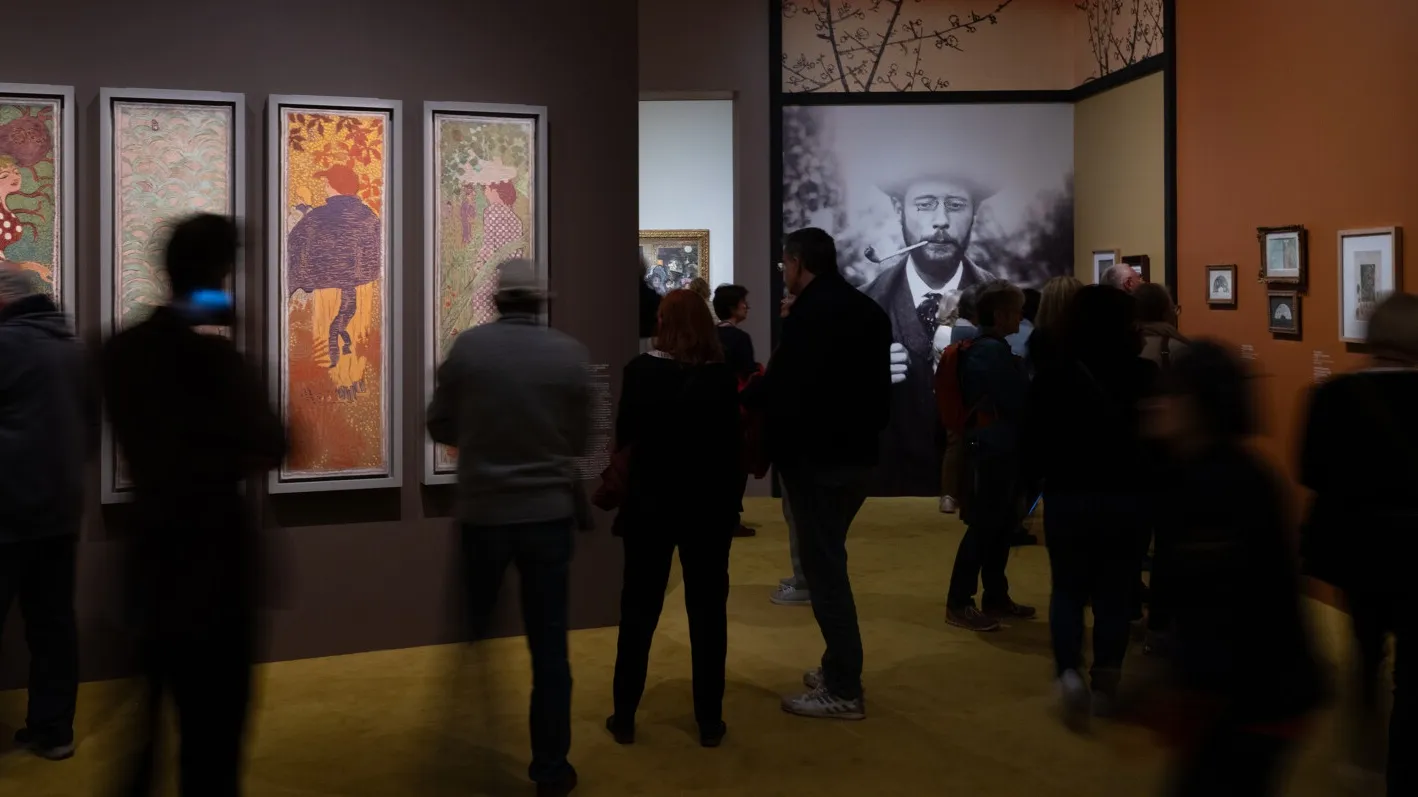
Hôtel de Caumont is an 18th-century mansion in the Mazarin district of Aix-en-Provence, now an art centre. It hosts temporary exhibitions of major artists and keeps a permanent film about Paul Cézanne's life and work. The ground floor and the gardens can be visited without an exhibition ticket. The two-level garden has a café, and the house itself, with its salons and period furnishings, is part of the visit.
The mansion and its history
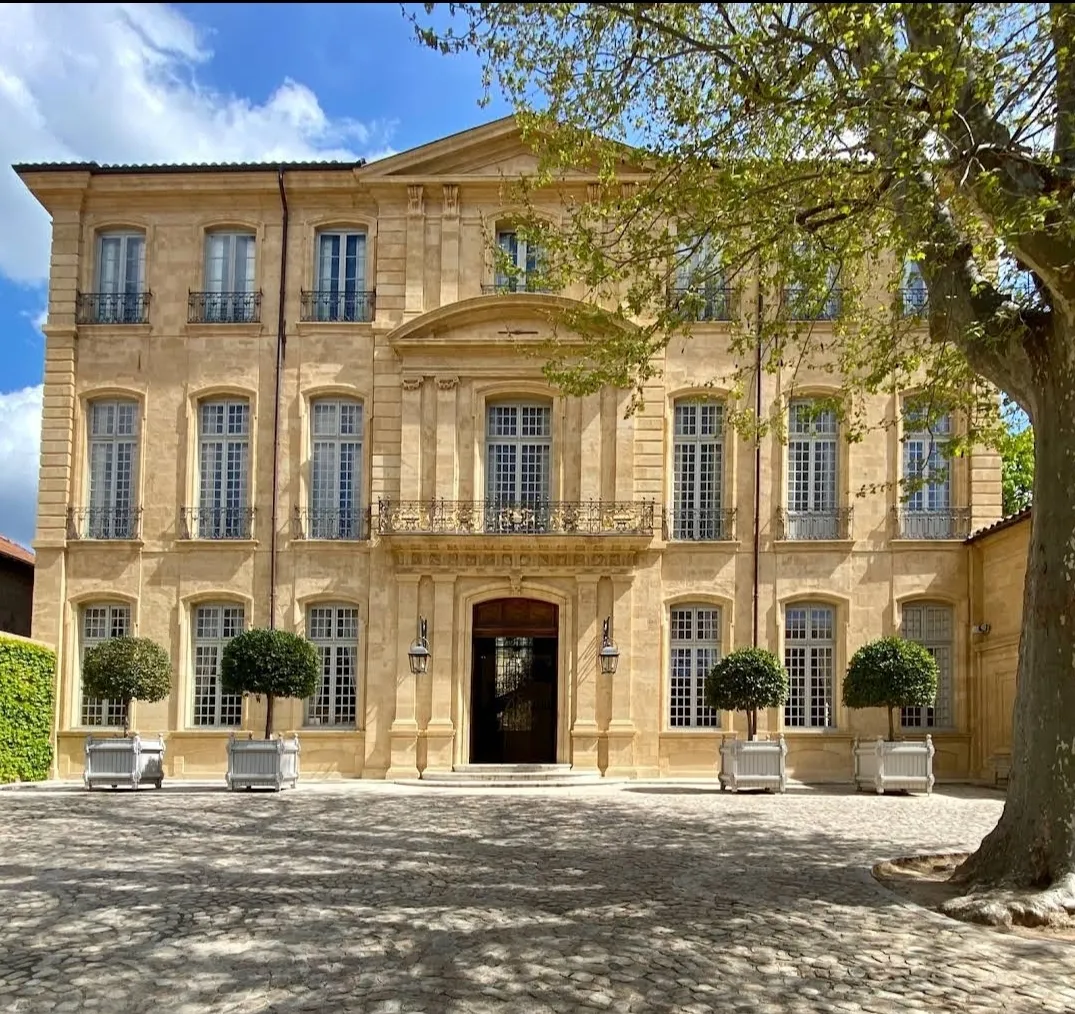
The mansion stands at 3 rue Joseph Cabassol, in the Mazarin district, the southern and aristocratic part of Aix-en-Provence. It was built between 1715 and 1742 for François Rolland de Tertulle, Lord of Réauville and Marquis de Cabannes, who presided over the Court of Audit. The design followed plans by Robert de Cotte, a Parisian architect, and the work was carried out by Georges de Vallon. The house shares features with the Hôtel Boyer d'Éguilles in the same city, both influenced by the Parisian style of the period.
The building changed hands several times over the centuries. For many years it was a private mansion, and later it housed the city's conservatoire and dance school before it became an exhibition venue. The city of Aix acquired it in 1964, and it has been listed as a Historic Monument since 1987.
The approach and the gardens
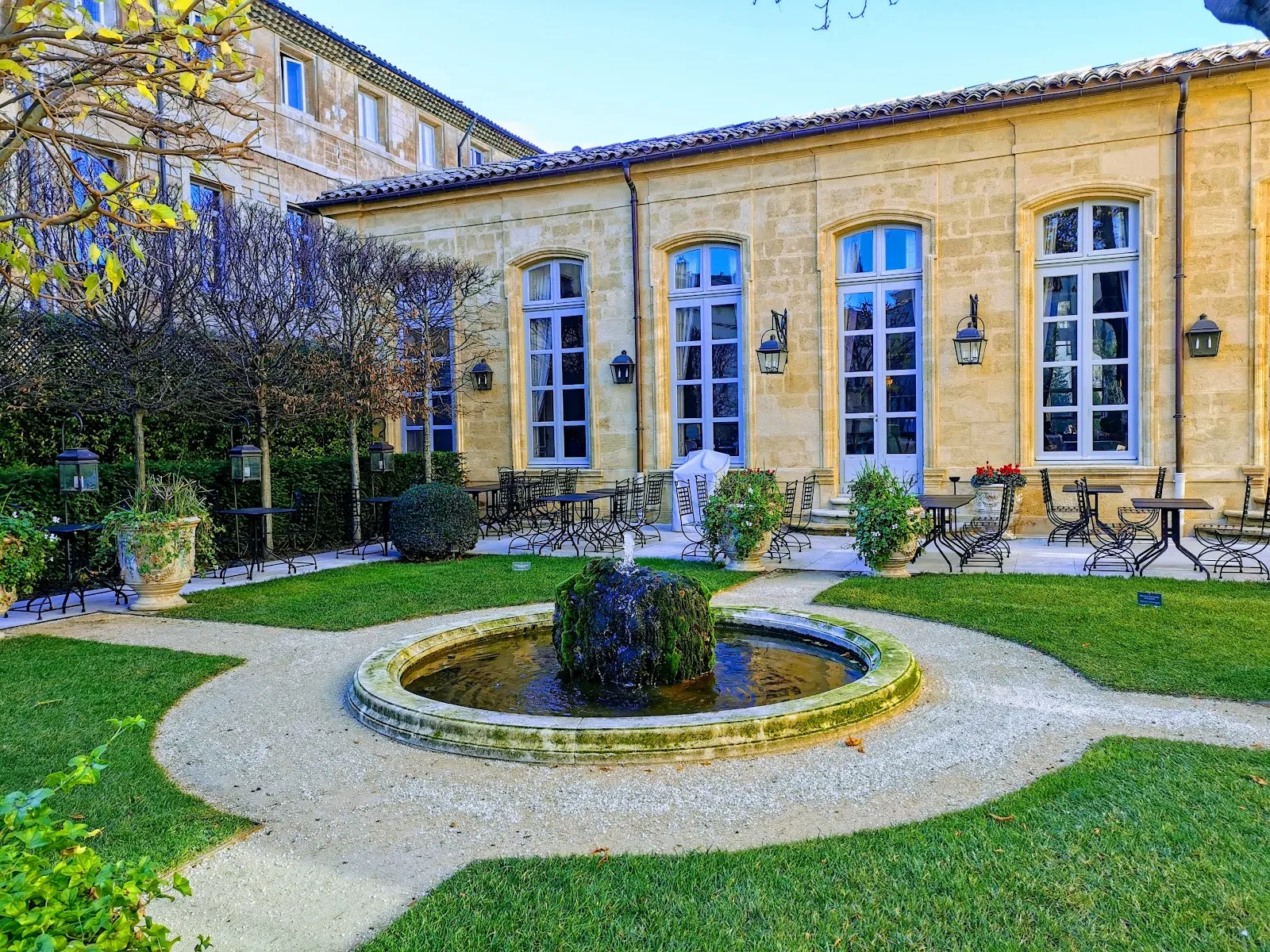
The layout follows a pattern that appeared in Paris in the 16th century, a mansion built between courtyard and garden. Four stages lead from public to private space: the gate, the courtyard, the main building and the garden. The entrance is flanked by a sculpture of Atlas.
The paved Cour d'Honneur gives the house its formal front. Behind the building, the gardens cover more than 1,000 square metres and rise on two levels. In the back garden, a small labyrinth laid out as a parterre, a pattern of clipped beds and paths, adds a playful detail. The garden is fragrant with jasmine.
Inside the rooms
The rooms were restored, and their décor was brought back toward the original style of the house. The salons are furnished with antiques and objets d'art that reflect the wealth of the family who built it. The grand staircase and the refined salons form the main route through the house.
The furnishing is arranged to show how the house was lived in during the 18th century, so the rooms are worth reading slowly rather than passing through.
Exhibitions and the Cézanne film
The house is an art centre for temporary exhibitions dedicated to major artists. It also hosts concerts, lectures and musical performances. Recent shows have included Toulouse-Lautrec, with material on the period that shaped his work, and Niki de Saint Phalle.
Permanent sculpture and painting installations are shown on the first two floors. The permanent video display includes a film about Paul Cézanne's life and work. The film is a dramatised overview of the painter's life, so it works best as an introduction before you explore the city's other Cézanne sites.
The café and the free areas
A tea room and café serve drinks and food, both inside the house and in the garden. A glass of local rosé is a common way to end a visit. A gift shop is on site.
The ground floor and the garden can be walked without an exhibition ticket, so you can see part of the building before deciding on the paid exhibitions.
Planning the visit
Tickets can be bought online, and entry runs in 15-minute time slots. Booking ahead can cost a little less than buying on arrival.
Large tour groups can fill the rooms, and the route runs one way, so a quieter hour gives you more room to look. The site has a paid parking garage, a wheelchair accessible entrance, a wheelchair accessible restroom, wheelchair accessible seating and an assistive hearing loop.
The Cours Mirabeau is about two minutes away on foot. The Musée Granet, which holds many of Cézanne's paintings and sketches, is another stop on the same trail.
FAQ
Is there an entry fee?
The ground floor and the garden can be walked for free. The temporary exhibitions are paid, and booking online ahead can cost a little less.
Do I need to book in advance?
Tickets can be bought online, and entry runs in 15-minute time slots. Booking ahead is the simplest way to secure a time.
Is the building accessible for wheelchair users?
Yes. The site has a wheelchair accessible entrance, a wheelchair accessible restroom and wheelchair accessible seating, plus an assistive hearing loop.
Is there a café?
Yes, a tea room and café serve drinks and food, inside the house and in the garden. A glass of local rosé is served there.