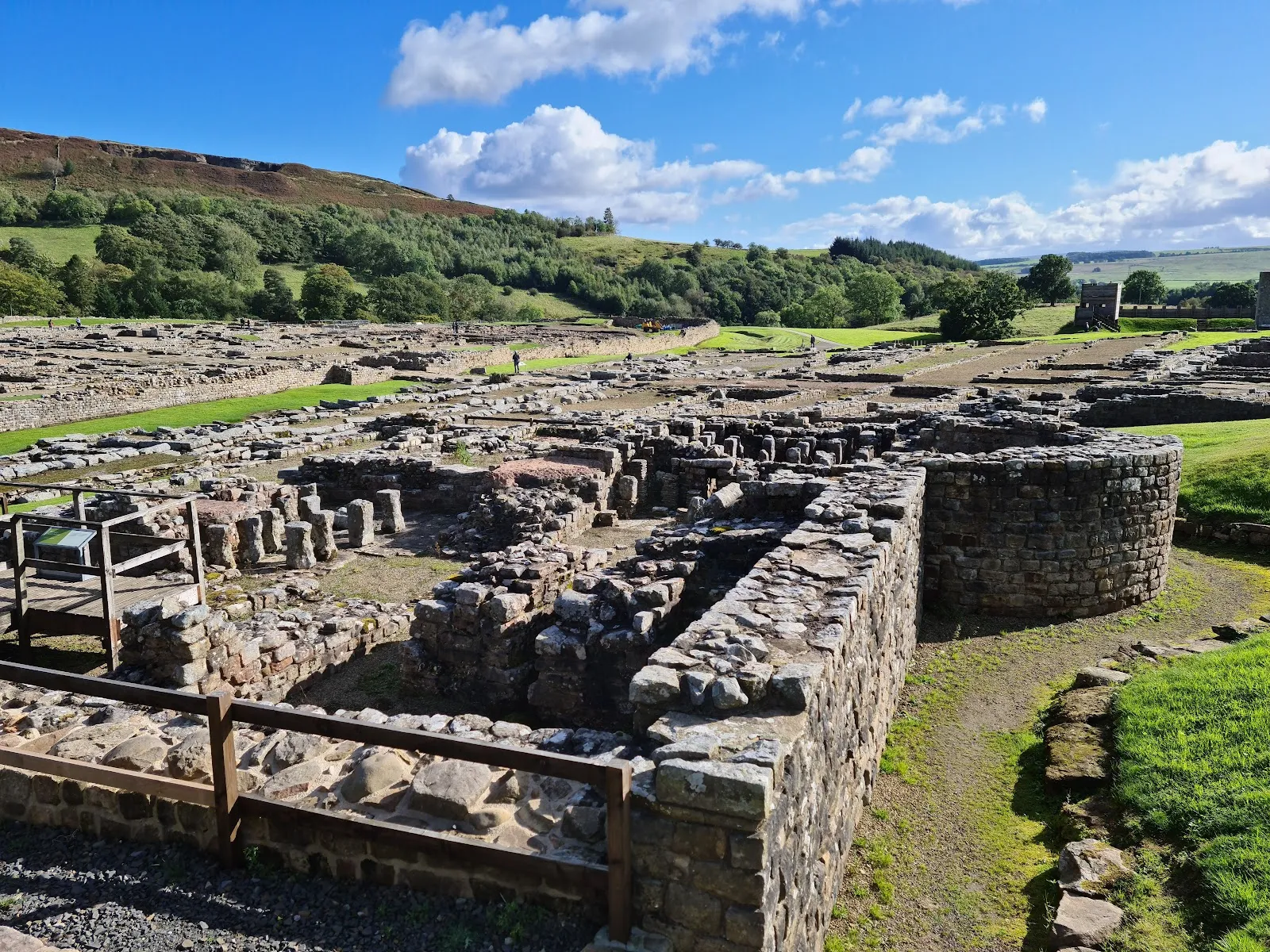
Vindolanda is a Roman fort and settlement near Hexham, just south of Hadrian’s Wall. Its excavated buildings and museum bring together military life and the routines of the people who lived around the fort. Look for the wooden Vindolanda writing tablets, along with finds such as shoes, leather goods, jewellery, pottery and coins. Archaeological work continues on the site, so you can see the remains in the context of an active dig. Allow time for both the outdoor ruins and the indoor displays.
A fort and settlement before Hadrian’s Wall
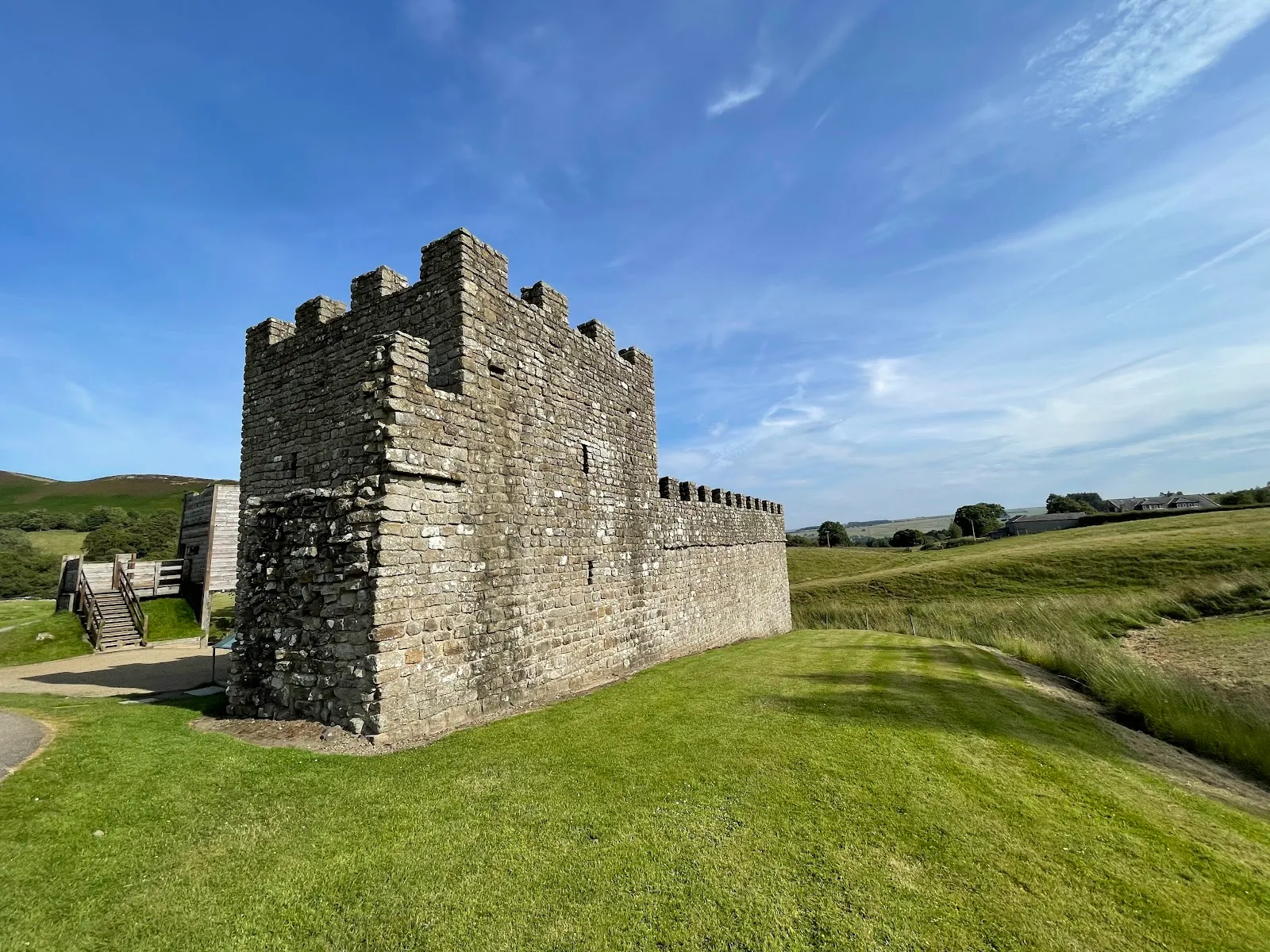
Vindolanda lies south of Hadrian’s Wall, near Hexham. The site began before the wall was built and served as a Roman fort and settlement. Soldiers lived here alongside their families, and the community included homes, shops and military buildings.
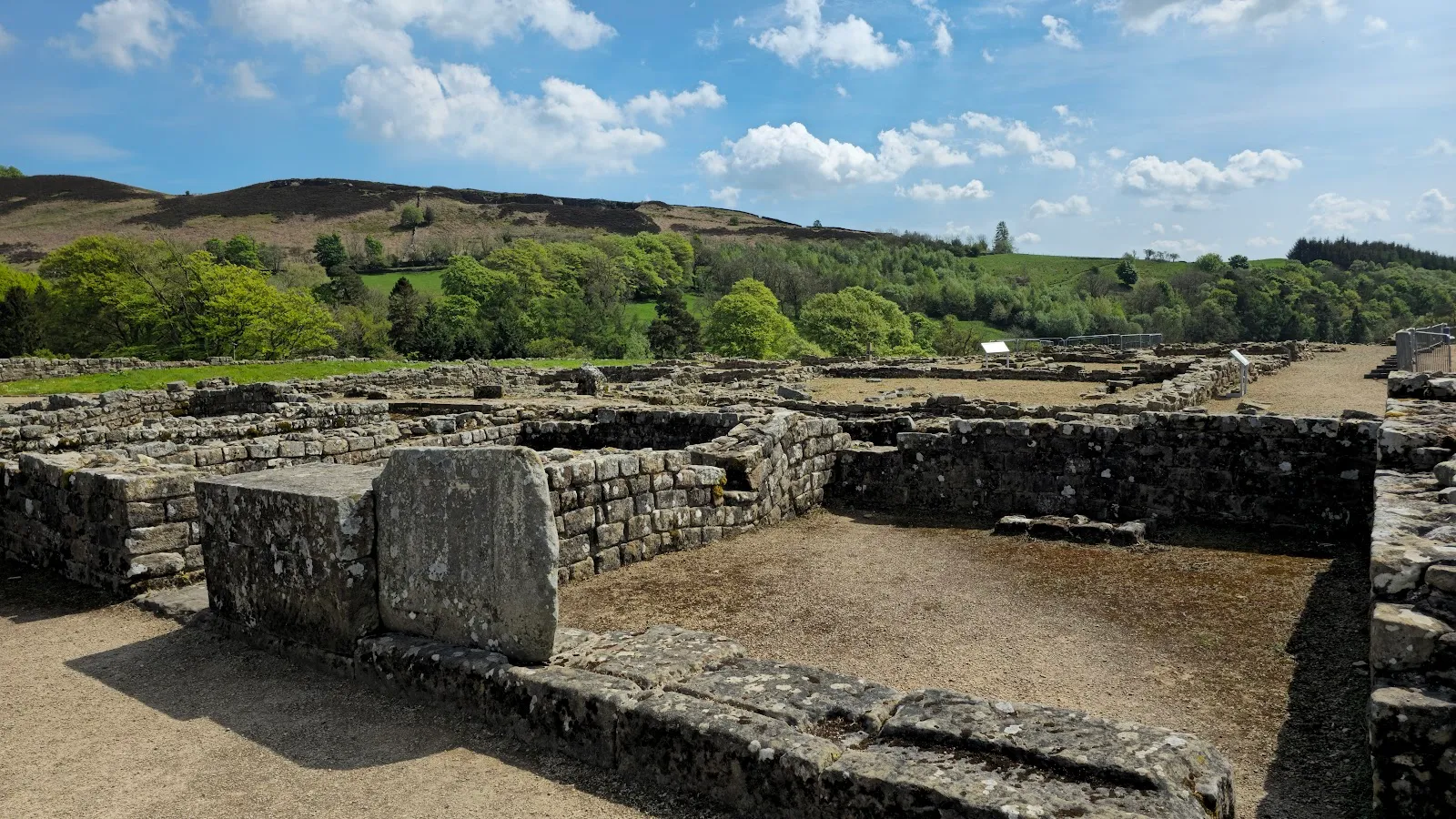
The remains record successive periods of occupation. Forts were built and rebuilt on the site, and the settlement included practical and communal spaces such as barracks, stores and bath houses. Excavated areas also include a mausoleum and a church. These remains help explain how military life and civilian routines shared the same frontier settlement.
What the museum reveals
The museum displays objects excavated at Vindolanda, from shoes and leather goods to pottery, jewellery and coins. Together, these finds offer details of daily life that are harder to see in the surviving walls and foundations. Displays also cover the people involved in earlier excavations and set Roman history in a wider timeline.
The Vindolanda writing tablets are among the site’s most notable finds. These wooden documents preserve handwritten words from Roman Britain and give a close look at communication in the settlement. They need careful protection from oxygen and moisture, so they are displayed under controlled conditions.
Archaeology still in progress
Excavation continues at Vindolanda. Archaeologists work on the site during the warmer part of the year, and visitors may be able to see active digging. The work has uncovered objects including shoes, jewellery, pottery and coins, adding new material to the museum’s collection.
A guided tour can help put the exposed buildings and excavation areas into context. You can also explore at your own pace, using the site’s signs to understand the remains. As the grounds are extensive and partly outdoors, the experience changes with the weather: bring suitable clothing if rain is expected, and leave enough time to move between the ruins and museum.
FAQ
How long should you spend at Vindolanda?
Allow at least two hours to explore the site and museum. The grounds are extensive, and a longer visit is possible.
What can you see at Vindolanda?
The site includes excavated Roman fort and settlement remains, while the museum displays finds such as shoes, leather goods, pottery, coins and the Vindolanda writing tablets.
Can you see archaeological excavations at Vindolanda?
Excavation continues at the site, with archaeological work taking place during the warmer part of the year. A guided tour can add context to the work and the remains.
Is Vindolanda outdoors?
The visit includes outdoor ruins as well as indoor museum displays. Weatherproof clothing is useful if rain is forecast.


