
The Fitzwilliam Museum is the art and antiquities museum of the University of Cambridge, on Trumpington Street in the city centre. Its neoclassical building holds more than half a million objects, from Egyptian coffins and Greek vases to Italian and Dutch paintings and Impressionist works by Monet and Cézanne. The permanent collection is free to enter, and the museum has family trails and a bright café. Set aside a morning and choose a few galleries rather than trying to see everything.
From a bequest to a public museum
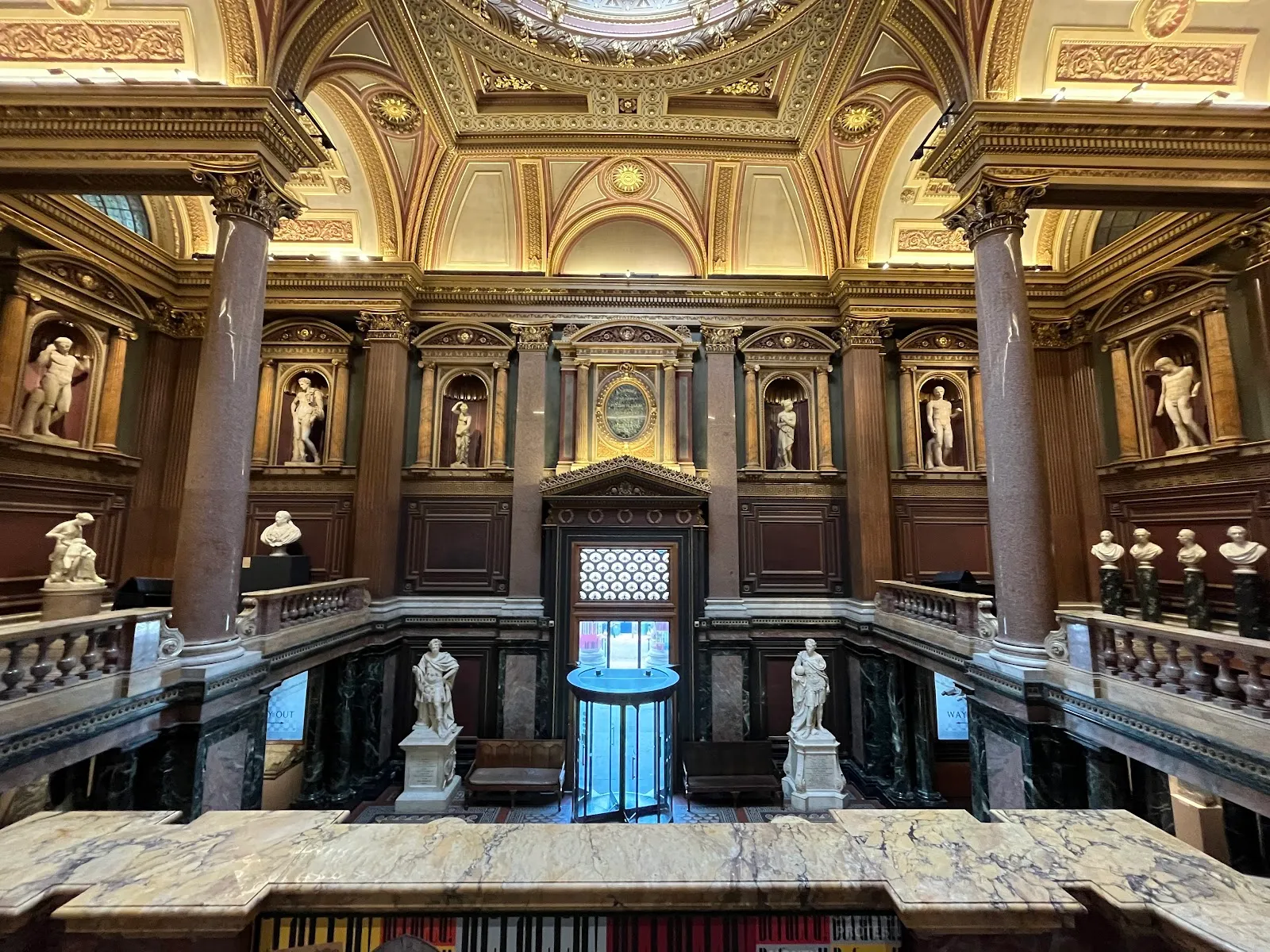
The museum was founded in 1816, when Richard FitzWilliam, 7th Viscount FitzWilliam of Merrion, left his art and his library to the University of Cambridge. The neoclassical building was put up to hold that gift, and it is among the earliest public art museums in Britain. Locals often call it simply the Fitz.
Its holdings range from the ancient world to twentieth-century art, and the displays are arranged so that visitors can follow one era after another.
Egypt, Greece and Rome
The antiquities galleries are a common starting point. They include Egyptian sarcophagi and mummies, among them a colourful coffin from about 3,000 years ago, and Assyrian winged figures from Nimrud. Greek vases from the 5th century BC sit alongside Roman sculpture, and the collection also covers Cypriot art and the ancient Near East.
Smaller objects reward a slower look. A Roman tool that resembles a Swiss army knife is one of the more unusual finds. The museum also has a decimal clock dating from 1793, the year France introduced a system that split the day into ten hours.
Paintings from the Renaissance to modern art
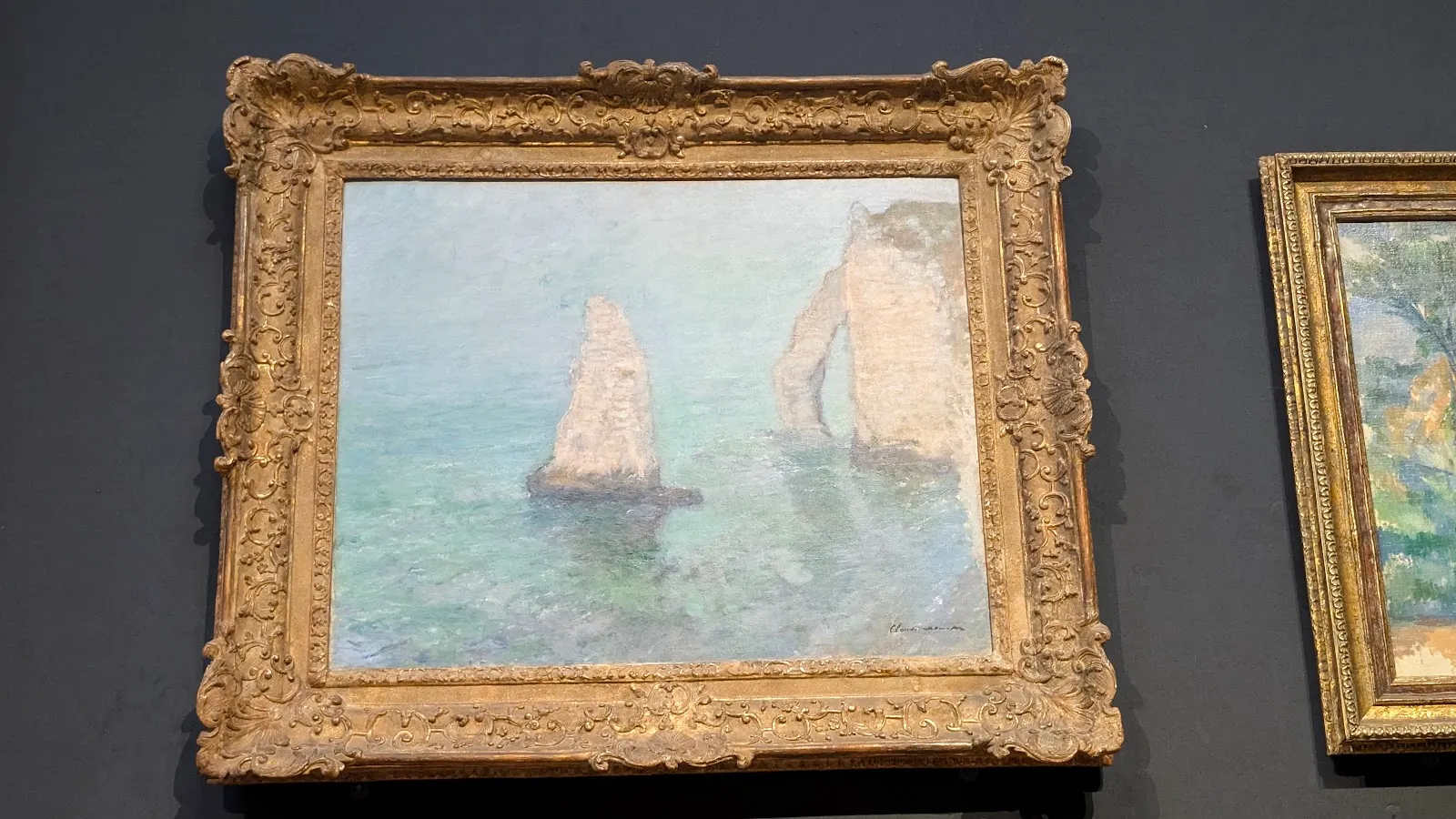
The painting collection moves from Italian Renaissance altarpieces to modern work. Titian, Veronese, Rubens, Van Dyck, Frans Hals, Canaletto, Hogarth, Gainsborough and Constable are among the older names. The Impressionist holdings include paintings by Monet, Degas, Renoir and Cézanne.
The twentieth century is covered too, with work by Picasso and, in the later modern section, pieces by Lucian Freud and David Hockney.
Applied arts, coins and manuscripts
Beyond painting, the museum keeps English and European pottery and glass, furniture, armour, fans, rugs and samplers. Chinese, Japanese and Korean art has its own displays, and there is a collection of coins and medals.
The manuscript holdings include illuminated, literary and music manuscripts. Among the literary items are a draft of the Keats poem 'Ode to a Nightingale' and Virginia Woolf's handwritten draft of 'A Room of One's Own'.
Families, access and the café
Children get activity trails and family guides that send them searching for details in paintings and objects. Children aged two to six can pick up a map and a picture book linked to the collection, and an adventure tour of the gallery is also on offer. Colouring and drawing tables are set up for younger visitors.
The entrance, lift, toilets and seating are wheelchair accessible, and changing tables are available. The café is a bright, modern room that serves cakes and warm drinks, a good stop between galleries. The bookshop sells books, cards, prints, educational toys and souvenirs.
FAQ
Is there an entry fee?
Entry to the permanent collection is free. Some temporary exhibitions are ticketed, so check the schedule before you go.
How long do you need?
Most visits take two to three hours. A shorter visit focused on one or two galleries takes less time.
Is the museum open on Mondays?
It is closed on Mondays. The page shows the current opening times for the other days.
Is there parking at the museum?
There is no visitor parking on site. The Grand Arcade car park is about a ten-minute walk away.
Is it suitable for children?
Yes. Family trails, family guides, and a map and picture book for ages two to six help children engage with the collection.


