The Museo Marítimo y del Presidio occupies Ushuaia’s former prison and brings together exhibits on the city’s past, maritime history, Antarctic expeditions and marine art. Walk through the old cells, then look for ship models and objects connected with voyages through the Beagle Channel and beyond. The museum also covers the region’s Indigenous inhabitants and the growth of Ushuaia. Bilingual displays help you explore independently, while guided tours add context and anecdotes. Its many galleries reward a slow visit, and the ticket allows you to return on another day.
A prison turned museum complex
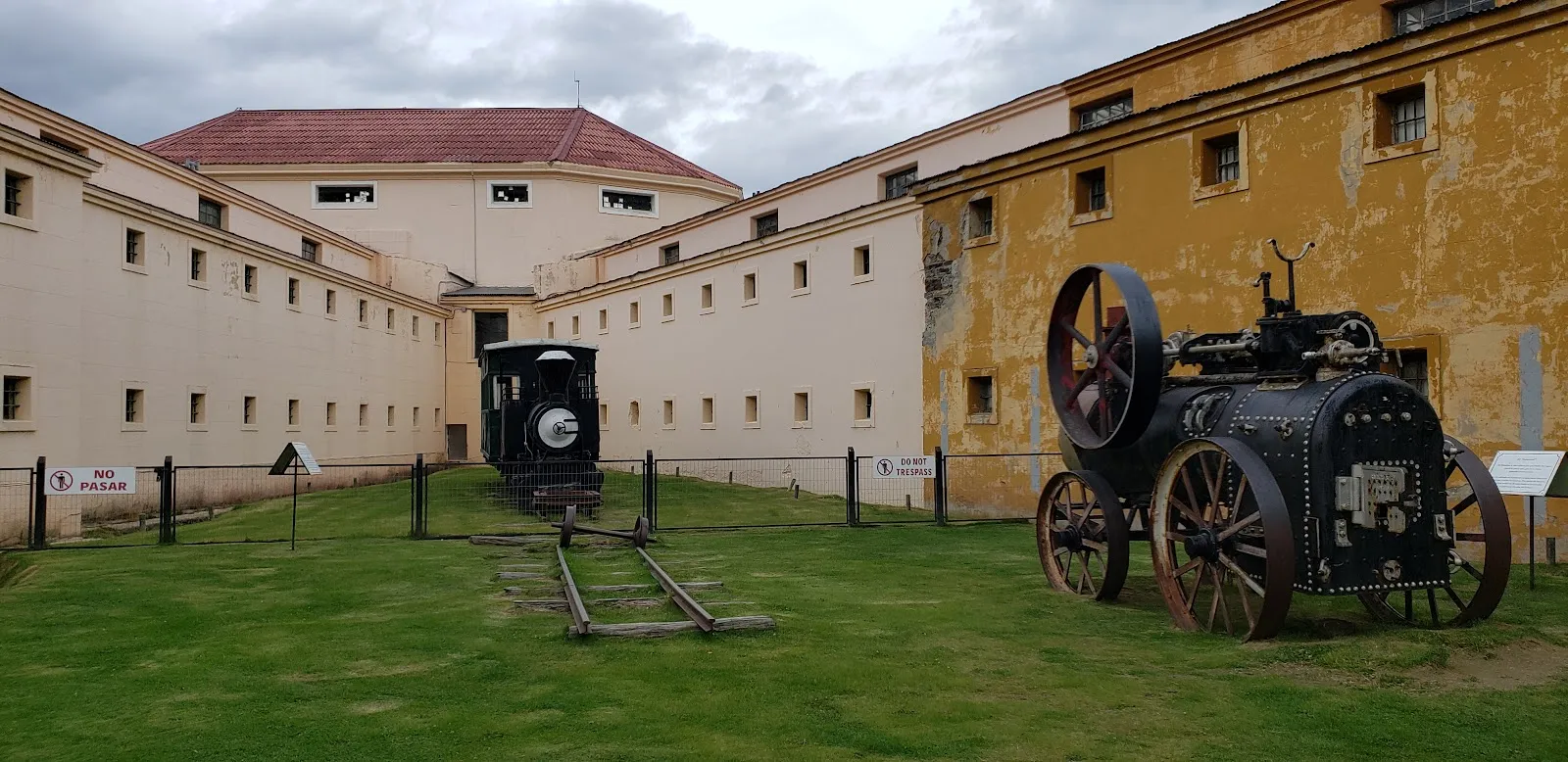
The museum is housed in Ushuaia’s former prison, a building that gives the visit a direct connection to the city’s past as a penal colony. The prison closed in 1947. Today, its corridors and former cells are part of a complex containing several museums, including the Museo Marítimo, the Museo del Presidio, the Museo Antártico and the Museo de Arte Marino.
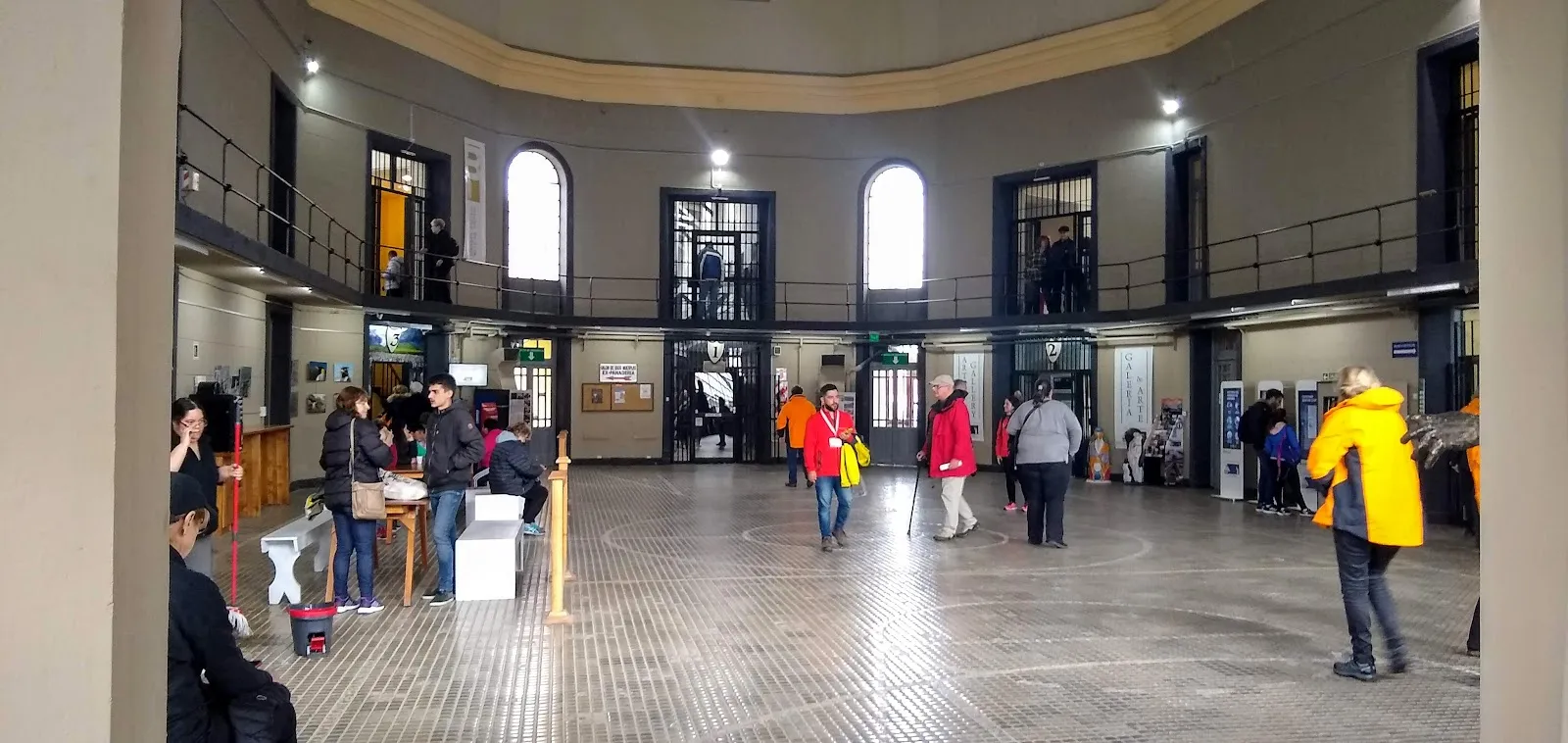
The former cells offer a glimpse of the prison environment and the lives of people held there. The exhibits address the conditions prisoners endured, as well as the work, privileges and punishments associated with prison life. The building’s long, echoing corridors can feel cold, so comfortable shoes and an extra layer can help.
Maritime history and Antarctic exploration
The maritime galleries trace the region’s connections with seafaring, exploration and shipwrecks. Look for ship models and objects connected with voyages through the Beagle Channel and expeditions to Antarctica. Exhibits also cover naval history and the development of Ushuaia.
Other displays address the Indigenous peoples of the region and the settlement of Tierra del Fuego. The museum’s scope makes it possible to move between local history, maritime travel and polar exploration in one visit. Spanish and English displays support independent visits; a guided tour can add further context and anecdotes.
Marine art and planning your visit
The Museo de Arte Marino focuses on art connected with the sea, water and fishing. Its collection includes work by artists who identify with maritime subjects, as well as pieces made around themes such as ports and fishing. The galleries place marine art alongside the complex’s historical exhibits.
There is enough to see that a single visit may feel rushed if you want to explore every section. The ticket is valid for multiple days, so you can return and spend more time with the galleries. The museum’s central location also makes it practical to combine with a walk along Ushuaia’s waterfront or a stop at a nearby café.
FAQ
How long should I plan for the museum?
The museum’s many galleries can take more than one visit to explore fully. The ticket is valid for multiple days, so you can return.
What can I see inside the former prison?
You can walk through former prison cells and see exhibits about prison life, alongside maritime, Antarctic and marine art collections.
Are the exhibits available in English?
Yes. Displays are in Spanish and English.
Can I take a guided tour?
Yes. Guided tours are available and add context and anecdotes to the exhibits.