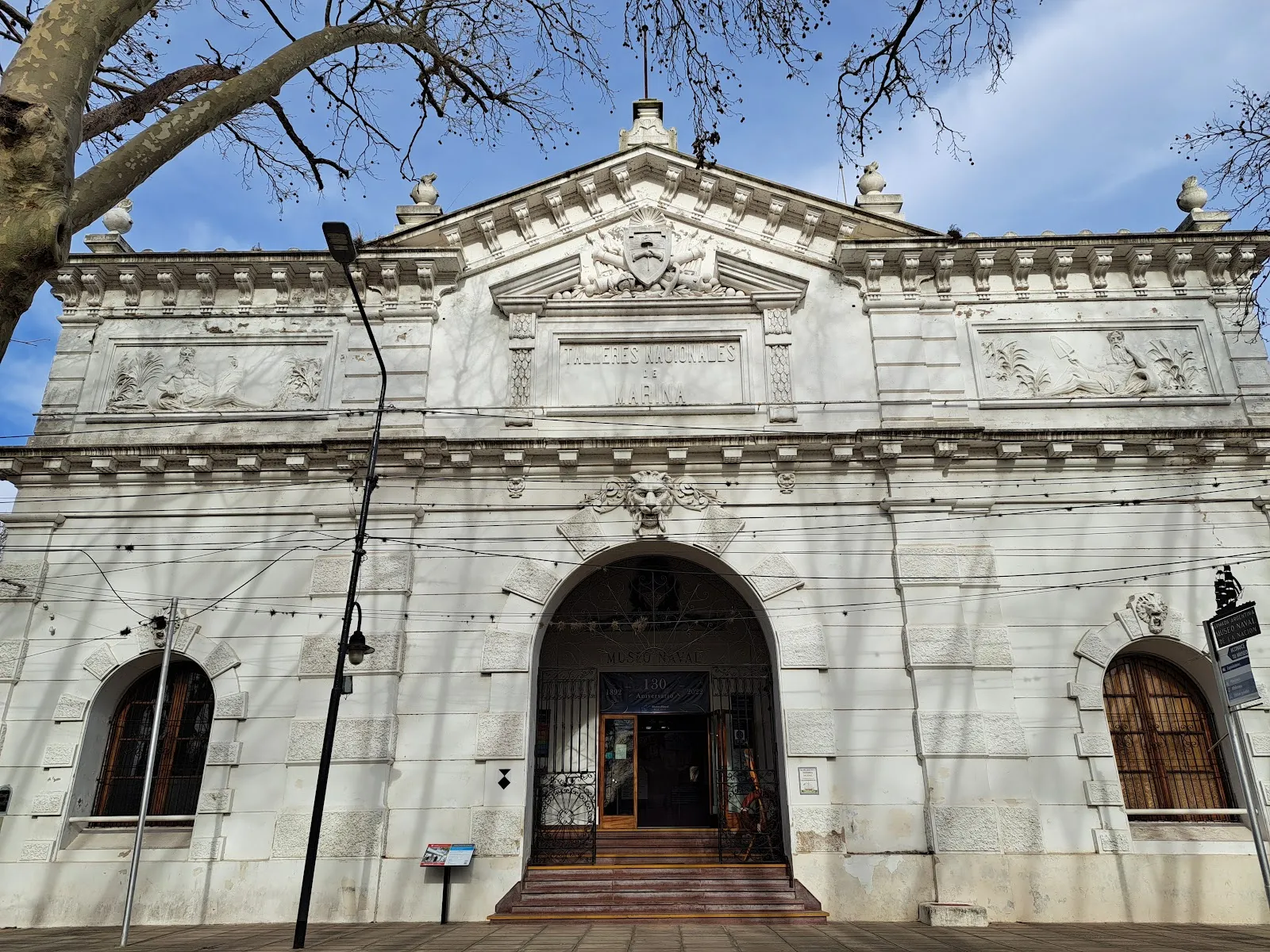
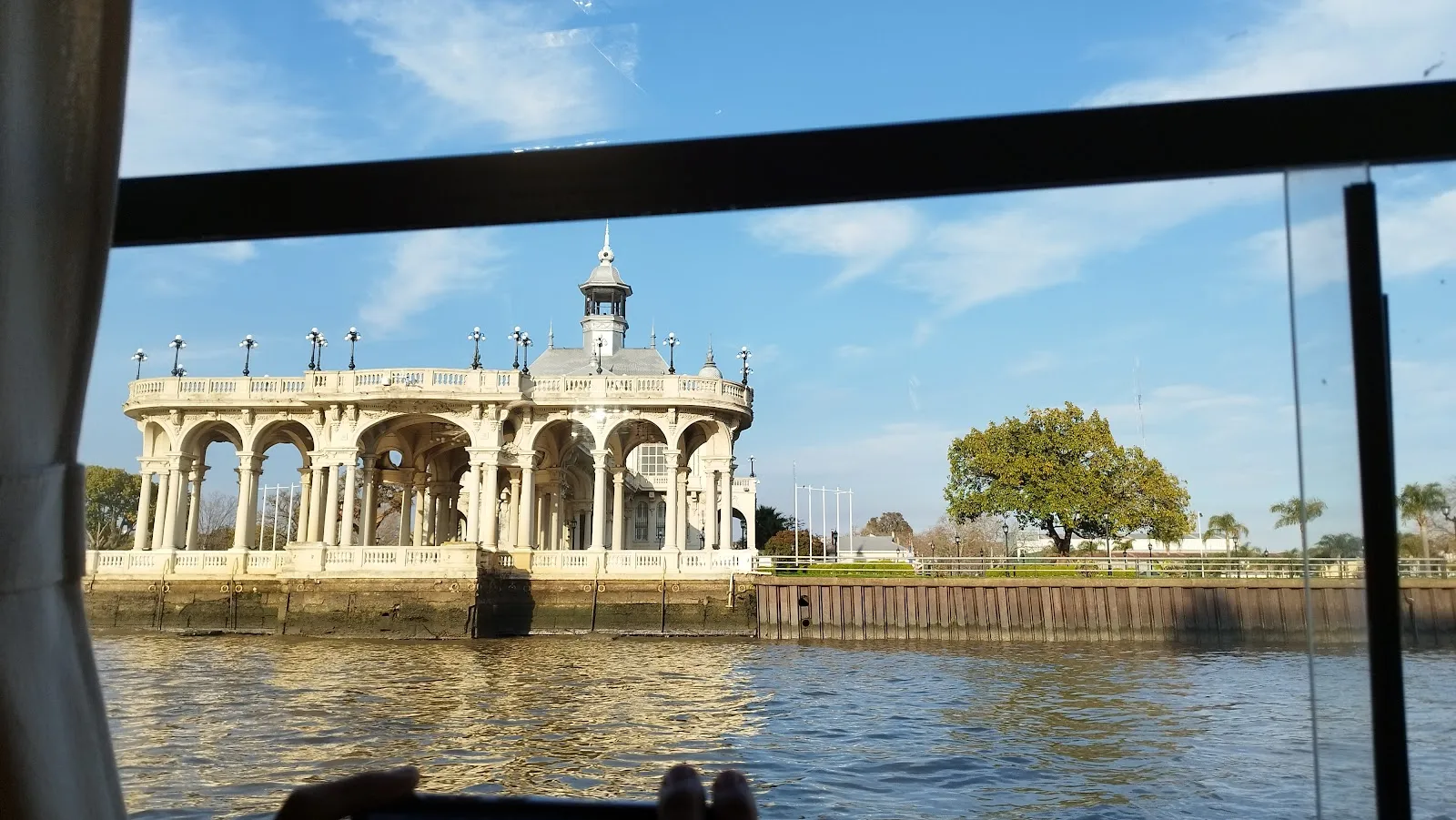
The Museo de Arte de Tigre occupies a former social club on the Luján River, in the Tigre delta north of Buenos Aires. The club was built in the early 1900s as a retreat from the capital, and its rooms now hold a collection of Argentine figurative art from the late 19th to mid 20th centuries. The building is the main draw: a marble staircase, stained-glass windows, gilt-inlaid columns and high ceilings. Walk the riverside grounds before going in.
From social club to museum
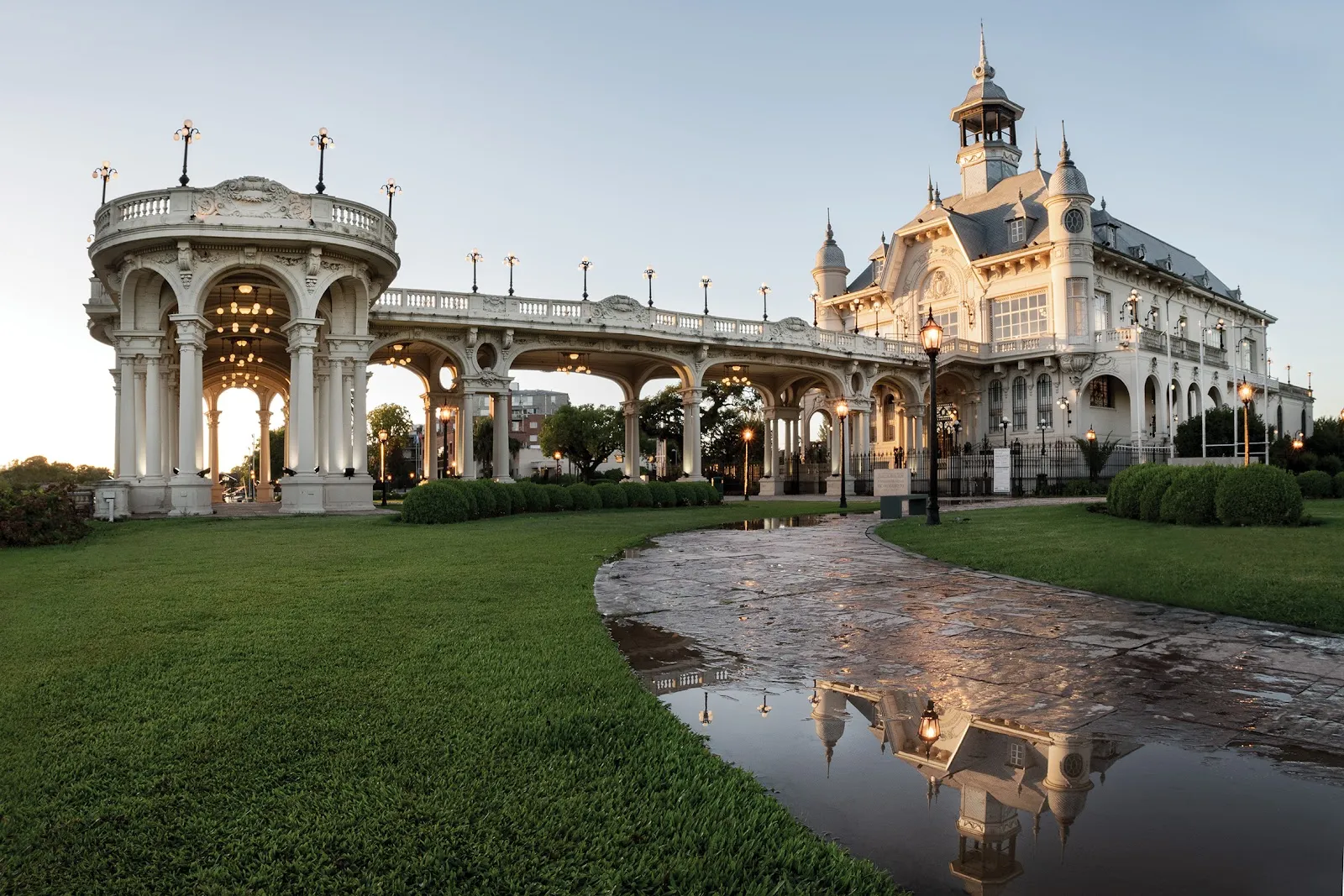
The building went up in the early 1900s for the Tigre Club, a social club that hosted rowing, tennis and regattas for the elite of Buenos Aires. Wealthy visitors came to the delta to rest from the city, and the club also had a casino.
The club kept the building until 1974, when it was taken from the club. An economic crisis and a new law banning gambling in the early 1930s had already weakened the venue, which was later left unused. In 1979 the building was declared a site of national historic heritage for its architecture. It was restored with marble, bronze and stained glass, and it reopened as the Museo de Arte de Tigre in 2006.
Inside the building
The interior keeps the look of a European mansion from the turn of the century. A broad marble staircase rises through the building, and stained-glass windows fill the rooms with coloured light.
Gilt-inlaid columns and tall ceilings belong to the same restoration. Give yourself time to look up at the ceilings and along the staircase before you move on to the paintings.
The collection
The museum's holdings are mostly Argentine art, with figurative work from the late 19th to mid 20th centuries. Painters represented include Quirós, Castagnino, Soldi and Quinquela Martín. Some works show daily life in the delta around Tigre.
Xul Solar, a painter, sculptor and writer from San Fernando, lived in Tigre in his later years, and his work is part of the collection.
Visiting and getting there
Guided tours are offered in Spanish, and the museum runs workshops. The site has a cafe, a restaurant, a gift shop and a restroom. The entrance and restroom are wheelchair accessible, and both free and paid parking are available.
From Buenos Aires, one guide puts the train at about 45 minutes. Buses and the Tren de la Costa also run to Tigre. On weekends the Puerto de Frutos market is busy, with wicker furniture and food stalls. The walk from town along Paseo Victorica follows the river to the museum. The Parque de la Costa amusement park, the Naval Museum and the Museo de Maté are also in the area.
FAQ
Is there an entry fee?
Yes, the museum charges admission. The current price is on the museum's website at mat.gov.ar.
Do I need to book tickets in advance?
Advance tickets are recommended, so buy them before you travel to Tigre.
How do I get to the museum from Buenos Aires?
A train takes about 45 minutes from the capital. You can also take a bus or the Tren de la Costa.
Is the museum wheelchair accessible?
Yes. The entrance, the restroom and the parking lot are wheelchair accessible.
Are guided tours available?
Yes, guided tours are offered in Spanish, and the museum also runs workshops.