Planear uma viagem
Idioma: Português
Planeador de viagensPlaneie a sua viagem num mapa

Principais destinos

EnglishDeutschFrançaisEspañolPortuguêsPortuguês (BR)Italiano
Aviso de viagem · BrasilSalvador fica em ou perto de uma área onde os governos aconselham a evitar todas as viagens, exceto as essenciais: Favelas e moradias informais nas grandes cidades.As recomendações dependem do seu passaporte. Leia as recomendações do seu próprio governo antes de reservar.Recomendações oficiais
Áreas com avisos
  • Ceilândia · evitar viagens não essenciais · Itália, EUA
  • Favelas e moradias informais nas grandes cidades · evitar viagens não essenciais · Espanha, Nova Zelândia, EUA
  • Paranoá · evitar viagens não essenciais · Itália, EUA
  • Santa Maria · evitar viagens não essenciais · Itália, EUA
  • São Sebastião · evitar viagens não essenciais · Itália, EUA
  • Zona de fronteira com a Venezuela · evitar viagens não essenciais · Alemanha, França

Também indicado por um governo: Faixa de 160 km ao longo de todas as fronteiras terrestres (EUA), Complexo da Maré (Canadá), Complexo da Penha (Canadá), Faixa de 20 km ao longo da fronteira com a Bolívia (exceto o Parque Nacional do Pantanal) (Canadá), Faixa de 20 km ao longo da fronteira com a Colômbia (Canadá), Faixa de 20 km ao longo da fronteira com a Guiana Francesa (Canadá), Faixa de 20 km ao longo da fronteira com a Guiana (Canadá), Faixa de 20 km ao longo da fronteira com o Paraguai (Canadá), Faixa de 20 km ao longo da fronteira com o Peru (Canadá), Faixa de 20 km ao longo da fronteira com o Suriname (Canadá), Faixa de 50 km ao longo da fronteira com a Venezuela (Canadá), Rio Amazonas e seus afluentes entre Codajás e Belém do Solimões (Estado do Amazonas) (Reino Unido), Zonas de fronteira (não especificadas) (França), Parque Nacional da Chapada Diamantina (Trilha do 21) (Espanha), Planaltina (Itália), Favelas do Rio de Janeiro (Alemanha), Samambaia (Itália)

GovernoRecomendaçõesAtualizadoLer as recomendações
Reino Unido (FCDO)No advice against the whole country (regional advisories)–Ler as recomendações
Estados Unidos (Departamento de Estado)Exercise increased caution (regional advisories)31/08/2026Ler as recomendações
Canadá (Assuntos Mundiais)Exercise a high degree of caution (regional advisories)–Ler as recomendações
Alemanha (Ministério dos Negócios Estrangeiros)No advice against the whole country (regional advisories)27/10/2026Ler as recomendações
Nova Zelândia (SafeTravel)Exercise increased caution due to high crime rates (regional advisories)–Ler as recomendações
França (Ministério para a Europa e Negócios Estrangeiros)Vigilance renforcée (pays à risque) (regional advisories)–Ler as recomendações

Verificado diariamente a partir das recomendações publicadas pelos governos; última verificação 3/11/2026.RoamLedger resume as recomendações oficiais; não são recomendações de nenhum governo.

An aerial view of a city with a large body of water
Igreja

Church of Our Lady of the Rosary of the Black People

In Largo do Pelourinho, this Baroque church tells the story of Black brotherhoods in Salvador.

In Largo do Pelourinho, this Baroque church tells the story of Black brotherhoods in Salvador. Enslaved and freed Black people built it through the Brotherhood of Our Lady of the Rosary of Black Men, with construction taking nearly a century. Inside, information boards explain its history, and an upper floor adds more to explore. The church is also known for Catholic worship accompanied by music influenced by Candomblé. Its setting among Pelourinho’s colorful buildings makes it a meaningful stop in the historic center.

A church built by Black brotherhoods
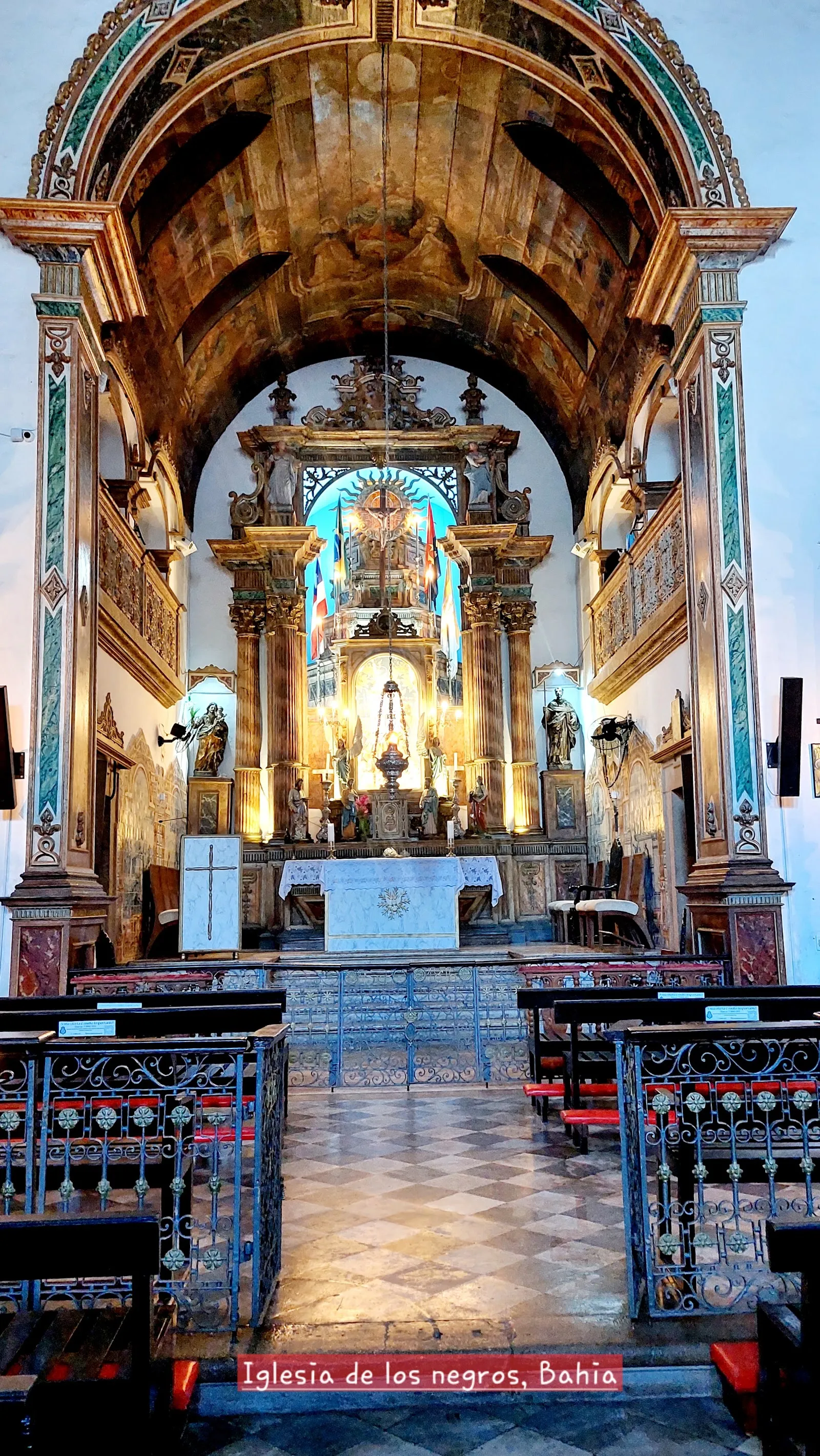
Church of Our Lady of the Rosary of the Black People

The church stands in Largo do Pelourinho, in Salvador’s historic center. Its construction began in 1709 and took nearly a century. Members of the Brotherhood of Our Lady of the Rosary of Black Men carried out the work. Enslaved people built the church in their spare time, alongside freed Black builders and craftspeople.

The brotherhood was among Brazil’s early Black religious associations. Its role in creating and maintaining the church gives the building a particular place in Salvador’s history. The site is part of the protected historic area of Pelourinho.

Inside the church
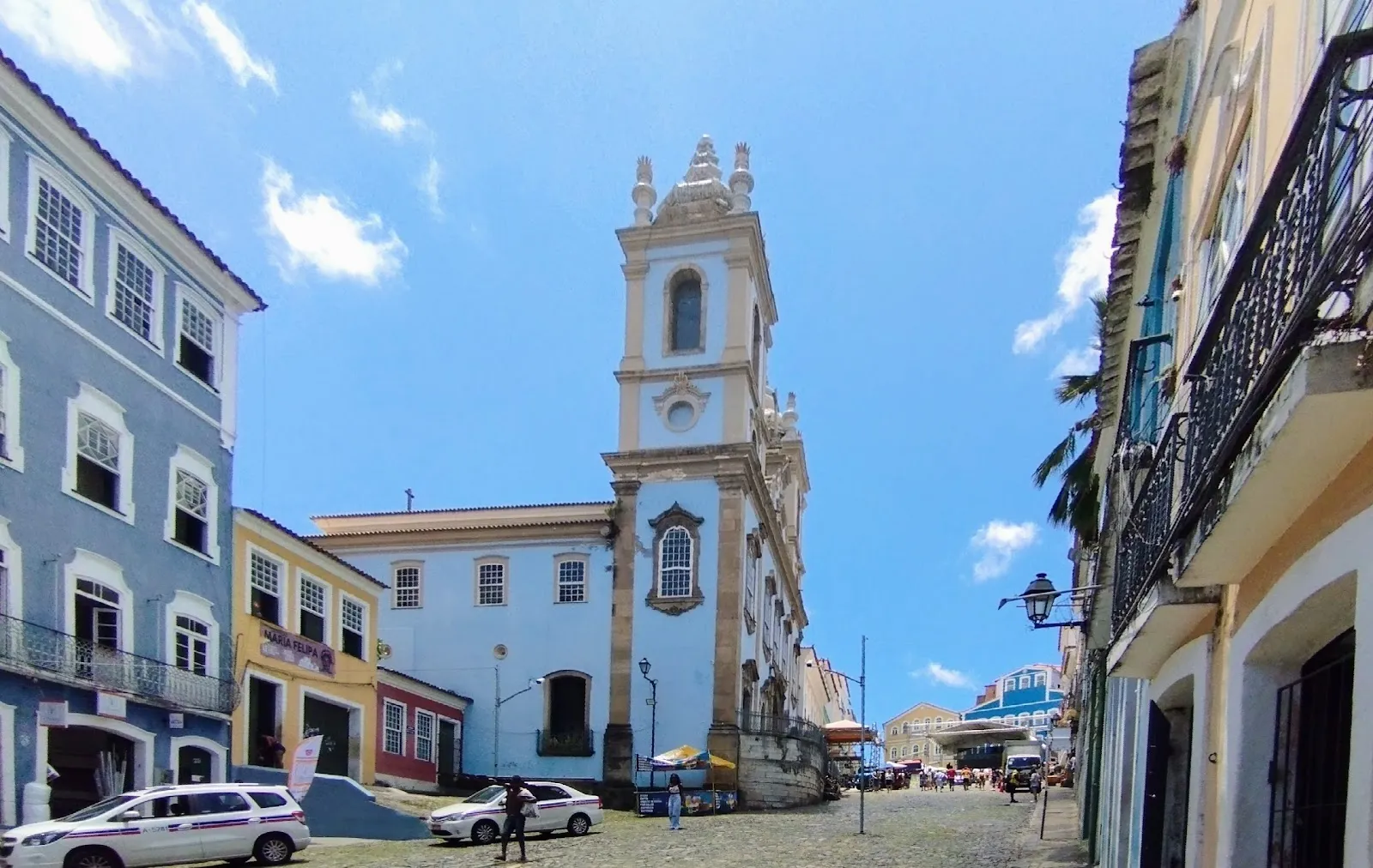
Church of Our Lady of the Rosary of the Black People

Information boards explain the church’s history, with material available in English. Take time to look around the upper floor for further details about the building and its architecture.

The church remains Catholic, and its liturgy uses music influenced by Candomblé traditions, including atabaque drums. This connection is part of the place’s living religious character. Approach the space with respect, especially if worship is taking place.

Perguntas frequentes

Where is the Church of Our Lady of the Rosary of the Black People?

It is at Largo do Pelourinho in Salvador’s historic center.

Who built the church?

Members of the Brotherhood of Our Lady of the Rosary of Black Men built it, including enslaved and freed Black people.

What can you see inside the church?

Historical information boards explain its past, and the upper floor provides more to explore.

What is distinctive about worship at the church?

Catholic liturgy here uses music influenced by Candomblé traditions, including atabaque drums.

Mais locais imperdíveis em Salvador

Explorar tudo