Pianifica un viaggio
Lingua: Italiano
Pianificatore di viaggiPianifica il tuo viaggio su una mappa

Le migliori destinazioni

EnglishDeutschFrançaisEspañolPortuguêsPortuguês (BR)Italiano
Avviso di viaggio · BrasileSalvador si trova in o vicino a un'area per cui i governi sconsigliano ogni viaggio non essenziale: Favelas e insediamenti informali nelle grandi città.Le indicazioni dipendono dal tuo passaporto. Leggi quelle del tuo governo prima di prenotare.Indicazioni ufficiali
Aree con avvisi
  • Ceilândia · evitare i viaggi non essenziali · Italia, Stati Uniti
  • Favelas e insediamenti informali nelle grandi città · evitare i viaggi non essenziali · Spagna, Nuova Zelanda, Stati Uniti
  • Paranoá · evitare i viaggi non essenziali · Italia, Stati Uniti
  • Santa Maria · evitare i viaggi non essenziali · Italia, Stati Uniti
  • São Sebastião · evitare i viaggi non essenziali · Italia, Stati Uniti
  • Zona di confine con il Venezuela · evitare i viaggi non essenziali · Germania, Francia

Segnalata anche da un solo governo: Fascia di 160 km lungo tutti i confini terrestri (Stati Uniti), Complexo da Maré (Canada), Complexo da Penha (Canada), Fascia di 20 km lungo il confine boliviano (escluso il Parco nazionale del Pantanal) (Canada), Fascia di 20 km lungo il confine colombiano (Canada), Fascia di 20 km lungo il confine con la Guyana francese (Canada), Fascia di 20 km lungo il confine con la Guyana (Canada), Fascia di 20 km lungo il confine paraguaiano (Canada), Fascia di 20 km lungo il confine peruviano (Canada), Fascia di 20 km lungo il confine con il Suriname (Canada), Fascia di 50 km lungo il confine venezuelano (Canada), Fiume Amazzonas e i suoi affluenti tra Codajás e Belém do Solimões (Stato di Amazonas) (Regno Unito), Zone di confine (non specificate) (Francia), Parco nazionale della Chapada Diamantina (Trilha do 21) (Spagna), Planaltina (Italia), Favelas di Rio de Janeiro (Germania), Samambaia (Italia)

GovernoConsigliAggiornatoLeggi le indicazioni
Regno Unito (FCDO)No advice against the whole country (regional advisories)–Leggi le indicazioni
Stati Uniti (Dipartimento di Stato)Exercise increased caution (regional advisories)31 ago 2026Leggi le indicazioni
Canada (Affari globali)Exercise a high degree of caution (regional advisories)–Leggi le indicazioni
Germania (Auswärtiges Amt)No advice against the whole country (regional advisories)27 ott 2026Leggi le indicazioni
Nuova Zelanda (SafeTravel)Exercise increased caution due to high crime rates (regional advisories)–Leggi le indicazioni
Francia (Ministero per l'Europa e gli Affari esteri)Vigilance renforcée (pays à risque) (regional advisories)–Leggi le indicazioni

Verificato ogni giorno dalle indicazioni pubblicate dai governi; ultima verifica 3 nov 2026.RoamLedger riassume le indicazioni ufficiali; non è un consiglio di alcun governo.

An aerial view of a city with a large body of water
Chiesa

Church of Our Lady of the Rosary of the Black People

In Largo do Pelourinho, this Baroque church tells the story of Black brotherhoods in Salvador.

In Largo do Pelourinho, this Baroque church tells the story of Black brotherhoods in Salvador. Enslaved and freed Black people built it through the Brotherhood of Our Lady of the Rosary of Black Men, with construction taking nearly a century. Inside, information boards explain its history, and an upper floor adds more to explore. The church is also known for Catholic worship accompanied by music influenced by Candomblé. Its setting among Pelourinho’s colorful buildings makes it a meaningful stop in the historic center.

A church built by Black brotherhoods
Church of Our Lady of the Rosary of the Black People

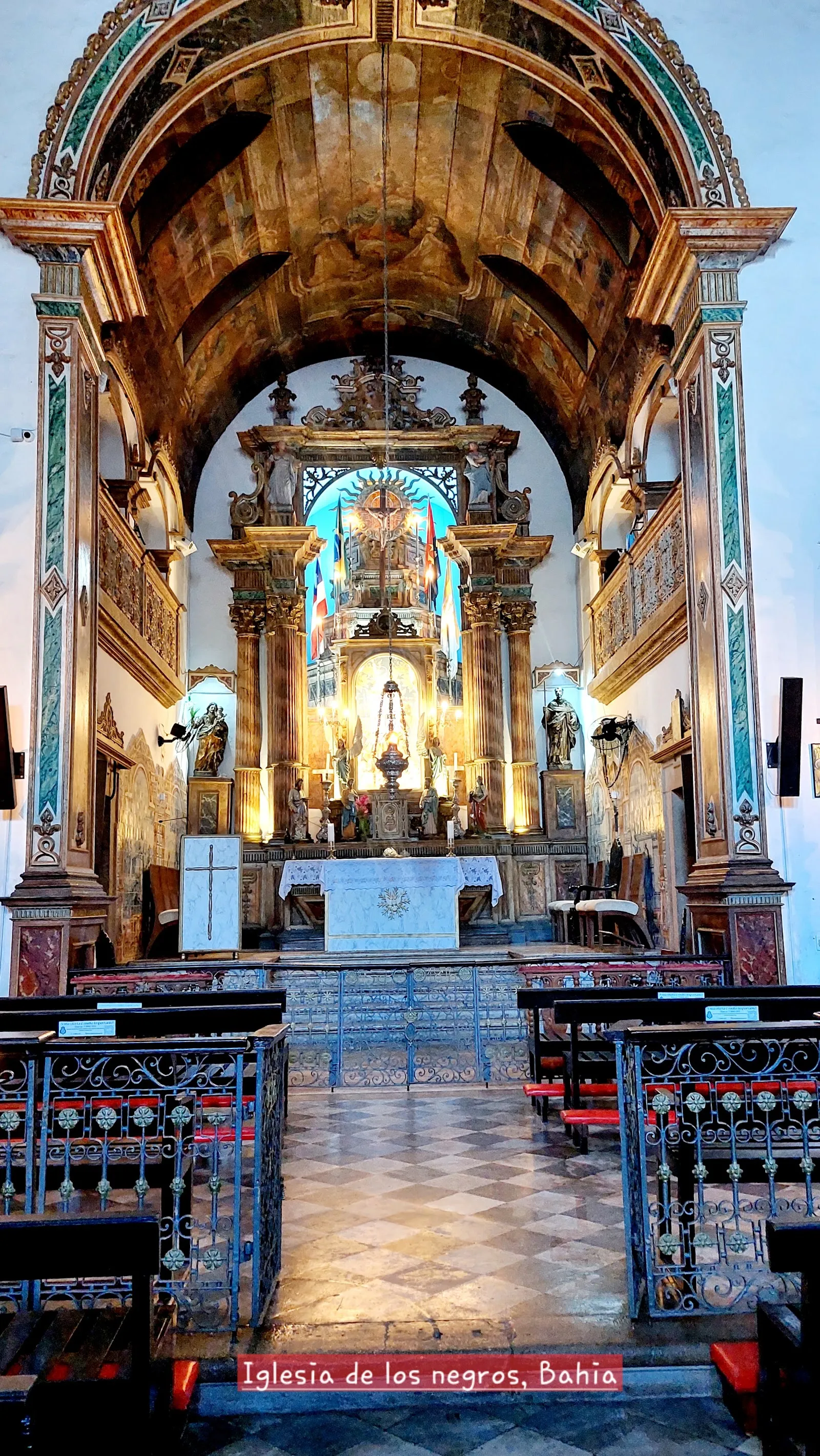
The church stands in Largo do Pelourinho, in Salvador’s historic center. Its construction began in 1709 and took nearly a century. Members of the Brotherhood of Our Lady of the Rosary of Black Men carried out the work. Enslaved people built the church in their spare time, alongside freed Black builders and craftspeople.

The brotherhood was among Brazil’s early Black religious associations. Its role in creating and maintaining the church gives the building a particular place in Salvador’s history. The site is part of the protected historic area of Pelourinho.

Inside the church
Church of Our Lady of the Rosary of the Black People

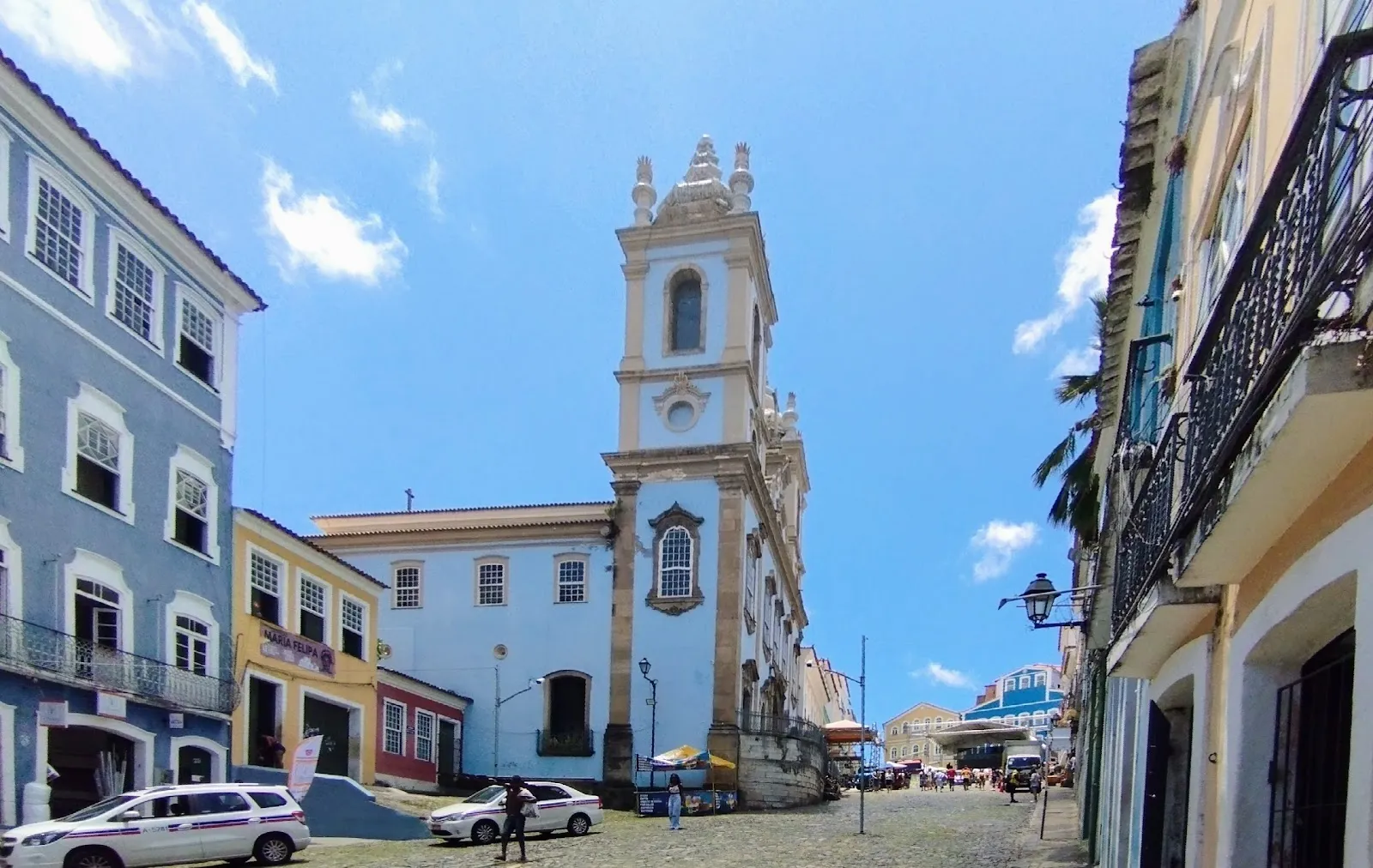
Information boards explain the church’s history, with material available in English. Take time to look around the upper floor for further details about the building and its architecture.

The church remains Catholic, and its liturgy uses music influenced by Candomblé traditions, including atabaque drums. This connection is part of the place’s living religious character. Approach the space with respect, especially if worship is taking place.

FAQ

Where is the Church of Our Lady of the Rosary of the Black People?

It is at Largo do Pelourinho in Salvador’s historic center.

Who built the church?

Members of the Brotherhood of Our Lady of the Rosary of Black Men built it, including enslaved and freed Black people.

What can you see inside the church?

Historical information boards explain its past, and the upper floor provides more to explore.

What is distinctive about worship at the church?

Catholic liturgy here uses music influenced by Candomblé traditions, including atabaque drums.

Altre attrazioni imperdibili a Salvador

Esplora tutto