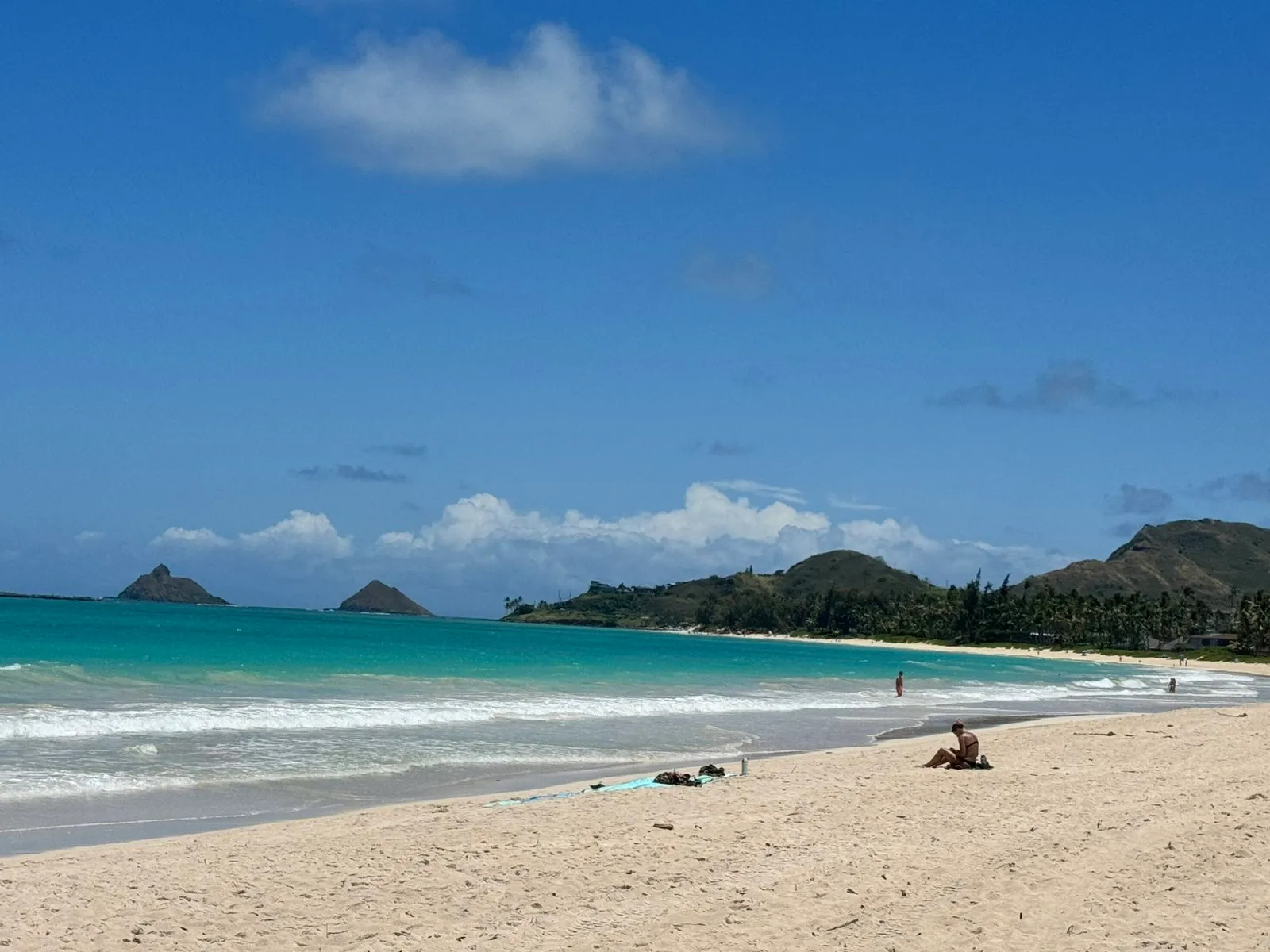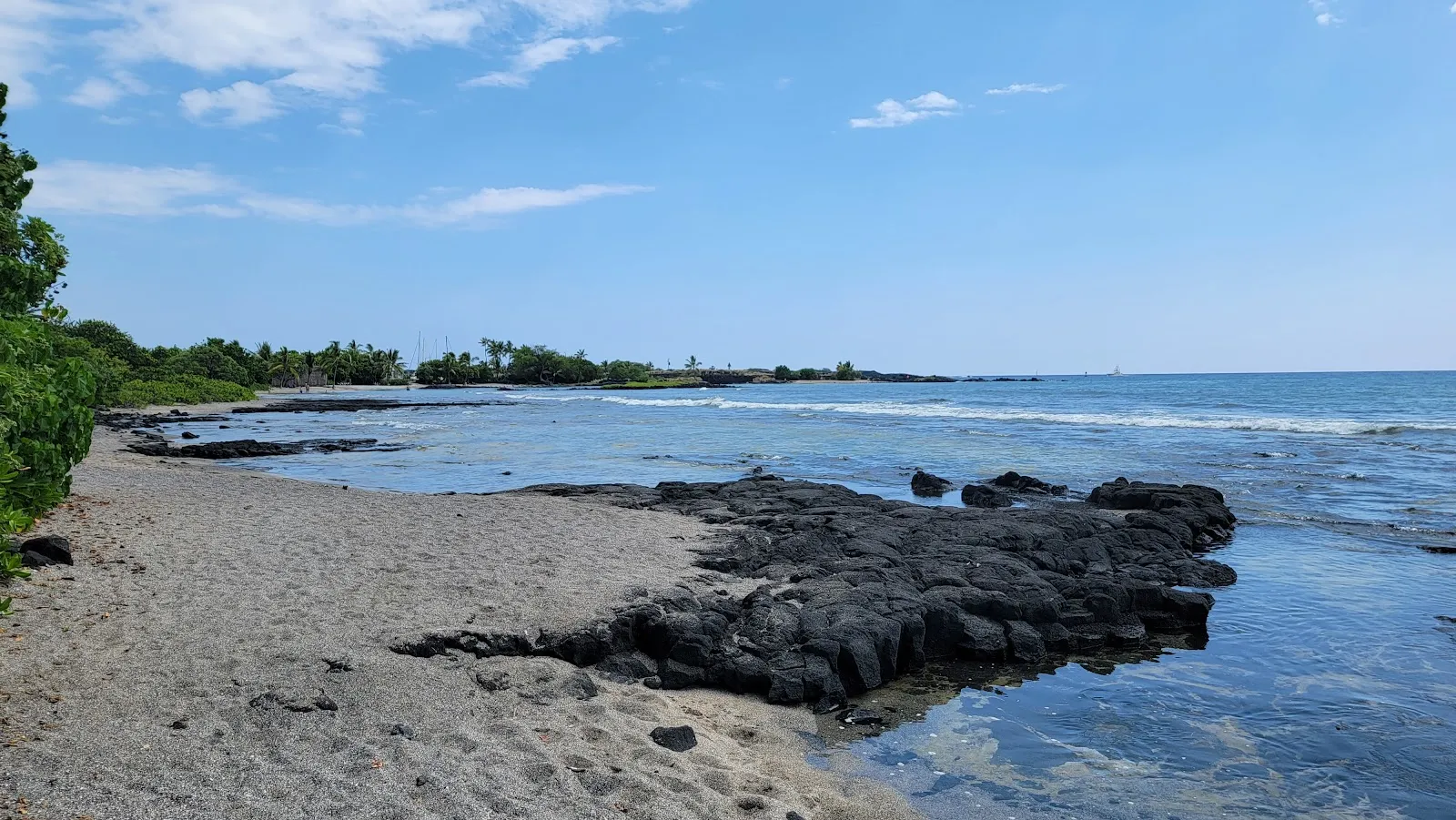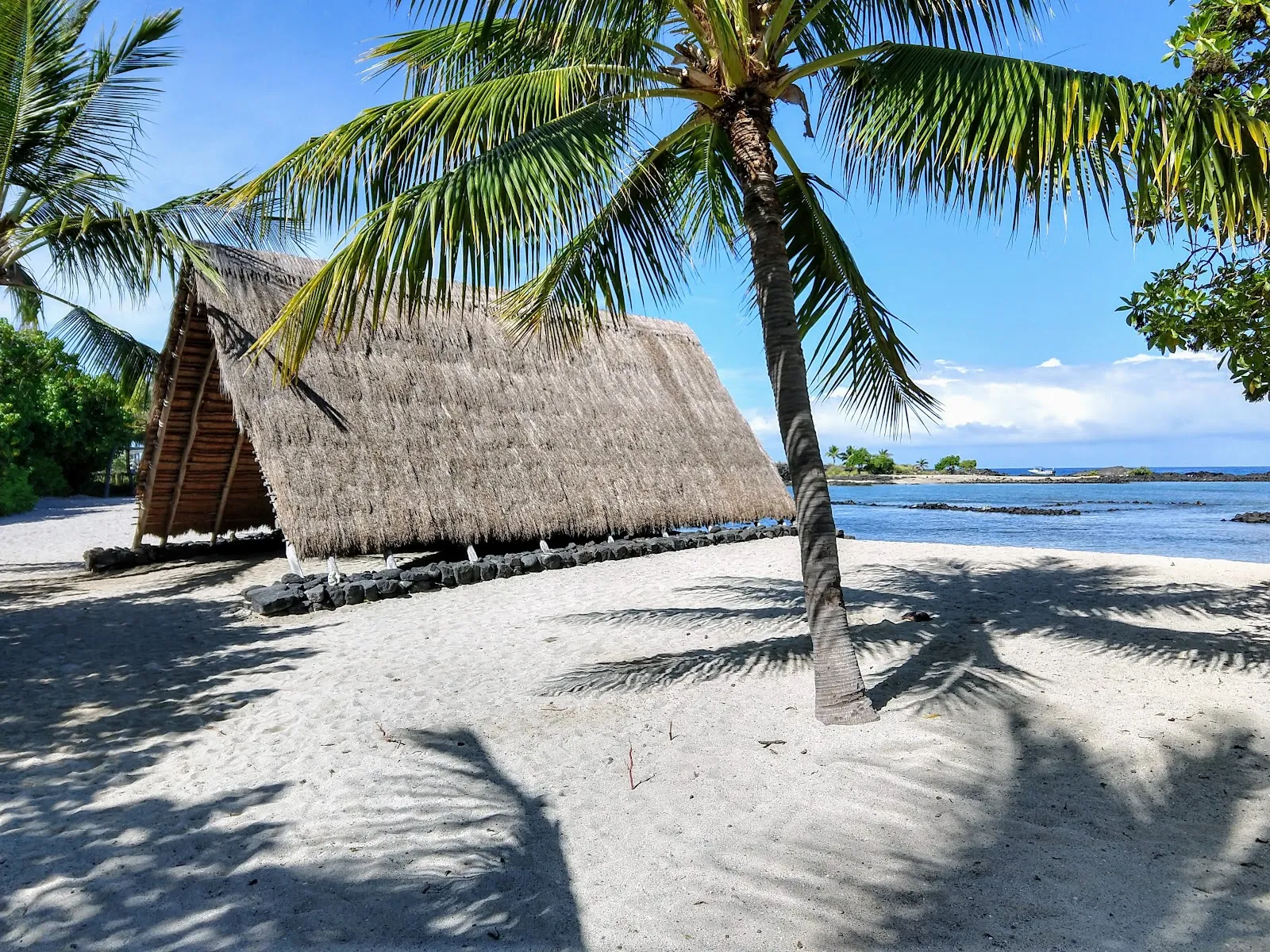
Kaloko-Honokōhau National Historical Park is a coastal cultural site just north of Kailua-Kona, beside Honokōhau Harbor. Trails cross lava fields and shoreline, passing ancient fishponds, house platforms, heiau (temples) and petroglyphs. The beach and tide pools add a chance to spot green sea turtles and coastal birds. Stop at the visitor center for information about the area’s history, then follow the paths to see how Hawaiian communities lived along this coast. Entry and parking are free.
A coastal settlement and its land divisions
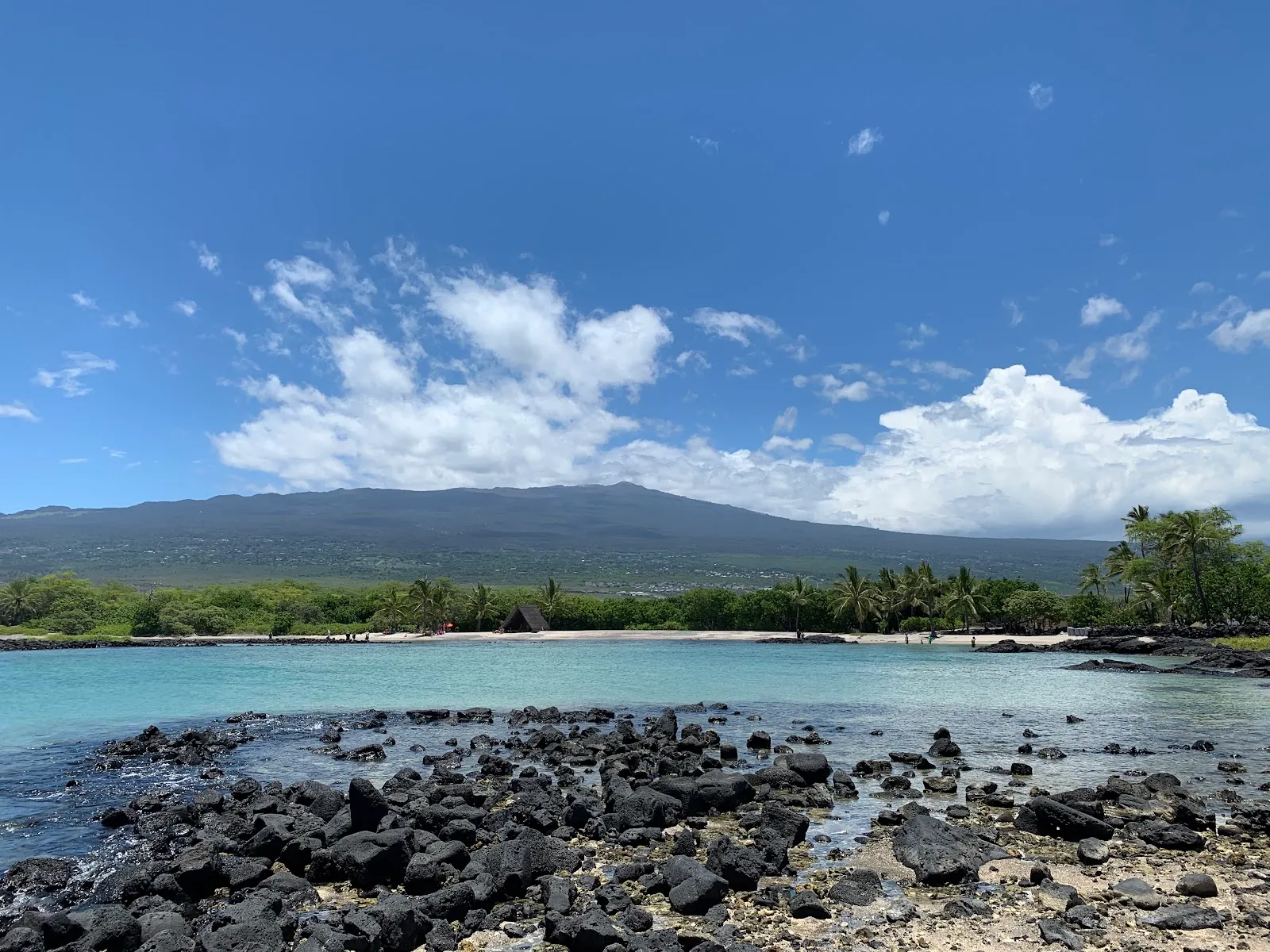
Kaloko-Honokōhau preserves parts of two ahupuaʻa, Kaloko and Honokōhau. An ahupuaʻa was a traditional division of land extending from the mountains toward the sea. The settlement here depended on the resources of both land and coast, and the archaeological remains show how people made use of this environment.
The park’s cultural sites include fishponds, house platforms, petroglyphs and heiau, or religious sites. Other remains include a stone slide and burial caves. Together, they tell of a community shaped by its relationship with the shoreline and the volcanic terrain. This is a sacred place for Native Hawaiians, so give the sites space and treat them with care.
Fishponds, trails and archaeological sites
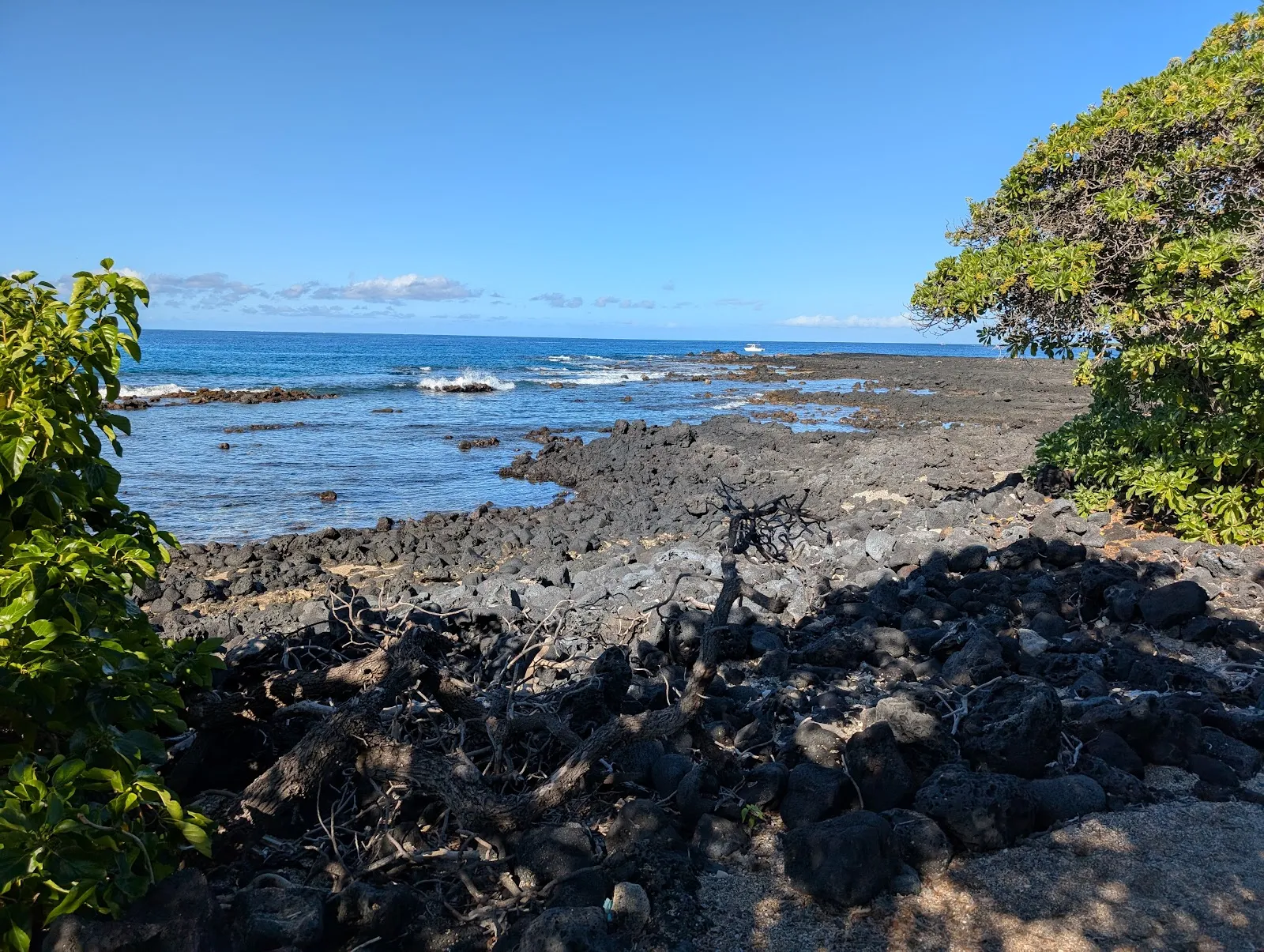
The fishponds are among the park’s most distinctive landmarks. Kaloko and Honokōhau fishponds are part of a traditional system for managing food from the sea. Seawalls and fish traps also remain along the shore, showing how people worked with coastal waters.
Walking paths connect the cultural sites with beaches and lava fields. A self-guided route of about half a mile passes major points of interest; a brochure map with cultural information is available at the visitor center. Petroglyphs can be found along a boardwalk, and the carved figures are easier to see when the light is low. The trails cross sand and rough lava, so sturdy footwear is useful.
Aimakapa Fishpond, Aiʻopio Fish Trap and Honokōhau Beach are among the shoreline landmarks. The park also includes wetlands, which provide habitat for native waterbirds such as the Hawaiian stilt and coot.
Wildlife and a respectful visit
The beach is a place to watch the coast as well as explore its history. Green sea turtles are often associated with this stretch of shore, and birds may be seen around the wetlands. Wildlife remains part of its natural habitat, so observe from a respectful distance and avoid disturbing animals.
For a beach visit, the harbor parking area gives access to a short path. Higher tides can make turtles easier to spot, while lower water exposes more tide pools. Conditions change what is visible along the shore, so choose based on whether wildlife or pools are your priority.
The beach itself has no facilities or lifeguard. Bring water, take everything you bring back out, and check the visitor center for information before setting off on the trails.
Preguntas frecuentes
Is Kaloko-Honokōhau National Historical Park free to enter?
Yes. Entry and parking are free.
Where can I see petroglyphs in the park?
Petroglyphs are found along a boardwalk. They are easier to see in low light, such as in the morning or evening.
Where should I park for the beach?
Park near Honokōhau Harbor for a short path to the beach.
Are there facilities or a lifeguard at the beach?
No. The beach has no facilities or lifeguard, so bring water and take your rubbish with you.