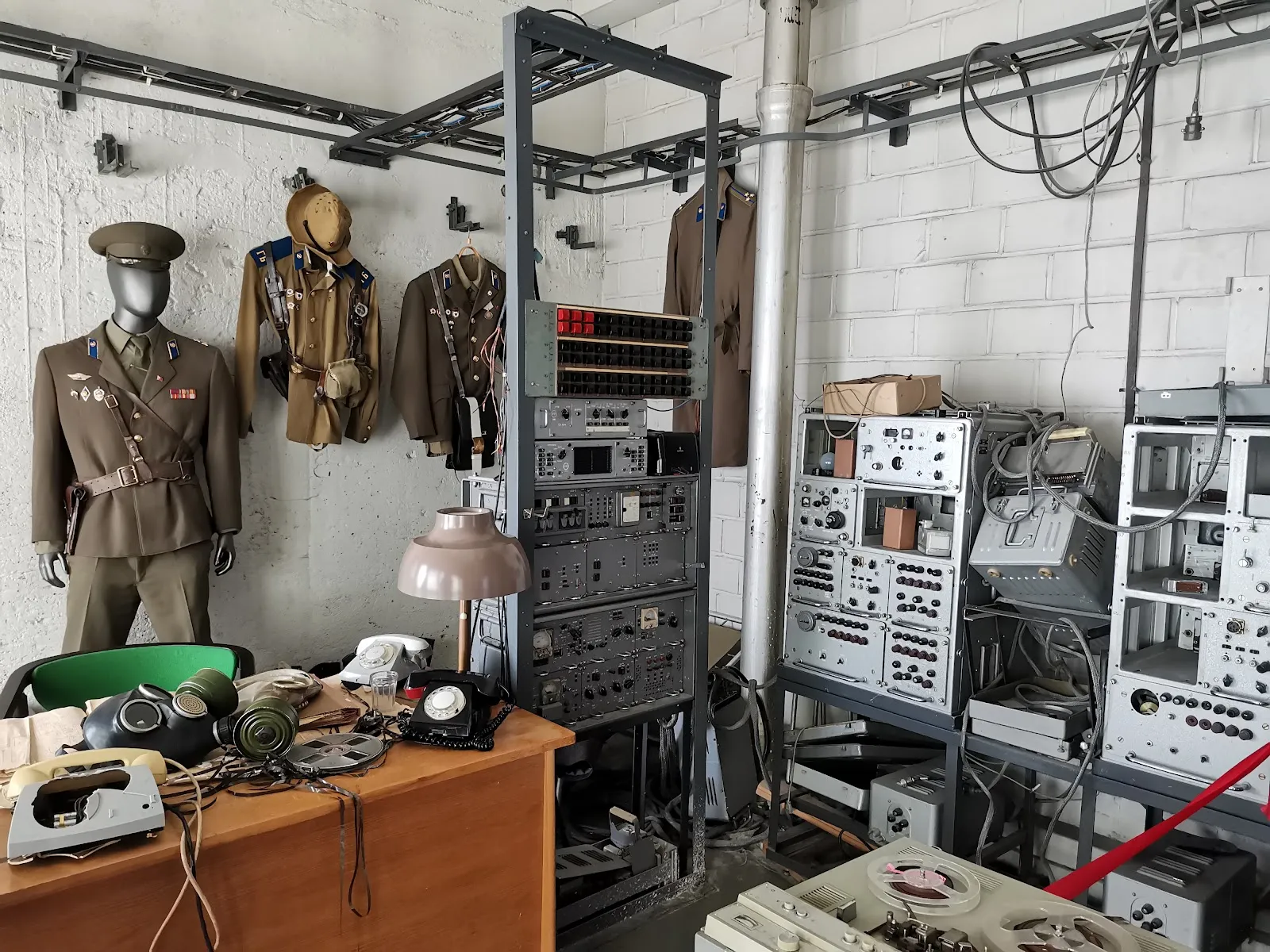
In the basement of Pagari 1 in Tallinn, the KGB Prison Cells preserve the rooms where people suspected of opposing Soviet rule were detained and interrogated. The small museum follows their stories through information boards and survivor testimonies. You can see six cells, original doors and bars, and a solitary confinement room. The narrow corridors make the conditions tangible, so take time with the accounts of the people held here. It is a sobering stop for anyone seeking to understand Estonia’s Soviet-era history.
A detention site beneath Pagari 1
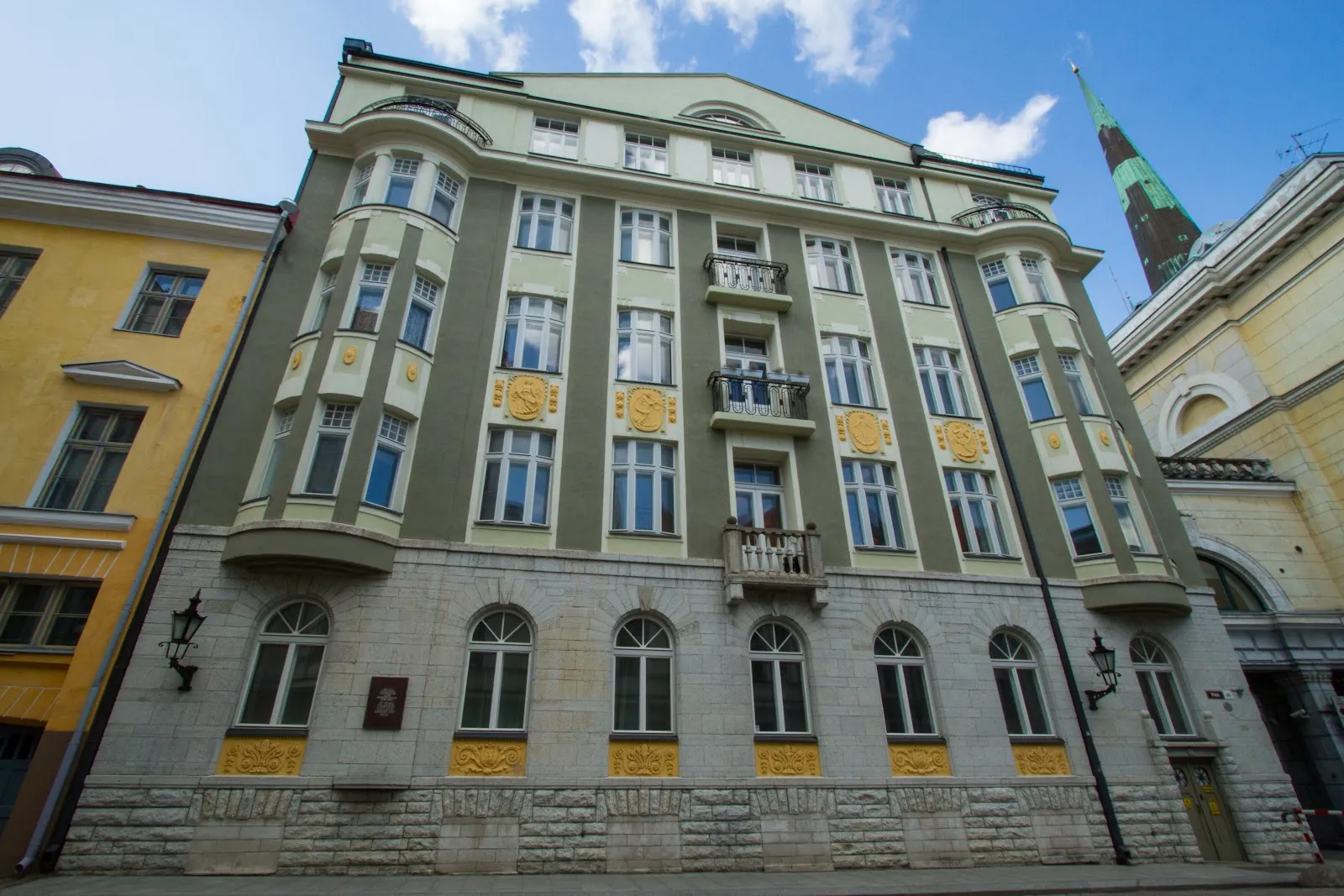
The KGB Prison Cells are in the basement of Pagari 1, a building that served as the headquarters of the NKVD and later the KGB in Estonia for almost 50 years. The building was originally an apartment house. Its basement was converted into a pre-trial prison, where people suspected of being enemies of the Soviet state were held and interrogated.
Those detained included Estonian politicians, civil servants, intellectuals, veterans of the War of Independence and ordinary people. Some were tortured and murdered; others were sent to labour camps in Siberia. The museum presents the history of the site through the experiences of people who were imprisoned there.
The basement rooms
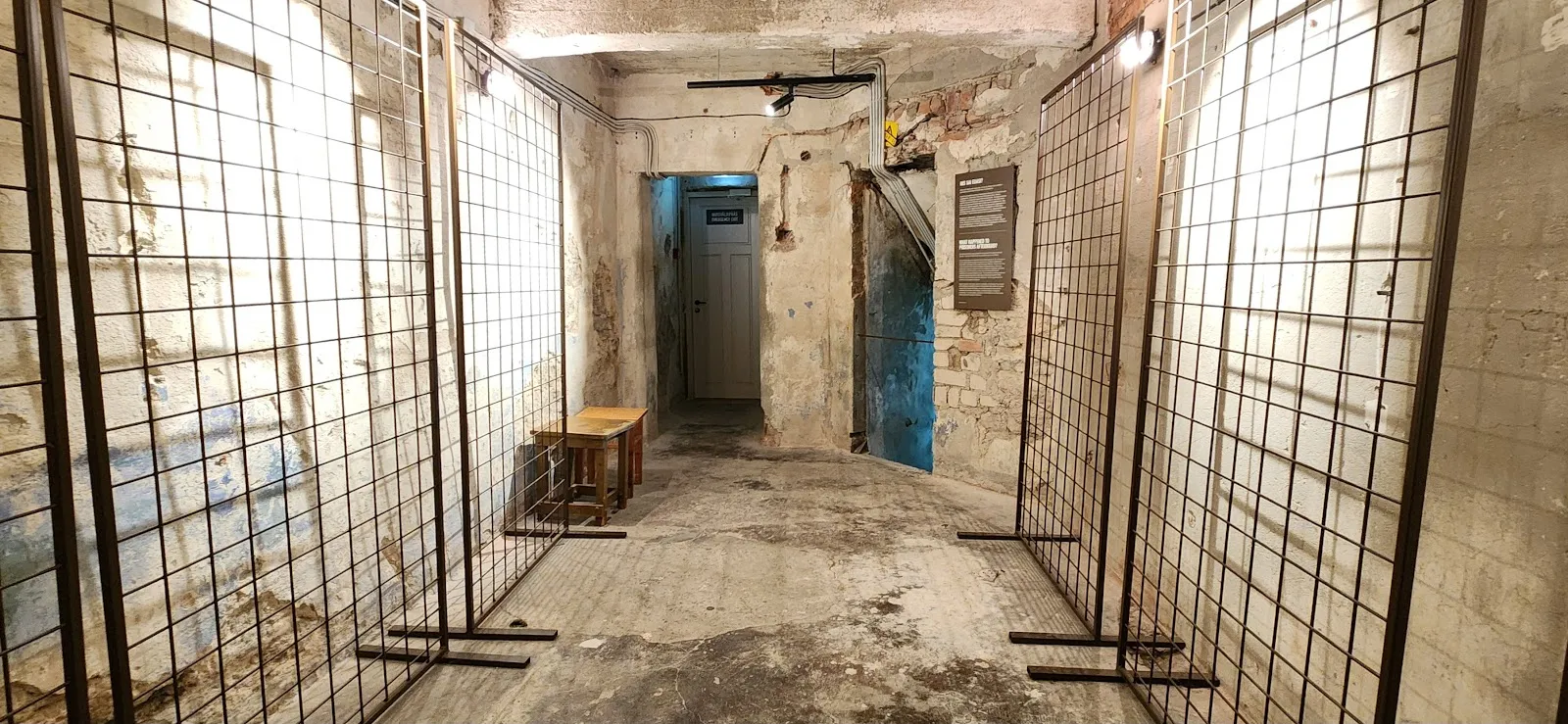
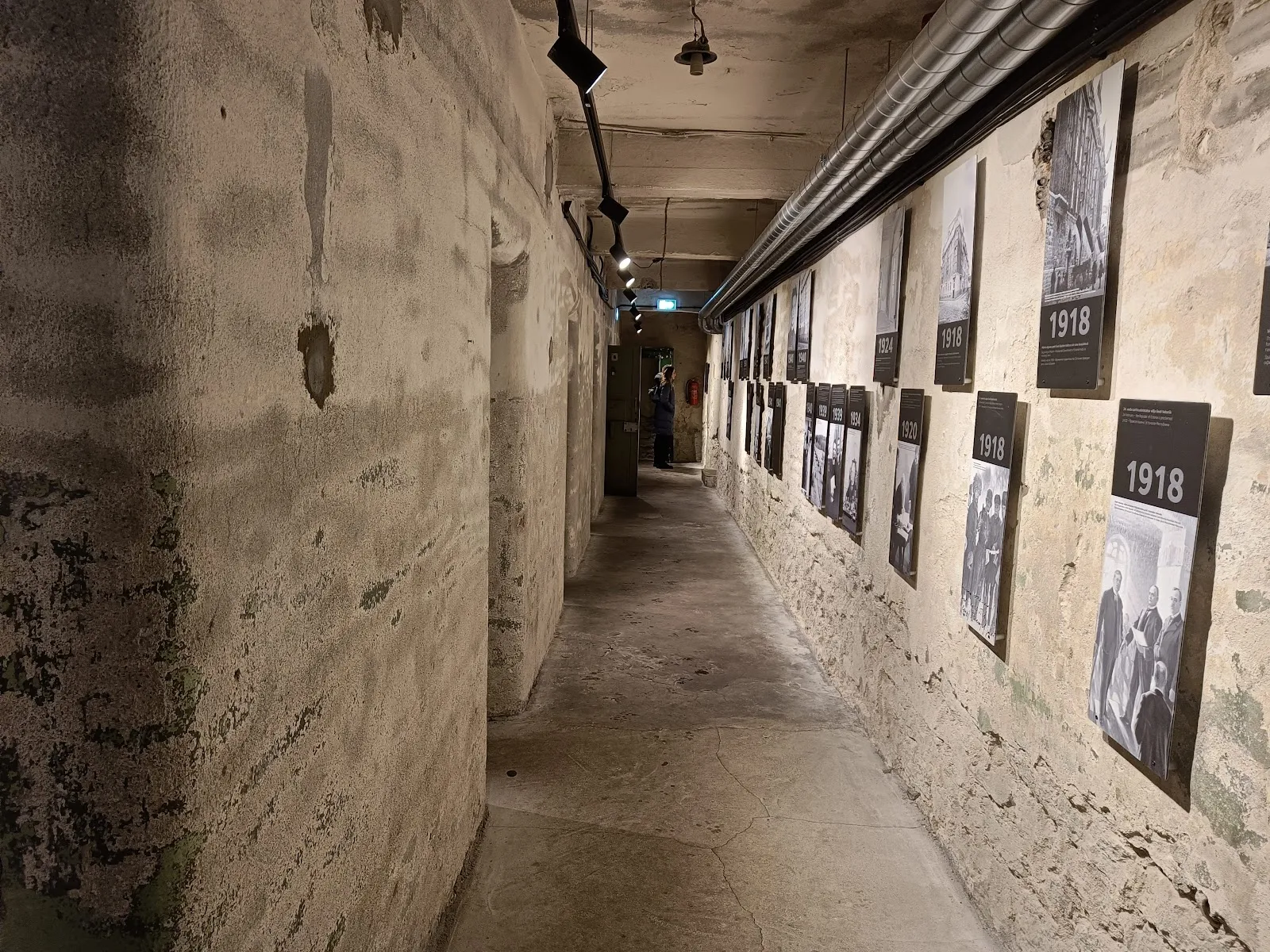
The exhibition extends through two corridors and six prison cells, including a solitary confinement cell. Original doors and bars remain in place. The low, confined rooms and tight passageways give the space a physical presence that information alone cannot convey.
Some rooms include accounts and material about interrogation and punishment. You can enter the isolation room and view the former torture room. The museum does not need a large floor area to explain the conditions: its preserved layout keeps the focus on the spaces where prisoners were held.
Personal stories and testimony
Information boards explain the history of the prison and the security forces that operated it. Personal accounts and survivor testimonies connect the history to the people who experienced imprisonment and violence here. Take time to read them; a quick walk through can miss much of the detail.
The exhibition also includes videos. Together, the written material and recorded testimony trace the experiences of those detained and show how the building was used during Estonia’s Soviet period. The presentation is direct and sombre, and the subject matter can make the visit emotionally demanding.
Planning your visit
The museum is compact, and a visit usually takes less than an hour. Allow around an hour if you plan to read the boards and watch the videos. The narrow rooms can feel crowded, so going early in the day gives you more room to move through the basement at your own pace.
The space is easy to navigate independently, and the exhibition can be explored without a guided tour. The museum is at Pagari 1, with the address also listed as Pikk tn 59. It is closed on Mondays and Tuesdays.
Perguntas frequentes
How long does a visit to the KGB Prison Cells take?
The museum is small and usually takes under an hour. Allow about an hour if you plan to read the information boards and watch the videos.
What can you see inside the museum?
The basement exhibition has two corridors, six prison cells, a solitary confinement cell, original doors and bars, information boards, videos and survivor testimonies.
Is the museum difficult to visit?
The history is sombre, and the confined rooms and accounts of imprisonment can make the visit emotionally difficult.
When is the museum closed?
It is closed on Mondays and Tuesdays.