Tuol Sleng Genocide Museum, on Street 113 in Phnom Penh, occupies a former high school that the Khmer Rouge converted into Security Prison 21, or S-21. Its preserved cells, photographs and accounts of prisoners document a painful chapter of Cambodia’s recent history. The audio guide adds context as you move through the buildings. This is a place for learning and remembrance, not a light sightseeing stop; allow time to take in the material at your own pace.
From school to S-21
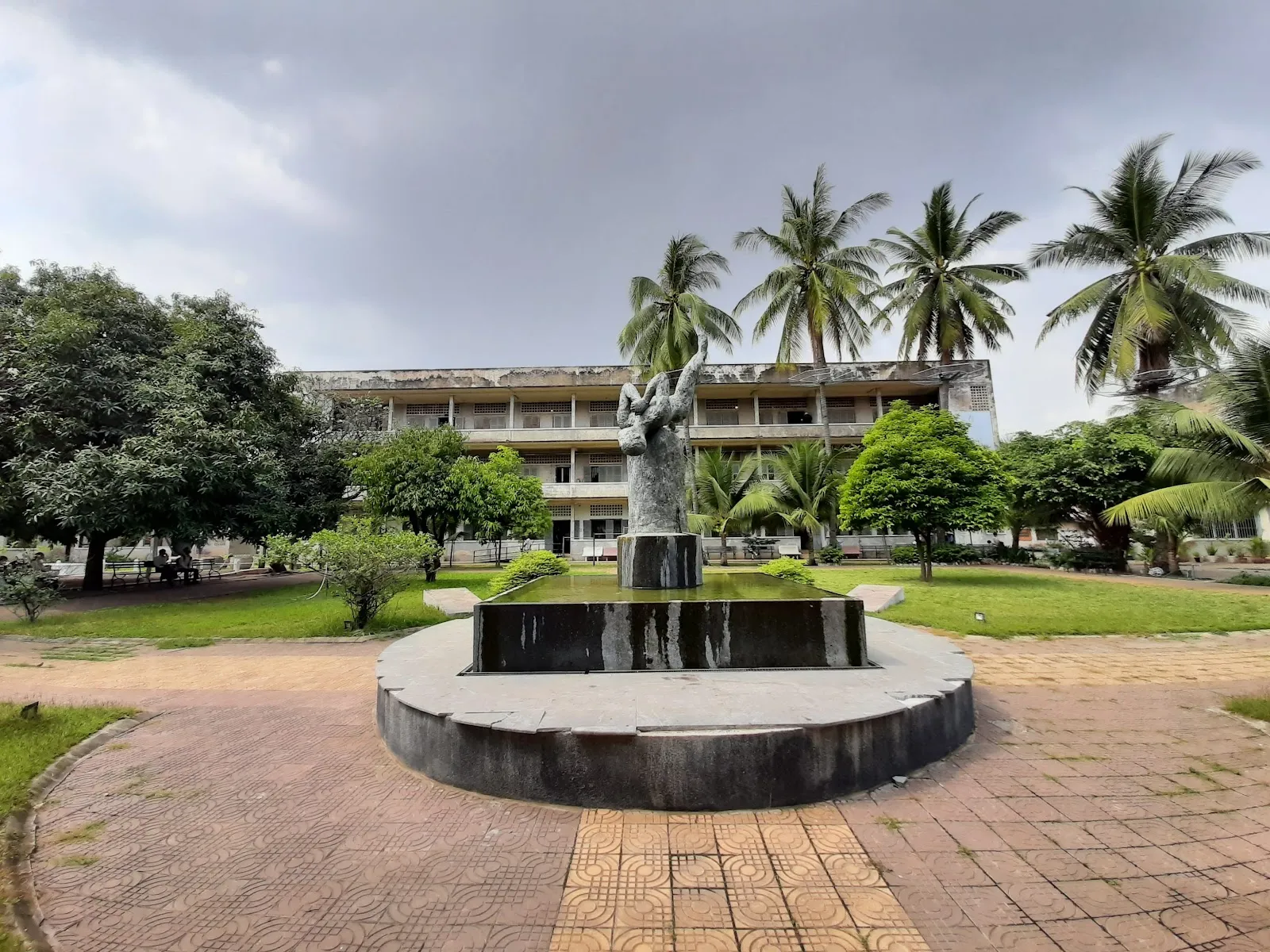
Tuol Sleng began as a high school. In 1975, after the Khmer Rouge took control of Phnom Penh, the school was turned into Security Prison 21, known as S-21. It became a detention and interrogation centre where people were imprisoned and tortured. The prison operated during the Khmer Rouge period, from 1975 to 1979.
The museum preserves the site as evidence of what happened there and as a place to remember those who suffered. Accounts differ on the total number of people held at S-21, so a single figure does not capture the history presented here. The exhibits focus on the prisoners and the conditions they faced.
What to see inside
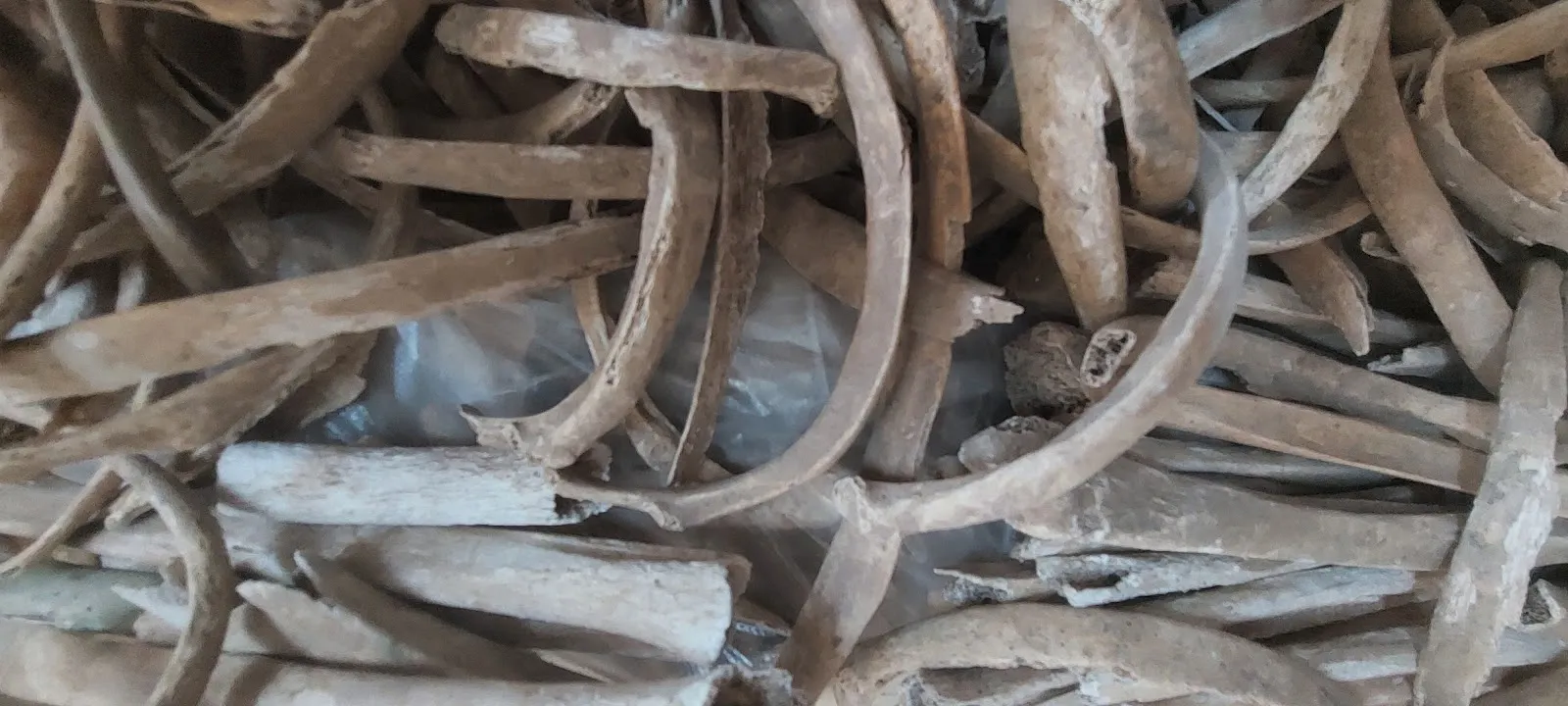
The former school buildings retain rooms that were adapted for prison use. Small cells, barbed wire and other remnants show how classrooms were repurposed. Photographs of prisoners line the walls, accompanied by information about the people detained at S-21. Exhibits also include records and objects connected to the prison and its operation.
The material is direct and can be graphic. The photographs and preserved spaces are central to the visit, but they also make this a difficult museum for some people. Move through the buildings at a pace that feels manageable, and allow yourself time to stop between exhibits.
Using the audio guide
An audio guide is available in multiple languages. It provides detail about the site and the prisoners whose stories are presented, helping connect the rooms and displays to the history of S-21. You can listen as you move through the museum rather than relying only on the written exhibits.
The accounts add personal context to the photographs and preserved cells. If you want to understand more about the history before or after your visit, the museum’s official website is tuolsleng.gov.kh.
Adding Choeung Ek to your visit
Tuol Sleng is often visited alongside Choeung Ek Killing Fields, another site connected to the Khmer Rouge’s treatment and killing of prisoners. The two places provide different parts of the history: S-21 was a prison and interrogation centre, while Choeung Ek is a site of mass graves. Visiting both can give a broader account of this period, but it also makes for a heavy day. Set aside time afterward to reflect rather than scheduling the visits back to back with other demanding activities.
Perguntas frequentes
What was Tuol Sleng before it became a museum?
It was a high school before the Khmer Rouge turned it into Security Prison 21, or S-21, in 1975.
What can you see at Tuol Sleng Genocide Museum?
The museum preserves former prison rooms and cells, photographs of prisoners, and exhibits about S-21 and its history.
Is there an audio guide at Tuol Sleng?
Yes. An audio guide is available in multiple languages and provides additional information about the site and the prisoners.
How long should you spend at Tuol Sleng Genocide Museum?
Allow about 1 to 2 hours to explore the museum. The material is emotionally difficult, so you may want time to pause.
Can you visit Tuol Sleng and Choeung Ek on the same trip?
Yes. The two sites are often visited together for a broader understanding of the Khmer Rouge period. Allow around 2.5 hours for both, according to the visit guidance provided.