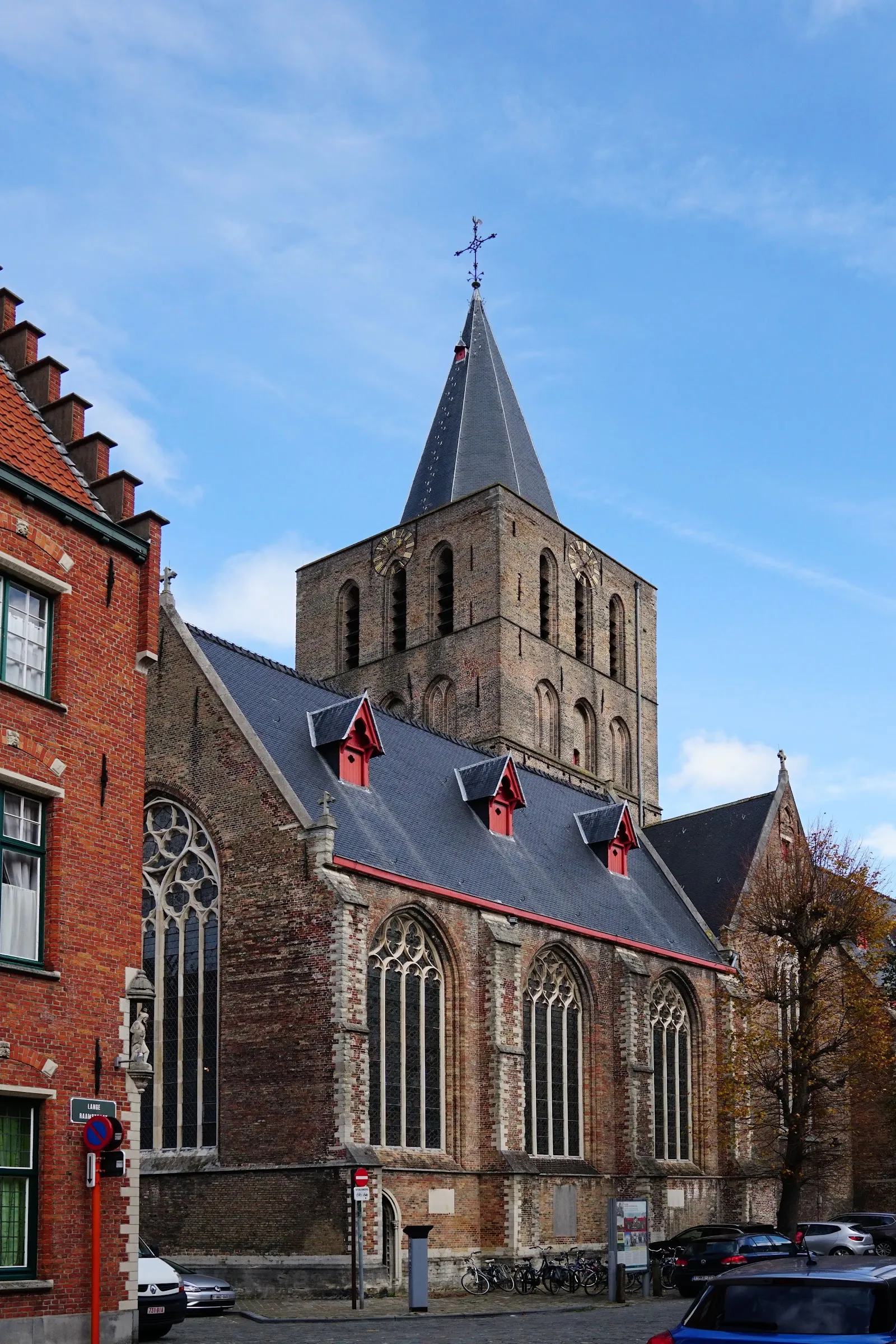
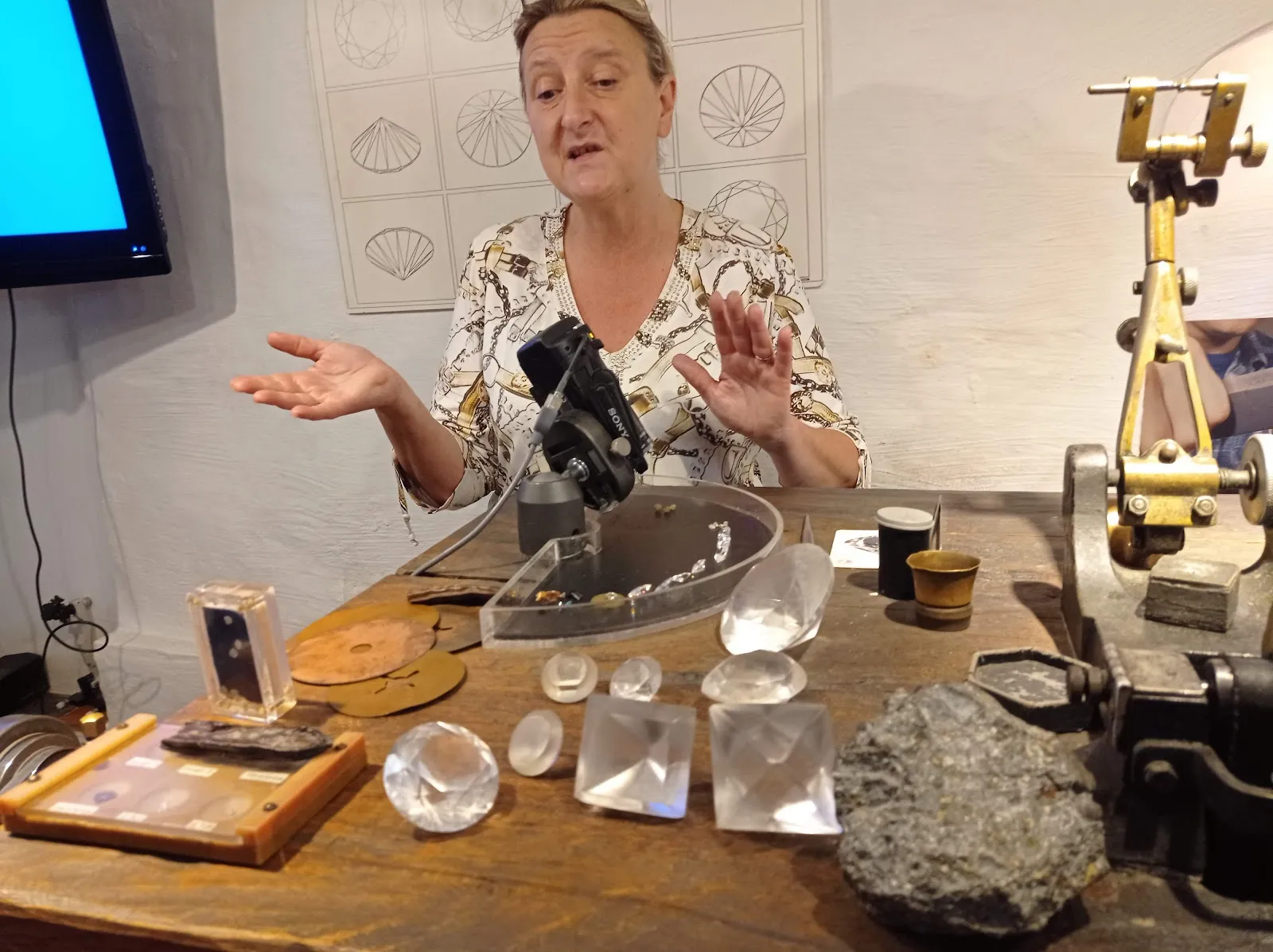
Set in the former city palace of the Lords of Gruuthuse at Dijver 17, the Gruuthusemuseum traces more than 500 years of Bruges history through objects from the 15th to 19th centuries. Tapestries, furniture, lace, ceramics, coins and musical instruments show how people lived and worked. Look for the private chapel, which opens onto a view of the Church of Our Lady, and take in the city from the balcony. The museum suits visitors who want Bruges history and decorative arts in a historic house.
A palace shaped by Bruges trade
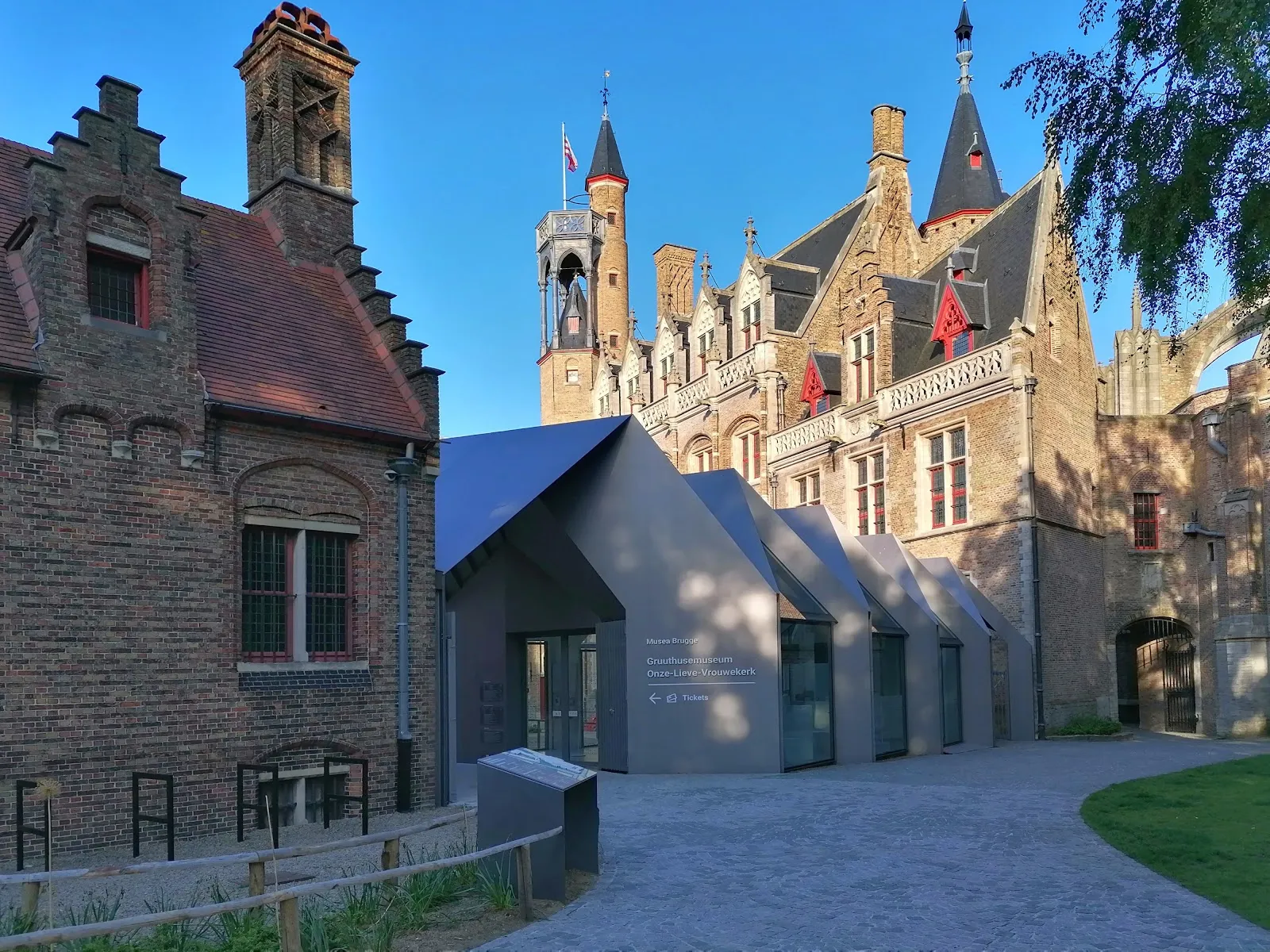
The Gruuthusemuseum occupies the former city palace of the Lords of Gruuthuse, a wealthy family whose fortunes were tied to Bruges trade. Their name is linked to gruut, a mixture of herbs used to flavour beer. The family held an exclusive right to sell and trade it in the surrounding area.
The building began as a medieval residence and is now a museum of decorative and applied arts. Its historic rooms help place the objects in the setting of a wealthy Bruges household. The museum reopened in 2019 after an extensive restoration.
Objects from five centuries
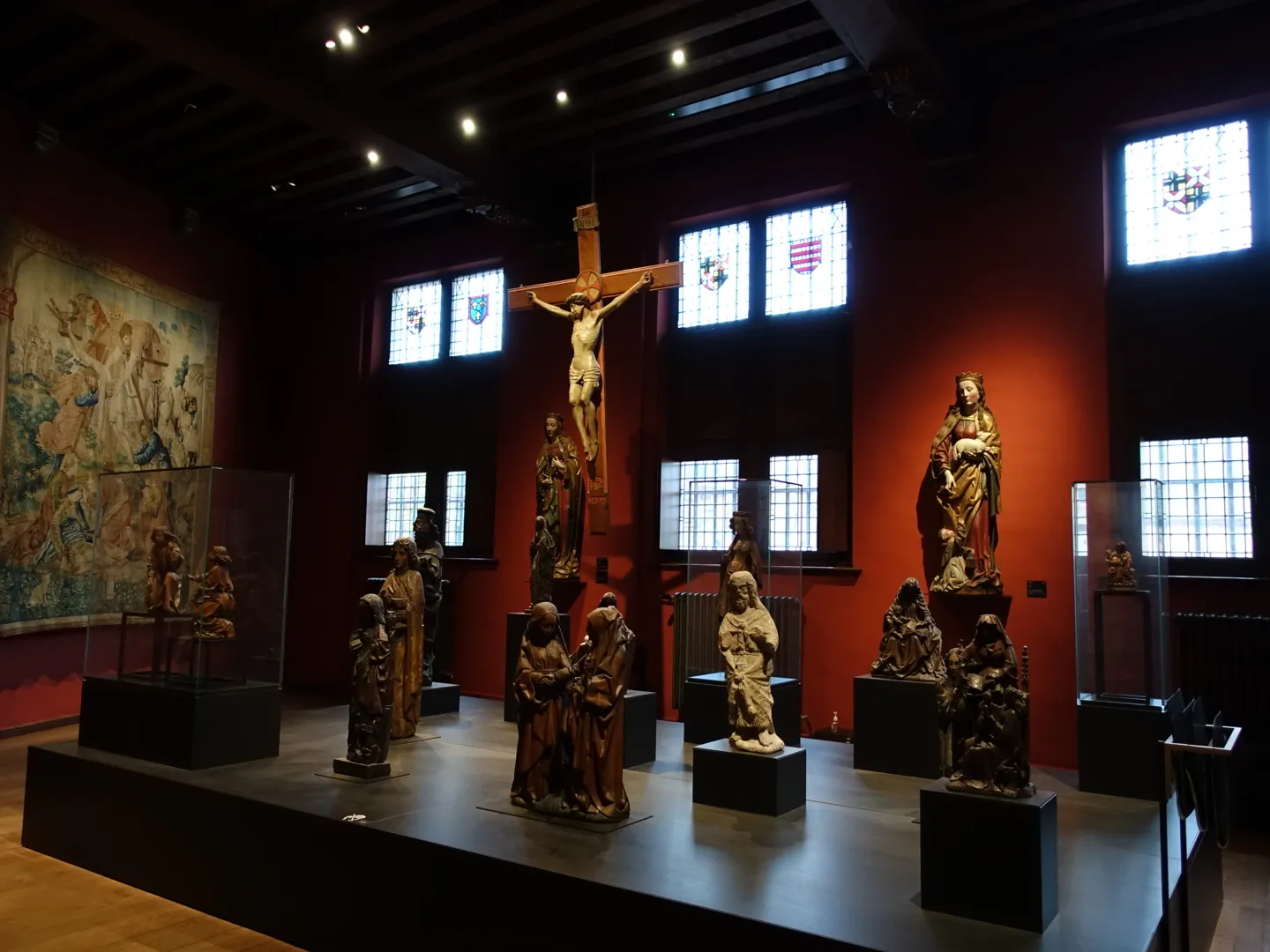
The collection follows Bruges history through objects made or used from the 15th to the 19th century. Tapestries, furniture, paintings, sculpture, lace, ceramics, silverware, coins and musical instruments give a sense of both skilled craftsmanship and domestic life. Manuscripts and religious objects add further perspectives on the city's past.
The displays cover three broad periods: Bruges during its Burgundian heyday, the city in the 17th and 18th centuries, and its historical reinvention in the 19th century. More than 600 objects form part of the collection. Rather than focusing only on paintings, the museum brings together the materials and furnishings that surrounded people in different periods.
The chapel and the building
The palace itself is part of the visit. Its rooms retain details of a historic residence, including wooden beams, while the collection includes stained glass and carved wooden sculpture. A medieval private chapel, built in 1472, connects the house to the Church of Our Lady. From inside the chapel, you can look into the church.
The balcony provides another view of Bruges, and the courtyard gives you a chance to take in the palace exterior. The building stands beside the Church of Our Lady, so the two sites can be paired in one visit. Allow time for the stairs: the museum has steep, narrow spiral staircases.
Perguntas frequentes
How long does a visit to the Gruuthusemuseum take?
Plan for about an hour to see the historic rooms and collection.
What can you see at the Gruuthusemuseum?
The collection includes tapestries, furniture, lace, ceramics, silverware, coins, musical instruments and other objects from Bruges history, dating from the 15th to 19th centuries.
Is there a chapel inside the Gruuthusemuseum?
Yes. The medieval private chapel dates to 1472 and has a view into the Church of Our Lady.
Is the Gruuthusemuseum wheelchair accessible?
The museum has a wheelchair-accessible entrance and elevator. The interior also has steep, narrow spiral staircases, so check access arrangements for the areas you plan to visit.