
Washington Park is a large green space in southwest Portland, about two miles west of downtown, with gardens, forest trails, memorials and several major attractions. Walk among more than 10,000 roses at the International Rose Test Garden, visit the Portland Japanese Garden or explore Hoyt Arboretum’s tree collections. The Oregon Zoo and World Forestry Center are also here. Many areas are free to explore, though some attractions charge admission. With paved paths, playgrounds and longer trails, the park suits both a short garden visit and a full day outdoors.
A park of gardens, trails and landmarks
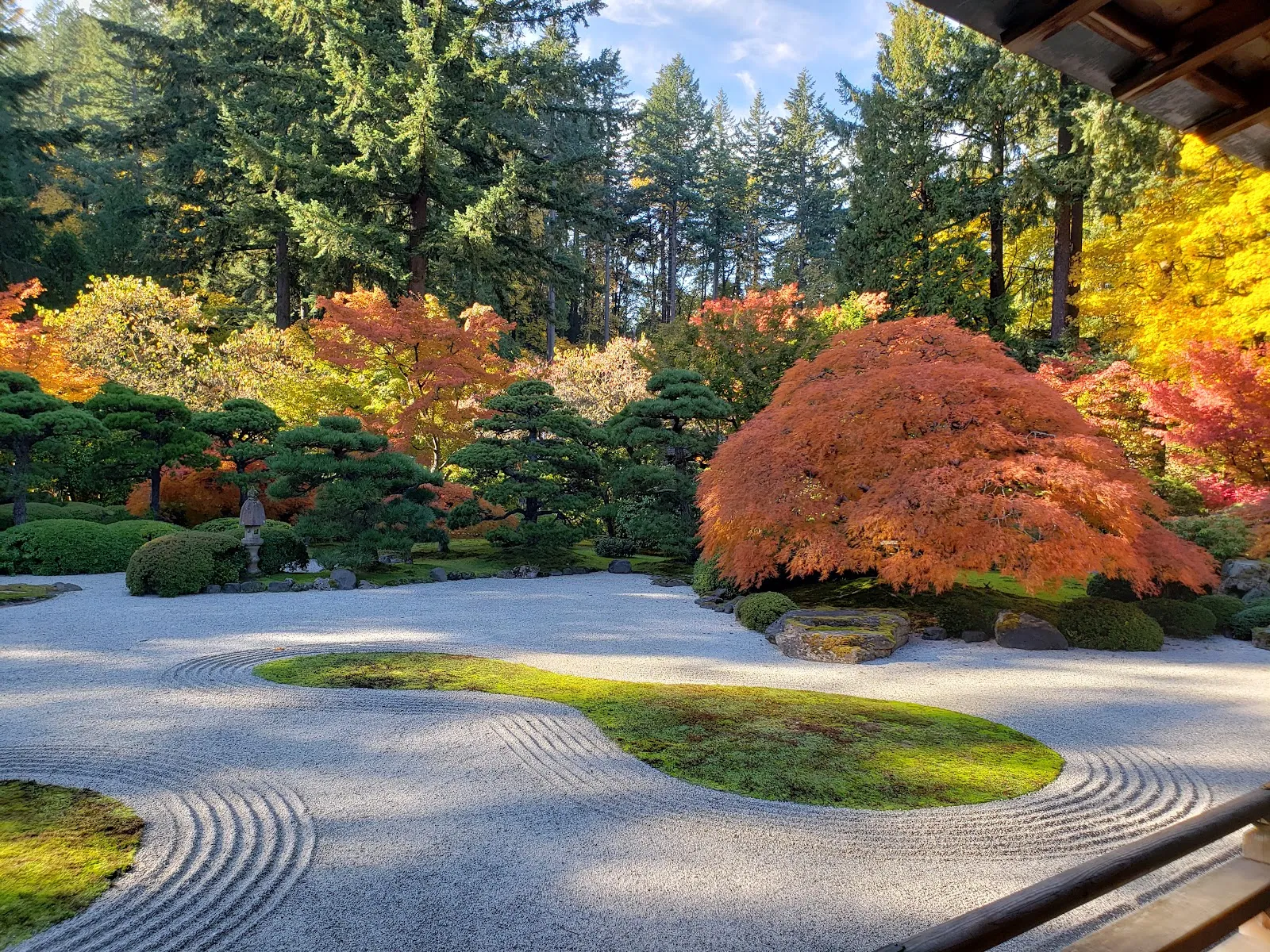
Washington Park covers a broad stretch of Portland’s west hills, about two miles from downtown. Its paths connect formal gardens and cultural attractions with forested areas, picnic spots, playgrounds and sports facilities. You can make the park a destination in itself or use it to visit several of Portland’s well-known sights in one outing.
The grounds include the International Rose Test Garden, Portland Japanese Garden, Hoyt Arboretum, Oregon Zoo and World Forestry Center. The Portland Children’s Museum is also named among the park’s attractions in the supplied material. Some attractions charge admission, while much of the park is free to walk through. Choose a single garden for a shorter stop, or allow more time if you plan to combine gardens, trails and museums.
Roses and tree collections
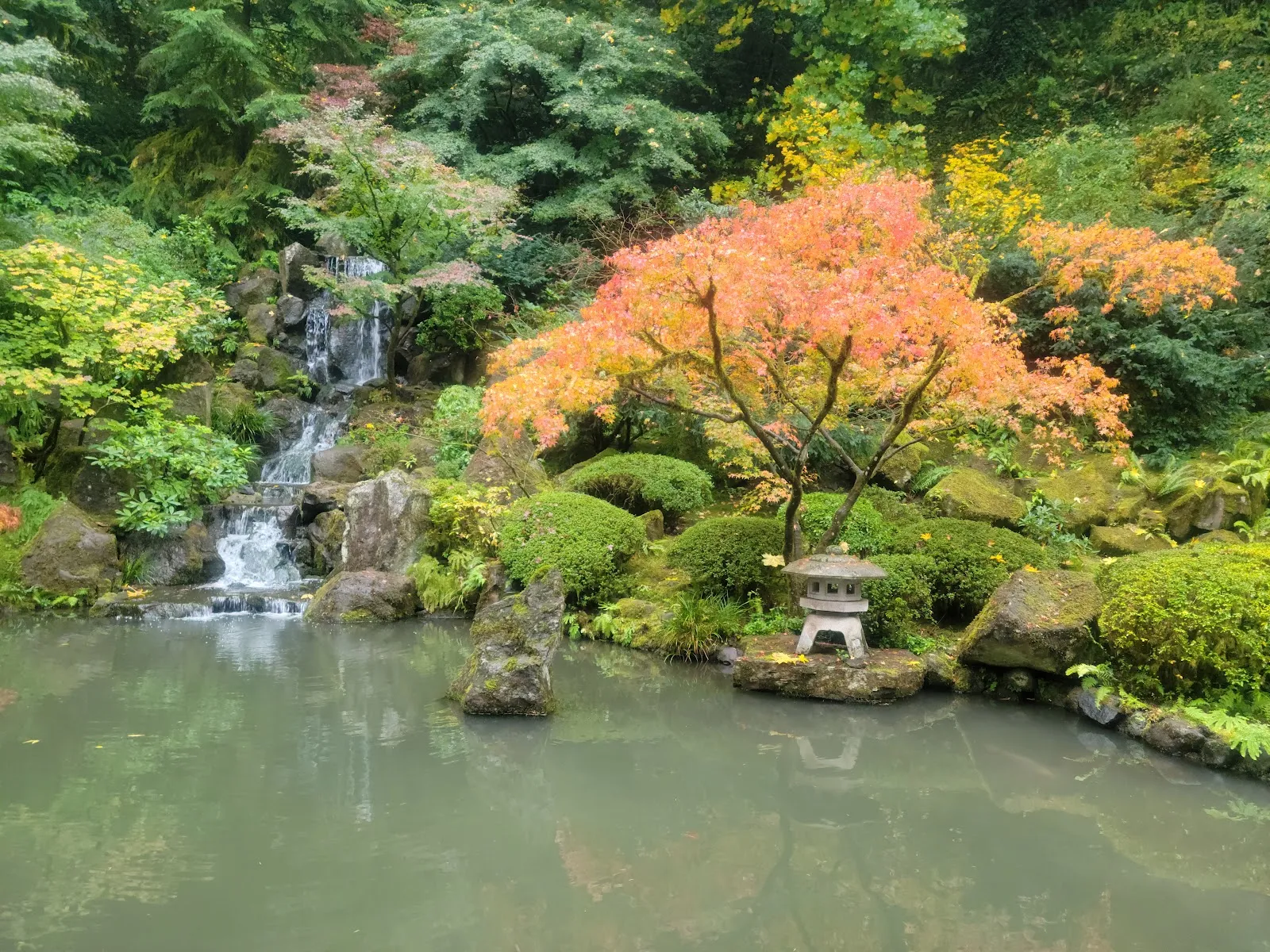
The International Rose Test Garden was conceived in 1917 and opened in 1918. Roses were sent from Europe for safekeeping during the First World War. Today the garden has more than 10,000 rose bushes, with accounts citing over 650 varieties and more than 700 varieties. Its hillside setting looks out toward the city. The roses bloom from spring into fall, with June noted as the peak of the season. A half-hour walk is enough for a look around the garden, though you may want longer to explore at an unhurried pace.
Hoyt Arboretum is a living collection of trees and shrubs from around the world, with forest trails winding through its grounds. The material describes more than 2,000 tree species in the arboretum and also cites a collection of 2,300 tree and shrub species. Its Magnolia Trail is noted for spring flowers. For a longer walk, trails link Washington Park with nearby Forest Park and other destinations in the hills.
Gardens, museums and memorials
The Portland Japanese Garden offers a quieter garden visit, while the World Forestry Center’s Discovery Museum explores how forests provide habitat and recreation and how their loss affects natural resources. Its exhibits are arranged across two floors: the first focuses on forests as places for wildlife and recreation, and the second takes a global view.
Memorials across the park include the Oregon Holocaust Memorial and Vietnam Veterans of Oregon Memorial. The grounds also contain a Sacajawea memorial. Allow time to visit these thoughtfully and follow any posted guidance at each site.
For a visit without a car, the MAX Red Line serves Washington Park station. A free trolley runs within the park and connects visitors with attractions including the zoo and Japanese Garden. The park is extensive, so check the route and stops before setting out, especially if you plan to combine several destinations.
Preguntas frecuentes
How do you get to Washington Park without a car?
Take the MAX Red Line to Washington Park station. A free trolley connects attractions within the park.
Is Washington Park free to visit?
Much of the park is free to explore, but some attractions inside it charge admission.
When is the best time to see the roses?
The International Rose Test Garden’s roses bloom from spring into fall, with June noted as the peak season.
How long should you spend at Washington Park?
A half-hour can cover a walk through the Rose Test Garden. Visiting several gardens, museums or trails takes longer.


