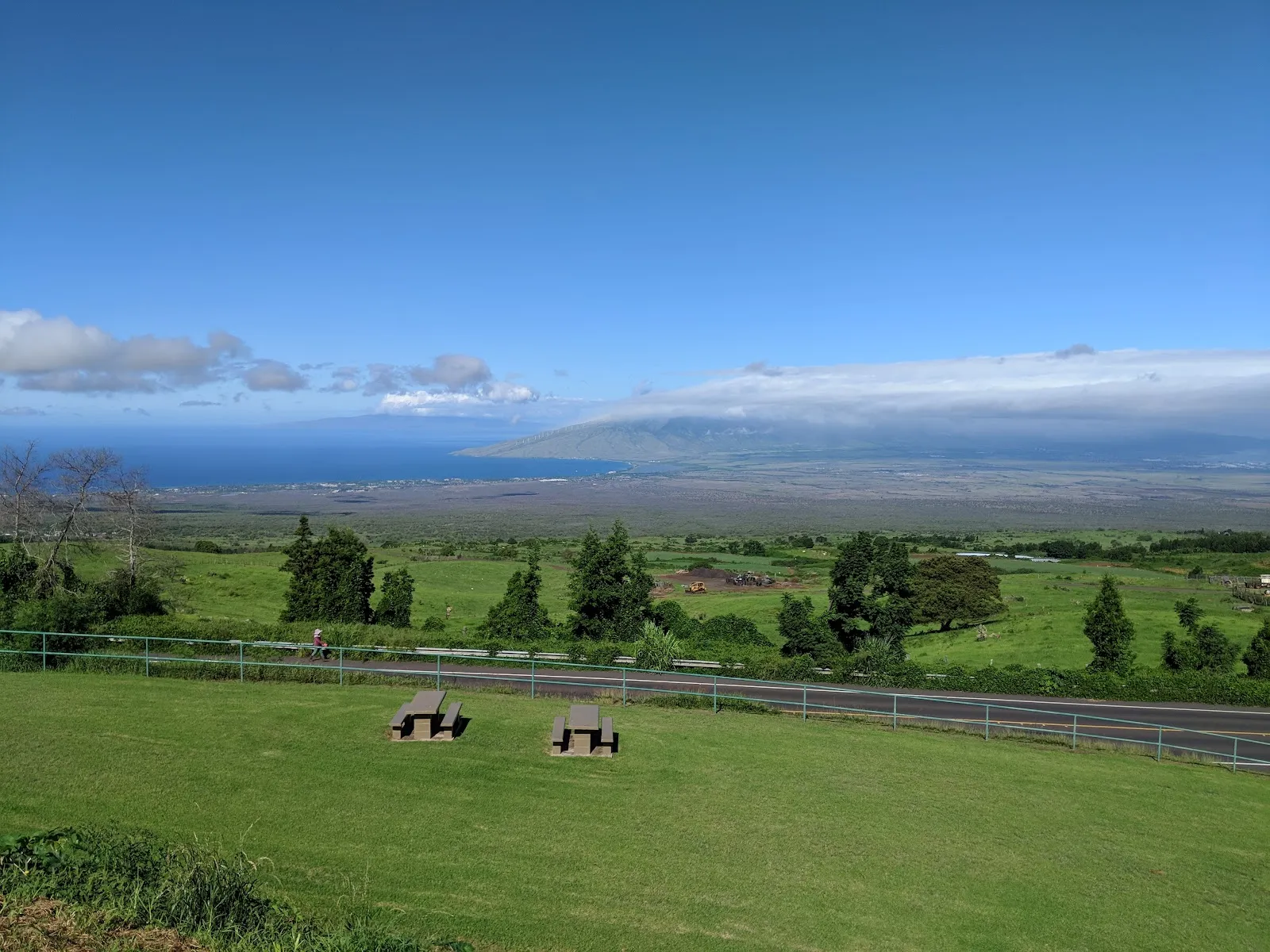
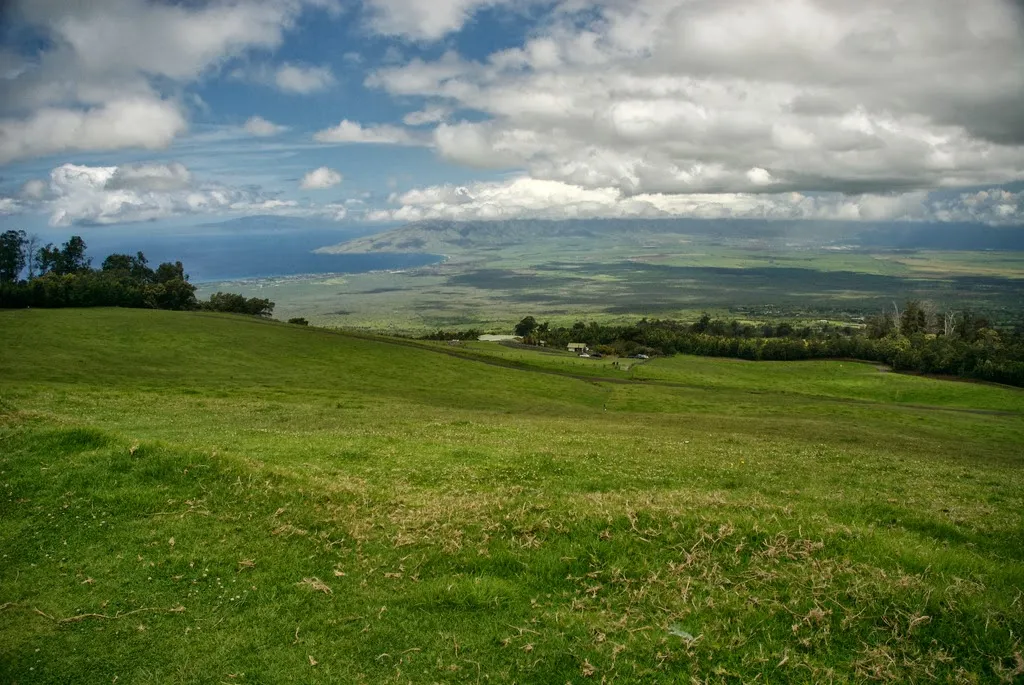
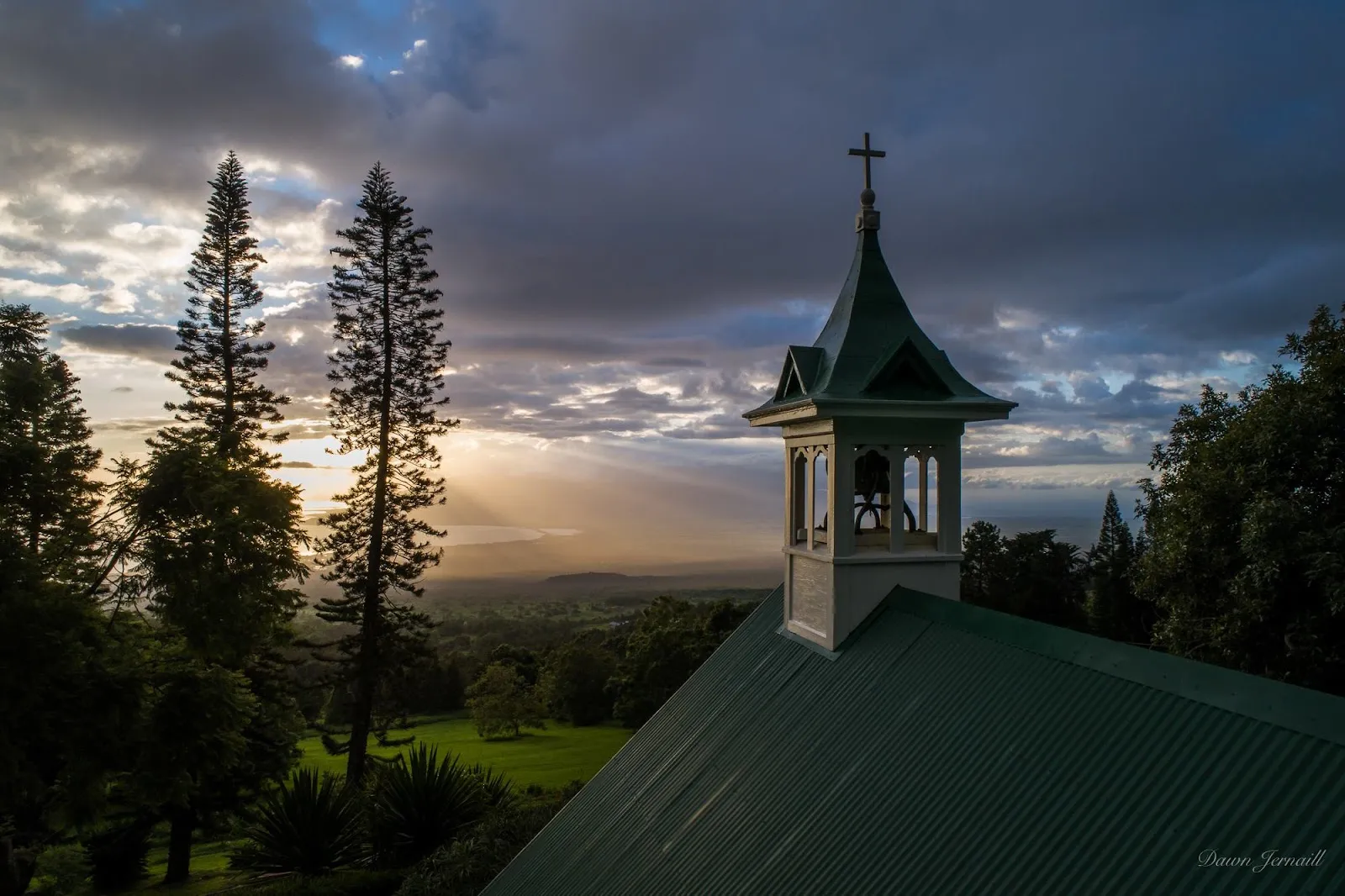
Maui Nui Botanical Gardens in Kahului is a seven-acre living collection of native Hawaiian plants and species brought to the islands by Polynesians. The focus is conservation and the plants’ role in Hawaiian life, from food and medicine to tools and cultural practices. Follow the QR-code signs or use the audio tour to understand what you’re seeing, including rare plants found in few other places. The grounds are modest and mostly open to the sun, with shaded spots and places to sit.
A garden shaped by Maui Nui
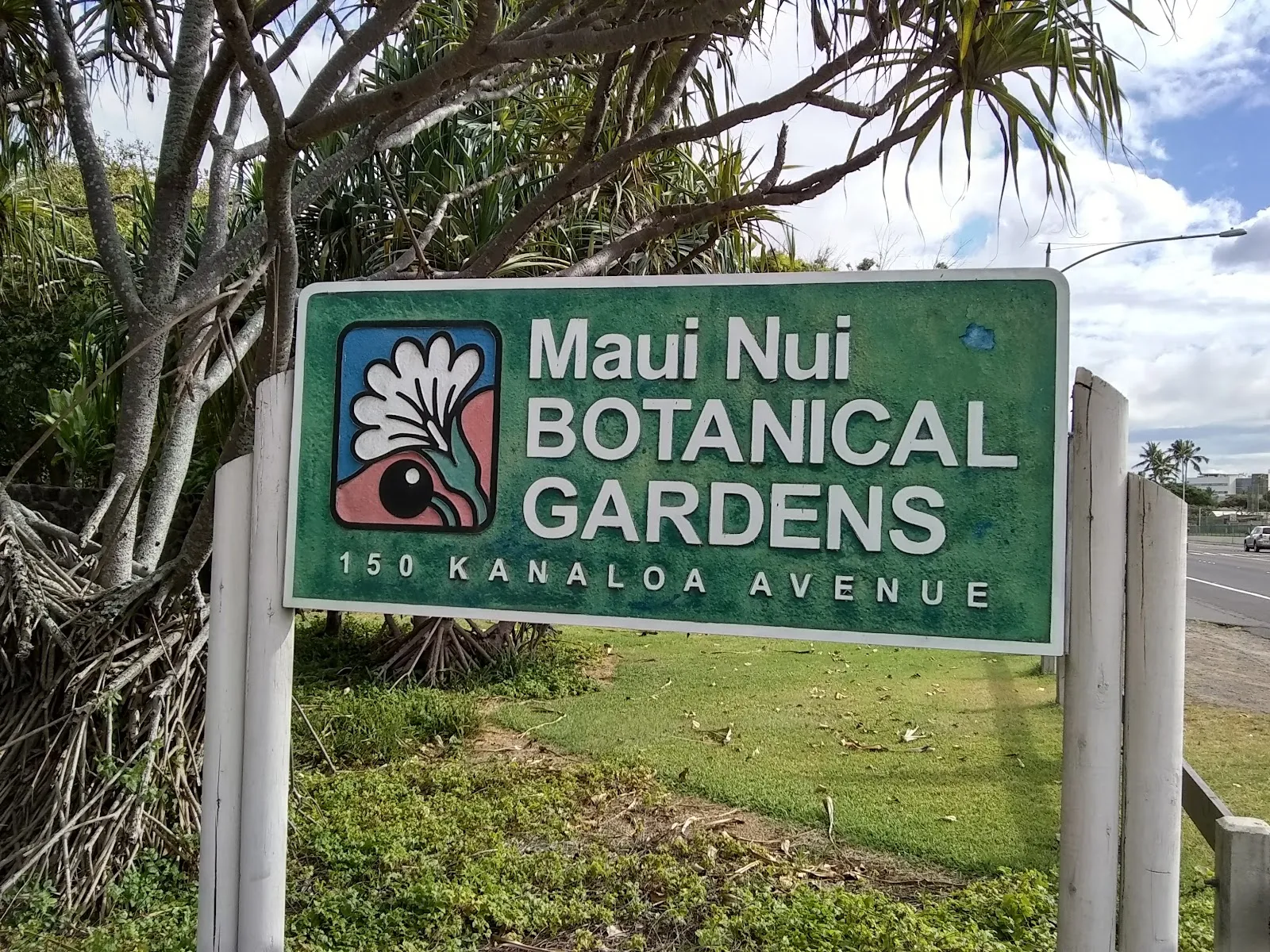
Maui Nui Botanical Gardens brings together plants associated with Maui, Molokaʻi, Lānaʻi and Kahoʻolawe. The living collection includes native Hawaiian species as well as plants introduced by Polynesians. Its purpose is conservation and education: the garden connects the plants of the islands with the ways people have relied on them.
This is a collection of useful plants and local ecology, not a display built around beds of ornamental flowers. The Kahului garden focuses largely on species suited to lowland conditions, including coastal and dry-forest plants. Some may be leafless during dry periods, so a bare-looking branch does not necessarily mean a plant is dead.
Plants used in daily life
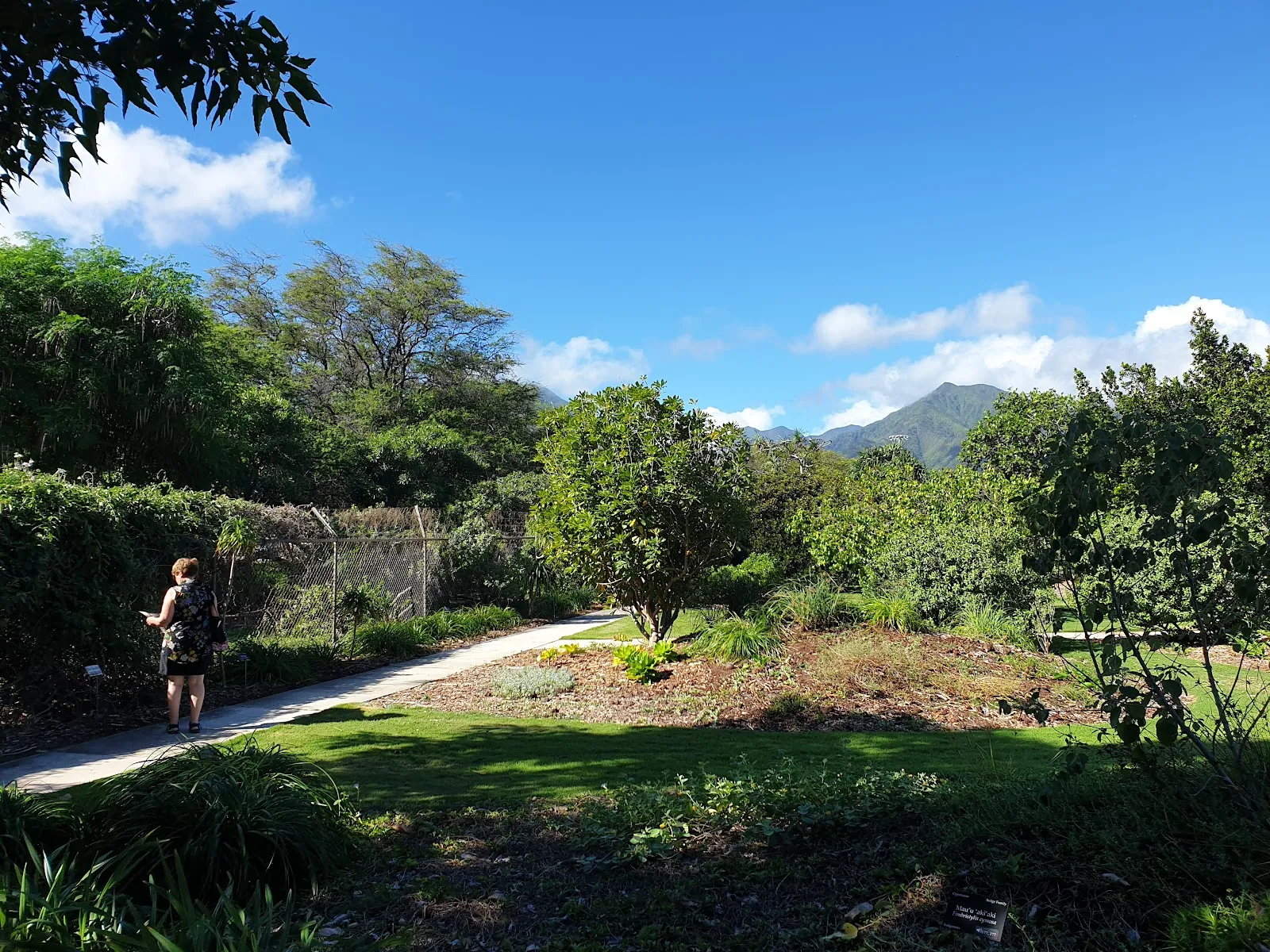
The collection helps explain how plants supported life in the islands. Traditional uses included food, medicine, construction and tools, as well as cultural practices such as making dyes and offerings. The plant stories are part of the garden’s purpose: preserving cultural knowledge alongside species.
Look for Hawaiian bananas and local varieties of sweet potato and sugarcane. Anapanapa is among the plants with a practical use; rubbing it between your hands produces a natural shampoo. The gardens also hold crops brought by Polynesians, including varieties of taro, sugarcane and sweet potato.
Follow the plant information
Interpretive signs around the grounds link to detailed information through QR codes. They make it easier to connect each plant with its history and uses as you walk. A self-guided audio tour is another way to explore, and tour booklets are available. The audio guide is useful if you want more context than a quick stroll provides.
For a guide-led visit, arrange a docent tour online ahead of time. Weekly ethnobotany tours should also be reserved in advance. Classes on traditional plant use provide another way to engage with the subject, with weekday visits recommended for the chance to attend one.
The garden’s history and conservation work
The grounds were once part of the Maui Zoological and Botanical Gardens. Rene Sylva became caretaker in 1976 and developed a botanical collection that gained recognition across the state. The zoo closed in 1997; the garden’s work now centers on preserving rare native plants and sharing their environmental and cultural importance.
The site also promotes water conservation. Its collection includes species that may be difficult to see growing elsewhere, giving the garden a role in both cultivation and preservation. Free plant distribution has also been available to people affected by recent fires.
Planning your walk
The garden is at 150 Kanaloa Avenue in Kahului. Paths cross an open, relatively small area, so the visit can be a short walk or a longer stop if you follow the audio tour and read the plant information. Shaded spots and seating offer places to rest, but much of the grounds is exposed to the sun.
Bring drinking water and sun protection. Water and restrooms are by the entrance building. Keep to the paths near breadfruit trees, where falling fruit is a hazard.
Preguntas frecuentes
How long should you spend at Maui Nui Botanical Gardens?
Allow about 45 minutes to 2 hours. A quick walk takes less time; the audio tour and plant information can extend your visit.
What plants can you see at the gardens?
The collection includes native Hawaiian plants and Polynesian-introduced species, including Hawaiian bananas and local varieties of sweet potato and sugarcane.
Are guided tours available?
Docent-led tours can be arranged online in advance. Reserve ahead for the weekly ethnobotany tour.
Is the garden exposed to the sun?
Much of the grounds is open to the sun, though there are shaded areas and seating. Bring water and sun protection.