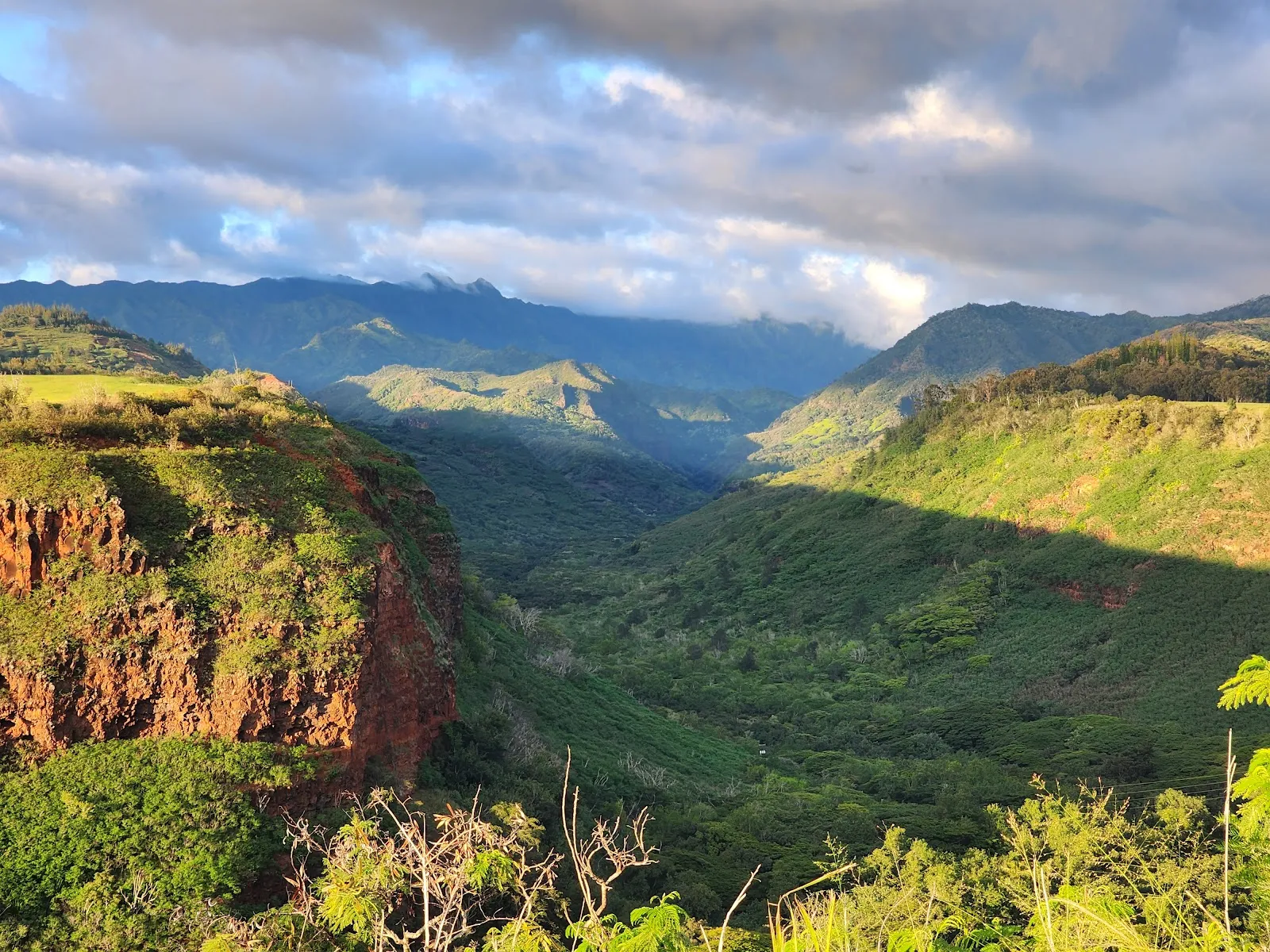
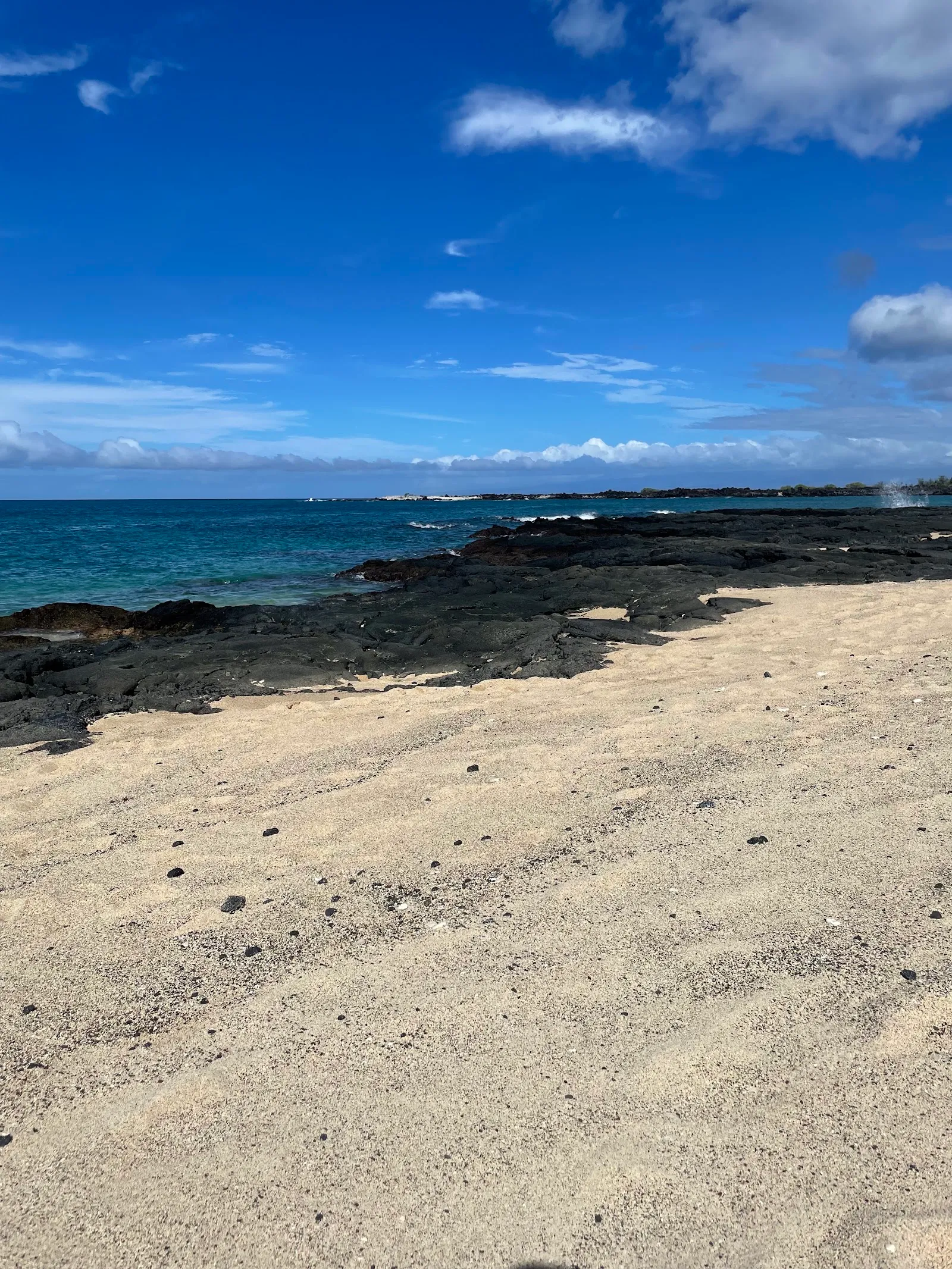
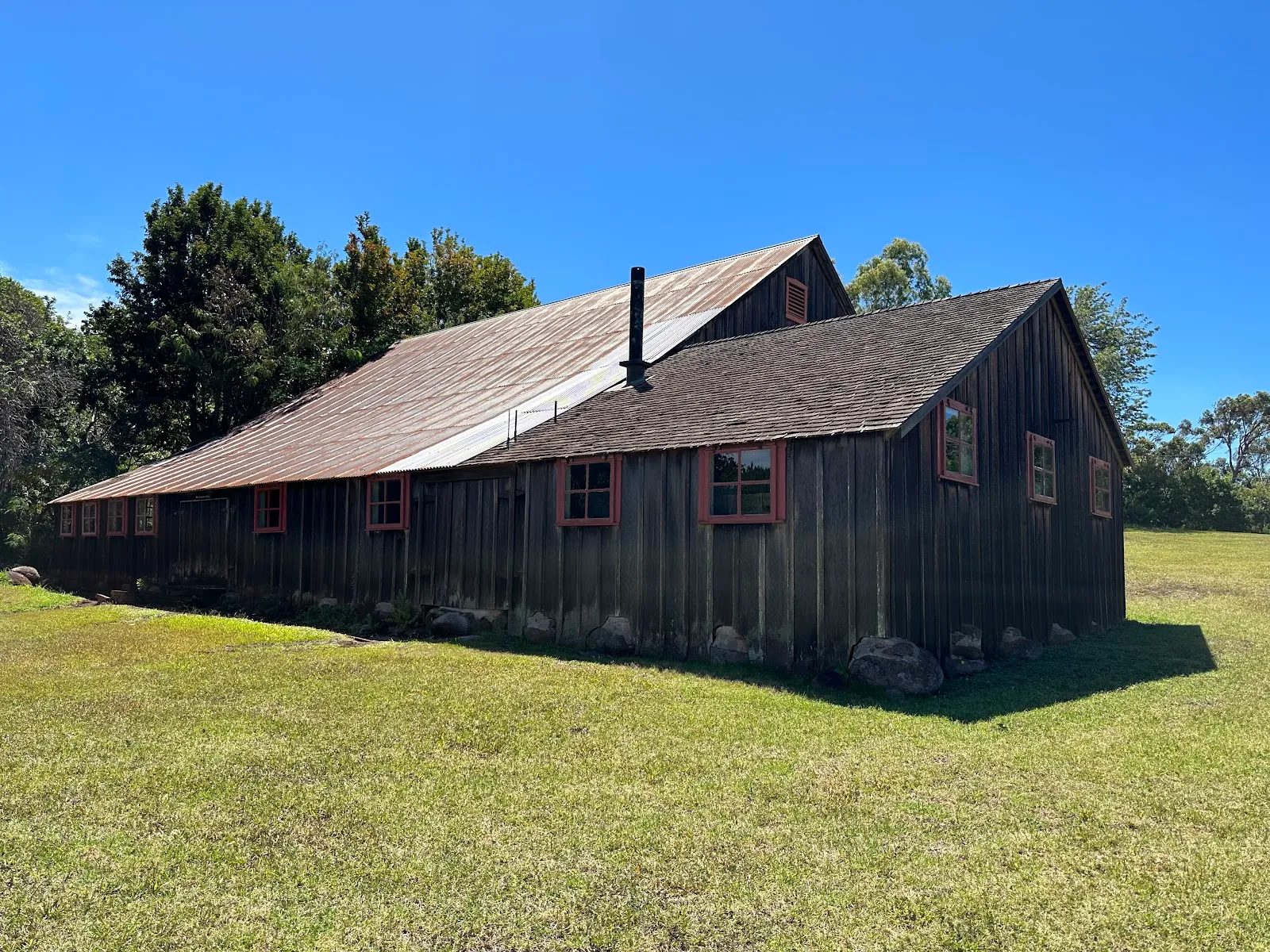
Haleakalā National Park spans eastern Maui, from the 10,023-foot summit of the dormant Haleakalā volcano to the coast near Hāna. At the summit, crater overlooks and trails cross a stark volcanic landscape, with sunrise and sunset views above the clouds. The park also has a coastal district with rainforest, waterfalls and the Pipiwai Trail. These districts are not connected by road, so choose which one to visit before setting out. Bring warm layers for the summit, where wind and cold can be a sharp change from the coast.
Two districts, two landscapes
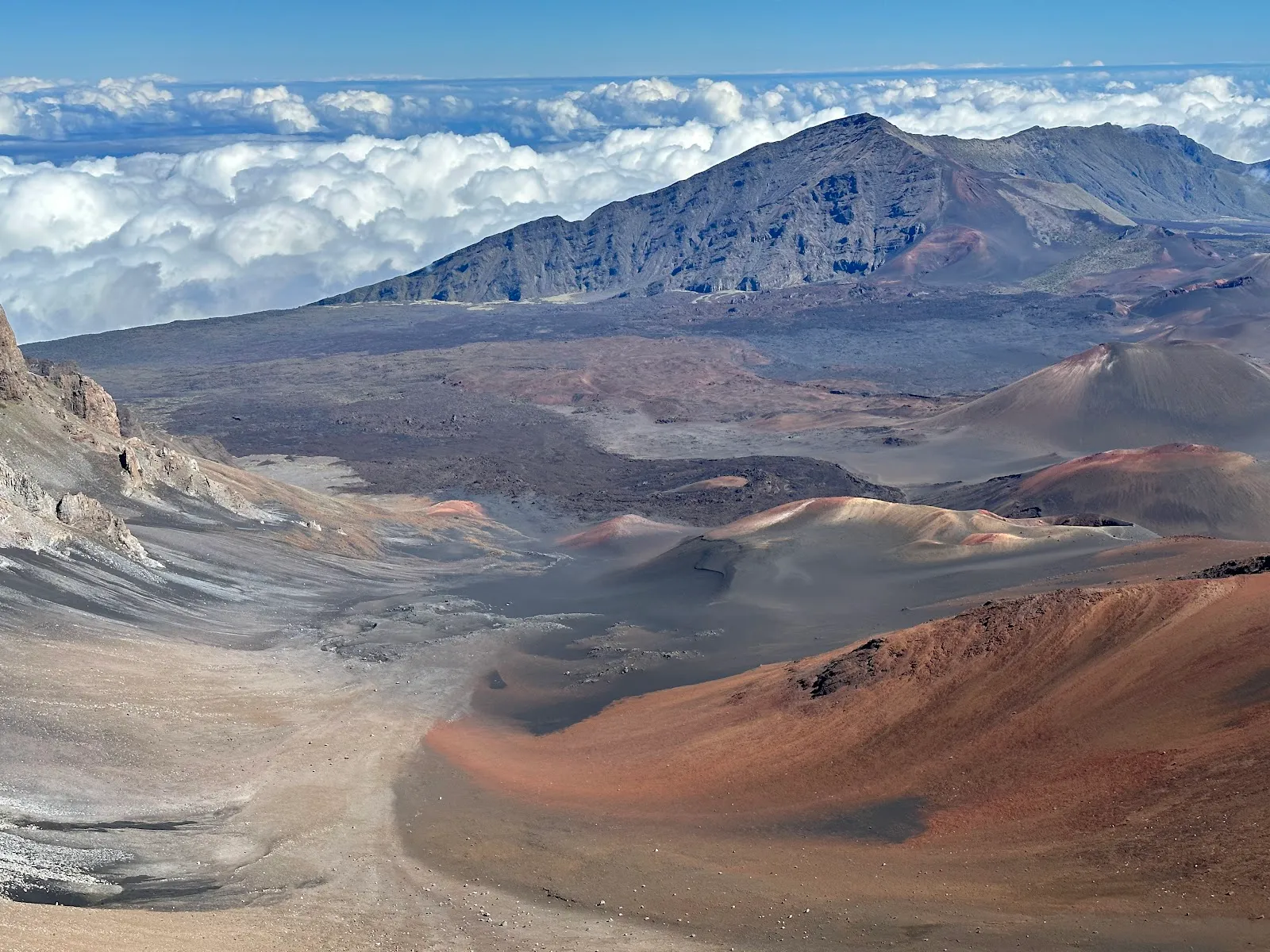
Haleakalā National Park covers parts of eastern Maui, from the mountain summit to the Kīpahulu coast near Hāna. The two districts have very different terrain and are not joined by a road inside the park. The Summit District has crater overlooks, volcanic trails and high-elevation scenery. Kīpahulu is the coastal choice, with rainforest, waterfalls and the Pipiwai Trail. Decide which area you want to visit before planning your drive; reaching both means travelling between separate entrances rather than continuing through the park.
The summit rises to 10,023 feet above sea level. The road climbs through changing surroundings, from the island’s greener lower slopes to the open volcanic basin. At the top, cinder cones and rugged rock give the crater a stark appearance. Clear conditions can reveal views across the island and over the clouds, but weather can change quickly. A cloudy or rainy visit may obscure the views, so a sunrise or sunset is not guaranteed to be clear.
Walking in the Summit District
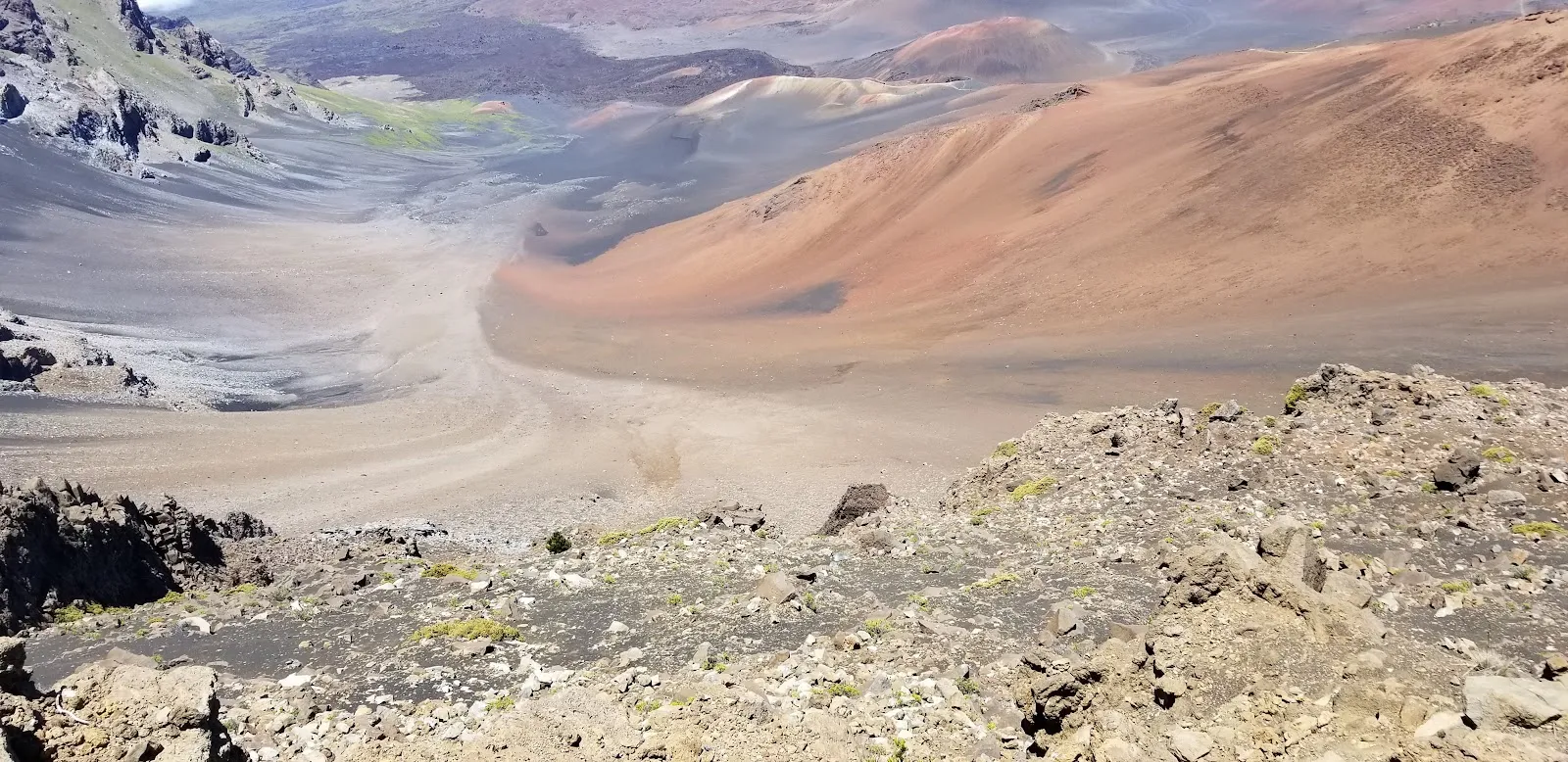
The Sliding Sands Trail begins near the summit and descends into the crater. Its landscape includes cinder cones and volcanic ground, a striking contrast with Maui’s coastal scenery. You can walk a shorter stretch to see the terrain without committing to a long crater hike. The full route is demanding: one account describes an approximately 11-mile return hike that takes six to eight hours and involves a substantial descent and climb. Choose a distance that suits your fitness and remember that the high elevation can make walking more strenuous.
Other summit-area trails pass through distinct environments, including shrubland and subalpine terrain. The park also protects silversword plants, which grow in this high-altitude setting and flower once in their lives. At Hosmer Grove, a looping trail passes through a different landscape and is associated with native birdlife. The summit’s exposed trails offer little shelter from the sun, so carry sun protection as well as warm clothing for the colder, windy conditions at higher elevations.
Sunrise, sunset and practical planning
Sunrise at the summit is a popular reason to visit, but vehicle entry for sunrise requires an advance reservation. Check the National Park Service’s current information before your trip, since a sunrise reservation is separate from general park entry. Arrive early to find a viewing spot and allow time for the winding drive. The summit is much colder than Maui’s beaches, so bring layers, a hat and gloves if needed. A welcome center partway up offers a place to pause as you gain altitude. Restrooms are about a mile below the summit, so use them before heading to the top.
Sunset is another option if a pre-dawn start does not suit your plans. Staying after dark can also give you time to look at the night sky. Both sunrise and sunset depend on the weather, and clouds or rain can cover the view. For a visit in daylight, consider a short trail walk or a stop at a crater overlook; the volcanic terrain looks different once it is fully lit. On the coastal side, Kīpahulu’s Pipiwai Trail leads through bamboo forest toward Waimoku Falls. Plan that as a separate outing from the summit, not as a stop on a continuous park road.
Preguntas frecuentes
Do you need a reservation to see sunrise at Haleakalā?
Yes. Sunrise vehicle entry requires an advance reservation. Check current requirements before your visit; the reservation is separate from general park entry.
Are the summit and Kīpahulu districts connected by road?
No. They are separate areas of the park and do not connect by road. Plan for one district or allow for travel between separate entrances.
How cold is it at the summit?
It can be cold and windy, even when lower parts of Maui are warm. Bring layers, and consider a hat and gloves for an early visit.
What can you do in the Summit District?
Visit crater overlooks, see the volcanic landscape and walk trails such as Sliding Sands. You can choose a shorter section of the trail or plan a much longer crater hike.