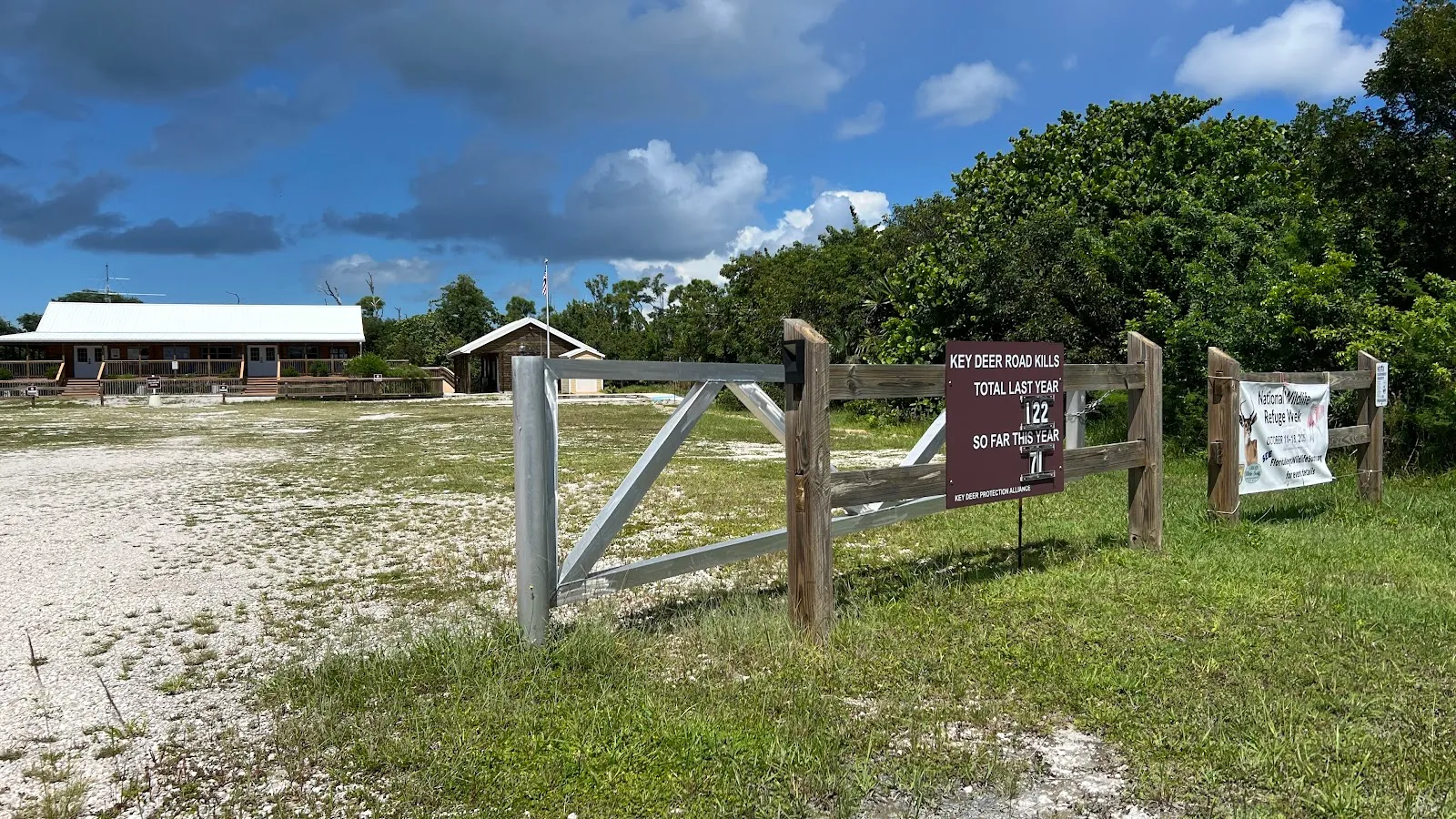
The National Key Deer Refuge Nature Center is on Overseas Highway in Big Pine Key, the Lower Keys. Start here for information about the endangered Key deer and where to look for wildlife across the refuge. Exhibits and family activities, including an animal-tracks puzzle, make the center a useful stop before heading to nearby trails and Blue Hole, where alligators and birds may also be seen. Key deer are often most active around dawn and dusk. Drive slowly throughout the refuge, where deer can cross roads unexpectedly.
Start at the nature center
The nature center on Overseas Highway gives you a place to learn about the refuge before exploring Big Pine Key. Exhibits cover Key deer and local wildlife, and family activities include a puzzle about animal droppings. Restrooms are available, and the center has accessible entry and restrooms.
Staff can suggest places to look for deer and explain the refuge area. The center also provides information about other wildlife refuges in the Florida Keys. Check the center’s current schedule before setting out: it is open Wednesday through Saturday, from 10 a.m. to 3 p.m.
Look for wildlife around Big Pine Key
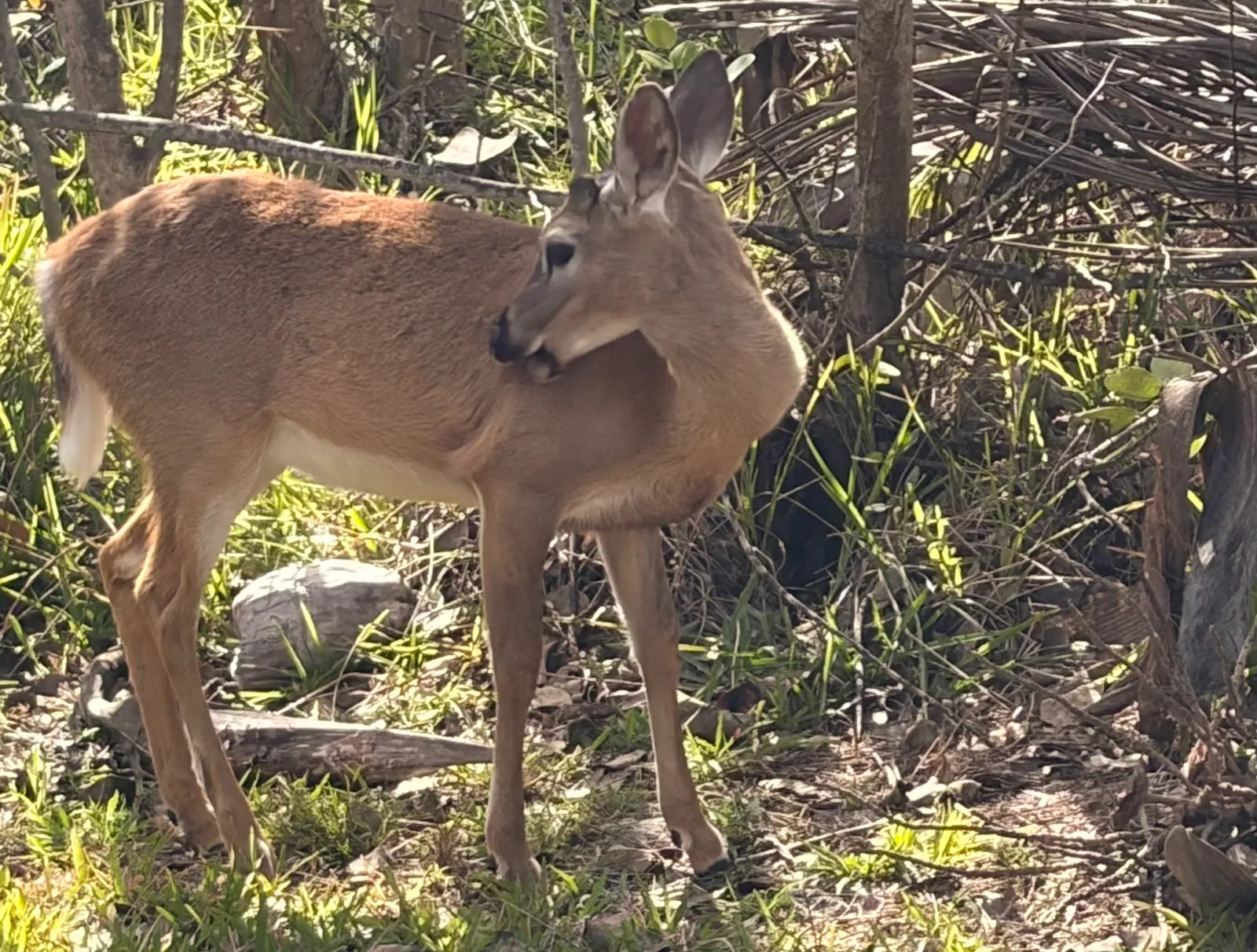
The endangered Key deer lives only in the Florida Keys. Deer can be seen in both residential and wilderness areas around Big Pine Key, including roads toward No Name Key. They are often more active at dawn and dusk, but sightings are not guaranteed.
Blue Hole is a freshwater pond about three miles from the nature center. The area has trails, and wildlife spotted there can include alligators and waterfowl. Other nearby walks include trails around Long Beach Road. Bring insect repellent, and keep a careful watch for deer crossing roads. Do not feed the deer.
Explore the refuge’s trails
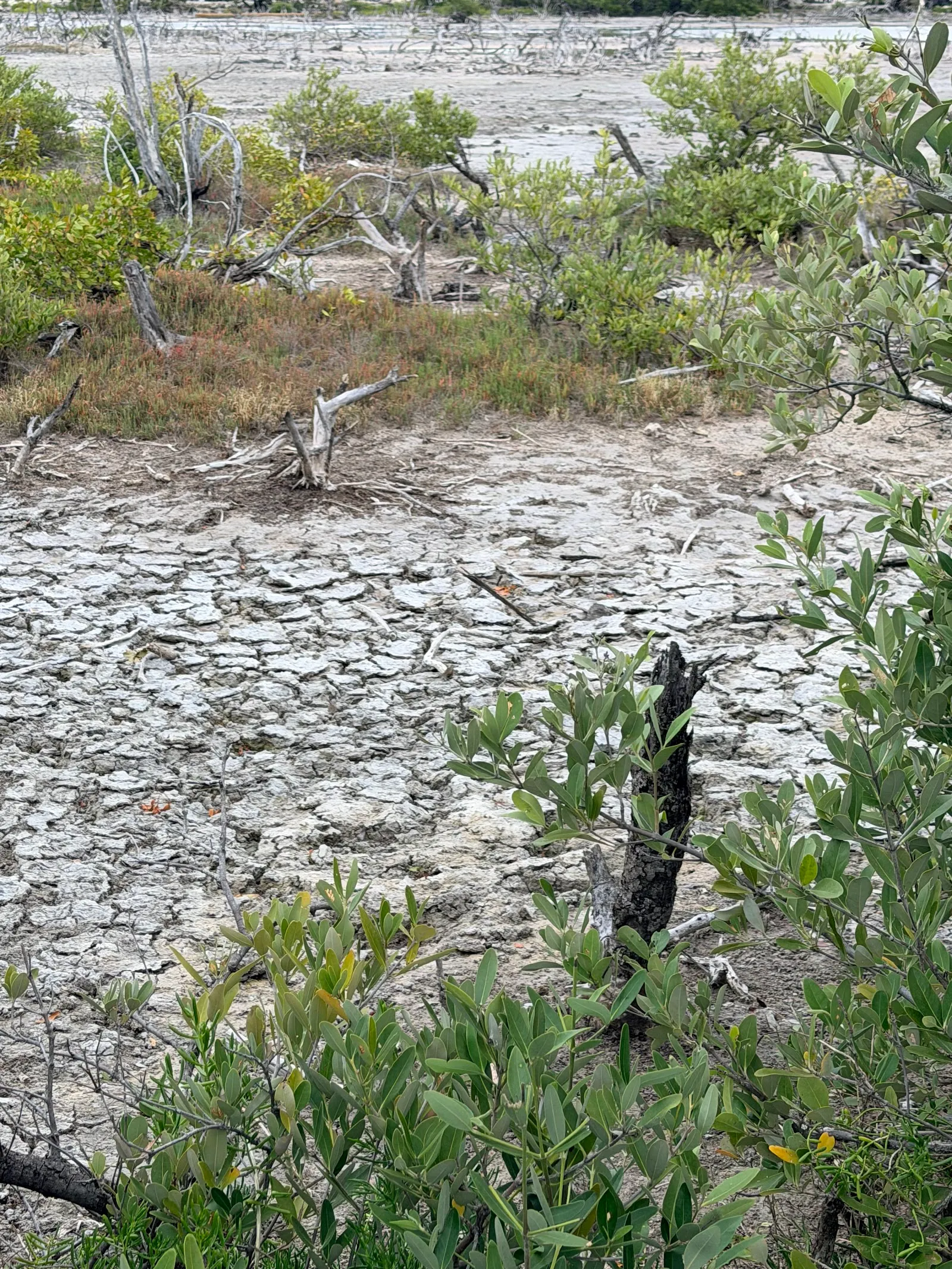
Short walks around the refuge pass through varied landscapes, including pine forest, brush and wetland areas. The Jack C. Watson Nature Trail is a loop through local vegetation, while trails near Blue Hole and Long Beach Road offer other ways to explore on foot. Ask at the center which route suits your plans and what wildlife may be active during your visit.
The refuge covers several keys, with protected land alongside residential areas. Keep to a slow pace on the roads and give wildlife space. The center’s free parking and picnic areas can make it a convenient stop before or after exploring.
Preguntas frecuentes
When is the nature center open?
It is open Wednesday through Saturday, from 10 a.m. to 3 p.m. It is closed Sunday through Tuesday.
When is the best time to see Key deer?
Dawn and dusk are good times to look, when deer are often more active. Sightings are not guaranteed.
Where can I look for wildlife near the center?
Blue Hole, about three miles from the center, has trails and may have alligators and waterfowl. Roads toward No Name Key and trails near Long Beach Road are other places to explore.
Is the nature center suitable for children?
Yes. It has family activities, including an animal-droppings puzzle, and a junior ranger program.