On Chicago’s lakefront at 1300 S DuSable Lake Shore Drive, Adler Planetarium pairs astronomy exhibits with immersive shows beneath domed theater screens. Opened in 1930, it was the first planetarium in the United States. Explore displays about the solar system and space exploration, see historic instruments and artifacts from NASA missions, or add a sky show to your visit. Outside, the shoreline gives you a broad view of the Chicago skyline. The exhibits have plenty of interactive activities for children, so families may find more to do here than adults seeking a traditional museum visit.
A lakefront planetarium opened in 1930
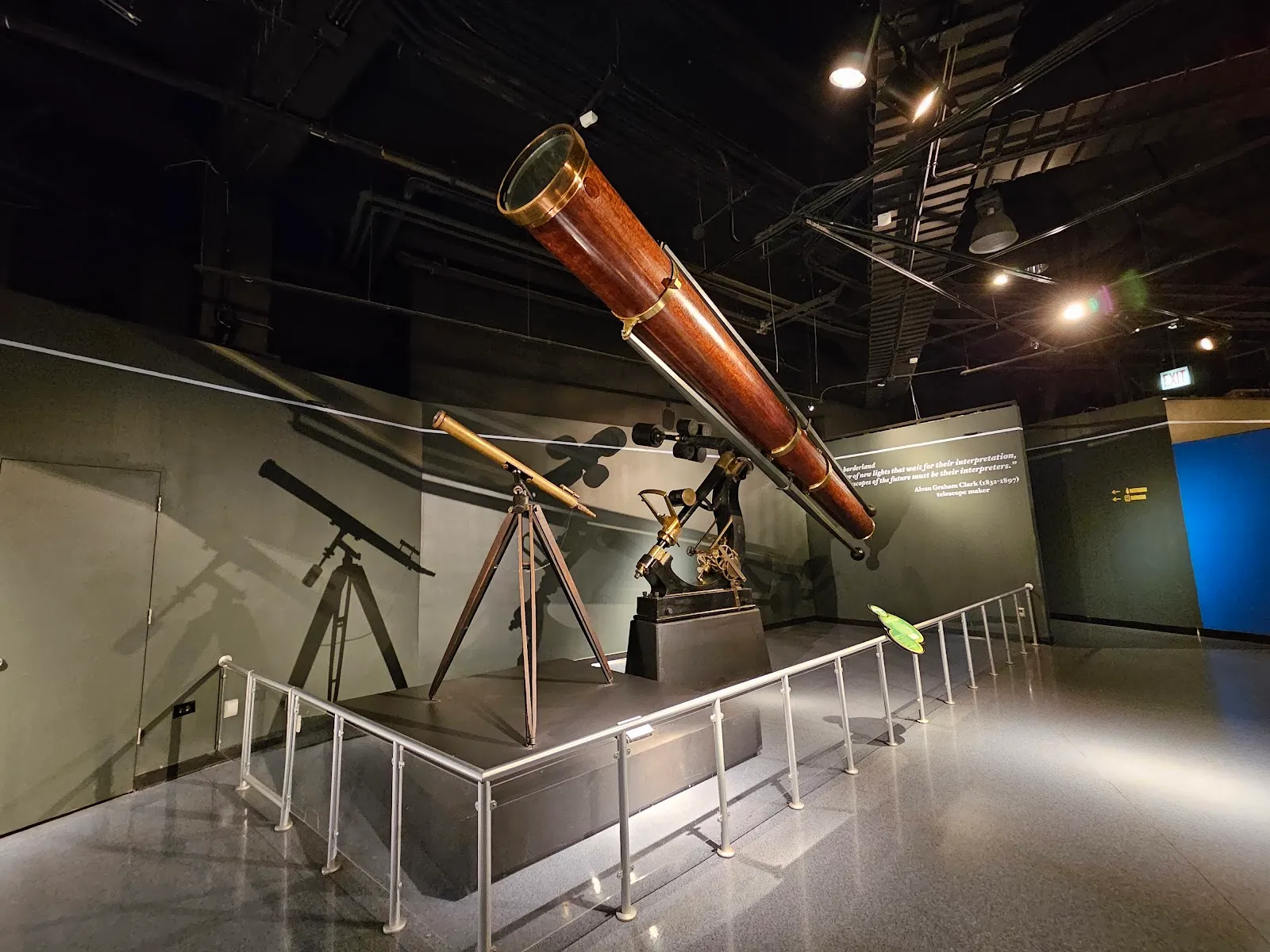
Adler Planetarium stands at the northeastern end of Northerly Island, beside Lake Michigan and within Chicago’s Museum Campus. Max Adler founded it in 1930, making it the first planetarium in the United States. The museum is dedicated to astronomy and astrophysics, and its exhibits connect the study of the sky with the history of space exploration.
The building was designed by architect Ernest A. Grunsfeld Jr. Its location puts the lake and the city skyline in view from outside, with the Field Museum and Shedd Aquarium nearby on Museum Campus. You can make Adler one stop on a day focused on the area’s museums, or leave time for the exhibits and a show on their own.
Exhibits, instruments and spaceflight artifacts
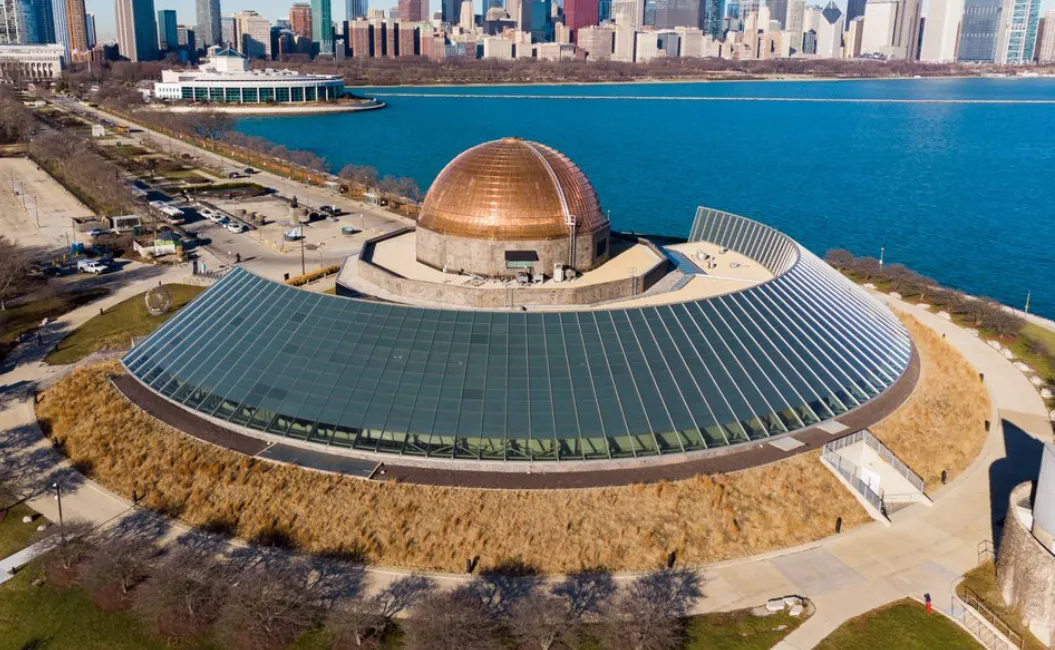
The galleries cover subjects from astronomy across cultures to the solar system and the history of the universe. Mission Moon follows the history of U.S. space exploration. The collection includes historic scientific instruments, a piece of the Moon and the Gemini 12 capsule, which visitors can see up close.
Interactive displays give children ways to engage with the material, while exhibits such as Astronomy in Culture bring different approaches to observing the sky into the museum. The range makes Adler especially suited to families and people curious about astronomy. If you prefer a museum visit centered on adult-focused displays, some galleries may feel geared more toward younger visitors.
Sky shows and telescope viewing
A sky show is a separate part of the visit to consider when choosing your ticket. Adler’s theaters present immersive programs on astronomy and space; the available subjects can include live presentations as well as filmed shows. One program mentioned by visitors is The Dark Side of the Moon. Check the current show schedule when planning, since the material here does not establish which programs will be playing on a particular date.
The Doane Observatory, behind the planetarium, gives visitors a chance to look through a telescope. Viewing depends on conditions, and clear weather can draw a queue. If telescope viewing is a priority, leave room in your schedule rather than assuming you can walk straight in.
Free Wednesday admission for Illinois residents
Illinois residents can receive free general museum admission on Wednesday evenings with proof of residency. The free admission covers the exhibitions, but not sky shows; show tickets can be purchased separately at a discounted rate. Tickets must be reserved online in advance, so check the planetarium’s ticket information before setting out.
The Cosmic Café provides a place to take a break inside, with views of the Chicago skyline from its seating area. Outside, the lakefront is another reason to allow time around the museum rather than heading straight back after the galleries. The planetarium is at 1300 S DuSable Lake Shore Drive.
Preguntas frecuentes
When did Adler Planetarium open?
Adler Planetarium opened in 1930. It was the first planetarium in the United States.
Can Illinois residents visit Adler Planetarium for free?
Illinois residents can get free general museum admission on Wednesday evenings with proof of residency. Sky shows are not included, and tickets must be reserved online in advance.
Are sky shows included with museum admission?
No. Sky shows are not included with free Wednesday admission for Illinois residents. Show tickets can be purchased separately.
How long should you spend at Adler Planetarium?
Allow about 2 to 3 hours to explore the exhibits and attend a show. Add time if you plan to visit the Doane Observatory, where clear weather can bring a queue.