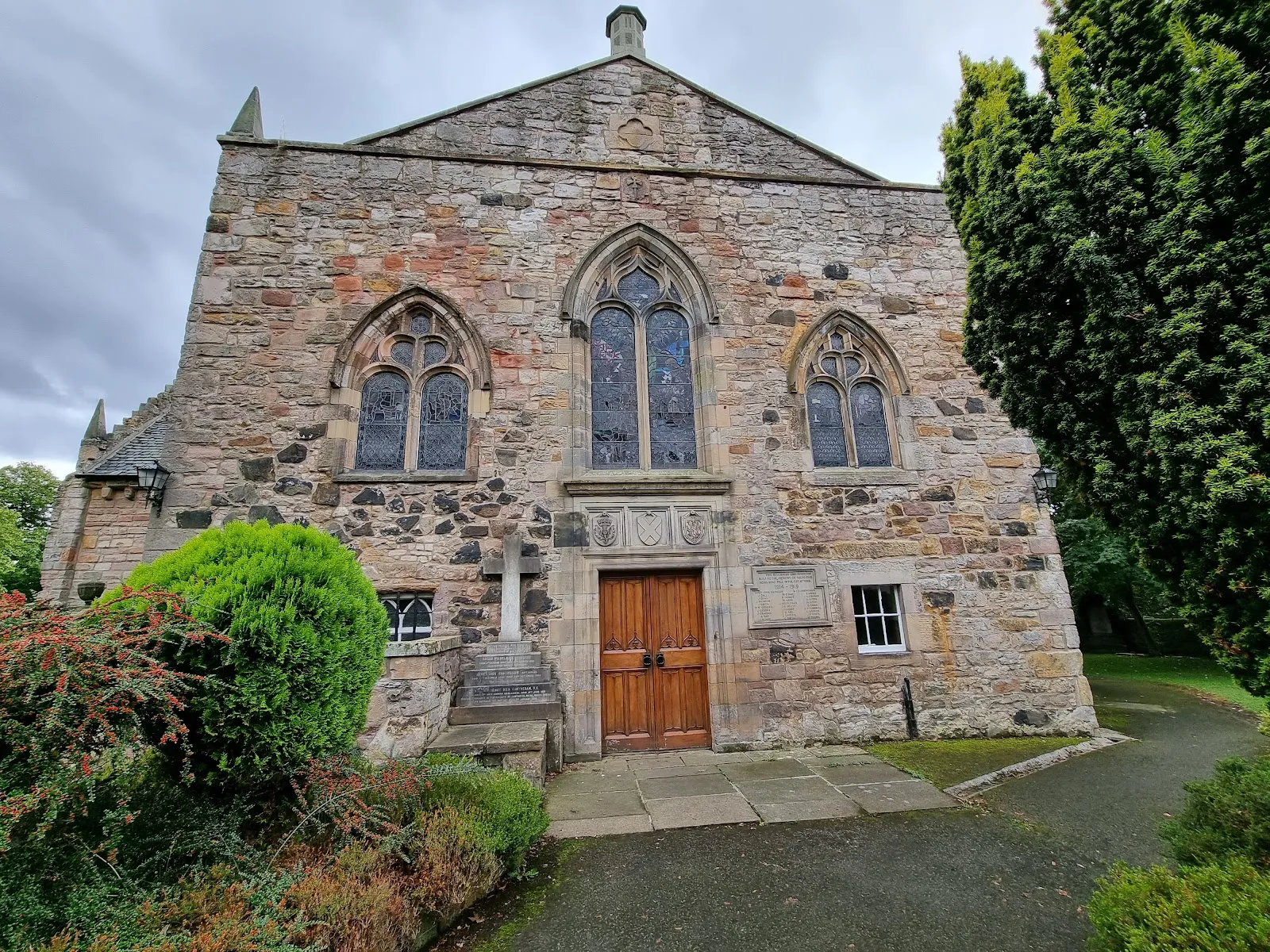
Arthur’s Seat is an ancient volcanic hill in Holyrood Park, east of Edinburgh’s centre. Several paths lead up to the 251-metre summit, where you can look across the city, the Firth of Forth and the surrounding hills. The climb has steep and sometimes slippery sections, but you can choose a route to suit your pace. If you would rather avoid the ascent, paths around St Margaret’s Loch offer a gentler way to explore the park, with views of St Anthony’s Chapel ruins.
A volcanic hill above the city
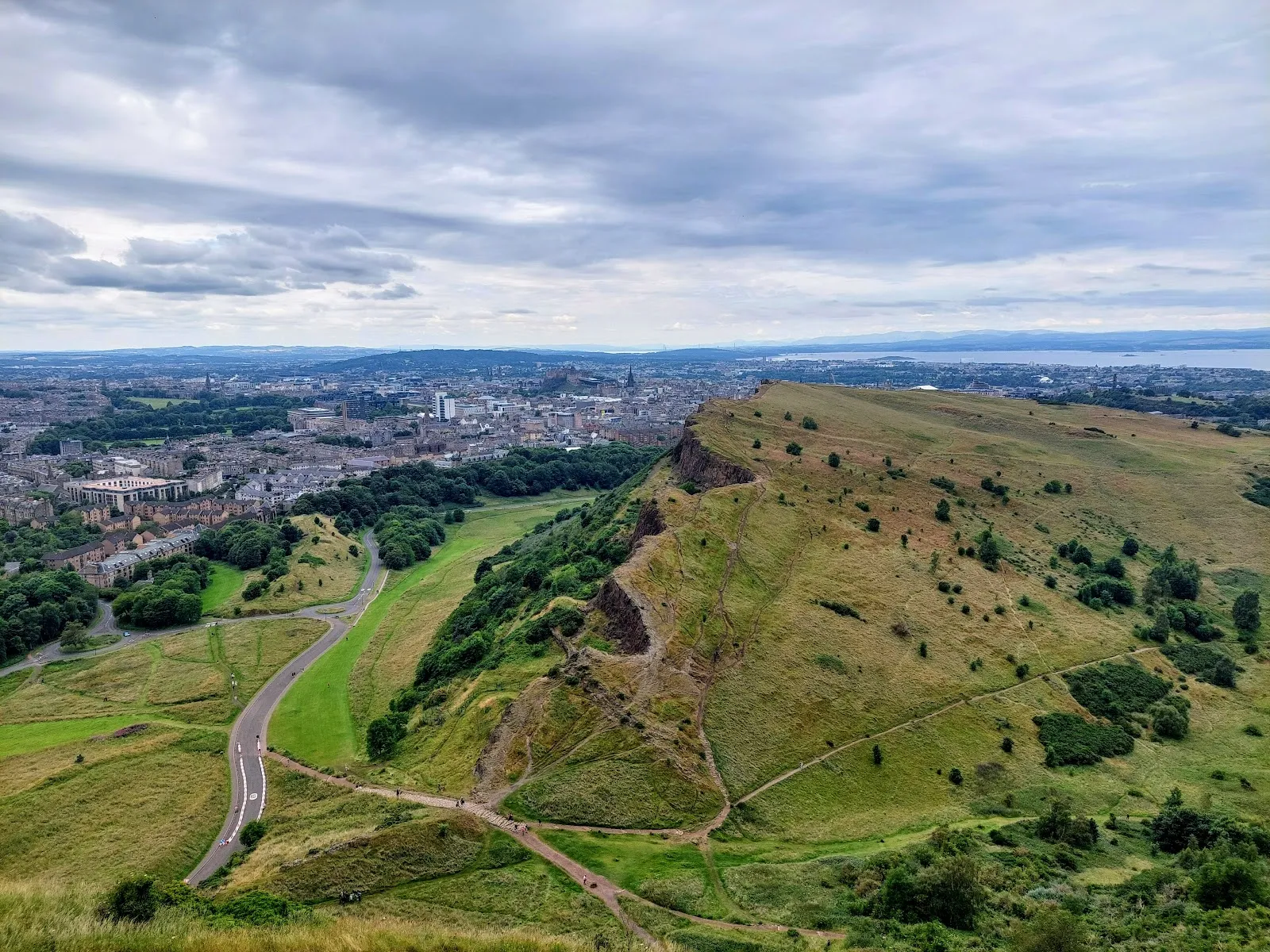
Arthur’s Seat is the highest point in Holyrood Park, rising to 251 metres. The hill is the remains of an ancient volcano, and its rocky summit is part of a landscape shaped by volcanic activity and erosion. Along with Salisbury Crags, it forms a striking group of hills beside central Edinburgh.
The peak is one of several volcanic landmarks in the city. Edinburgh Castle’s Castle Rock and Calton Hill are also remnants of ancient volcanic activity. From Arthur’s Seat, the view can extend west to the Forth bridges and east towards North Berwick Law. The Firth of Forth, the city and hills farther inland are also visible from the summit.
Choosing a route through Holyrood Park
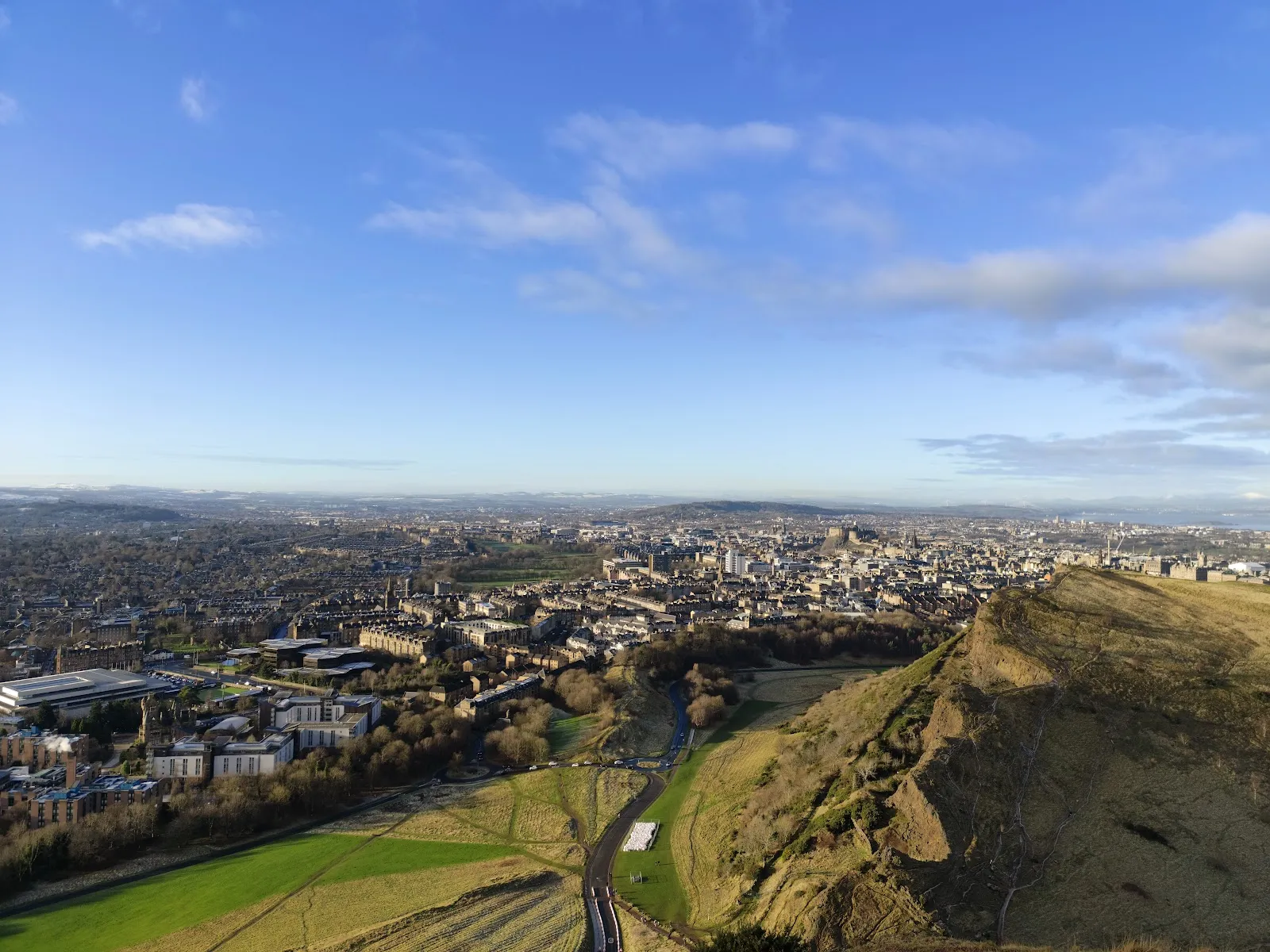
Paths cross the park, so the walk can be planned around how much climbing you want to do. Routes to the top vary in steepness, and the final section can be rocky. Walkers have reported slippery patches, so sturdy footwear is useful even when the route looks manageable. Allow time to pause on the ascent rather than treating it as a quick stroll.
For a less demanding outing, paths near St Margaret’s Loch give you a closer look at the park without climbing to the summit. The loch sits below the ruins of St Anthony’s Chapel, a medieval building that makes a natural stop along a walk. Another path passes through Duddingston, the village on the far side of the hill. These options let you experience the park’s scenery at a gentler pace.
Ruins, landscape and local legends
St Anthony’s Chapel is among the park’s historic landmarks. Its ruins overlook St Margaret’s Loch, and the surrounding paths provide a view of both the water and the hillside. On the summit, the remains of an ancient hillfort add another layer of human history to the walk. The hill’s terrain and plant life are also of scientific interest.
The name Arthur’s Seat is often linked to the legends of King Arthur, and some stories place Camelot here. The origin of the name is uncertain, however, so the connection belongs to local legend rather than established history. The hill itself has a clearer geological story: it is the worn remains of an extinct volcano, shaped over a long period into the rocky peak seen above Edinburgh today.
Preguntas frecuentes
How long does it take to climb Arthur’s Seat?
The walk to the summit takes roughly 30 to 60 minutes, depending on your route and pace. Allow around 2 to 3 hours for a visit that includes the return walk and breaks.
Is Arthur’s Seat difficult to climb?
The climb is manageable for many walkers, but some routes have steep inclines and the summit approach can be rocky. Sturdy shoes and water are useful.
Can you visit Holyrood Park without climbing to the summit?
Yes. Paths around St Margaret’s Loch offer a gentler walk, with views of the loch and the ruins of St Anthony’s Chapel.
What can you see from Arthur’s Seat?
The summit looks over Edinburgh, the Firth of Forth and the surrounding landscape. On clear views across the area, landmarks include the Forth bridges and North Berwick Law.