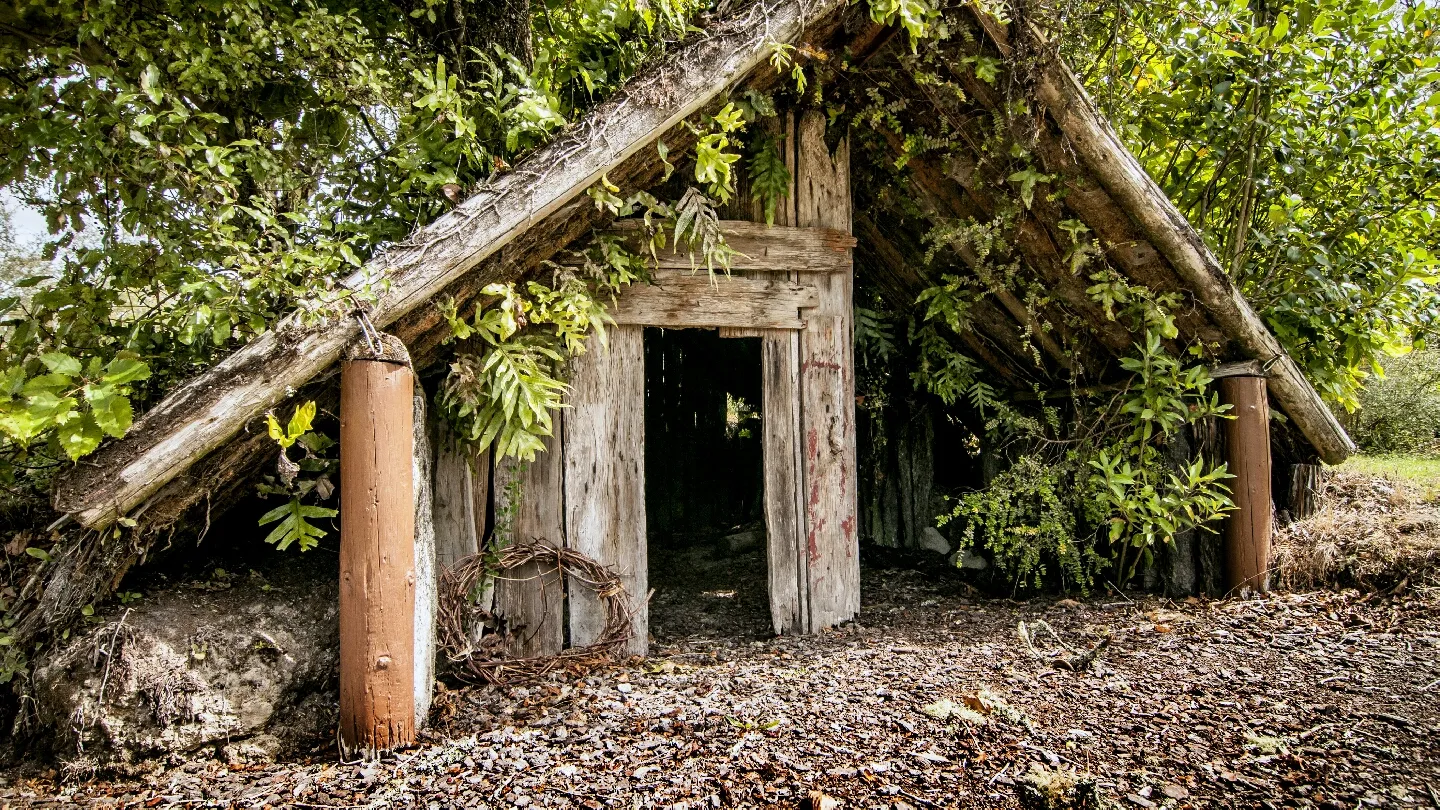
The Buried Village of Te Wairoa, on Tarawera Road near Lake Tarawera, combines a museum, excavated village remains and forest trails. Its exhibits tell how the 1886 Mount Tarawera eruption buried the settlement, while personal accounts and salvaged objects bring the event into focus. Outside, follow the streamside path to Wairere Waterfall; the descent is steep, but the falls are a rewarding finish. Families can add a children’s treasure hunt, and the on-site café is a handy stop after the walk.
Te Wairoa before the eruption
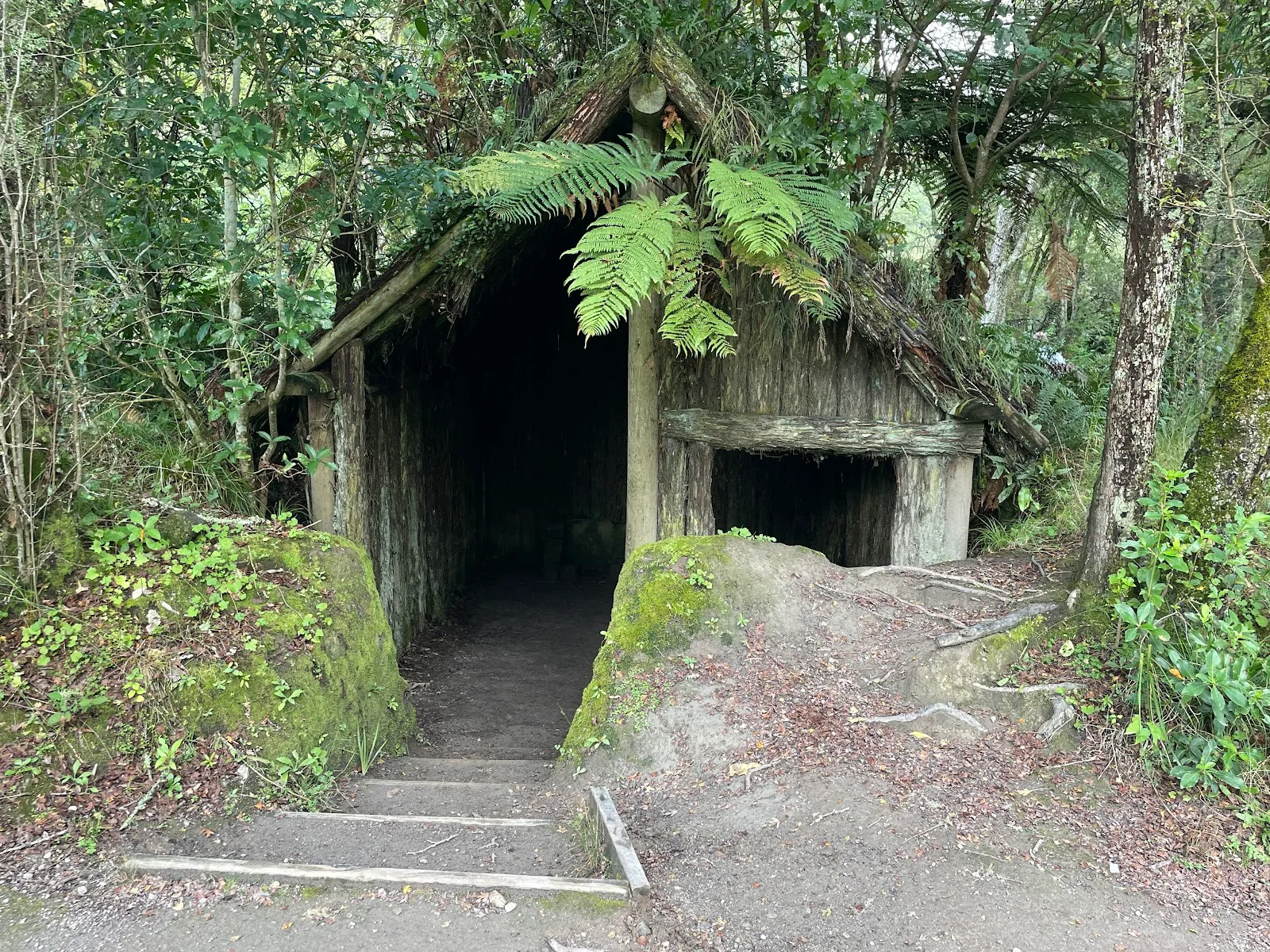
Before the disaster, Te Wairoa was a settlement shared by Māori and European residents. It also served as a starting point for journeys to the Pink and White Terraces at Rotomahana. In the 19th century, mineral-rich water flowed down the terraces in a series of pools, drawing visitors and helping tourism take shape in New Zealand.
Local Māori women of Ngāti Tūhourangi were among the early guides. The village’s history therefore reaches beyond the eruption: it also tells of local life, guiding and contact between Māori and European communities.
The 1886 disaster and the excavated site
Mount Tarawera erupted in 1886, burying Te Wairoa under ash and mud and destroying the Pink and White Terraces. The disaster killed people in the village and nearby settlements. The remains visible today include excavated traces of houses, shops, hotels and a flour mill.
The museum brings together archaeological finds and accounts of the eruption. Look for the objects and personal letters that connect the event to the people who lived through it. The displays also explain the damage to the settlement and the terraces, once a major attraction for visitors to the region.
The museum, trails and café
A visit moves between indoor exhibits and outdoor paths, so allow time for both. The museum provides context for the ruins before you walk among them. A children’s treasure hunt adds an activity to the trail, and a virtual-reality experience gives another way to engage with the eruption’s story.
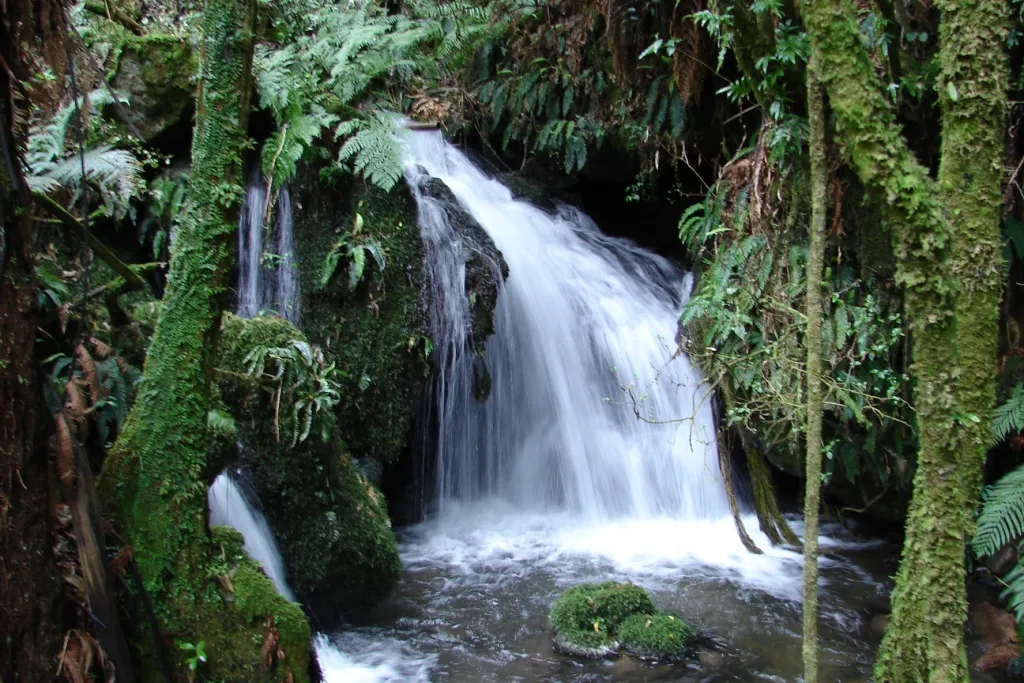
The streamside path leads through the forest to Wairere Waterfall. The final descent has steep steps, which can be slippery when wet; take your time. The site also has a café, a playground and a gift shop with books and locally made and eco-friendly goods. Check the waterfall route conditions on the day and choose your pace accordingly.
Preguntas frecuentes
What happened to Te Wairoa?
The 1886 eruption of Mount Tarawera buried the village in ash and mud. It also destroyed the Pink and White Terraces.
What can you see at the Buried Village?
The site has a museum, excavated village remains and trails through the grounds. The remains include traces of homes, shops, hotels and a flour mill.
Is there a waterfall at the Buried Village?
Yes. A trail follows the stream to Wairere Waterfall. The descent includes steep steps that can be slippery when wet.
Is the Buried Village suitable for children?
Children can take part in a treasure hunt on the trail, and there is also a virtual-reality experience and a playground.